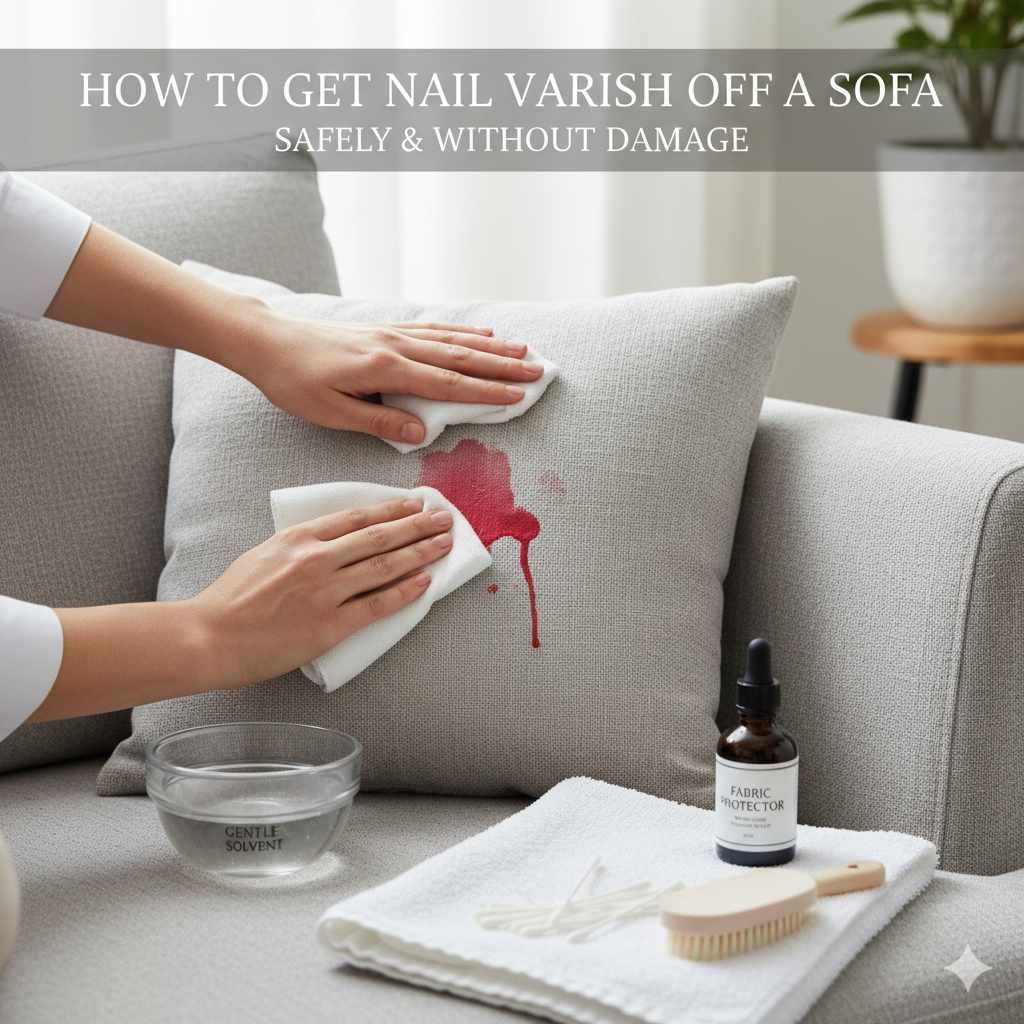
How To Get Nail Varnish Off A Sofa Safely
Safely removing nail polish from a sofa involves acting quickly and using the right cleaner for the fabric type. Start with gentle methods like dabbing with rubbing alcohol on a cotton swab, testing in an inconspicuous area first. Avoid harsh scrubbing or soaking the fabric, which can spread the stain or damage the material.
For a closely related home or decor topic, How To Fix A Sofa Frame: Repair gives readers a useful next step.
For another cleaning or care problem, How To Deep Clean A Sofa Like A Pro gives readers a useful next step.
For a closely related home or decor topic, How To Decorate Above A Sofa: Stylish Ideas gives readers a useful next step.
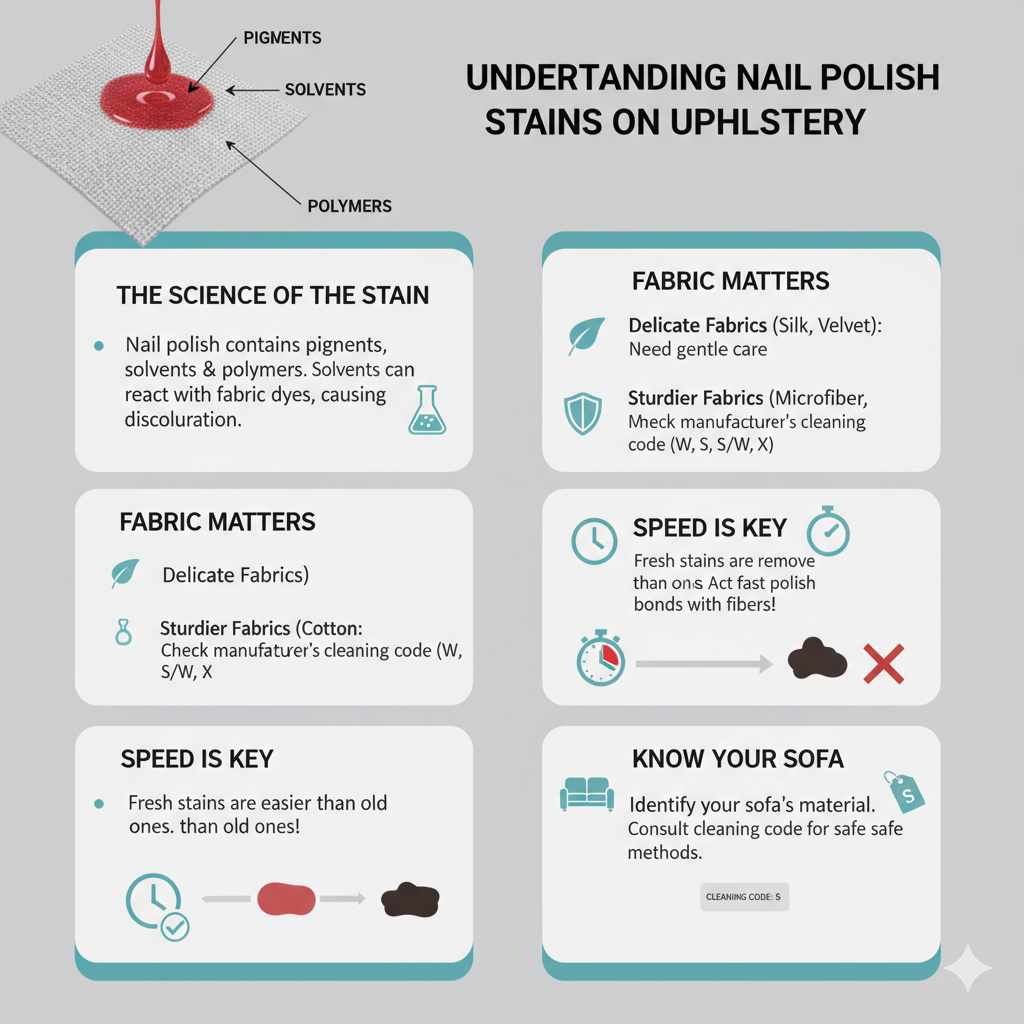
Understanding Nail Polish Stains on Upholstery
Nail polish is made of pigments, solvents, and polymers. When it spills, these ingredients can soak into your sofa’s fabric. The solvents try to dissolve things.
That’s how they work on your nails. But on a sofa, they can affect the dyes in the fabric itself. This is what causes the stain.
Different sofa fabrics react differently. Delicate materials like silk or velvet need very gentle care. Sturdier fabrics like microfiber or cotton blends can handle a bit more.
Knowing your sofa’s material is key. It helps you choose the safest way to clean it. Always check the manufacturer’s cleaning code if you can.
This code tells you what cleaning agents are safe.
The sooner you address the spill, the better your chances of removing it. Fresh stains are much easier to lift than old, set-in ones. Acting fast means the polish hasn’t had time to deeply bond with the fabric fibers.
This is a big help in getting it out cleanly.
My Nail Polish Sofa Scare
I remember it vividly. I was painting my nails a bright cherry red one Saturday afternoon. My fluffy dog, Buster, suddenly decided he needed to go outside.
I jumped up, and the bottle tipped. A big splash landed right on my cream-colored sofa cushion. My heart sank.
It looked like a crime scene. Red polish was everywhere.
My first instinct was to grab a wet cloth and scrub. I started rubbing, and that’s when I saw it. The red was spreading, and a bit of the cream color from the cushion seemed to be lifting too.
Panic set in. I’d made it worse! I quickly stopped, took a deep breath, and remembered some advice I’d heard.
It was time to slow down and think.
I grabbed a white towel and a cotton ball. I dipped the cotton ball in rubbing alcohol. Then, I gently dabbed the stain.
I kept dabbing from the outside in. Slowly, carefully, the red started to lift. It took patience.
But little by little, the stain faded. It was a huge relief. I learned a lot that day about being careful and using the right method.
Nail Polish Stain: What To Do FIRST
Act Fast: Don’t let the polish dry.
Blot, Don’t Rub: Gently soak up excess polish.
Identify Fabric: Know what material your sofa is made of.
Test Spot: Always test any cleaner in a hidden area.
Safe Cleaning Agents and What to Use
When tackling nail polish, the right cleaner is everything. You want something that breaks down the polish but not your sofa. Harsh chemicals can do more harm than good.
They can bleach the fabric or even dissolve fibers.
Rubbing Alcohol (Isopropyl Alcohol): This is often the go-to. It’s a solvent. It helps dissolve the sticky components of nail polish.
It works best on non-greasy stains. Make sure it’s clear rubbing alcohol, not colored. Colored alcohol could leave its own stain.
Non-Acetone Nail Polish Remover: This might seem obvious. But be careful. Acetone nail polish remover is very strong.
It can damage many synthetic fabrics like acetate or rayon. It can even eat through some plastics. Always choose a non-acetone version.
And always, always test it first.
Mild Dish Soap and Water: For some lighter stains or as a follow-up, a simple mix can help. Use just a tiny amount of mild dish soap. Mix it with cool water.
This is less aggressive. It’s good for rinsing away residue after using a stronger cleaner.
Club Soda: Some people swear by club soda. Its carbonation might help lift stains. It’s also quite gentle.
It’s worth a try on very light, fresh spills. But it’s less effective on dried polish.
Remember, the goal is to dissolve the polish, not the sofa fabric. Always use the mildest option that works. And work in small, controlled steps.
The Step-by-Step Sofa Stain Removal Process
Getting nail polish off requires a careful approach. Rushing can lead to bigger problems. Follow these steps for the best chance of success.
Step 1: Remove Excess Polish
As soon as the spill happens, grab a clean, white cloth or paper towel. Gently blot the wet polish. Do not rub.
Rubbing will spread the stain. It will also push the polish deeper into the fabric. Your aim is just to soak up as much liquid polish as possible.
Keep changing to a clean part of the cloth. Or use new paper towels. You want to avoid transferring the polish back onto the sofa.
This step is crucial. It removes the bulk of the problem before it dries.
Step 2: Test Your Cleaner
Before you put any cleaner on the main stain, test it. Find a hidden spot on your sofa. This could be on the back, underneath a cushion, or on a seam allowance.
Apply a small amount of your chosen cleaner (like rubbing alcohol) to a cotton swab. Gently dab the test spot.
Wait a few minutes. Then, check the fabric. Has it changed color?
Has the texture changed? Does it feel damaged? If the fabric looks okay, you can proceed.
If it shows any signs of damage, stop. You’ll need to find a different cleaning method or call a professional.
Step 3: Apply the Cleaner
Dip a clean cotton ball or the corner of a white cloth into your tested cleaning solution. For rubbing alcohol, you’ll want to dab it on. Don’t pour it.
For mild soap solutions, use a damp (not wet) cloth.
Start dabbing the stain from the outer edge inwards. This helps prevent the stain from spreading. Work in small sections.
As the polish transfers to the cotton ball or cloth, use a clean part. Or switch to a new one. Be patient.
This part can take time.
Step 4: Blot and Repeat
After each dab, gently blot the area with a clean, dry white cloth. This lifts the dissolved polish. It also helps prevent the fabric from getting too wet.
You’ll likely need to repeat the dabbing and blotting process several times.
Keep going until you see no more polish transferring to your cotton ball or cloth. You might see the stain lightening with each pass. It’s about steady progress, not a quick fix.
Don’t get discouraged if it doesn’t disappear immediately.
Step 5: Rinse (If Necessary)
If you used a cleaning solution that might leave residue (like dish soap), you may need to rinse the area. Use a clean cloth dampened with plain cool water. Gently blot the area.
This removes any leftover cleaner. You don’t want soap left behind.
Again, blot the area with a dry cloth to absorb excess moisture. This helps the fabric dry evenly.
Step 6: Air Dry
Let the cleaned area air dry completely. Avoid using heat, like a hairdryer, on high settings. Heat can set any remaining stain.
It can also damage certain fabric types. Once dry, inspect the spot.
If a faint stain remains, you might try repeating the process. Or, if the fabric is suitable, you could try a fabric stain remover specifically designed for upholstery. Always follow the product instructions carefully.
Quick Scan: Fabric Types & Cleaner Safety
| Fabric Type | Safer Cleaners | Use Caution |
|---|---|---|
| Microfiber | Rubbing alcohol, water-based cleaners | Avoid harsh solvents |
| Cotton/Linen | Rubbing alcohol, mild soap, gentle stain removers | Test removers carefully |
| Synthetic (Polyester, Nylon) | Rubbing alcohol, non-acetone remover | Acetone can damage |
| Velvet/Silk | Professional cleaning often best, very mild damp cloth | Avoid all harsh chemicals, water |
Always test first in an hidden spot.
Dealing with Different Sofa Materials
The type of fabric your sofa is made from is a huge factor. What works for one material might ruin another. Understanding these differences is crucial for safe nail polish removal.
Microfiber Sofas
Microfiber is pretty resilient. It’s made of tiny synthetic fibers. This makes it stain-resistant to a degree.
For nail polish, rubbing alcohol is usually a safe bet. It evaporates quickly. It helps lift the polish without leaving a water mark.
After using alcohol, you might want to gently brush the microfiber with a soft brush once it’s dry. This can help restore its texture. Avoid soaking microfiber.
It can mat the fibers.
Cotton and Linen Sofas
These natural fibers are common. They can absorb liquids well. This means they can also absorb nail polish well.
Rubbing alcohol is generally safe here too. A mild soap and water solution can also work if the stain isn’t too bad.
Be careful not to overwet cotton or linen. This can lead to water rings or mildew. If using a commercial stain remover, ensure it’s for upholstery.
Always test it thoroughly. These fabrics can be sensitive to strong chemicals.
Synthetic Fabrics (Polyester, Nylon, Acrylic)
Many sofas are made from polyester or nylon blends. These can be quite durable. Rubbing alcohol is usually safe.
Non-acetone nail polish remover can also be effective. But never use acetone. Acetone can melt or dissolve these synthetic fibers.
Always check the cleaning code on your sofa. Some synthetics are more sensitive than others. A gentle touch is always best, no matter how tough the fabric seems.
Velvet and Silk Sofas
These are the more delicate materials. Nail polish on velvet or silk is a serious worry. The fibers can be easily damaged.
Color can be stripped away. Water itself can leave marks on velvet.
For these fabrics, the safest advice is usually to call a professional upholstery cleaner. If you absolutely must try something yourself, use extreme caution. Dampen a white cloth very lightly with water.
Gently blot. For polish, a professional is highly recommended. They have specialized cleaners and techniques.
When to Call the Professionals
There are times when DIY cleaning isn’t the best option. If you’re unsure about your sofa’s fabric, it’s a good sign to seek help. If the stain is large or has set in for a long time, it might be too much for home remedies.
Also, if your initial cleaning attempts make the stain worse, stop. Don’t keep trying methods that aren’t working. Professional upholstery cleaners have the knowledge and tools to deal with tough stains.
They can identify fabric types accurately. They use commercial-grade cleaners that are often more effective and safer for the material.
Think of the cost. A professional cleaning might seem expensive. But it could save you from needing to replace your entire sofa.
It’s an investment in keeping your furniture looking good for years to come.
Myths vs. Reality: Nail Polish Removal
Myth: Scrubbing hard removes stains faster.
Reality: Scrubbing spreads the stain and can damage fibers.
Myth: Any nail polish remover will work.
Reality: Acetone can destroy synthetic fabrics. Always use non-acetone.
Myth: Hot water is good for stains.
Reality: Heat can set stains. Use cool or lukewarm water.
Myth: A little bit of alcohol is fine on any fabric.
Reality: Always test in a hidden spot. Some fabrics are sensitive.
Preventing Future Nail Polish Disasters
Prevention is always easier than cure. Now that you know how to handle a spill, let’s think about how to avoid them.
Use a Tray or Mat: When painting your nails, place your polish bottle and tools on a tray. Or use an old towel. This contains any spills.
It protects your surfaces.
Paint Nails in a Safe Zone: Choose a room with easily cleanable floors. The kitchen or bathroom might be better than the living room carpet.
Keep Bottles Away from Edges: Make sure nail polish bottles aren’t near the edge of a table or armrest. A slight bump can send them flying.
Supervise Children and Pets: If you have kids or pets, keep nail polish out of reach. They can knock things over. They might even try to play with the bottles.
Use Quick-Dry Products: Many fast-drying nail polishes and top coats are available. These reduce the time your nails are wet and prone to smudging or spills.
Consider Professional Manicures: If you find yourself constantly dealing with polish spills, maybe it’s time to book a salon visit. It’s a treat and avoids the home hazard.
What This Means for Your Sofa
Understanding how to remove nail polish safely means you can act with confidence. It means you don’t have to panic when a spill happens. You know that quick, gentle action is best.
It also means you know your limits. You understand when a situation is beyond a simple home fix. Calling a professional is a smart move sometimes.
It protects your furniture.
Knowing your fabric type is the biggest takeaway. It’s like knowing your own skin. You know what it can handle.
This knowledge empowers you to make the right cleaning choices. It helps keep your sofa looking its best.
Quick Fixes and Tips
Here are some handy tips to keep in mind:
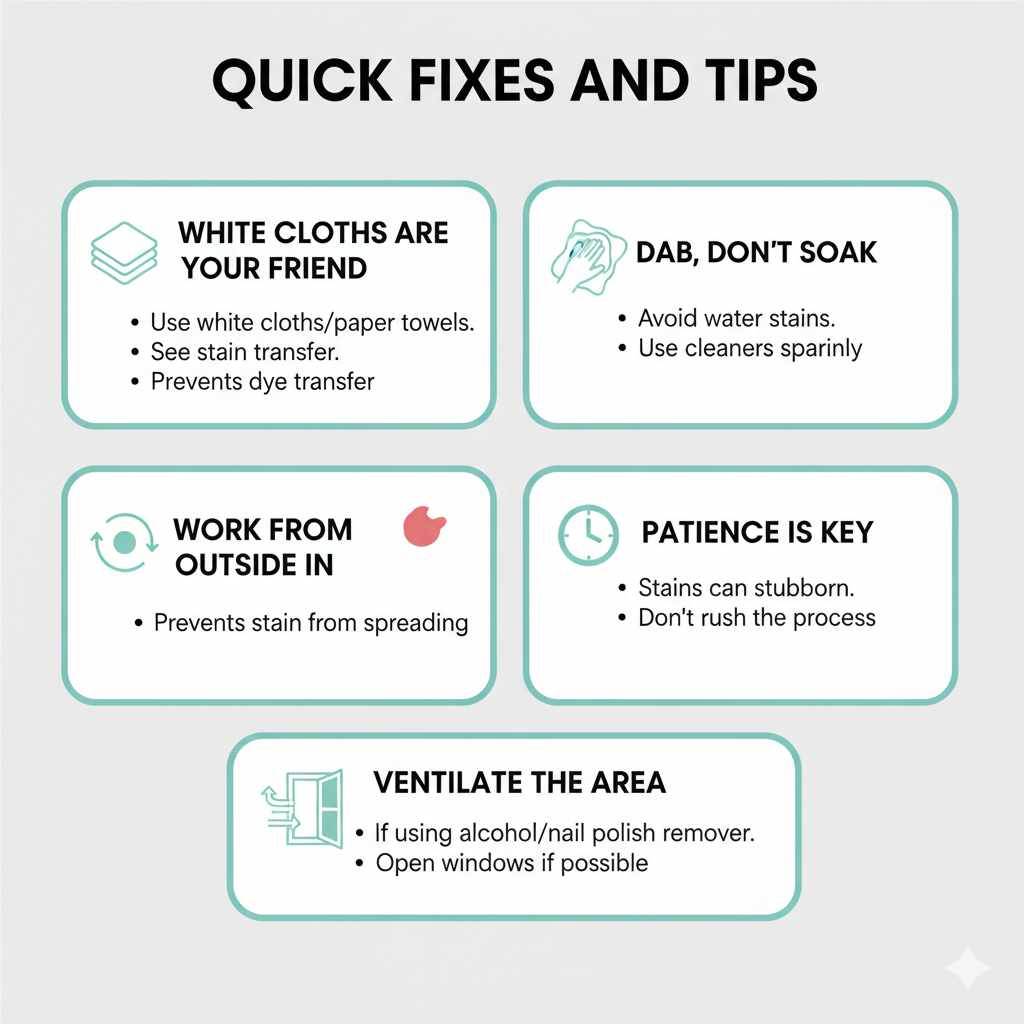
- White Cloths are Your Friend: Always use white cloths or paper towels when cleaning stains. This lets you see how much of the stain is transferring. It also prevents dye from the cloth from transferring to your sofa.
- Dab, Don’t Soak: Over-wetting fabric can lead to water stains or damage. Use cleaners sparingly.
- Work from Outside In: This is key to preventing stain spread.
- Patience is Key: Nail polish stains can be stubborn. Don’t rush the process.
- Ventilate the Area: If using rubbing alcohol or nail polish remover, make sure the room is well-ventilated. Open windows if possible.
Frequently Asked Questions
Can I use regular nail polish remover on my sofa?
It depends on the type of remover and your sofa fabric. Acetone nail polish remover is very strong and can damage many synthetic fabrics like polyester or rayon. It can even melt them.
Always try a non-acetone remover first. And absolutely test it on an inconspicuous area of your sofa before applying it to the stain.
What if the nail polish is dried onto the sofa?
Dried nail polish is tougher. You can try softening it first. Gently warm a small area with a hairdryer on a low setting.
Then, carefully try dabbing with rubbing alcohol. If that doesn’t work, you might need a specialized upholstery cleaner or professional help. Avoid scraping, as it can damage the fabric.
How do I know what fabric my sofa is made of?
Check the manufacturer’s tag. It’s usually on the underside of a cushion or on the sofa’s frame. It often has a cleaning code (like W, S, W/S, or X).
If you can’t find a tag, look for similar sofas online from the same brand. You can also describe the fabric’s look and feel to a professional cleaner.
Will rubbing alcohol damage my sofa’s color?
Rubbing alcohol can potentially lighten or discolor some fabrics. That’s why it’s extremely important to test it first on a hidden spot. Look for any color change or fading in the test area.
If the fabric stays the same color and texture, it’s likely safe to use on the stain.
My dog or cat walked in the wet nail polish. What now?
This is a tricky one. First, ensure the polish is fully removed from your pet’s paws using pet-safe methods (like mild soap and water, or pet wipes). Then, address the sofa stain as usual.
Be extra gentle and patient. If you used a cleaner that might be harmful to pets, wash your pet’s paws thoroughly and consult your vet.
Can I use hairspray to remove nail polish?
Some older advice suggests hairspray, but it’s generally not recommended for sofas. Hairspray often contains alcohol and other agents that can be sticky or damage upholstery fibers. It might also leave its own residue or scent.
Sticking to rubbing alcohol or a non-acetone remover is a safer and more effective choice.
Conclusion
Dealing with a nail polish spill on your sofa can be stressful. But with the right knowledge, you can often fix it. Remember to act fast.
Be gentle. Always test your cleaning solution. Knowing your fabric is key to success.
You’ve got this!
Products related to this article
Sponsored / affiliate links. As an Amazon Associate I earn from qualifying purchases. I may earn additional commission from eligible campaigns.