How To Drill Out A Door Lock: Proven Fix
Drilling out a door lock is a last resort when a key is lost or a lock is jammed beyond repair. This guide provides a step-by-step process using common tools, aiming for a clean, effective solution while preserving your door.
For another door or hardware repair, How to Install a Door Threshold on Concrete: 5 Steps gives readers a closely related troubleshooting step.
For a related kitchen decision, How To Change A Door Threshold: Repair adds another practical detail to check.
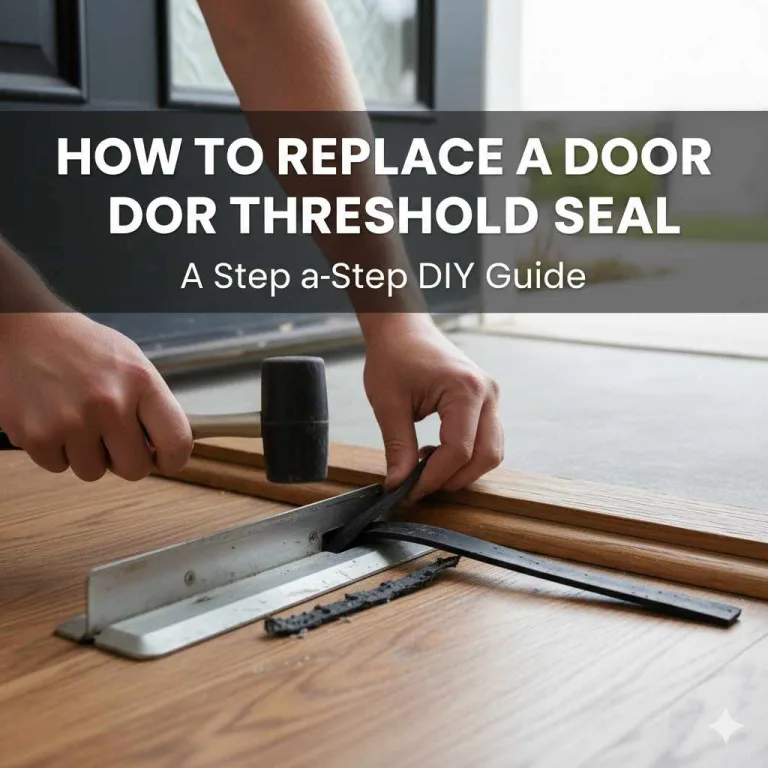
For a related kitchen decision, How to Replace a Door Threshold Seal adds another practical detail to check.
It can be incredibly frustrating when a door lock won’t budge, especially if you’ve lost the key or it’s simply jammed solid. Before you worry about calling an expensive locksmith or facing the hassle of replacing the entire door, there’s a DIY solution that can often get you back inside or allow you to replace the faulty hardware. Drilling out a door lock might sound intimidating, but with the right approach and a little patience, it’s a manageable task for most homeowners. This guide will walk you through the process, making it less daunting and more achievable.
Understanding When You Might Need To Drill Out A Lock
There are several common scenarios that lead to needing to drill out a lock. Knowing these can help you assess if this method is your best bet:
- Lost Keys: The most frequent reason. If you’ve misplaced your only key and can’t find it, drilling can be a quick way to gain access.
- Jammed or Broken Lock Mechanism: Sometimes, the internal pins or tumblers seize up, preventing the key from turning. If lubrication and gentle persuasion don’t work, drilling becomes an option.
- Damaged Key: A bent or broken key that’s stuck deep inside the cylinder can render the lock useless.
- Security Concerns: In rare cases, if you suspect a lock has been compromised or you need to urgently secure a property with a faulty lock, drilling might be a temporary fix.
It’s important to remember that drilling out a lock is a destructive process. The lock cylinder will be irreparably damaged, meaning you’ll need to replace it afterward. However, it’s usually much more cost-effective and less disruptive than replacing the entire door. Our goal here is to make this process as smooth and straightforward as possible, so you can tackle it with confidence.

Preparing For The Task: Tools and Safety First!
Before you begin drilling, gathering the right tools and prioritizing safety is crucial. This will ensure the job is done efficiently and safely, minimizing any potential damage to your door or yourself.
Essential Tools You’ll Need:
- Power Drill: A cordless or corded drill with variable speed is ideal.
- Drill Bits: You’ll need a set of drill bits, starting with smaller ones and progressing to larger sizes. Titanium-coated bits are excellent for metal. Common sizes needed are 1/8 inch, 3/16 inch, 1/4 inch, and 3/8 inch.
- Safety Glasses: Absolutely non-negotiable to protect your eyes from metal shavings.
- Gloves: Work gloves will protect your hands from sharp edges.
- Center Punch: To make a starting point for your drill bit, preventing it from wandering.
- Hammer: To strike the center punch.
- Adjustable Wrench or Pliers: For removing the lock cylinder after drilling.
- Screwdriver: Likely a Phillips head, to remove any cover plates if necessary.
- Pen or Marker: For marking drill points.
- Access to Lubricant (Optional but Recommended): WD-40 or a similar penetrating oil can help free up stubborn parts before drilling and clean up afterward.
Safety Precautions: What You MUST Know
Safety is paramount when working with power tools and metal. Please adhere to these critical safety guidelines:
- Always wear safety glasses: Metal shavings can fly with significant force.
- Wear gloves: Protect your hands from sharp metal edges.
- Work in a well-lit area: Good visibility is key to accuracy and safety.
- Secure your workspace: Ensure the door is stable and you have a clear area to work.
- Read your drill’s manual: Familiarize yourself with its operation and safety features.
- Keep flammable materials away: Some lubricants can be flammable.
- Dispose of metal shavings responsibly: They can be sharp.
Step-by-Step Guide: How To Drill Out A Door Lock
Now that you’re prepared, let’s get to the actual process. This guide focuses on drilling out a standard pin-tumbler lock, the most common type found on residential doors. We’ll aim to drill through the shear line, which is where the pins meet the cylinder, effectively disabling the lock.
Step 1: Identify the Shearing Line
The shearing line is the critical point that, when drilled, separates the upper and lower parts of the lock cylinder, allowing it to turn freely. On most locks, this is located just above the keyhole, in line with where the cylinder would rotate. You’re looking for the point where the pins (that the key lifts) are housed.
Imagine the keyhole as a pathway for the key. When the correct key is inserted, it lifts the pins to a specific height, allowing the cylinder to spin. The shearing line is precisely the barrier that prevents spinning when the pins aren’t at the right height. Our goal is to destroy this barrier by drilling it out.
Step 2: Mark Your Drilling Point
Using your center punch and hammer, create a small indentation on the face of the lock cylinder, directly above the keyhole. This indentation should be aligned with the center of the keyway. This mark serves as a guide for your drill bit, preventing it from slipping. Aim for the spot that seems to be the widest part of the inner cylinder directly above the key slot.
For most deadbolts and doorknobs, this point is typically about half an inch to an inch above the keyhole. If you’re unsure, a quick search for a diagram of a pin-tumbler lock can help visualize the internal components. For example, resources like the Popular Mechanics guide to locks can offer visual aids on lock anatomy.
Step 3: Start Drilling with a Small Bit
Insert a small drill bit (around 1/8 inch or 3mm) into your drill. Place the tip of the drill bit directly into the center punch mark you made. Begin drilling at a slow to medium speed, applying steady, even pressure. You should feel the drill bit start to bite into the metal.
As you drill, keep the drill straight and perpendicular to the face of the lock. You’ll be drilling through the front of the lock cylinder, aiming to penetrate the area where the pins are housed. Don’t force the drill; let the bit do the work. Listen to the sound of the drill; a change in sound can indicate you’ve hit a harder component or broken through a section.
Step 4: Gradually Increase Drill Bit Size
Once you’ve drilled a reasonable depth with the small bit, or if you encounter resistance, stop and switch to a slightly larger drill bit (e.g., 3/16 inch or about 5mm). Continue drilling in the same spot. The goal is to widen the hole and destroy the pins and springs within the cylinder. You might hear clicking or grinding sounds as you break through these components.
Repeat this process, increasing the drill bit size incrementally. Here’s a suggested progression: 1/8 inch -> 3/16 inch -> 1/4 inch (about 6mm) -> 3/8 inch (about 10mm). The exact size needed can vary depending on the lock’s construction. A larger hole (around 3/8 inch) is usually sufficient to destroy the shear line and the pins located there. For example, for many common Kwikset or Schlage locks, drilling out the sheer line with a 3/8 inch bit after starting smaller is an effective method.
Table: Recommended Drill Bit Progression
| Initial Bit Size | Intermediate Bit Size(s) | Final Bit Size (Typical) |
|---|---|---|
| 1/8 inch (3mm) | 3/16 inch (5mm) | 3/8 inch (10mm) |
| Purpose: Create pilot hole | Purpose: Start breaking pins/springs | Purpose: Destroy shear line & pins |
Step 5: Test the Lock Mechanism
After drilling with your largest bit (usually 3/8 inch or slightly larger if needed for stubborn locks), you should have created a hole that destroyed the shear line. You might find loose pins and springs falling out. At this point, try to use a screwdriver to turn the cylinder. Insert the screwdriver into the keyway (where the key would normally go) and gently attempt to rotate it.
If the lock turns freely, you’ve successfully drilled it out. If it’s still stuck, you may need to drill further or with a slightly larger bit. Don’t be afraid to apply a bit more pressure here, but always be mindful of the door’s material. You’re aiming to drill into the cylinder, not through the entire door assembly.
Step 6: Remove the Lock Cylinder
Once the lock cylinder is free to rotate, you can typically remove the entire lock assembly. For doorknobs, this usually involves removing a small set screw on the side of the knob or a cover plate on the interior side. For deadbolts, you’ll often need to remove the exterior trim plate and then unscrew the bolts that hold the lock mechanism to the door.
Once the main securing screws are out, the lock cylinder should slide out. Sometimes, residual pins or pieces can make it a little stiff. You might need to wiggle it or use your screwdriver again to help dislodge it. If you’re removing a whole deadbolt assembly, you’ll likely find screws on the edge of the door for the latch mechanism as well.
Step 7: Clean Up and Install a New Lock
After the old lock cylinder is out, clean up the area. Remove any metal shavings or debris. You’ll then need to install a new lock. This is a good opportunity to choose a new lock that better suits your style! You can find a wide variety of affordable and attractive new locks at most hardware stores. The process of installing a new lock is generally straightforward and most come with detailed instructions. Many modern locks, like those from Kwikset, have user-friendly installation guides available online for easy reference.
Tip: When buying a new lock, consider door thickness. Most standard locks fit doors between 1 3/8 inches and 1 3/4 inches thick, but it’s always good to check.
Tips for a Smoother Drilling Experience
Even with a step-by-step guide, a few extra tips can make the process of drilling out a lock even easier and more successful:
- Go Slow and Steady: Patience is key. Rushing can lead to mistakes, like drill bit slippage or damaging the door.
- Use Cutting Fluid (Optional but Beneficial): For very tough locks, a small amount of cutting fluid applied to the drill bit can help it cut through metal more easily and extend the life of your bits. However, for most residential locks, it’s not strictly necessary.
- Keep the Drill Straight: Ensure your drill is perpendicular to the lock face. Angled drilling can make it harder to penetrate and might damage the surrounding door hardware.
- Empty Shavings Periodically: As you drill, metal shavings will accumulate. Stop occasionally to clear them out of the hole and off your drill bit. This prevents clogging and allows you to see your progress better.
- If You Get Stuck: If you find yourself struggling or feel you’re not making progress, don’t hesitate to take a break. Reassessing the situation with fresh eyes can help. Sometimes, a slightly different angle or a new drill bit can make all the difference.
- Consider the Lock Type: This guide is for standard pin-tumbler locks. High-security locks or older, unique mechanisms might require different approaches or professional assistance.

Frequently Asked Questions (FAQ)
Q1: Will drilling out the lock damage my door?
Drilling out the lock itself will not damage the door. The drilling is confined to the lock cylinder. However, care must be taken to keep the drill bit straight and avoid drilling too deeply, which could affect the door’s internal structure or the surrounding frame. If you perform the steps carefully, the door should remain unharmed.
Q2: How long does it typically take to drill out a door lock?
For a beginner with the right tools and a standard residential lock, the process can take anywhere from 15 minutes to an hour. This includes preparation, drilling, and initial cleanup. More complex or high-security locks could take longer, or may not be drillable with standard tools.
Q3: Can I use a hand drill instead of a power drill?
While technically possible, using a hand drill would be extremely challenging and time-consuming, as drilling through metal requires significant and consistent force. A power drill is highly recommended for this task to ensure efficient and effective removal of the lock cylinder.
Q4: What if I drill into the wrong spot?
If you drill into the wrong spot, take a moment to reassess. You might have missed the essential shear line. Mark a new spot slightly higher or lower, ensuring it’s still aligned with the central axis of the keyway. Be careful not to drill so far off that you damage the plating of the lock or your door.
Q5: Do I need to replace the entire lock, or just the cylinder?
When you drill out a lock cylinder, the cylinder is destroyed and must be replaced. In most cases, the rest of the lock hardware (like the bolt mechanism, strike plate, and exterior trim) can be reused if it’s in good working condition. You can often purchase just a replacement cylinder for your existing lock, or a complete new lockset if preferred.
Q6: Is it better to drill or pick the lock?
Picking a lock is a non-destructive method that aims to open the lock without damaging it. Drilling is a destructive method used when picking fails, access is impossible, or the lock is severely damaged. If your goal is to salvage the lock, picking is preferable. If you simply need to open the door and replace the lock, drilling is often faster and more direct, especially for beginners.
Q7: Where can I find professional help if I’m not comfortable drilling?
If you’re uncomfortable performing this DIY task, the best professional help is a licensed locksmith. They have the tools and expertise to open your door, often without damaging the lock or door. You can find local locksmiths through online searches, business directories, or by asking for recommendations from friends or neighbors. For more information on locksmith services, you can refer to resources like the DIYLife’s guide on when to call a locksmith, which can help you understand their role.
Conclusion: A New Beginning for Your Door
Dealing with a stubborn or lost-key lock situation can be stressful, but as you’ve seen, drilling out a door lock is a practical and achievable DIY fix. By carefully following these steps and prioritizing safety, you can successfully bypass the faulty lock and regain access to your home. Remember that this process will require you to replace the lock cylinder, but this also presents a wonderful opportunity to update your door hardware with a fresh, stylish new look that better suits your home’s decor. You’ve got this! Now, go ahead and get that new lock installed, and enjoy the peace of mind that comes with a secure and functional door once more.
Products related to this article
Sponsored / affiliate links. As an Amazon Associate I earn from qualifying purchases. I may earn additional commission from eligible campaigns.