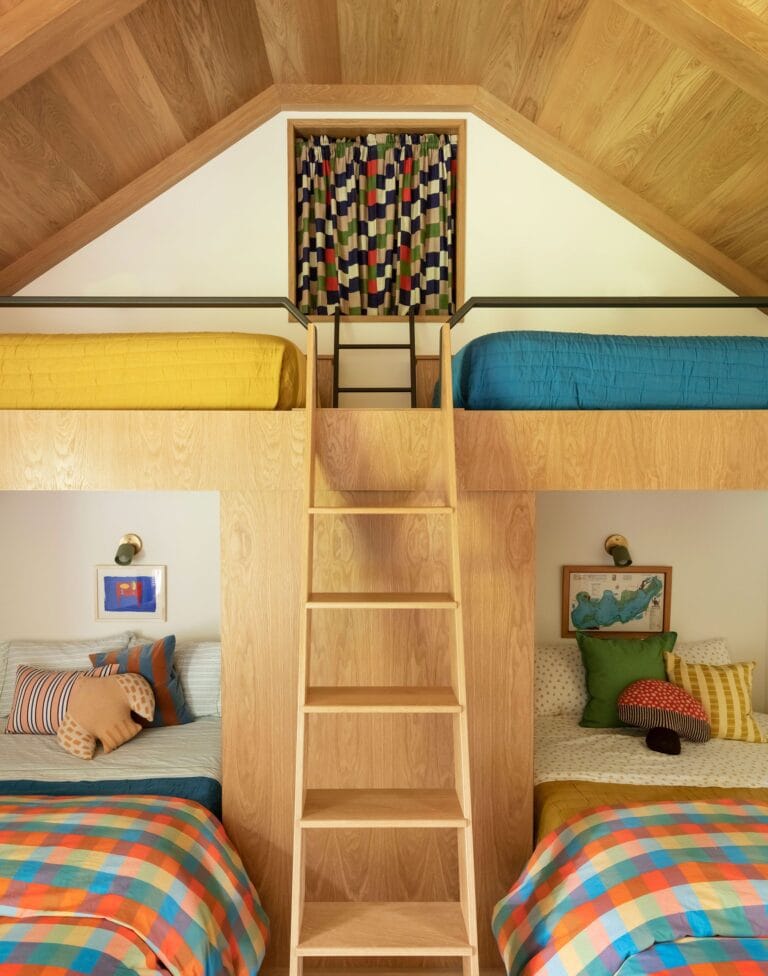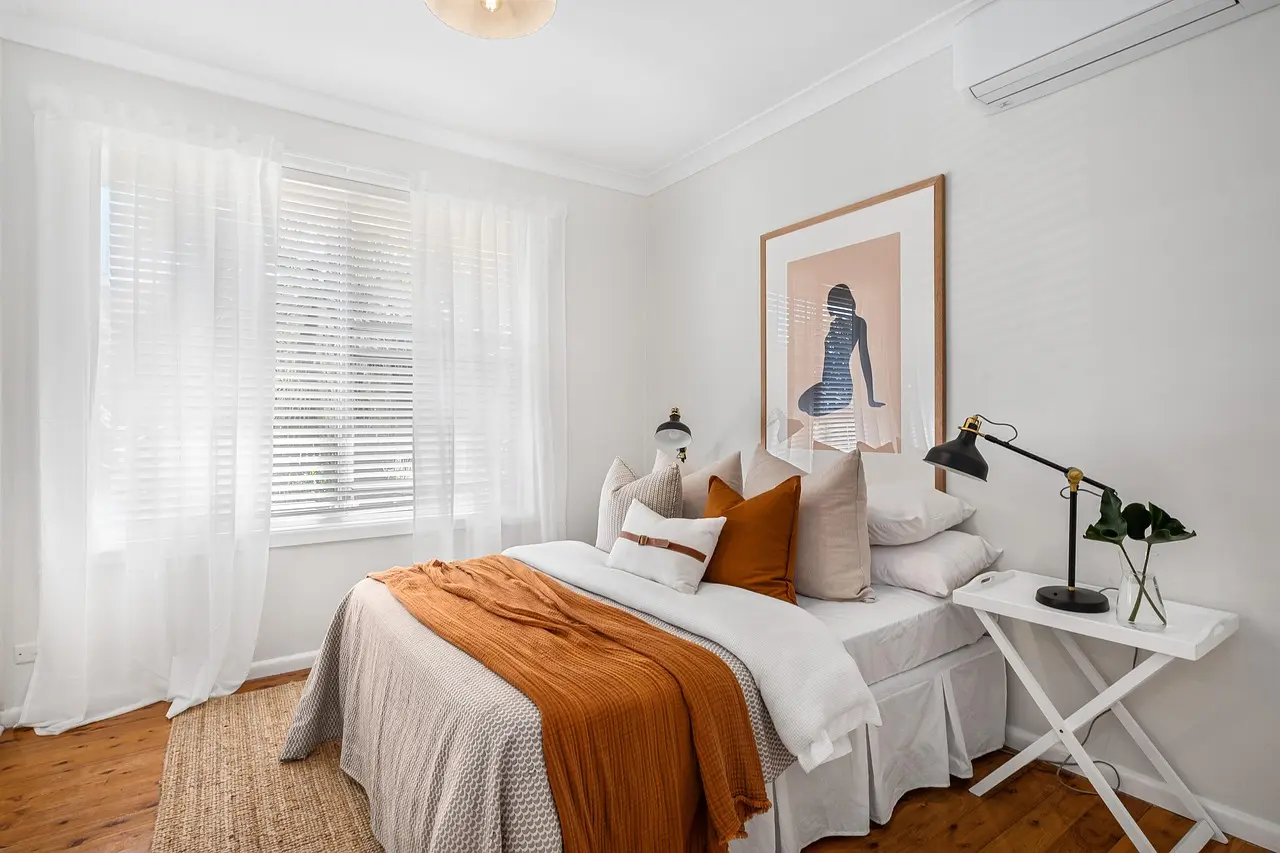
Modern Bedroom vs Contemporary Bedroom: Key Differences
Choose modern bedroom style if your room has clean, fixed lines and you want a calmer, warmer, more permanent look; choose contemporary if you like changing pieces and current finishes; choose a hybrid when you want both structure and flexibility. Get that choice wrong, and the room can read cold, dated, or out of place. This guide compares modern and contemporary bedrooms by architecture, furniture lines, lighting needs, and the warmth level that fits your home.
Modern bedroom vs contemporary bedroom: the core trade-off
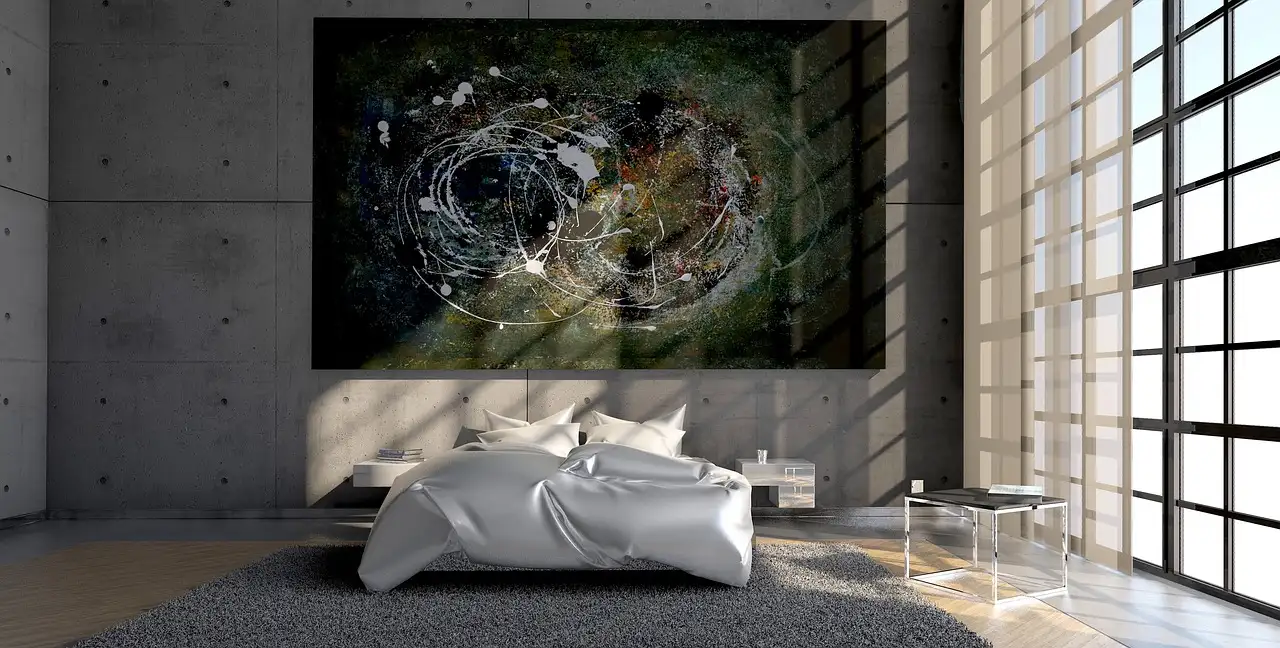
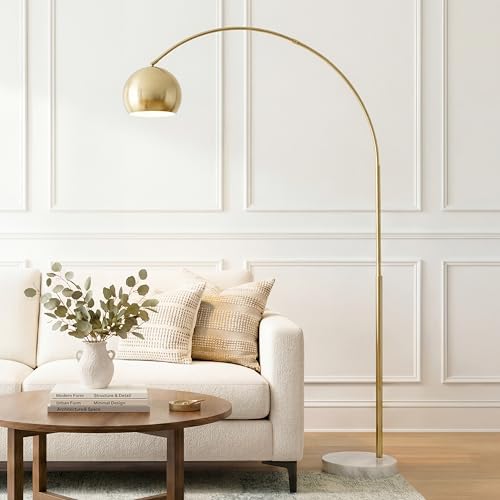
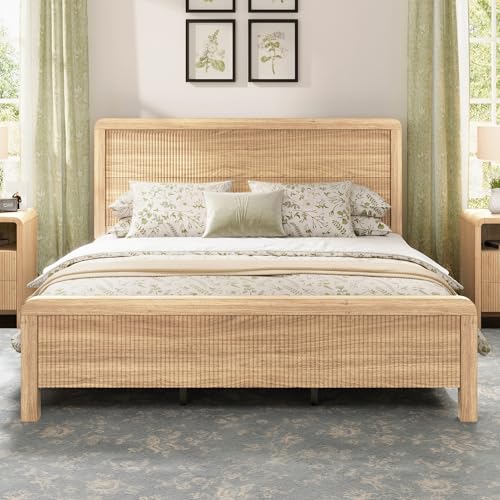
| Decision factor | Modern Bedroom | Contemporary Bedroom | Winner |
|---|---|---|---|
| Style identity | Fixed historical style with mid-century roots | Current and evolving rather than tied to one period | Contemporary Bedroom |
| Color direction | Earthy, brown, monochromatic, and neutral tones | Gray, white, and black as the main base | Tie |
| Furniture shape | Clean lines, straight geometry, furniture that sits light on the floor | More curves, fluid forms, and mixed silhouettes | Depends on room shape |
| Materials | Linen, teak, leather, and wood | Cedar or fir and stone, with a wider mix of current finishes | Tie |
| Lighting feel | Low, atmospheric, with small wall lights and layered lighting | Comfort-first lighting that can mix task and ambient layers | Tie |
| Best fit | Rooms that already have clean structure and warmer neutrals | Rooms that need flexibility, softness, and a current mix | Depends on use case |
Style identity
Modern bedroom design points back to a specific period. Contemporary bedroom design shifts with current taste, so its look changes more often and can take on more influences without losing its place.
That difference matters before any purchase. If the room already has a clear structure, modern reads naturally; if the room needs freedom to change over time, contemporary gives more room to move.
Color direction
Modern bedrooms usually work from earthy, brown, monochromatic, and neutral tones. Contemporary bedrooms often lean on neutral tones, then add contrast through finish and shape.
Both can stay calm. I have seen both fail when the contrast level is wrong for the room: too much black-white-gray can feel hard, while too many warm tones in a modern room can make the space feel loose and less defined.
Furniture shape
Modern furniture reads through straight lines, exposed legs, and simple placement. Contemporary furniture uses curves more often, and the silhouette can feel softer, more sculptural, or more varied from piece to piece.
That is where many rooms go off track. A modern room with bulky, low-slung pieces can look dated, while a contemporary room with heavy, blocky furniture can feel flat and over-anchored.
Materials and lighting
Modern design commonly uses linen, teak, leather, and wood finishes. Contemporary design often brings in natural materials like wood and stone, then mixes in current materials and surface contrasts.
Lighting pushes both styles toward or away from comfort. Low, atmospheric lighting works well in modern rooms, while contemporary rooms usually need layered lighting so the room feels balanced instead of harsh or over-lit.
📊 Modern bedroom designs are described as starting in the 1920s. Source: Modern versus contemporary bedroom designs – e-architect.
What is the difference between a modern bedroom and a contemporary bedroom?
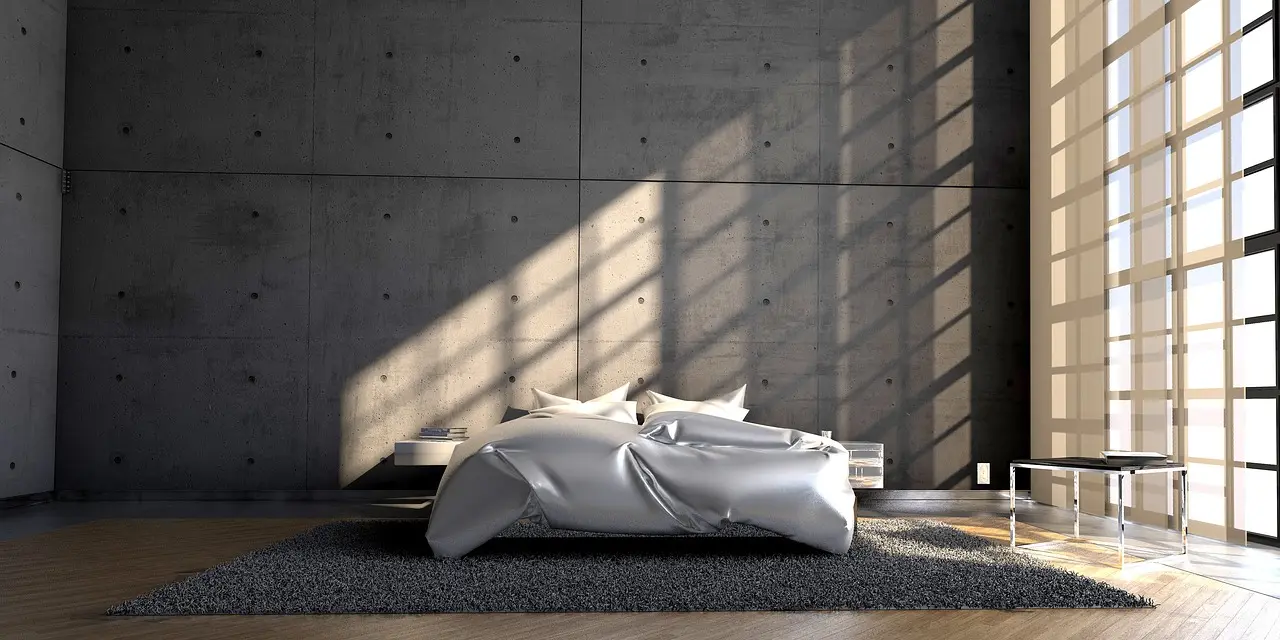
A modern bedroom follows a defined historical style with mid-century roots, while a contemporary bedroom reflects what feels current now. Modern is more fixed in its geometry and material palette; contemporary is more flexible and can change as tastes shift.
Modern bedroom style: mid-century roots and cleaner geometry
Modern bedroom design is described as starting in the 1920s and spanning to the 1950s in the source material. Its clean lines, earthy neutrals, and natural wood surfaces are what make it read as modern rather than merely simple.
Furniture tends to sit light on the floor, often with exposed legs and minimal ornamentation. That lighter stance matters in bedrooms because it keeps the room airy without forcing the walls or ceiling to do all the visual work.
Contemporary bedroom style: current, mixed, and comfort-led
Contemporary bedroom design is not tied to one historical period. It pulls from current preferences, often using gray, white, and black, with more curves and a wider range of global influences.
The best contemporary rooms feel comfortable and balanced. They can borrow from modern, organic, or sculptural ideas, but the room still needs one clear direction or it turns into an unfocused mix.
How to separate architecture from decor choices
Architecture sets the frame. Furniture, lighting, finishes, and accessories set the style reading inside that frame.
A bedroom with plain walls and standard trim can still read modern or contemporary through the bed, nightstands, lamps, and textiles. A room does not need a full remodel to change style, but it does need the right signals in the right places.

Compare the look: color palette, furniture, materials, and light

Color palette: earth tones versus gray, white, and black
Modern bedrooms usually feel grounded through earth tones and neutrals. Those colors work best when the room needs softness, warmth, and visual rest.
Contemporary bedrooms often start with gray, white, and black. That palette can look sharp and current, but if the surface mix is too flat, the room may feel cool or severe.
Furniture silhouette: straight lines, exposed legs, and curves
Modern furniture usually favors straight lines, clean geometry, and simple placement. Exposed legs help the room breathe because they keep the floor visually open.
Contemporary furniture can be more curved or expressive. A curved headboard, rounded chair, or sculpted bench can make the room feel current without needing a loud color scheme.
Materials and finishes: linen, teak, leather, wood, stone, cedar, fir
Modern rooms read well with linen, teak, leather, and wood finishes because those materials bring texture without noise. They also support the warm, grounded mood modern bedrooms are known for.
Contemporary rooms often mix cedar or fir with stone and other current finishes. The trick is balance: too many smooth hard surfaces can make the room feel cold, especially under bright light.
Bedroom lighting: layered light, reading light, and avoiding harsh overheads
Layered lighting matters more than style labels. A bedroom needs ambient light, reading light, and enough softness that the room still feels restful at night.
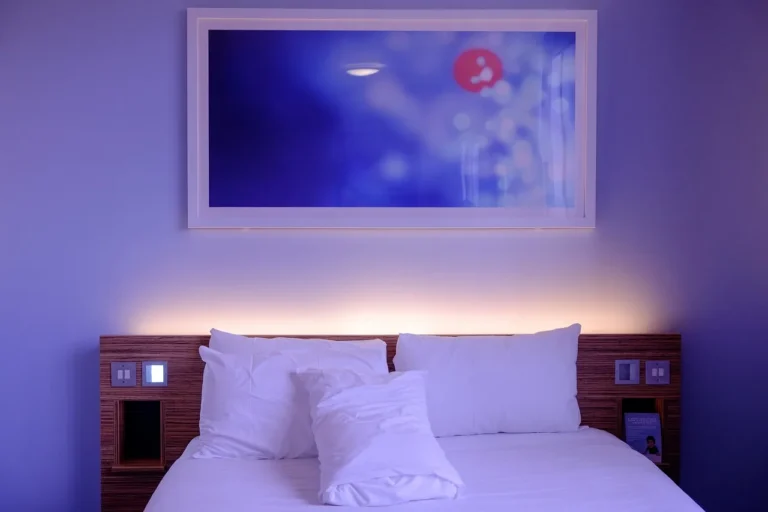
Homes & Gardens notes that very modern designs can feel stark and clinical, and recommends texture, wood, and layered lighting for warmth. It also notes that modern bedrooms can use small wall lights next to the bed, which is often a better choice than a single harsh overhead fixture.
How do you make either style feel warmer?
Warmth comes from texture, surface variety, and lighting control more than from adding more objects. A modern bedroom gets warmer when hard lines are softened by linen, wood, leather, and lower light levels; a contemporary room gets warmer when the gray-white-black base is offset with grounded textures and less glare.
Warm modern bedroom moves without losing the clean profile
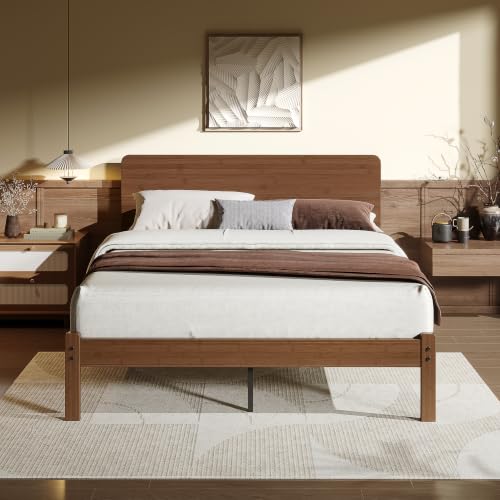
Use natural wood, teak, or cedar in a bed frame, nightstand, or bench. Add linen bedding, one leather accent, and a lamp or wall light with a softer bulb tone so the room keeps its clean shape but loses the showroom feel.
Avoid crowding the room with decorative extras. A modern bedroom turns dated when the lines are good but the surfaces are flat and the lighting is too bright.
Warm contemporary bedroom moves without making it busy
Keep the main palette restrained, then add one or two tactile materials that break up the cool base. Stone can stay, but it needs partners: wood grain, woven fabric, or a textile with visible texture.
Curves also help. A rounded mirror, curved chair, or soft-edged lamp can warm the room without adding visual clutter.
Small changes that matter more than a full remodel
Switching overhead light for layered bedside lighting changes the mood fast. So does replacing slick surfaces with linen, wood, or leather in places the eye touches first.
Bedrooms are small enough that one wrong finish can dominate. Fix the lighting first, then the bed and nightstands, then the textiles.
Use the comparison checklist to decide your style
| Style cue | Modern signal | Contemporary signal | Best-use case | Hybrid-safe |
|---|---|---|---|---|
| Wall and ceiling shape | Straight, plain, and visually calm | Can support bolder forms or asymmetry | Modern for rooms with simple architecture | Use a modern base and add one curved piece |
| Bed frame | Low profile, clean rails, exposed legs | Curved or sculptural headboard, mixed forms | Modern for a light, airy feel | Choose a simple frame with a rounded headboard |
| Nightstands | Plain fronts, wood grain, little ornament | Mixed material, rounded edges, current finish | Contemporary if storage and softness matter | Keep the shape simple and soften the top styling |
| Palette | Earth tones and neutral browns | Gray, white, and black with contrast | Modern for warmth; contemporary for crisp contrast | Use a neutral base with one darker anchor |
| Lighting | Wall lights, table lamps, low ambient glow | Layered light with comfort and balance | Both, if overhead glare is reduced | Mix bedside lamps with a soft ceiling source |
| Finish feel | Linen, teak, leather, wood | Stone, cedar, fir, mixed current finishes | Modern if the room needs warmth | Limit each material to one clear role |
- Look at the room’s structure first. Straight walls, plain trim, and simple windows usually support modern best.
- Check the furniture you already own. Exposed legs and straight lines point modern; curves and mixed forms point contemporary.
- Study the light. If the room gets strong daylight, modern can stay soft; if the room is dim, contemporary may need more layered light.
- Choose the base palette before buying extras. Earth tones steer modern, while gray, white, and black steer contemporary.
- Add only one hybrid bridge at a time. Use a curved chair, a teak nightstand, or linen bedding to connect the two looks.
Choose modern bedroom style if… / Choose contemporary bedroom style if…
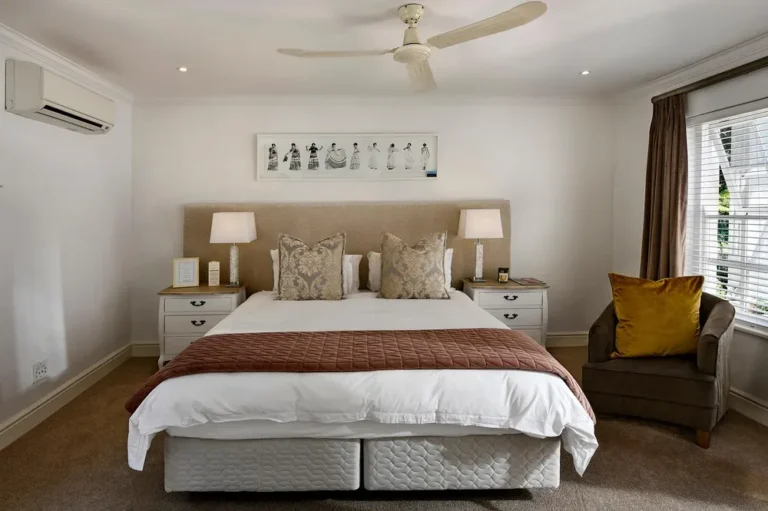
Choose modern bedroom style if your room already suits straight lines, exposed legs, and warmer neutrals. Choose contemporary bedroom style if you want current finishes, more curved forms, and a room that can change as your taste changes. Choose a hybrid if you want a soft modern base with one or two current accents.
Choose modern bedroom style if…
Choose modern if the room has clean architecture and you want it to feel settled, airy, and quietly warm. It also fits well when the furniture plan needs to stay simple and the material story can do the work.
Choose modern if you prefer a palette built from brown, neutral, and earthy tones. It is the safer choice when you want the room to feel finished without looking trendy.
Choose contemporary bedroom style if…
Choose contemporary if you like changing pieces over time and want room for current shapes and mixed influences. It works well when you want comfort first, but still want the room to feel current and visually active.
Choose contemporary if gray, white, and black already suit your home’s architecture. It is also the better choice when you want curves, balance, and a more flexible decorating path.
Choose a hybrid if…
Choose a hybrid when you want a modern base with contemporary softness. A wood bed, linen bedding, and a curved lamp can keep the room calm while still making it feel current.
Hybrid works best when the room needs both order and warmth. Keep the architecture and large furniture modern, then let one or two contemporary pieces shift the mood.
What are the similarities between modern and contemporary bedrooms?
Both styles favor simplicity, uncluttered rooms, and a calm bedroom mood. Both can feel comfortable when the lighting is layered and the surfaces are not overloaded with decoration.
The overlap is also why they get confused. A room can share clean lines, low clutter, and neutral color, yet still lean modern or contemporary depending on the furniture shape, palette temperature, and how current the finishes feel.
Frequently asked questions
What is the difference between a modern bedroom and a contemporary bedroom?
Modern bedroom style refers to a defined historical period with mid-century roots, while contemporary bedroom style reflects what is current now and can change over time. Modern usually feels more fixed in line, material, and palette; contemporary feels more flexible, current, and open to mixed influences.
Is modern bedroom style the same as contemporary bedroom style?
No. They overlap in simplicity and comfort, but they are not the same style. Modern is tied to a specific design period, while contemporary changes with present taste. That difference shows up most clearly in furniture shape, color choices, and the feel of the finishes.
Which colors work best in a modern bedroom?
Modern bedrooms work best with earthy, brown, monochromatic, and neutral tones. Those colors support the style’s cleaner geometry and natural materials. Small accents can work, but they should stay grounded so the room keeps its calm, warm, and structured feel.
What furniture details make a bedroom look contemporary?
Curves, softer edges, and more sculptural shapes make a bedroom read contemporary. Mixed materials, simpler but current silhouettes, and less rigid placement also help. A contemporary room usually feels more comfortable when the furniture looks current without becoming fussy or overdecorated.
Can you mix modern and contemporary bedroom elements?
Yes. The safest way is to keep one style dominant and use the other as support. Modern furniture with contemporary lighting works well, as does a contemporary bed with modern wood nightstands. The key is keeping line, color, and texture from competing for attention.
How do you make a modern or contemporary bedroom feel warmer?
Use layered lighting, natural wood, linen, leather, teak, cedar, fir, and one or two grounded textures. Warmth usually comes from material and light, not from adding more decor. Very bright overhead light is the fastest way to flatten both styles.
What are the similarities between modern and contemporary bedrooms?
Both styles value simplicity, calm, and uncluttered space. Both can feel comfortable when the room is not overloaded with accessories. The shared ground is useful, but the real difference comes from whether the room is rooted in a fixed period or shaped by current taste.
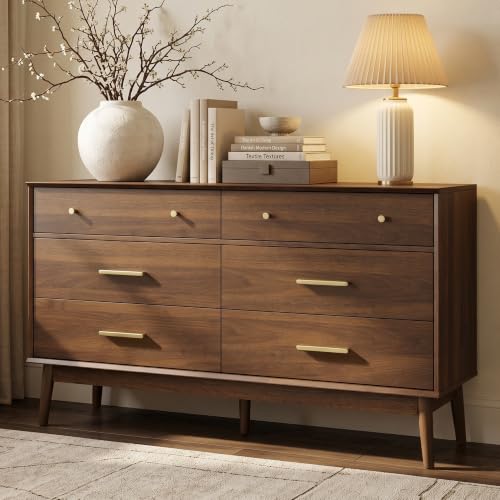
Products related to this article
Sponsored / affiliate links. As an Amazon Associate I earn from qualifying purchases. I may earn additional commission from eligible campaigns.