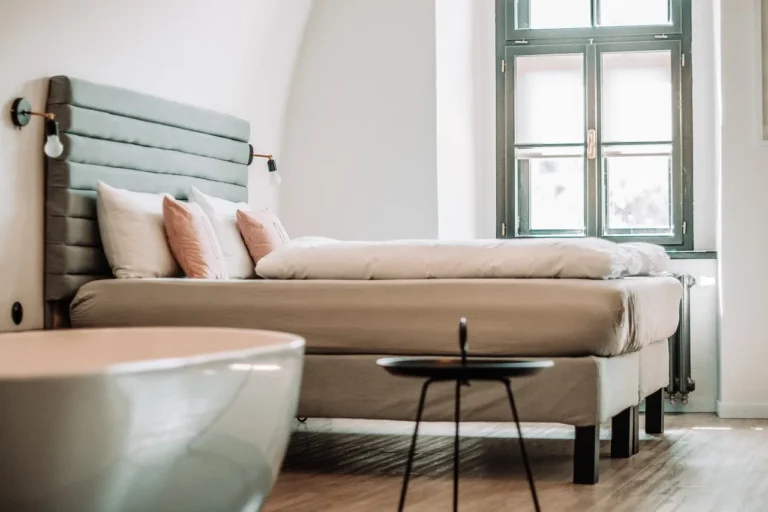
How to Add Winter Coziness to a Rental Without Permanent Changes
Start with one warm light source, then add two textile layers, block drafts, and finish with one scent or sound cue. That four-step order makes a rental feel cozier without permanent changes. Skip it, and rooms can feel dim, cluttered, or still drafty, which wastes money and space. This guide covers lease-safe lighting, textiles, temporary insulation, and small sensory swaps in the right order.
What makes a rental feel cozier in winter?


Winter coziness comes from two different effects. Some changes only look warm, like plush throws and warm-white bulbs. Others reduce cold air, hard-floor chill, and light leakage. The fastest wins usually come from blocking drafts, adding a larger rug, and swapping harsh overhead light for warmer lamps.
Visual warmth vs. actual thermal comfort
Visual warmth changes how the room reads. Actual thermal comfort changes what you feel at the window, floor, and door. A thick throw can make a sofa feel inviting, but it will not stop a draft. A draft stopper or thermal curtain can change comfort in a more direct way.
The rooms that change fastest
Living rooms and bedrooms usually respond first because they hold the most soft surfaces and the most time spent sitting or sleeping. Entryways matter too, because door gaps can let in cold air that spreads across the room. Windows and bare floors are the other common weak points.
The changes that feel temporary, not cluttered
Choose one larger rug, one pair of lined curtains, and two or three textiles rather than a lot of small pieces. Those bigger items read as intentional. Too many little objects can make a studio feel crowded and still fail to fix the cold spots.
A common first-timer mistake is buying several decorative pillows before dealing with a drafty window. The room may look fuller, but the cold edge by the sofa remains, and the extra pillows only add storage pressure.
Start with the biggest renter-safe wins
-
Block the obvious leaks. Put a draft stopper at the door bottom, and cover window gaps with temporary sealing products that do not leave residue where possible. This is the most direct way to cut the cold edge near entry points.
-
Cover hard floors. Place a larger rug under the seating area or bed so the room feels warmer underfoot and more visually grounded. Use a rug pad so the rug stays flat and does not bunch.
-
Swap the light quality. Move from harsh overhead light to table lamps or floor lamps with bulbs around 2700K to 3000K. Warm-white light softens shadows and makes the room feel calmer at night.
How do you warm up windows without damage?

Use a lined or insulated curtain panel that covers the full window height and width, then mount it on an existing rod or a tension rod to help block drafts and light. This helps block drafts and light without altering trim. Short panels, exposed gaps, and heavy hardware can leave the room feeling colder and unfinished.
Thermal curtain basics
Look for curtains labeled lined or insulated. Full-height coverage matters because a short panel leaves a strip of cold glass exposed, which can make the window feel draftier. For width, choose enough fabric to close fully without stretching flat across the frame.
Tension rods and existing rods
A tension rod works well when you need no-drill installation. Check the adjustable width range before buying so the rod fits the opening securely. Also check the weight limit, especially for heavier curtain panels, because an overloaded rod can slip or sag.
What to avoid with short panels and heavy hardware
Panels that stop above the sill often leave visible cold zones and can make the window look undersized. Heavy brackets, drilled anchors, and anything that alters trim are poor choices for a rental unless the lease clearly allows them. When in doubt, keep the setup removable.
-
Measure the opening first. Check window width, height, and the space available for a rod before buying anything. This prevents gaps at the sides or a curtain that stops too high above the floor or sill.
-
Choose full coverage panels. Select a pair of curtains that reaches the floor or close to it and closes fully in the center. Longer coverage helps block light, drafts, and the bare-glass look that makes a room feel colder.
-
Install without drilling. Use the existing rod or a tension rod rated for the curtain weight. Keep the hardware removable so the trim stays intact and the lease stays protected.
Winter coziness checklist
This checklist puts the fastest renter-safe upgrades first. The cost ranges are broad because product quality and size vary, but they are realistic for common retail options. Reversible risk means how likely the change is to leave marks, residue, or damage when removed.
| Room area | Temporary upgrade | Estimated cost range | Reversible risk level |
|---|---|---|---|
| Bedroom | Larger rug under the bed, warm-white bedside lamp, layered blanket and pillow covers | $35–$180 | Low |
| Living room | Rug under seating, lined curtains, table or floor lamps, throw blankets | $60–$300 | Low |
| Window | Thermal curtains on an existing rod or tension rod, full-height coverage | $25–$140 | Low |
| Floor | Removable rug pad, larger rug with a stable back, layered textiles near sitting zones | $25–$220 | Low |
| Entryway | Weighted or foam draft stopper at the door bottom, small mat, hook for outerwear | $15–$60 | Low |
| Rental size | First priority | Second priority | Third priority |
|---|---|---|---|
| Small | Drafts and window coverage | One larger rug | One lamp plus one throw |
| Medium | Rugs and lighting | Thermal curtains | Textiles for sofa and bed |
| Large | Entryway and window drafts | Multiple rugs in main zones | Layered lighting in living and bedroom areas |
How do you make a rental bedroom cozier for winter?

The bedroom usually needs softness, lower glare, and a warmer floor feel. Start with the bed, then the floor beside it, then the light you see when you wake up. If storage is tight, keep the number of layers low and choose items that swap out easily.
Layer the bed without overstuffing it
Use one blanket or duvet, one throw, and one or two pillow covers in winter textures such as chunky knit, fleece, sherpa, or a wool-like blend. These fabrics read as warmer than smooth cotton alone. Too many layers can make the bed hard to manage and the room look crowded.
Use rugs and side lighting for a softer wake-up zone
Put a rug where your feet land first. A larger size feels more comfortable underfoot and looks more intentional. Add a bedside lamp with a 2700K to 3000K bulb so the room may feel gentler than with a bright ceiling fixture.
Keep the room warm-looking when storage is limited
Choose one or two visible textiles instead of stacking many. A folded throw on the foot of the bed and a single textured cushion can be enough. In a small bedroom, open floor space matters as much as softness because visual crowding works against calm.
Picture a studio bedroom with a bed pushed into one corner and bare laminate flooring. A 5-by-8-foot rug under the lower half of the bed can soften the floor feel, while a warm bedside lamp and one sherpa throw do more for coziness than several small accent pieces.
What should you do in the living room first?
Begin where people sit most: the sofa, the main chair, and the window or door nearest them. The living room usually needs a mix of texture, lighting, and draft control. Ambient glow matters here because the room often switches from daytime utility to evening relaxation.
Place textiles where people sit most
Put throws over the sofa arm, add pillow covers in a winter texture, and use a larger rug under the front legs of the seating group if possible. This keeps the room from feeling bare without filling every surface. The goal is comfort, not pile-on decor.
Use lamps instead of overhead glare
One or two table lamps or a floor lamp often work better than a ceiling light alone. Look for bulbs in the 2700K to 3000K range. Dimmers or smart bulbs help you keep the room soft in the evening and brighter when you need task light.
Add ambient glow without open flame
Battery-operated candles are a renter-safe option for shelves, mantels, and tables. Timer or remote versions are useful because they add glow without open flame or wax residue. Keep them as accents, not the main light source.
Which cozy layers work best in small rentals?
Small rentals need layers that do more than decorate. Choose items that change the feel of hard surfaces and flat light without taking over storage. The best pieces are lightweight, easy to fold away, and sized to anchor a zone rather than fill every corner.
Throws, blankets, and pillow covers
Throws and pillow covers are the easiest seasonal swap. Chunky knit, fleece, sherpa, and wool-like textures read as warm and soften a room quickly. Use them on the sofa, bed, and one chair so the texture is spread through the room instead of stacked in one place.
Textures that read as warm without looking bulky
Choose matte, tactile surfaces over shiny or stiff ones. A wool-like throw or a cotton cover with a nubby weave can feel winter-ready without looking heavy. This matters in compact rooms, where large puffy pieces can overwhelm the layout.
How to avoid making a studio feel crowded
Limit the number of colors and keep the largest items neutral if the room is already dark. A dark studio can feel gloomy if every winter layer is heavy or low-contrast. Let one rug, one curtain set, and a few textiles do most of the work.
How can you add warmth without changing the lease?
Use only temporary solutions for floors, doors, windows, and lighting. That helps keep the apartment reversible and can reduce the risk of deposits being held back over residue, holes, or trim damage. A humidifier can help dry indoor air feel less sharp, but it is an optional comfort add-on rather than a core fix.
What reversible risk means in practice
Low-risk changes remove cleanly and leave the room as it was. That includes rugs with pads, curtains on existing rods, tension rods, battery candles, and movable lamps. Avoid anything that depends on permanent adhesive, nails, drilled holes, or altered trim.
When a humidifier is worth adding
A humidifier can make dry winter air feel less harsh, especially in heated rooms. It is portable and renter-friendly, but it does require cleaning and regular water refills. Use it only if dryness is a real problem, not as a substitute for draft control or insulation.
Suppose a one-bedroom apartment has cold air around the entry door and a bare living room wall. A draft stopper plus a lined curtain and a warm lamp will change the room more than three decorative accessories, because those items address airflow, light, and the hard-surface feel at once.
How do you warm up a rental apartment without drilling or painting?
Use removable pieces that touch the main cold spots first. Doors, windows, and floors are the usual targets. Then add textiles and warmer light so the room reads softer at night. That order gives you the biggest comfort gain for the least effort.
-
Measure the door width. Buy a draft stopper that matches the opening, or choose a foam version that can sit tightly at the bottom. A poor fit leaves air leakage and makes the product feel ineffective.
-
Cover the bare floor area. Place a rug where you stand or sit most often, and use a rug pad underneath if the floor is slippery. This helps the rug stay put and reduces the cold feel from hard flooring.
-
Switch to warm light. Replace a harsh overhead bulb with a warmer lamp setup or add dimming if the fixture allows it. Cooler, brighter light can make winter layers look flat instead of cozy.
-
Add one sensory cue. Use a battery-operated candle with a timer or a small sound cue such as soft music in the evening. Keep it subtle so it supports the room without adding clutter or flame risk.
Frequently asked questions
How can I make my rental feel cozy in winter without permanent changes?
Start with drafts, then floors, then lighting. A draft stopper, a larger rug with a pad, lined curtains, and warm-white lamps around 2700K to 3000K do more than small decor changes alone. Finish with throws and pillow covers so the room feels soft without looking stuffed.
What renter-friendly winter decor actually makes a room feel warmer?
Pieces that change light, surface feel, or air movement matter most. Thermal curtains, rugs, blanket layers, warm lamps, and battery-operated candles create warmth you can see and feel. Decorative objects alone may look seasonal, but they rarely change the room’s comfort level.
What are the best temporary ways to block drafts in a rental?
Use a door draft stopper first, then cover window gaps with removable, lease-safe products. A tension rod and thermal curtain can help at the window, while a foam or weighted stopper can reduce air leakage at the door bottom. Check fit before buying so gaps do not remain.
Can rugs, curtains, and blankets really make a home feel warmer?
Yes, but in different ways. Rugs cut the hard-floor chill, curtains can reduce drafts and light loss, and blankets make seating and sleeping areas feel softer. They do not replace heating, but they can make a room feel noticeably less cold and more comfortable.
How do I decorate for winter in a rental without losing my deposit?
Stick with reversible items: removable rugs, tension rods, existing curtain rods, lamp swaps, and battery-operated candles. Avoid drilling, nails, permanent adhesive, and anything that could damage trim or leave residue. Keep the layout clear so the room feels intentional rather than overloaded.
Products related to this article
Sponsored / affiliate links. As an Amazon Associate I earn from qualifying purchases. I may earn additional commission from eligible campaigns.