Bedroom Decor Cost: How Much to Budget for Each Room
A bedroom decor refresh usually costs about $1,500 to $4,000, a furnished update often runs about $5,000 to $12,000, and a full bedroom upgrade can exceed $30,000 when custom storage and installed lighting are included. Skip the budget map, and you can spend on low-impact pieces while the room still feels unfinished. This guide breaks down what to spend first, where bedroom costs jump, and how to plan by refresh, furnishing, or full decor upgrade.
Editor’s note: This budget guide was built from retail price sampling, delivery and install assumptions, and common U.S. labor-rate references collected in October 2026. Included costs cover the bed, bedding, curtains, rug, lighting, storage, labor, and a contingency buffer. Excluded costs include full structural remodeling, HVAC work, permits, and premium art collections. Real-world bedroom projects most often go over budget when buyers upgrade storage after the bed is chosen, add custom drapery late, or discover freight and electrical work after checkout.
Pricing methodology: Retail ranges below reflect sampled advertised prices from major bedding, furniture, lighting, and window-treatment retailers in October 2026, then adjusted for typical checkout additions such as shipping, assembly, and installation. Labor ranges reflect common U.S. metropolitan pricing for painters, electricians, and handymen reported by service marketplaces and contractor rate guides; regional labor can be materially lower in smaller markets and materially higher in high-cost coastal cities. When a project includes multiple vendors, the expected budget assumes one standard delivery charge per large item category, one lighting labor line if the fixture is hardwired, and a 10% contingency on the subtotal before tax.
How much does it cost to decorate a bedroom?
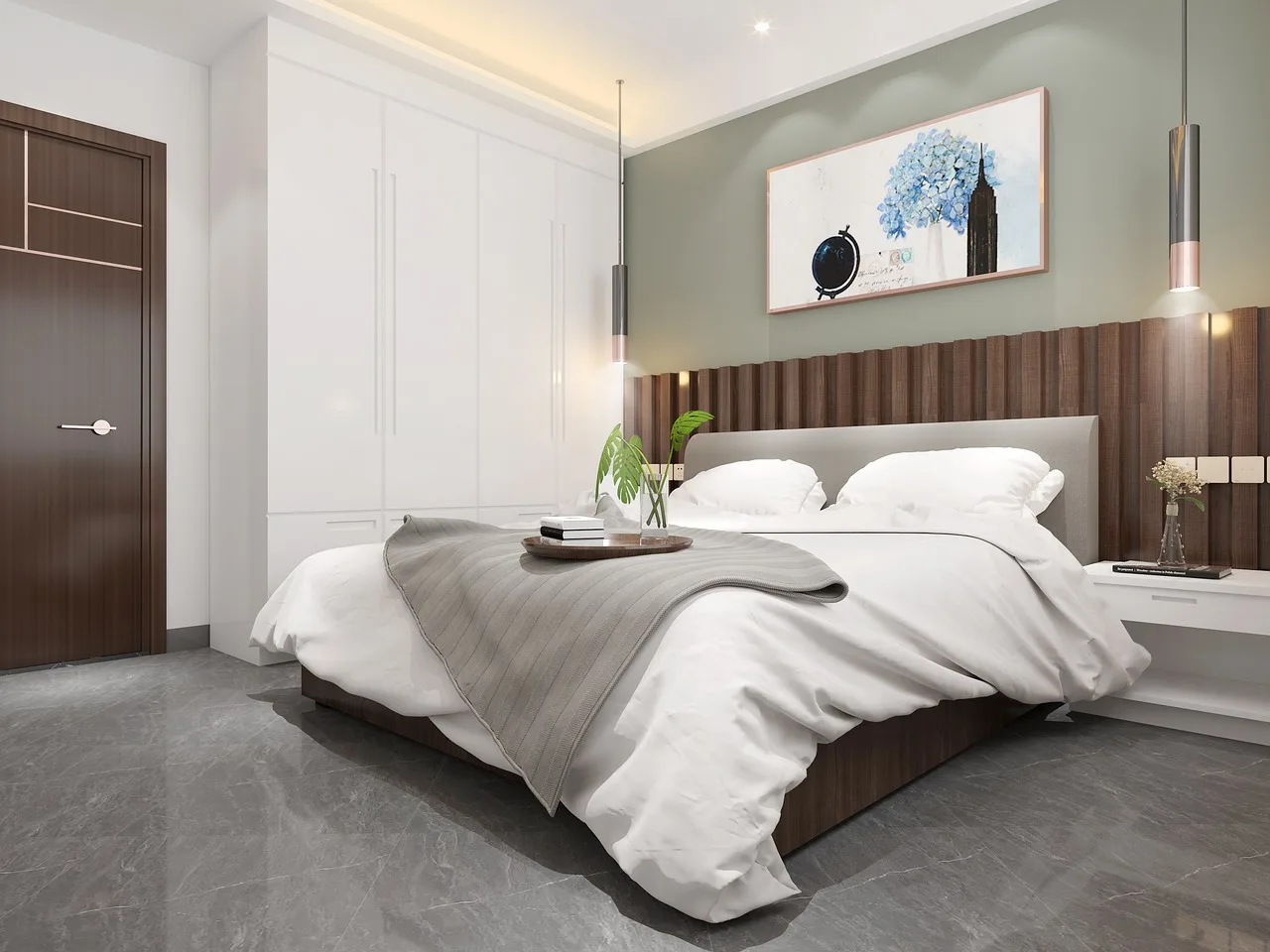


Bedroom cost depends on scope first, then room size, finish level, and labor. The biggest budget jumps usually come from custom storage, oversized beds, custom drapery, and installed lighting.
Ready-made pieces keep totals lower. Custom work raises the budget because you pay for design, materials, fabrication, delivery, and fitting, not just the item itself. In practical terms, the same room can stay near the low end with a reused mattress and off-the-shelf curtains, or move sharply higher once built-ins and electrical work are added.
Bedroom budget map
| Scope | Room size | Bed | Bedding | Curtains | Rug | Lighting | Storage | Labor | Contingency | Minimum budget | Expected budget | Stretch budget | Cost driver |
|---|---|---|---|---|---|---|---|---|---|---|---|---|---|
| Refresh | Small | $300–$700 | $150–$350 | $100–$300 | $100–$250 | $75–$250 | $0–$200 | $150–$400 | $150–$250 | $1,500 | $2,200 | $4,000 | Paint, bedding, one lighting swap, and a single window-treatment change |
| Refresh | Standard | $350–$800 | $175–$400 | $125–$350 | $150–$350 | $100–$300 | $0–$250 | $200–$500 | $175–$300 | $1,800 | $2,800 | $4,000 | More wall surface, larger rug, and higher labor for painting or fixture installs |
| Refresh | Primary | $450–$1,000 | $200–$500 | $150–$450 | $200–$500 | $125–$350 | $0–$300 | $250–$600 | $225–$350 | $2,500 | $3,500 | $4,000 | More square footage, larger window coverage, and higher textile spend |
| Furnish | Small | $900–$2,000 | $250–$600 | $150–$500 | $250–$700 | $150–$500 | $350–$1,000 | $400–$900 | $300–$700 | $5,000 | $7,000 | $12,000 | Bed frame, mattress, two nightstands, dresser, rug, and curtains |
| Furnish | Standard | $1,100–$2,500 | $300–$750 | $200–$700 | $350–$900 | $200–$650 | $450–$1,300 | $500–$1,100 | $400–$800 | $6,500 | $9,000 | $12,000 | Mid-range furniture, larger rug, and more delivery or assembly charges |
| Furnish | Primary | $1,500–$3,200 | $350–$900 | $250–$900 | $500–$1,200 | $250–$800 | $600–$1,800 | $700–$1,600 | $500–$1,100 | $8,000 | $10,500 | $12,000 | Larger bed, more storage, wider drapery, and stronger lighting package |
| Upgrade | Small | $1,800–$4,500 | $400–$1,000 | $800–$2,500 | $500–$1,500 | $500–$1,800 | $2,500–$6,000 | $2,000–$5,000 | $1,000–$2,700 | $12,000 | $16,000 | $30,000+ | Custom storage, wall finish upgrades, installed lighting, and upgraded soft goods |
| Upgrade | Standard | $2,000–$5,000 | $450–$1,200 | $1,000–$3,500 | $700–$2,000 | $700–$2,500 | $3,500–$8,500 | $2,500–$6,500 | $1,250–$2,800 | $15,000 | $22,000 | $30,000+ | Custom millwork, layered lighting, and premium window treatments |
| Upgrade | Primary | $2,500–$6,500 | $500–$1,500 | $1,500–$5,000 | $900–$2,500 | $900–$3,500 | $5,000–$12,000 | $3,000–$8,000 | $1,600–$3,000 | $18,000 | $26,000 | $30,000+ | Large-room fabric, storage, labor, and freight all scale up quickly |
The table is a planning map, not a fixed quote. A small room can still cost more than expected if the bed is oversized, the curtains are custom, or the storage is built in. A primary bedroom can stay closer to the lower end if you reuse the mattress, keep the walls painted, and choose ready-made pieces.
What should you spend first?
Start with the bed, lighting, and window treatments. Those three choices change the room’s scale, light, and visual weight before anything else does. Small decor items matter, but they should come after the larger pieces are set because they cannot fix a poor layout or an undersized rug.
Spend on the pieces you see first
The bed usually dominates the room, so mattress size and frame style should lead the plan. A queen mattress can range from $250 to $3,000+, which means the frame and headboard should fit the mattress budget instead of competing with it. A better bed also anchors the rest of the spending so the room feels intentional.
Lighting comes next because it affects how finished the room feels at night and during the day. A simple ceiling fixture swap may stay modest, while bedside sconces or recessed lighting add labor and may require an electrician. Window treatments should follow, because curtains or shades change the whole wall composition and often take up a larger share than small decor.
When to reuse what you already have
If the existing dresser, nightstands, or rug still fit the room, keep them and redirect money to the bed, lighting, or curtains. That is often the cheapest way to make the room feel intentional instead of half-done. Reusing sturdy furniture also gives you room to spend on one better item rather than several weak ones.
Picture a 10-by-12-foot bedroom with a decent dresser already in place. If you buy a new bed frame, update the curtains, and replace one old lamp, the room can look more complete than a full furniture swap with cheap accessories. Budget-first decisions matter more than buying everything at once.
Which bedroom items cost the most?

The biggest cost items are usually the bed, custom storage, drapery, and labor-heavy upgrades. Bed frames and upholstered headboards can climb fast, and custom wardrobes or built-ins often outrun the rest of the room. Rugs and lighting can also move from moderate to expensive once you choose larger sizes or installed fixtures.
Bed frames and upholstered headboards
Bed size changes the budget immediately. A larger frame needs more material, a larger headboard, and usually a bigger mattress. Upholstered headboards also add fabric, padding, and shipping risk because they are bulky and harder to move. The more tailored the look, the more likely you are to pay for freight and assembly too.
A common mistake is choosing a custom headboard and matching nightstands before setting a budget, which can quickly push bedroom decor costs higher than expected. A king can crowd nightstands, block curtain panels, and force you into smaller storage pieces that cost more per inch of function. Measure circulation before you buy.
Nightstands and dressers
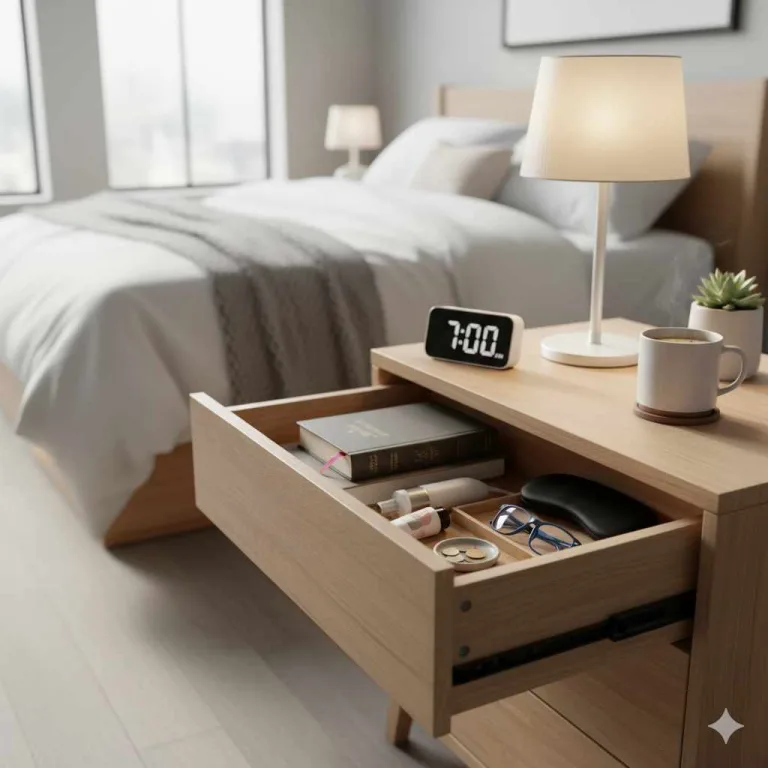
Ready-made nightstands usually cost far less than custom versions, especially when you only need a pair for one bed. Pair pricing is different from single-dresser pricing because the room needs balance, not just one useful item. Drawer count, soft-close hardware, and charging ports all add cost, and each upgrade raises the total without changing the footprint.
For dressers, the price rises with width, drawer depth, and finish quality. A simple three-drawer piece is cheaper than a wide dresser with six or more drawers, integrated cable pass-throughs, and matching hardware. If you need one charging drawer, expect the price to move upward even on a basic case piece.
Custom wardrobes and built-ins
Wardrobe pricing can range from $70 to $1,000+ per linear foot depending on whether you choose a freestanding armoire, a modular closet system, or a built-in run with panels, drawers, and internal fittings. Custom work also adds hardware, installation, and field measurement time, which is why the gap between entry-level and premium storage is so wide.
Built-ins cost more because every inch must be fit, finished, and installed to the room. Freestanding wardrobes stay cheaper and are easier to replace later. If you need flexibility, a modular system often sits between those two extremes, while still offering a more polished look than a basic dresser alone.
Curtains, rugs, and lighting
Curtains per window installed can run from $50 to $4,000. That range covers ready-made panels all the way to custom drapery, blackout lining, motorized operation, and specialist install work. Rugs can cost $100–$3,000+ depending on material and construction, and size has a major effect on the final total.
Lighting pricing depends on whether you are swapping a fixture or adding new points of light. A simple ceiling fixture replacement is far cheaper than recessed lights, and bedside sconces usually need more labor than a plug-in lamp. In bedrooms, lighting rarely looks expensive on paper until the electrician and trim work are added.
How much should you budget for storage and furniture?
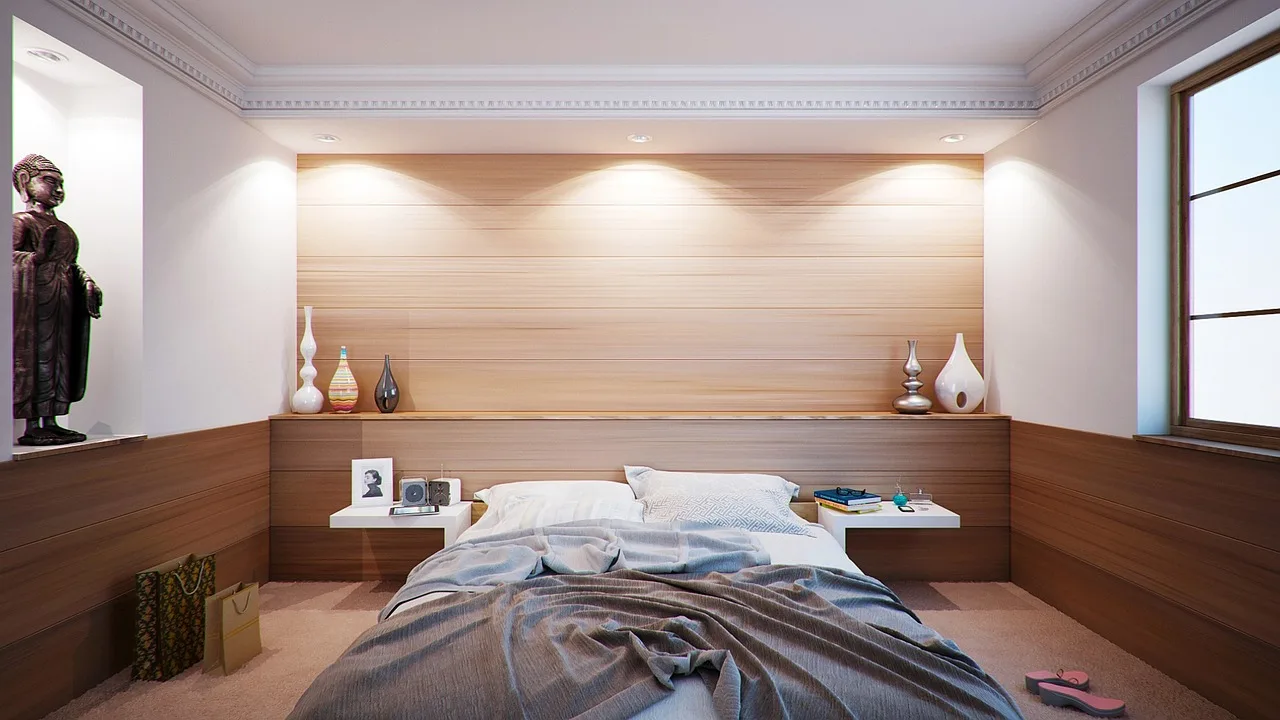
For furniture and storage, budget based on whether you are buying ready-made pieces or paying for custom fit. Ready-made items keep the project controllable. Custom wardrobes, built-ins, and upgraded drawer hardware can move the project into a higher tier quickly, especially in rooms with awkward corners or limited closet space.
Ready-made versus custom pricing
Ready-made furniture usually gives you the lowest entry cost, especially for beds, nightstands, and dressers. Custom pieces cost more because the maker has to fit the room, build the item to size, and often install it. The difference is most obvious in wardrobes and wall-mounted storage, where measurement and finish work change the labor equation.
For a standard bedroom, a ready-made bed, two nightstands, and one dresser can often fit inside a furnish-and-storage budget. A custom headboard wall with integrated lighting and drawers can push the same room into upgrade territory even before decor is added. If you are comparing quotes, ask whether delivery, assembly, and wall anchoring are included.
Nightstand and dresser planning
When you compare options, check three details: drawer count, charging features, and finish durability. More drawers usually means more cost. Charging ports or hidden outlets add both parts and assembly complexity, and better finishes tend to cost more because they reduce wear and visible damage.
For a pair of nightstands, plan for symmetry in both cost and size. One low-cost nightstand can look out of place next to an expensive bed, while a matching pair helps the room feel finished without adding much labor. Keep the pair within the same finish family if you want the room to read as deliberate.
Storage systems by room type
- Small bedroom: choose a narrow freestanding wardrobe before a built-in unless wall space is already committed.
- Standard bedroom: use a dresser plus one wardrobe or modular storage wall if closet space is short.
- Primary bedroom: budget more for deeper drawers, better hardware, and a storage plan that keeps circulation clear.
Freestanding systems usually save money and reduce installation time. Built-ins cost more but can use awkward corners, high ceilings, and odd wall widths better than standard furniture. When you need the most efficient use of space, custom fit is the expensive answer that prevents wasted square footage.
What hidden costs should you expect?
Hidden costs often come from freight, last-mile delivery, assembly, installation, and disposal. These items are easy to miss during planning because they are not part of the furniture sticker price. Labor for paint, lighting, and window treatments can also add a meaningful share to the total, especially when a project spans more than one trade.
Delivery, freight, and assembly
Large items such as beds, mattresses, wardrobes, and rugs may need freight service or special last-mile delivery. That cost rises with weight, size, stairs, and room access. Assembly is another separate line item, especially for flat-pack wardrobes, storage beds, and large case goods. Always confirm whether “delivery” includes carry-in and room-of-choice placement.
Suppose a primary bedroom includes a storage bed, two nightstands, a dresser, and a large rug. The shipping total can be modest on paper for each item, then jump after freight, carry-in service, and assembly are added at checkout. If a retailer only quotes curbside freight, the real total can be meaningfully higher.
Installation, labor, and disposal
Painting, wallpaper hanging, built-in mounting, electrical work, and custom drapery install all add labor. Even a simple ceiling fixture swap can require an electrician if the existing wiring or junction box is not compatible. Disposal can also matter if the old mattress, broken dresser, or outdated curtain hardware needs hauling away.
A common rule of thumb is a 10%–15% contingency. That buffer helps cover damage, a second delivery fee, or small scope changes that appear once furniture is removed and the room is measured properly. In higher-cost markets, this buffer may need to be larger because labor and freight both trend up together.
Renter-friendly ways to control cost
Renters often need no-drill mounting, removable treatments, and furniture that can move with them. That usually means plug-in sconces, tension rods, peel-and-stick wall finishes, and ready-made storage instead of built-ins. Reusing existing pieces becomes even more valuable when you cannot alter the room permanently.
A removable curtain rod and a better bedside lamp can change the room more cheaply than wall treatment or carpentry. That matters most when the lease limits drilling, painting, or permanent fixtures. It also keeps future move-out costs lower because you are not paying to undo the work later.
Frequently asked questions
What is the cheapest way to decorate a bedroom?
The cheapest path is to keep the existing bed and storage, then change only the visible soft goods and lighting. Paint, a new comforter, a rug, and one or two lamps often deliver the biggest visual change per dollar. Avoid custom drapery and oversized furniture until the room’s layout is settled, because those are the fastest ways to overspend.
How much should I budget for a bedroom makeover?
For planning, use the scope first. Add a 10%–15% contingency so delivery, labor, or measurement changes do not derail the plan. These ranges match the budget map above.
What costs the most in a bedroom remodel?
The most expensive items are usually custom storage, built-ins, labor-heavy lighting, and large custom window treatments. A mattress, bed frame, and rug can also be costly when you move up in size or quality. Oversized furniture and specialty finishes are the most common reasons totals jump, especially in primary bedrooms.
How much do bedroom furniture and decor usually cost?
Bedroom furniture and decor often range from a few thousand dollars for a basic furnished room to well above $10,000 for a custom look. Mattress choice alone can swing widely, with a queen mattress ranging from $250 to $3,000+. Rugs and curtains also vary sharply by material, size, and installation, so budget with delivery and labor in mind.
What hidden costs should I expect when decorating a bedroom?
Plan for freight, last-mile delivery, assembly, installation, and disposal. Those charges can appear after checkout and make a low-priced item much more expensive to place in the room. Labor for painting, lighting, and custom drapery should also be treated as part of the project, not an afterthought, especially in higher-cost regions.
How much does it cost to add custom storage to a bedroom?
Custom storage can run from the low end of a room-refresh budget to a major upgrade, depending on whether you choose a freestanding wardrobe or a built-in system. Wardrobe pricing can range from $70 to $1,000+ per linear foot, with hardware and internal fittings adding more. Regional labor rates and access conditions can shift the final number materially.
What to buy first
Buy the bed first, then the primary lighting, then the window treatment, and then the rug. Those pieces set scale, light, and the room’s visual weight. If budget is tight, reuse the dresser and nightstands until the room’s biggest pieces are locked in.
Hidden costs to confirm before checkout
Before you click buy, confirm freight type, carry-in service, assembly fees, stair surcharges, light-fixture compatibility, install labor, return rules, and whether tax is included in the quote. For custom storage and drapery, ask about measurement fees, fabrication lead time, and revision charges. These are the costs that most often turn a fair quote into an over-budget project.
Sources
Retail pricing and service assumptions were compiled from public product listings, shipping policies, and installation pages from major bedding, furniture, lighting, and window-treatment retailers reviewed in October 2026. Labor assumptions were cross-checked against U.S. metro pricing references from contractor rate guides and home-service marketplaces, with regional caveats applied for low-cost and high-cost markets. Bedroom budget ranges were then normalized into minimum, expected, and stretch totals using a 10% contingency model for delivery and scope creep.
Products related to this article
Sponsored / affiliate links. As an Amazon Associate I earn from qualifying purchases. I may earn additional commission from eligible campaigns.