How to Decorate: Genius Room Divider Ideas
Quick Summary:
Wondering how to decorate? Genius room divider ideas can transform open spaces into functional, stylish zones. From floating shelves to smart furniture and artistic screens, you can easily define areas, add storage, and boost your home’s beauty without major renovations. Discover simple, budget-friendly solutions that suit any style.
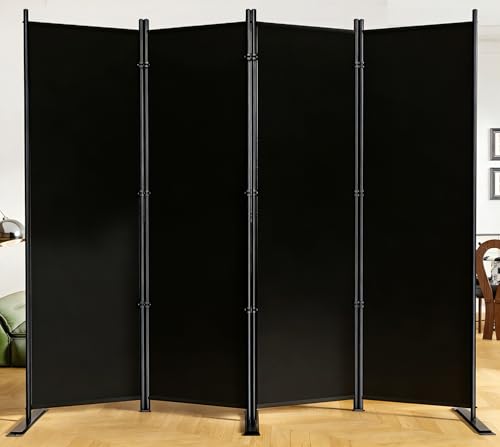
SUNALLY
SUNALLY Room Divider Privacy Screens, 4 Panel…
- Stable & Durable Steel Frame Room Divider---This freestanding room divider is built with a reinforced steel frame and powder-coate…
- Upgraded Non-See-Through Privacy Screen---Crafted from high-density polyester with PA coating, this privacy screen room divider ef…
- Portable Folding Room Divider Panels---Designed with flexible multi-buckle hinges, these room divider panels can be adjusted to an…
As an Amazon Associate I earn from qualifying purchases.
For a related kitchen decision, How To Hang A Headboard On The Wall adds another practical detail to check.
For a related storage or furniture fix, What Color Kitchen Cabinets Are Trending In 2025? helps readers compare the next practical option.
For a related kitchen decision, How To Make A Cheap Room Divider adds another practical detail to check.
Are you lucky enough to have a large, open-plan living space, but find yourself wishing for a little more definition? Or perhaps you’re renting and need to create distinct zones within a single room without making permanent changes. It’s a common decorating challenge! Many people feel overwhelmed trying to make an open floor plan feel cozy and functional, or struggle to carve out specific areas for living, working, or dining. Don’t worry, there are so many creative and easy ways to divide a room.
You don’t need to be a professional designer to create clear boundaries that enhance both the look and feel of your home. We’ll explore simple, budget-friendly, and beginner-friendly ideas that can help you achieve a beautifully organized and stylish space. Get ready to discover how to decorate with room dividers that are as practical as they are pretty!
Why Use Room Dividers? More Than Just a Barrier!
Room dividers are fantastic tools for anyone looking to enhance their living space. They aren’t just about separating areas; they offer a multitude of benefits that can significantly improve your home’s functionality and aesthetic appeal. Whether you’re dealing with a studio apartment, a large open-plan living area, or just want to add a touch of privacy, dividers are your secret weapon.
- Creating Zones: The most obvious benefit is defining different functional areas within one larger room. Imagine a living room that also needs a cozy reading nook, or a master bedroom that includes a vanity area. Dividers make this possible.
- Adding Privacy: Sometimes, you just need a bit of personal space. A divider can offer a sense of seclusion without the need for full walls.
- Boosting Storage: Many room divider solutions come with built-in shelving or compartments, offering valuable extra space to store books, decor, or essentials.
- Enhancing Decor: A well-chosen room divider can be a statement piece, adding texture, color, or visual interest to your room. It’s like adding a functional piece of art.
- Improving Acoustics: Some dividers, especially those with softer materials, can help absorb sound, making larger spaces feel less echoey.

Genius Room Divider Ideas for Every Home
Choosing the right room divider depends on your space, your style, and your budget. Luckily, there’s a solution for everyone! Here are some of our favorite, easy-to-implement ideas:
1. The Versatile Bookshelf Divider
This is a classic for a reason! A sturdy bookshelf, whether freestanding or secured, offers a world of possibilities. It acts as a visual barrier while providing ample storage and display space for your favorite books, plants, photos, and decorative items.
How to Decorate with a Bookshelf Divider:
- Open vs. Closed Back: Open-back bookshelves allow light and views to pass through, making them feel less like a solid wall. Closed-back units offer more privacy and can hide clutter more effectively.
- Style it Up: Arrange items at different heights and depths to create visual interest. Mix books with decorative objects, small plants, and framed photos. Consider turning some books around so the spines face inward for a more uniform, minimalist look.
- Add Greenery: Trailing plants can soften the lines of a bookshelf and bring a touch of nature indoors.
- Secure It: For safety, especially in homes with children or pets, ensure the bookshelf is securely anchored to the wall. You can find helpful guides on securing furniture from organizations like the Consumer Product Safety Commission (CPSC).
2. The Chic Folding Screen
Folding screens, also known as room dividers or Japanese screens, are incredibly versatile and stylish. They come in countless materials, from wood and bamboo to fabric and metal, and can be easily folded away when not in use.
Decorating Tips for Folding Screens:
- Material Matters: Choose a material that complements your existing decor. Natural materials like bamboo or rattan add warmth, while painted or fabric screens can introduce color and pattern.
- Location, Location, Location: Position a folding screen to subtly separate a dining area from a living room, or to create a private corner for a vanity or desk.
- Artistic Flair: Opt for screens with interesting patterns, textures, or even a vintage look to add a decorative element. Some screens can even be used as a unique wall art.
- Stability: Ensure the screen is stable in its position. Some come with feet or stands, while others might benefit from discreet wall anchors if you need extra security.
3. The Modern Curtain Divider
Hanging a curtain from the ceiling or a track is a simple, budget-friendly, and renter-friendly way to divide a space. It offers flexibility, allowing you to open or close off areas as needed.
How to Use Curtains as Dividers:
- Ceiling Track: Install a ceiling track for a seamless look. This allows curtains to glide smoothly and completely conceal the track when open.
- Rod and Rings: Alternatively, a sturdy curtain rod mounted overhead can work well. Floor-to-ceiling curtains create a dramatic and elegant division.
- Fabric Choice: Select fabrics that match your room’s style. Lightweight, sheer fabrics can diffuse light and add a soft feel, while thicker, blackout curtains offer more privacy and sound dampening.
- Color and Pattern: Use curtains to introduce a pop of color or a bold pattern, turning the divider into a focal point.
- Installation: For DIY installation guidelines, consult resources like those from the DIY Network for basic techniques.
4. The Functional Furniture Arrangement
Sometimes, the best room divider is simply smart furniture placement. Arranging your furniture can naturally create distinct zones and redefine the flow of a space.
Smart Furniture Placement Ideas:
- Sofa as a Boundary: Placing a sofa with its back to another area can effectively divide a living room from a dining room or hallway.
- Consoles and Sideboards: A long console table or sideboard behind a sofa also works as a subtle divider, offering surface space for lamps and decor.
- Chairs Facing Inward: Arranging seating in a way that faces a specific area (like a fireplace or TV) can create a cohesive zone.
- Use the Backs: Think about the “back” of furniture as a design element. A beautifully upholstered chair or a stylish dresser can look good from all angles.
5. The Stylish Room Divider Screens (Freestanding)
These are specifically designed to divide spaces and come in a vast array of styles, materials, and sizes. They offer a more permanent feel than folding screens but are still movable.
Choosing Decorative Screens:
- Materials: Options range from wood, metal, and wicker to fabric panels and artful sculptures.
- Panel Count: Available in 2-panel, 3-panel, 4-panel, and even more, allowing you to tailor the length of your divider.
- Design: Look for screens that enhance your decor, whether they feature intricate carvings, modern geometric patterns, or beveled glass inserts.
- Stability: Most freestanding screens come with feet or a relatively wide base for stability. Always ensure they are placed on a level surface.
6. The Open-Concept Shelving Unit
Similar to a bookshelf divider, an open shelving unit offers an airy and modern way to divide a space. Its open design allows light to pass through and maintains a sense of connection between the two areas.
Tips for Open Shelving Dividers:
- Modular Systems: Consider modular shelving systems that can be configured to your exact needs and space.
- Styling is Key: Just like a bookshelf, curate your display to be visually pleasing. Avoid overcrowding, and mix different types of items.
- Plant Haven: This type of divider is perfect for displaying an abundance of plants, creating a natural, green wall.
- Double Duty: Some open shelving units are designed with specific depths to function as low console tables on one side and shelving on the other.
7. The Creative Plant Wall or Large Potted Plants
For a natural, organic feel, a collection of plants can work wonders as a room divider. Tall potted plants or a strategically placed plant stand can create a beautiful, living barrier.
Ideas for Plant Dividers:
- Variety is Key: Use a mix of plant heights and types for visual depth. Tall, leafy plants like Fiddle Leaf Figs or Bird of Paradise can create a substantial screen.
- Plant Stands: Utilize tiered plant stands to maximize vertical space and create a dense, lush feel.
- DIY Living Wall: For the ambitious DIYer, a vertical garden system can be installed on a wall to act as a striking, living room divider.
- Maintenance: Remember that plants require care! Ensure you have adequate light and a watering schedule.
8. The Smart Room Divider Furniture
Beyond standard bookshelves, many pieces of furniture are designed with division in mind. Think console tables with built-in dividers, or modular seating that can be arranged to create zones.
Examples of Divider Furniture:
- Credenzas/Buffets: Placed behind a sofa or at the end of a room, these can define spaces with a touch of elegance.
- Bench Seating: A bench with storage can separate a kitchen dining area from a living space.
- Modular Units: Many furniture systems allow you to build custom configurations, including dividers.
9. The Artistic Accordion or Louvre Divider
These dividers often feature louvred panels or a more ornate, decorative design. They can add a sophisticated or architectural element to your space while serving their primary function.
Artistic Divider Considerations:
- Material & Finish: Think about how the material and finish will integrate with your decor. Dark wood might suit a traditional setting, while a white or metallic finish could be more modern.
- Light & Airflow: Louvre designs allow for airflow and can filter light, creating interesting shadow patterns.
- Height & Width: Choose a size that effectively divides the space without overwhelming it.
10. The DIY Pallet Wood Divider
For a rustic or industrial vibe, consider a DIY pallet wood room divider. This is a more involved DIY project but can be incredibly rewarding and budget-friendly.
DIY Pallet Divider Steps (Simplified):
- Source Pallets: Find heat-treated (HT) pallets from reliable sources. Avoid chemically treated (MB) pallets.
- Disassemble & Prepare: Carefully take apart the pallets, remove nails, and sand the wood smooth.
- Design & Assemble: Cut wood to size and assemble your desired panel design. You could create a solid panel, a slatted design, or incorporate hinges to make it foldable.
- Finish: Stain, paint, or seal the wood as desired.
- Stand It Up: Add feet or create a base for stability.
- Safety First: Ensure the structure is robust and will not tip over easily. If needed, secure it to a wall. For detailed guidance on working with wood, resources like Wood Magazine offer excellent tips.
Creating a pallet wood divider is a passion project. It requires patience, some basic tools, and a willingness to learn. The result is a unique, custom-made piece that truly reflects your personal style and effort.
Pros and Cons of Different Room Divider Types
To help you make the best choice, here’s a quick look at some popular room divider types:
| Divider Type | Pros | Cons |
|---|---|---|
| Bookshelf | Adds storage, versatile styling, creates solid visual barrier, can be anchored for safety. | Can feel bulky, blocks light completely if solid, requires assembly/anchoring for full safety. |
| Folding Screen | Portable, easy to set up and move, decorative, many style options, folds away easily. | Can be less stable, may not provide complete privacy, can be knocked over. |
| Curtain | Budget-friendly, renter-friendly, easy to install, flexible use (open/close), introduces color/texture. | Can snag or tear, might not offer complete soundproofing, fabric choices are crucial for look. |
| Furniture Arrangement | No additional purchase needed, functional use, creates natural zones, looks intentional. | Limited customization, may require rearranging existing furniture, not a “true” barrier. |
| Plant Wall/Potted Plants | Adds natural beauty, improves air quality, visually softens spaces, unique. | Requires ongoing maintenance, can be messy, light dependent, might not offer much privacy. |
| Freestanding Screen | Designed for division, stable, often very decorative, can be elegant. | Less portable than folding screens, can be more expensive, takes up floor space. |
Measuring Your Space for the Perfect Divider
Before you fall in love with a particular room divider idea, always measure your space! This is a crucial step to ensure your chosen divider fits perfectly and achieves the desired effect.
- Width: Measure the total width of the area you intend to divide.
- Height: Determine the desired height. Do you want it floor-to-ceiling, or just chest-high?
- Depth: Consider how much floor space the divider will occupy. This is especially important for bookshelves or larger furniture pieces.
- Flow: Ensure the divider doesn’t block essential walkways or create awkward traffic patterns.
A good rule of thumb is to have at least 3 feet of clearance for main pathways. For smaller areas, consider using narrower or more visually light dividers.

Frequently Asked Questions About Room Dividers
Q1: What is the easiest room divider for a beginner to install?
A: Curtains hung from a ceiling track or rod are generally the easiest for beginners. They require minimal tools and can be installed relatively quickly, especially with pre-made curtain kits.
Q2: Can I use a room divider in a small apartment?
A: Absolutely! In fact, room dividers are incredibly useful in small spaces. Opt for lightweight, foldable screens, open shelving, or strategic furniture placement to define zones without making the space feel cramped.
Q3: How do I choose a room divider that matches my decor style?
A: Consider the dominant materials, colors, and styles already present in your room. For a minimalist look, choose clean lines and neutral colors. For a bohemian vibe, opt for rattan or macrame. A classic aesthetic might benefit from a wooden bookshelf or an elegant screen.
Q4: Do room dividers offer any soundproofing?
A: Some room dividers can help dampen sound, especially thicker curtains (like velvet or blackout fabrics) or upholstered screens. However, they are not a substitute for proper soundproofing walls. Open-back bookshelves or slatted screens will allow sound to pass through more easily.
Q5: How much does a room divider typically cost?
A: Costs vary widely. DIY options like furniture arrangement or using existing items can be nearly free. Curtains can range from $20 to $200 depending on fabric and size. Folding screens and decorative freestanding dividers can cost anywhere from $50 to $500 or more, while modular shelving systems can be a significant investment.
Q6: Can I use a room divider to create a home office space?
A: Yes! A tall bookshelf, a sturdy screen, or even a strategically placed desk with its back to the main living area can clearly define your workspace, helping you focus and maintain a sense of separation.
Conclusion: Your Space, Your Style, Your Divider!
Decorating a home is all about creating spaces that feel functional, comfortable, and uniquely yours. Room dividers are an incredibly versatile and effective way to achieve this, especially in open-plan layouts or smaller homes. Whether you’re drawn to the practical storage of a bookshelf, the elegant simplicity of a curtain, the natural beauty of plants,
Related pick: Check today's price on Amazon
Products related to this article
Sponsored / affiliate links. As an Amazon Associate I earn from qualifying purchases. I may earn additional commission from eligible campaigns.