How to Make a Bathroom Feel Warm and Cozy in Winter
Start by reducing heat loss: seal door gaps, block drafts, keep the door closed, add thick textiles, and use a safe supplemental heater if needed; many guides treat these five fixes as the main ones. Skip them, and the room stays damp, chilly, and slower to dry after showers, which can mean more discomfort and a higher mold risk. This guide ranks quick fixes first, then lower-cost upgrades and decor choices that make a bathroom feel warmer fast.
Why your bathroom feels cold
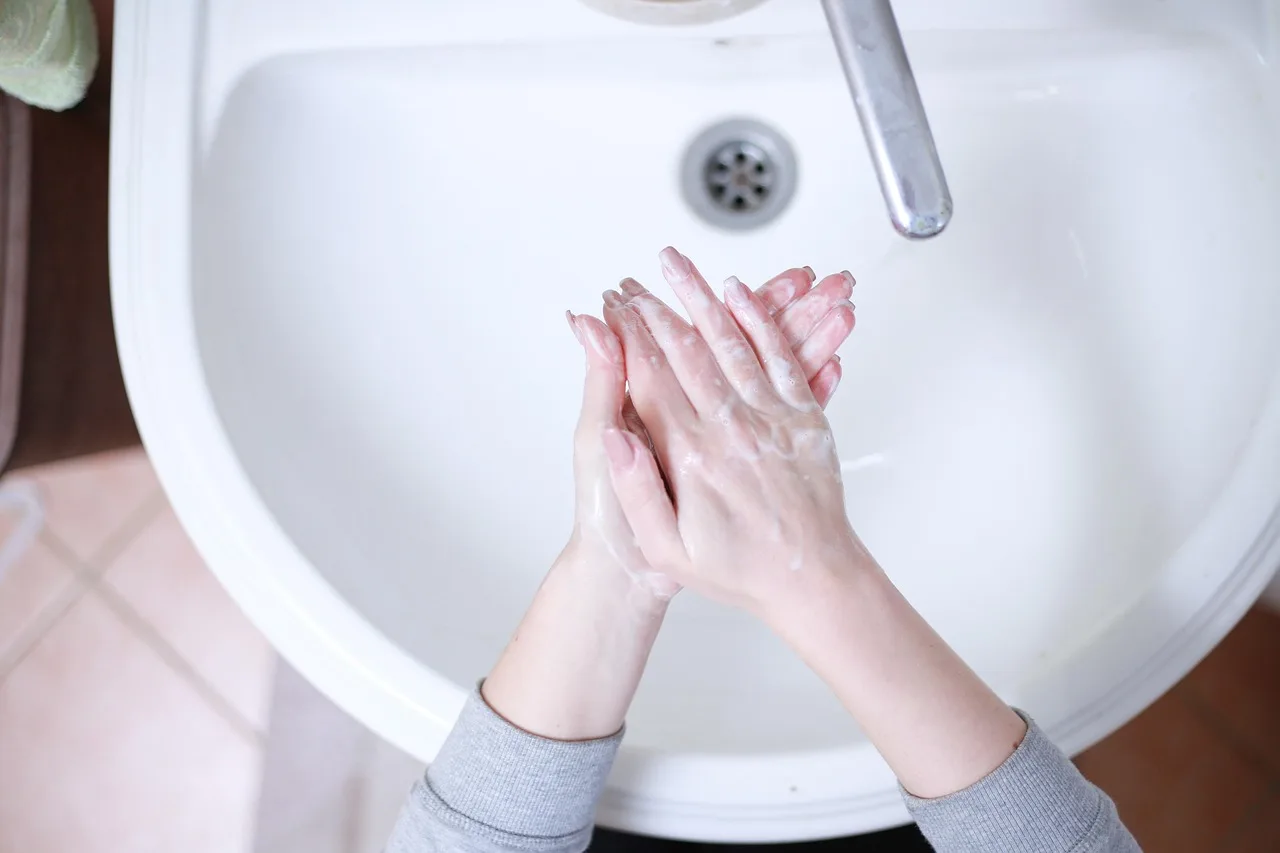


The cold usually comes from the room itself, not the decor. Check drafty windows, unsealed exhaust gaps, exterior walls, and door edges first, because those spots let heated air escape and cold air move in. Tile floors also pull heat from your feet faster than softer surfaces, so the room can feel colder than the thermostat suggests.
A bathroom can feel colder than a nearby bedroom even when the air temperature is similar. Small rooms lose heat fast after a shower, and hard finishes leave little surface insulation underfoot. That is why perceived warmth and actual room temperature do not always match.
Suppose a 5-by-8-foot bathroom has a loose door sweep and an exhaust fan gap. The room may feel drafty near the floor and around the ceiling, even if you add a thick rug, because air leaks keep undoing the comfort gains.
Cold bathroom fixes by problem
- Drafts and air leaks: Check door edges, window frames, and the exhaust fan housing. Caulk, weatherstrip, or add a door sweep where allowed.
- Cold tile: Place a plush bath mat beside the tub or shower and add a second runner if the layout allows it.
- Poor lighting: Replace harsh overhead light with softer wall sconces or warmer bulbs.
- Wet towels: Use a heated towel rack or a better drying setup so damp fabric does not keep the room feeling chilly.
- Humidity buildup: Run the fan after showers and keep textiles dry to cut mildew risk and stale air.
Bathroom warmth decision table
Use this table to choose the first fix, not the prettiest one. The best order is usually: block leaks, warm the floor, improve lighting, then add decor that changes how the room feels.
| Tier | Change | What it fixes | Renter-friendly or permanent | Estimated cost band | Best placement |
|---|---|---|---|---|---|
| 1: highest impact | Door sweep or draft blocker | Air leaking under the door | Renter-friendly | Low | Bottom edge of the bathroom door |
| 1: highest impact | Seal exhaust fan gaps | Heat loss around the fan opening | Usually permanent | Low to moderate | Ceiling area around the fan housing |
| 1: highest impact | Thick bath mat | Cold tile underfoot | Renter-friendly | Low to moderate | Beside the tub or shower |
| 1: highest impact | Keep the door closed | Heat escaping to the hall | Renter-friendly | No cost | Bathroom doorway |
| 2: medium impact | Warm lighting | Harsh, clinical feel from cool bulbs | Renter-friendly if bulbs can be changed | Low | Ceiling fixture or wall sconces |
| 2: medium impact | Plush towels | Cold, damp towel feel after showers | Renter-friendly | Low to moderate | Near the shower, tub, or towel bar |
| 2: medium impact | Heated towel rack | Cold towels and slower drying | Wall-mounted or freestanding | Moderate to high | Beside the shower or main wall |
| 2: medium impact | Shower curtain with tieback | Draft perception and a bare enclosure feel | Renter-friendly | Low | Shower opening |
| 3: lower impact | Wooden accents | Hard, cool visual feel from all-tile surfaces | Renter-friendly | Low to moderate | Shelf, stool, tray, or vanity top layer |
| 3: lower impact | Bathroom storage baskets | Visual clutter and exposed plastic packaging | Renter-friendly | Low | Counter, cabinet, or under-sink area |
| 3: lower impact | Warm color palette | Cold visual contrast from stark finishes | Renter-friendly if limited to accessories | Low to moderate | Walls, textiles, and small decor |
| 3: lower impact | Plants, candle, or diffuser | Mood only, not room temperature | Renter-friendly | Low to moderate | Shelf, vanity, or a safe out-of-reach spot |
How do you warm the room fast?
Start with the fixes that change temperature and underfoot comfort, not just appearance. The fastest gains usually come from blocking drafts, adding a thick bath mat, keeping towels dry, and using safe supplemental heat where it is allowed. After that, lighting and textiles make the room feel less stark.
-
Block the draft first.
Add a door sweep, weatherstrip a loose frame, and check the exhaust fan edge if cold air is leaking through. These fixes matter because they stop warm air from leaving the room before it can build up. -
Put down a thick mat.
Choose a plush or thick-pile bath mat that is machine-washable and place it beside the tub or shower. It adds insulation underfoot and makes the floor feel less punishing when you step out of water. -
Dry the textiles faster.
Use a heated towel rack if space and budget allow, or hang towels so they can dry fully. Faster drying reduces the damp, chilly feeling that lingers after a shower. -
Switch to softer light.
Replace harsh overhead lighting with wall sconces or warmer bulbs if the fixture allows it. Softer light changes how the room feels at once, even before any decor changes.
A common first-timer mistake is adding a candle and new towels while ignoring a gap under the door. The room may look cozier, but the air still leaks out and the tile still feels cold.
What lighting makes a bathroom feel warmer?
Soft white or amber-toned light makes a bathroom feel warmer because it reduces the hard, blue cast that makes tile and porcelain look colder. Wall sconces are a strong choice when you want to replace harsh overhead lighting and spread the light more gently across the room.
Replacing harsh overhead lighting with wall sconces, and Hygge Moods specifically recommends warm soft lighting for a cozy feel. In small or windowless bathrooms, layering light matters more than one bright fixture. A ceiling light alone often creates glare, especially on glossy tile and mirrors.
Lighting choices that read warmer
- Use soft white or amber bulbs rather than cool daylight bulbs.
- Choose wall sconces where wiring and layout allow them.
- Keep mirror lighting even so shadows do not make the room feel harsher.
- Avoid overlighting a small bathroom, which can make hard surfaces look colder.
Floor, fabric, and finish upgrades
Textiles and finishes change perceived warmth fast. Bath mats, towels, shower curtains, and small wooden accents soften the hard surfaces that make winter bathrooms feel stark. Woman’s World recommends muted, natural shades for the bathroom, and it also lists fiddle leaf figs, palms, cacti, and air plants as greenery options.
Norm Hughes Homes notes that tile choice affects visual warmth, and warm-colored tile or patterns can reduce negative space. That is useful if you plan a renovation, but renters usually get more value from surface changes that can move with them.
Bath mats and towel choices
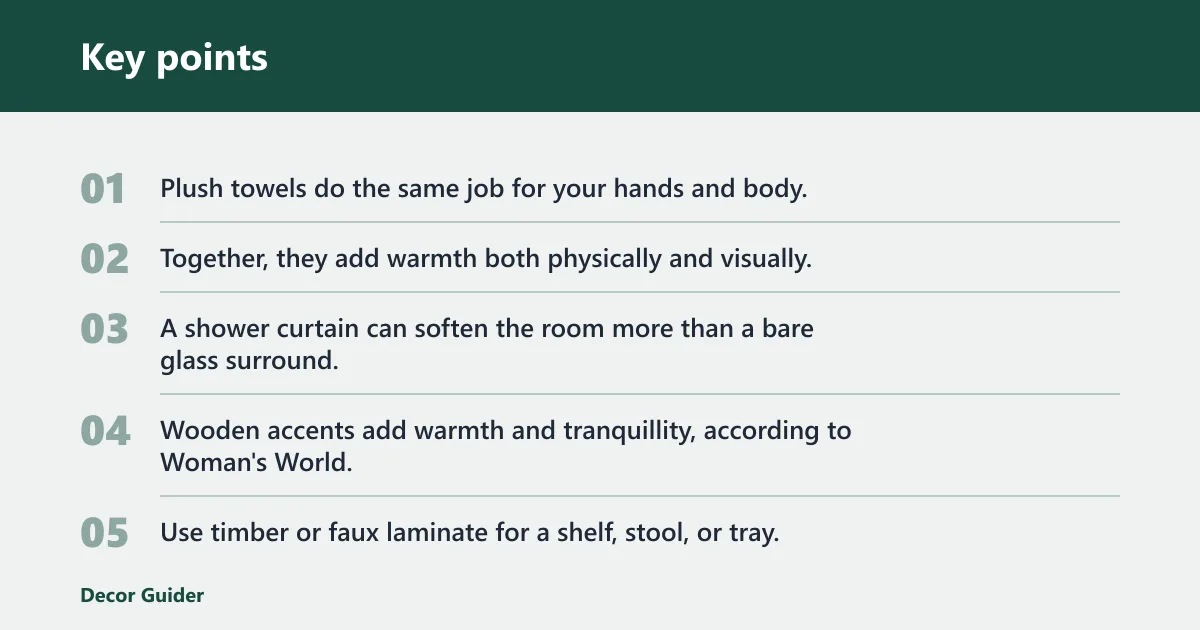
Choose bath mats that are plush or thick pile, machine-washable, and large enough to sit where your feet land after bathing. Plush towels do the same job for your hands and body. Together, they add warmth both physically and visually.
Shower curtains, doors, and draft feel
A shower curtain can soften the room more than a bare glass surround. A curtain with a tieback is a lower-cost upscale option, and a fuller curtain can make the shower area feel less exposed. If you have a glass shower door, a heavier curtain or a better layout can reduce the drafty feeling around the enclosure.
Wood accents, baskets, and visual weight
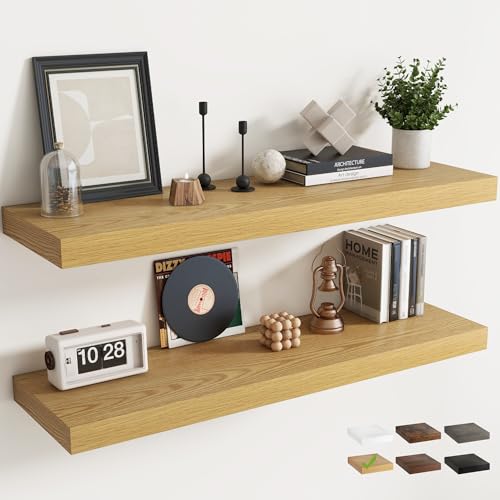
Wooden accents add warmth and tranquillity, according to Woman’s World. Use timber or faux laminate for a shelf, stool, or tray. Baskets and organizers on the counter, in cabinets, or under the sink reduce visual clutter, which helps the room feel calmer and less sterile.
Which decor choices add comfort without heat?
Decor can make a bathroom feel cozier, but it does not change the room temperature. Use it to support the warmer, drier, softer feel you have already built with better airflow control, thicker textiles, and improved lighting. That order matters if the room is cold in winter.
Color palette that reads warmer
Warm whites, creams, and muted natural shades usually feel softer than stark cool finishes. Light gray can work as a calmer option when you want a quiet look without going overly cool. Keep high-contrast cold finishes to a minimum if the room already feels spare or drafty.
Plants that suit bathroom conditions
Bathroom-friendly greenery can add a calmer, more natural feel when the room has enough light and the humidity level suits the plant. The same source lists fiddle leaf figs, palms, cacti, and air plants as options. Eucalyptus can also work as a temporary accent if the space suits it.
Candles and diffusers used safely
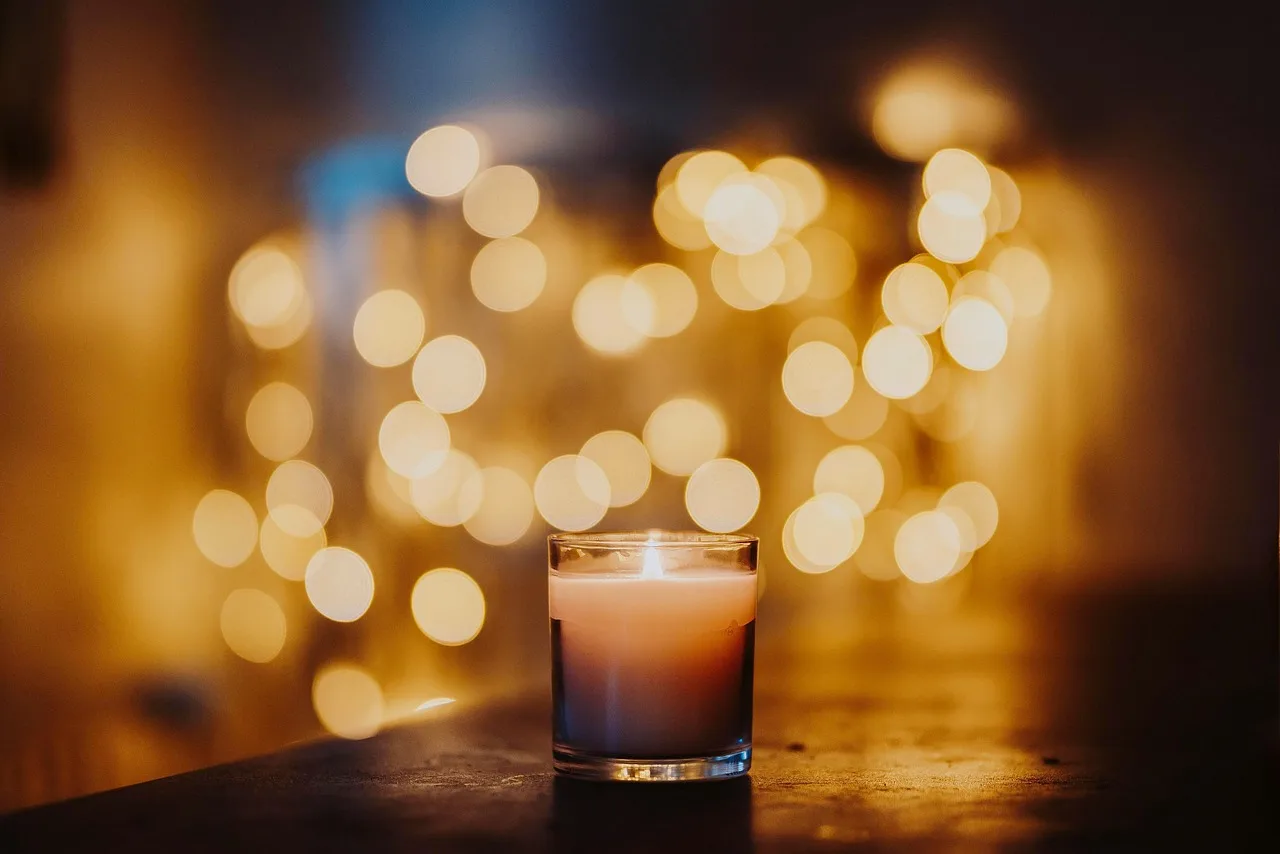
Fragrance can improve mood, but it adds no heat. NBC describes fragrance as an easy mood upgrade, and common winter scents include lavender, bergamot, cedarwood, pine, or cinnamon. Keep candles away from towels, paper goods, and anything that can tip easily, especially around children and pets.
Suppose a renter has a windowless bathroom with a loud exhaust fan and pale tile. A warm bulb, a thick mat, a towel rack, and a wood tray will usually do more for comfort than a basket of decorative items placed after the fact.
Cold bathroom fixes by problem
The right fix depends on what is making the room feel cold. Drafts call for sealing, tile chill calls for floor insulation, and wet towels call for better drying and ventilation. If you skip the problem itself, the room may look warmer but still feel cold after every shower.
Drafts and air leaks
-
Inspect the edges.
Feel around the door bottom, window seams, and exhaust fan housing for moving air. Even a small leak can make the room feel far colder than the thermostat suggests. -
Seal what you can.
Add a sweep, weatherstrip, or caulk only where the space is meant to be sealed. That keeps conditioned air in and reduces the cold spots that form near the floor and ceiling.
Cold tile and floor chill
-
Cover the landing zone.
Put a thick bath mat where you step out of the shower or tub. A second mat may help in larger bathrooms, but only if it does not crowd the space. -
Choose insulating materials.
Use thicker towels, a fabric shower curtain, and wood accents to offset the hard-surface look of tile. These do not heat the room, but they reduce the sense of cold.
Wet towels and humidity buildup
-
Move moisture out faster.
Run the fan after showers and give towels room to dry. Wet fabric keeps the room feeling damp and can create mildew problems if it stays bunched up. -
Use drying hardware wisely.
A heated towel rack can help because it warms towels and dries them faster. Wall-mounted and freestanding versions are both available, so choose the one that fits the floor plan.
Frequently asked questions
Why is my bathroom so cold?
Bathrooms often feel cold because they lose heat through door gaps, exterior walls, window leaks, and unsealed exhaust openings. Tile floors also feel colder than carpet or wood. After a shower, the drop in temperature feels sharper because moisture and moving air work together to cool the room.
How can I make my bathroom feel cozier without remodeling?
Use renter-friendly changes: bath mats, plush towels, a tieback shower curtain, baskets, a warmer color palette, and soft lighting. Plants and fragrance can help the mood too, but they do not raise temperature. For many renters, that mix gives the best comfort per dollar.
Do heated towel racks help in winter bathrooms?
Yes, because they warm towels and help them dry faster, which cuts the cold, damp feeling after showers. They do not heat the whole room much, so think of them as a comfort upgrade rather than a primary heat source. Wall-mounted and freestanding styles both fit different layouts.
Products related to this article
Sponsored / affiliate links. As an Amazon Associate I earn from qualifying purchases. I may earn additional commission from eligible campaigns.