Coffee Table vs Side Table: Which Fits Your Room Best?
A side table can replace a coffee table only when each seated spot can reach a nearby surface and you do not need one central landing zone; otherwise, keep the coffee table. Pick the wrong surface, and drinks, remotes, and foot traffic start competing for the same patch of floor. This guide compares coffee tables, side tables, and end tables in real layouts, including when a side table works, when it fails, and how to size the choice around seating and circulation.
This guide is part of our Chairs guide: types, buying and care series.
Coffee table vs side table: the core trade-off
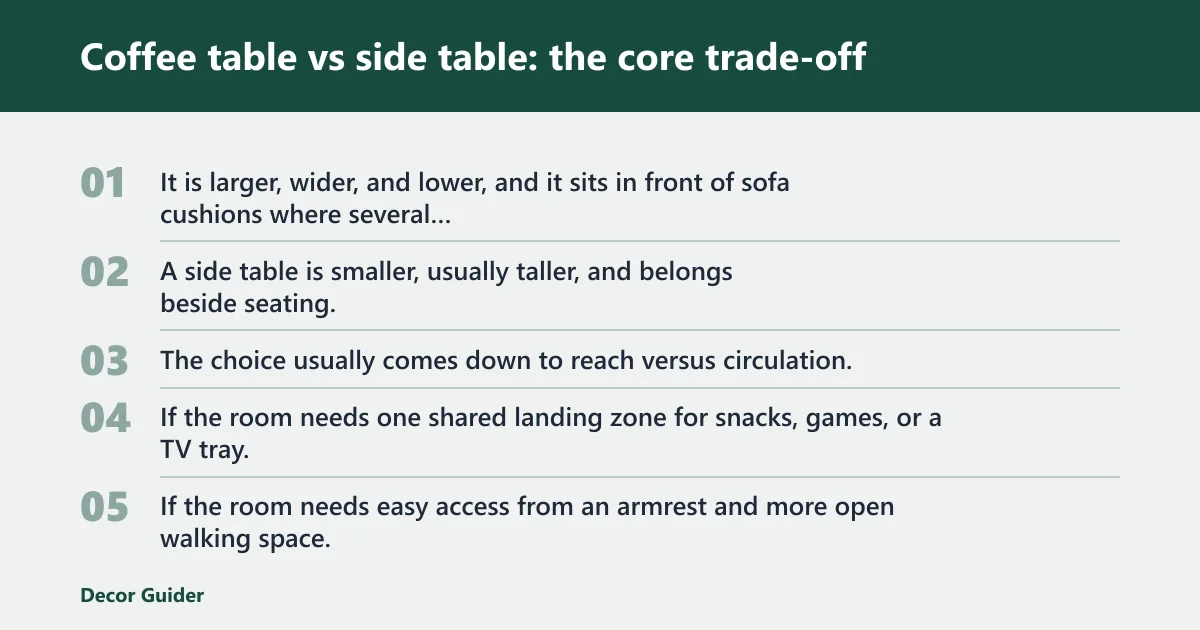
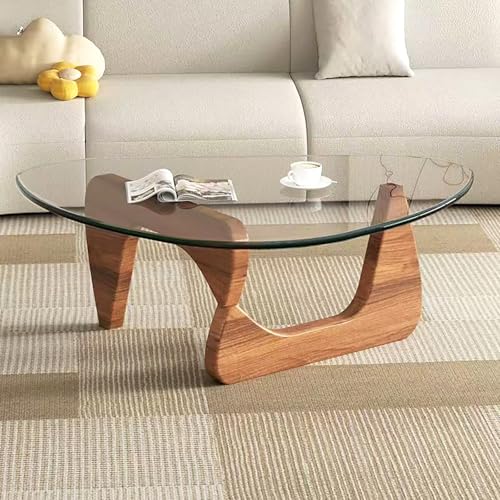


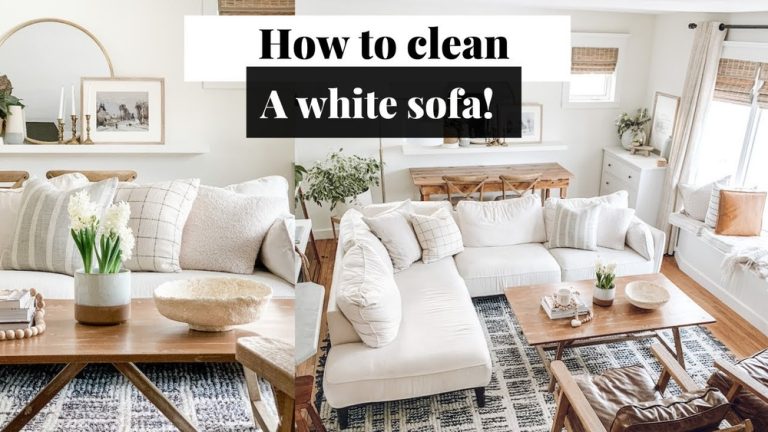
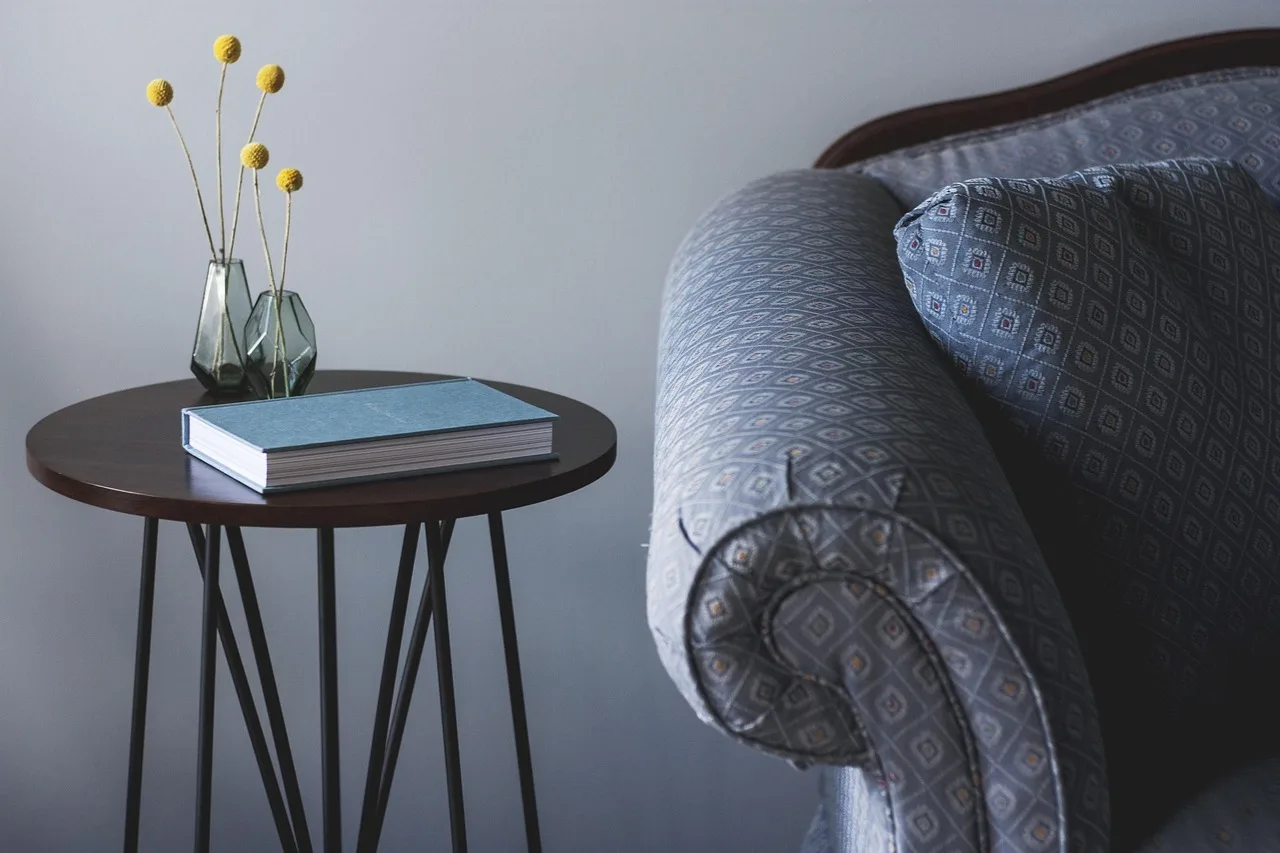
A coffee table is the shared center surface. It is larger, wider, and lower, and it sits in front of sofa cushions where several people can reach it. A side table is smaller, usually taller, and belongs beside seating, where one person can set down a drink, lamp, or book.
The choice usually comes down to reach versus circulation. If the room needs one shared landing zone for snacks, games, or a TV tray, the coffee table wins. If the room needs easy access from an armrest and more open walking space, the side table wins.
| Decision factor | Coffee Table | Side Table | Winner |
|---|---|---|---|
| Primary function | Shared central surface | Beside-seating surface for one seat | Coffee Table |
| Placement | Centered in front of seating | Next to a sofa or chair | Tie |
| Circulation | Can interrupt traffic if oversized | Usually leaves a clearer path | Side Table |
| Shared use | Better for snacks, games, remotes, and footrest use | Better for one drink, lamp, or book | Coffee Table |
| Height fit | Lower than seating | Often around arm height | Side Table |
| Storage flexibility | Often offers shelf or tray space | Often offers shelf, drawer, or nesting options | Tie |
Placement and reach
Coffee tables go centrally in front of sofa cushions. Side tables sit beside seating for individual use, and end table is another catalog name for that same category. If a person must twist, lean, or stand up to reach a surface, the layout is already working against the table.
Leave about 18 inches between seating and a table. That gap supports reach without crowding the legs, and it also helps keep walkways usable.
Height and size
Coffee tables sit lower than seating so the top does not block sightlines or knees. They commonly span 36-48 inches in length and are often listed at 40-60 inches wide, which is why they function as the shared center of the room. Coffee tables can also act as a footrest, which changes the height target.
End tables are approximately 20-30 inches wide, and end table height should match sofa arm height, about 20-25 inches. That arm-height fit matters because a table that sits too low becomes awkward for drinks, while one that sits too high feels unstable and looks off.
Shape, material, and storage
Rectangular shapes often work best for longer sofas. Square and round tables fit tighter seating groups, and round or oval edges help in homes with toddlers or narrow walk paths because there are fewer hard corners to clip.
Wood usually feels heavier and can hide scuffs better. Glass opens up a small room visually, but it asks for more cleaning and care. Metal is durable and often lighter in appearance, though weight varies by frame and top. Storage features such as a shelf, tray, drawer, or nesting set help when you need a place for remotes, books, or a second surface for guests.
Best-fit room size and seating setup
Coffee tables suit rooms with a clear center point and enough open floor around the seating group. Side tables suit smaller rooms, chair pairs, and layouts where a central piece would choke circulation. Extra-deep sofas, modular sectionals, and room entries that cut across the seating zone need more planning than a standard sofa wall setup.
Say your sofa is extra-deep and the room also serves as a hallway. A coffee table may force people to sidestep around the center every time they cross the room, while a side table beside the arm keeps the path open.
📊 End table height should match sofa arm height, about 20-25 inches. Source: Coffee Table Vs End Table: Which One Does Your Space Need?.
Can you use a side table as a coffee table?
Yes, but only in the right layout. A side table can stand in for a coffee table when the seating is compact, the reach distance is short, and the room does not need a broad shared surface. It fails when people need to place plates, games, laptops, or their feet in the same center zone.
When the substitute works
A side table often works best with one chair, a small loveseat, or a tight studio where a full coffee table would crowd the room. It can also work beside an oversized sectional if each seat gets its own small surface and the center remains open for traffic or a rug feature.
Side tables can hold a table lamp and other essentials, so they are practical in layouts where the room is more about reading or watching TV than gathering around a center table.
When it fails for shared use
It fails when the room needs one landing zone for several people at once. A drink perched on a narrow top, a plate balanced too close to the edge, or a laptop set across a small square can create tip-over risk and frustration, especially if pets or toddlers are in the room.
A common first-timer mistake is swapping in a light side table because it “fits” visually, then discovering that the top is too small for snacks during movie night and too high or too low for comfortable arm reach.
Common mistakes that make it awkward
- Choosing a table that is taller than the sofa arm, which makes reaching and drinking awkward.
- Placing a narrow top in the center and expecting it to support plates, remotes, and a laptop at once.
- Ignoring a walkway that runs through the seating area, which turns every pass into a collision risk.
- Using a lightweight table in a home with toddlers or pets, where bumps are more likely.
Room-layout decision matrix for 6 scenarios
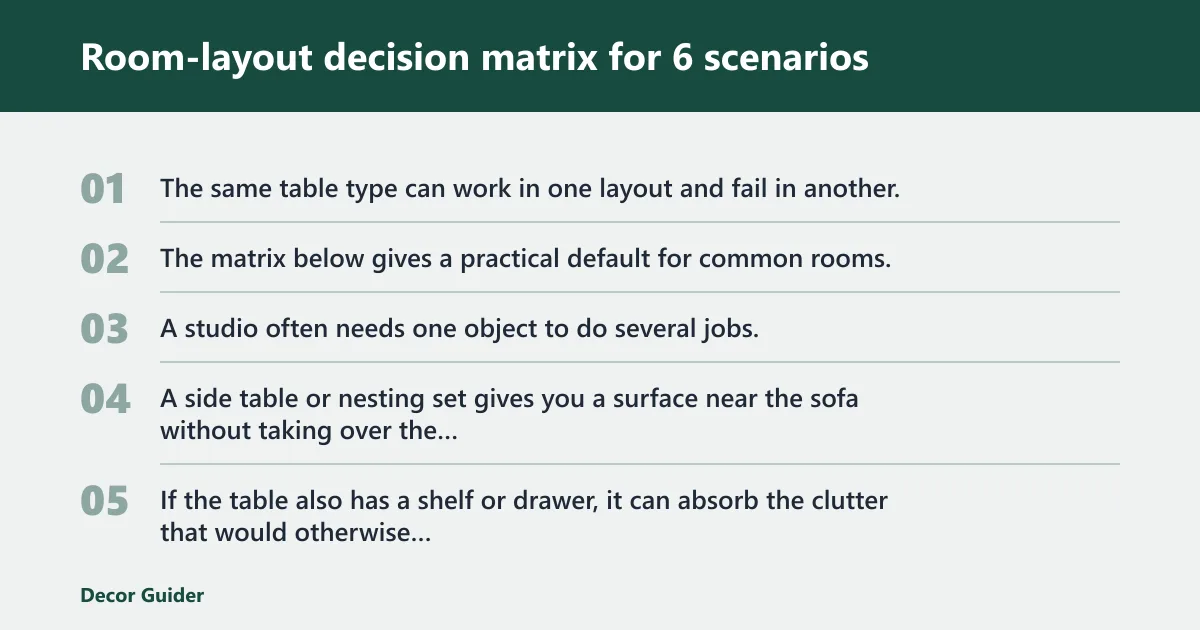
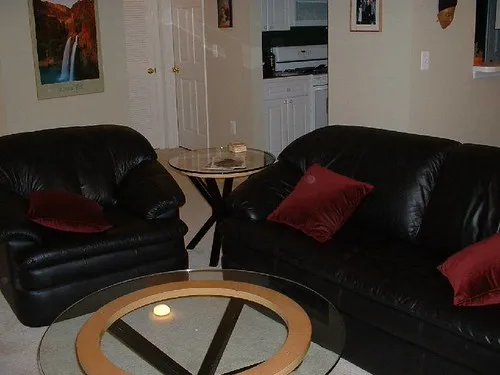
Use the room, not the label, to decide. The same table type can work in one layout and fail in another, especially when circulation, reach, and seating depth change the geometry. The matrix below gives a practical default for common rooms.
| Scenario | Recommended table type | Minimum clearance target | Common mistake |
|---|---|---|---|
| Studio apartment | Side table or nesting set | About 18 inches from seating; keep a clear path to the entry | Using a coffee table that blocks the only walking route |
| Standard sofa | Coffee table | About 18 inches between sofa and table | Choosing a top that is too small for shared use |
| Sectional sofa | Coffee table if the center is open; otherwise side tables at the ends | Keep the center reachable from multiple seats without tight corners | Placing one small table where only one section can reach it |
| Apartment with kids | Round coffee table or stable side tables with rounded edges | Maintain clear knee space and avoid sharp corners in the main path | Picking a glass top or a table that tips easily |
| Chair-only seating | Side table | Armrest-height placement beside each chair | Forcing a coffee table into a setup that has no center cluster |
| Narrow walkway | Side table or nesting tables that can tuck away | Keep the walkway clear; preserve about 18 inches to seated users | Blocking circulation with a wide center table |
Studio apartment
A studio often needs one object to do several jobs. A side table or nesting set gives you a surface near the sofa without taking over the center of the room. If the table also has a shelf or drawer, it can absorb the clutter that would otherwise spread across the floor.
Standard sofa and chair setup
A standard sofa usually points toward a coffee table because the seating group already creates a clear center. This is the easiest setup for shared snacks, board games, and TV viewing, as long as the table leaves the recommended gap and does not narrow the main walk path.
Sectional sofa
A sectional is the toughest case for one-table logic. If the center is open, a coffee table can work well; if one chaise or return blocks access, end tables at the outer edges may work better than one undersized center piece. Extra-deep sectionals can push the table so far away that a side table beside the arm becomes the more realistic choice.
Apartment with kids
For homes with toddlers, stability matters as much as size. A low coffee table with rounded corners or a heavier side table is safer than a lightweight, narrow model that can wobble when a child leans on it. Glass also asks for more caution because breakage risk matters in an active room.
Chair-only seating
Two accent chairs do not need a coffee table in the middle. They usually need one side table per chair, or one well-placed table between them if the chairs form a close conversation group. The arm-height rule matters here because the table should support a lamp or drink without forcing a reach downward.
Narrow walkway
When people must pass through the seating area, a center table is often the first thing that causes frustration. A side table keeps the center clear and reduces the chance of bruised shins, especially in narrow apartments where the entry, sofa, and TV all share one lane.
Choose coffee table if… / Choose side table if…
Choose a coffee table when the room needs one shared center surface and the seating can wrap around it with about 18 inches of clearance. Choose a side table when reach, arm-height convenience, or walkway space matters more than one central landing zone. In some rooms, the best answer is both.
Choose a coffee table if…
- You need one surface for drinks, remotes, snacks, and games.
- Your seating faces a clear center zone, especially with a standard sofa.
- You want a table that can double as a footrest.
- The room has enough clearance to keep traffic from cutting through the table area.
Choose a side table if…
- Your main need is a lamp, a book, or a drink beside a seat.
- The room is small, narrow, or used as a pass-through.
- You have chair-only seating, an extra-deep sofa, or a sectional with awkward reach.
- You want a smaller footprint and less visual bulk near the seating edge.
Choose both if the room needs both functions
Some rooms need a coffee table in the center and one or two side tables at the ends. That combination works well when people need shared access in the middle and armrest-height convenience at the edges. It also solves the common problem of one person monopolizing the only surface.
Do shape, storage, and material change the answer?
Yes. Shape affects circulation, storage affects how many jobs the table can handle, and material affects weight, upkeep, and breakage risk. Those choices do not replace the layout decision, but they can fix or worsen it.
Which shapes fit tight circulation paths
Round and oval tops are often easier to move around than hard-cornered rectangles in tight rooms. Square tables can work when the seating is compact and symmetrical, while rectangular tops usually fit best in front of longer sofas. Nesting sets help when you need extra surface area only sometimes.
When storage solves the layout
A shelf, tray, drawer, or nesting piece helps if the room needs both a surface and a place to clear clutter fast. Storage is especially useful in small apartments, where a table that holds remotes, books, and chargers can replace multiple loose items.
How wood, glass, and metal affect the decision
Wood usually feels more solid and forgiving for daily use. Glass can make a table seem lighter in a tight room, but it also asks for more care and can feel less practical in homes with kids or pets. Metal frames can be durable and visually light, though the real answer depends on the top, base, and overall weight.
Frequently asked questions
coffee table vs end table
Coffee table and end table are not interchangeable terms. A coffee table is the central, low shared surface in front of seating, while an end table is the beside-seating version, usually aligned with an armrest. Many catalogs use end table and side table as synonyms, but coffee table stays its own category.
side table vs coffee table
A side table sits beside seating and serves one seat or one armrest zone, while a coffee table sits in the center and serves the whole seating group. If the room needs shared access for snacks or games, the coffee table fits better. If the room needs clearance and a smaller footprint, the side table is the practical pick.
can you use a side table as a coffee table
Yes, if the seating group is small and each person can reach it without stretching. That works best for drinks, a book, or a lamp, not for group snacks or game-night clutter. It becomes a problem when the top is too narrow, too tall, or too far from the seats.
coffee table vs tea table
In many homes, a tea table is a smaller accent table used for serving or display, while a coffee table is a larger low table meant for a seating group. The key difference is function and scale. If you need a central surface for a sofa, the coffee table is usually the better category to shop first.
coffee table vs center table
Center table is often another name for coffee table, especially in catalogs and informal shopping language. The practical meaning is the same: a table placed in the middle of a seating arrangement. When comparing products, focus on height, footprint, and clearance rather than the label alone.
end table vs side table
End table and side table are usually the same category in shopping catalogs. Both sit beside seating and serve a lamp, drink, or book at arm height. The only time the distinction matters is when a retailer uses one term for a specific shape or collection, so check dimensions and placement rather than the name alone.
Products related to this article
Sponsored / affiliate links. As an Amazon Associate I earn from qualifying purchases. I may earn additional commission from eligible campaigns.