Accent Chair vs Armchair: Which Fits Your Space Best?
Choose an accent chair if you want a short perch for occasional sitting, and choose an armchair if you need deeper support for reading, lounging, or daily use. Pick the wrong one and you can end up with a chair that looks right but feels wrong after 10 minutes. This guide compares Accent Chair vs Armchair by posture, comfort, room fit, and how each works in real use.
This guide is part of our Chairs guide: types, buying and care series.
Accent chair vs armchair: the core trade-off
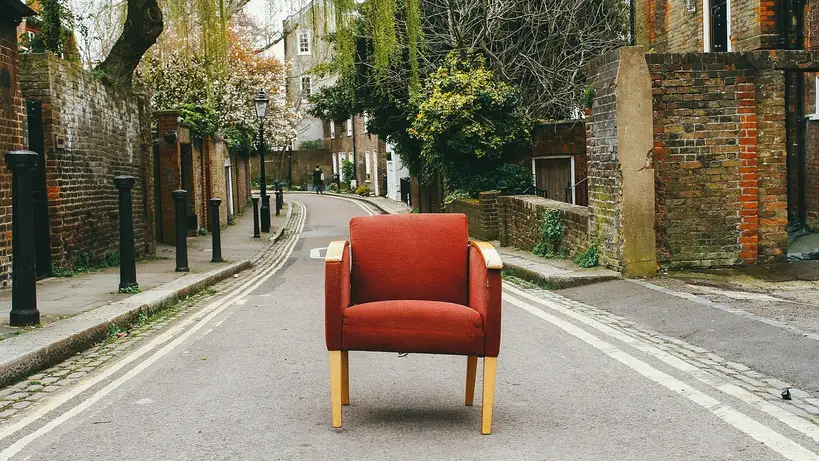


The real difference is posture. An accent chair leans toward decor-first seating with a lighter visual mass, while an armchair leans toward support-first seating with arms, a fuller seat, and more cushion for longer sitting. Both can work as extra seating, but they solve different sitting problems.
| Decision factor | Accent Chair | Armchair | Winner |
|---|---|---|---|
| Best posture fit | Short sitting, upright conversation, occasional use | Reading, lounging, longer sits | Armchair |
| Visual footprint | Usually lighter and smaller-looking | Usually larger and more substantial | Accent Chair |
| Support for long sitting | Depends heavily on seat depth and arm style | Usually better due to arm support and fuller cushioning | Armchair |
| Desk-adjacent use | Can work if arms clear the desk and seat height fits | Can work, but often too deep or bulky | Tie |
| Small-room flexibility | Often easier to place in tight corners | Can crowd circulation if oversized | Accent Chair |
Best posture fit
An accent chair usually suits a brief sit, such as conversation or a quick read with a side table nearby. An armchair is the better pick when you want your hips, back, and arms supported for longer sessions. That is why the correct choice starts with how you sit, not how the chair looks.
Visual footprint
Accent chairs often have slimmer frames, lower visual mass, or open bases such as swivel styles. Armchairs are more likely to use broader arms, deeper cushions, and a wider stance. In a compact room, that difference changes how much circulation space you preserve.
Support for long sitting
Armchairs usually win because they are built around comfort and support. The seat tends to be deeper, the back fuller, and the arms more useful for settling in. Accent chairs can be comfortable, but many are designed for shorter sitting and less sink-in support.
Desk-adjacent use
This row is closer than many shoppers expect. A well-sized accent chair can work near a desk if the arm height clears the underside of the table and the seat height allows your feet to rest naturally. A bulky armchair often fails here because the arms block slide-in use or the depth pushes you too far from the work surface.
Small-room flexibility
Accent chairs usually fit better when every inch matters. Their footprint can leave more room for walking paths, side tables, and door swings. An armchair can still work in a small room, but only if you verify width, depth, and the clearance around it.
What counts as an accent chair
An accent chair is decor-first seating with a style role as important as its function. Common versions include slipper chairs, club chairs, swivel chairs, and wingback-inspired shapes. It may be used for occasional seating, a statement piece, or a corner seat that finishes a room.
Common accent chair forms
Slipper chairs sit low and often have no arms. Club chairs usually feel more enclosed and cushioned. Swivel chairs help in conversation areas, while wingback-inspired versions bring a taller back without turning into a full lounge chair.
What counts as an armchair
An armchair is an upholstered chair with arms that prioritizes comfort and support. Common forms include recliners, club chairs, barrel chairs, and wingback chairs. Compared with an accent chair, it usually reads as more substantial and is better suited to longer sessions.
Where armchairs overlap with other categories
Some armchairs sit close to lounge chairs or club chairs in both size and comfort. A recliner is a clear comfort-first version. A barrel chair can feel compact but still count as an armchair if it has arms and a supportive, enclosed sit.
How do you plan to sit?
Choose by sitting posture first. Upright reading calls for a different seat shape than TV lounging, and desk-adjacent use has different clearance needs than guest seating. If you match the chair to the posture, the room choice becomes much simpler.
Upright reading
For reading, a seat that is not too deep and has enough back support works best. A shallower accent chair can be fine if you want to sit forward with a book, but an armchair usually gives better support for longer reading sessions. Seat height matters too, because your knees should bend comfortably without your feet dangling.
TV lounging
TV lounging usually favors a deeper seat and stronger arm support. That makes an armchair the safer bet in most rooms. An accent chair can work if it has generous cushion depth, but a formal or slim accent chair tends to feel too upright for relaxed lounging.
Desk-adjacent seating
For desk-adjacent use, the chair must fit under the surface and leave room to move in and out. Seat height and arm height matter more here than style. Many armchairs fail because the arms are too high or the seat is too deep for comfortable task work.
Occasional guest seating
If the chair is mainly for visitors, an accent chair is often the practical choice. It adds a seat without taking over the room. If guests are likely to sit for long stretches, though, an armchair is usually the better comfort choice.
Compare the measurements that change comfort
Seat height, seat depth, arm height, and footprint determine whether the chair fits your body and your room. These numbers matter more than style language because they translate directly into how the chair feels when you sit down. Many manufacturers list them in inches or centimeters, so you can compare before buying.
Seat height
Seat height is measured from the floor to the seat. It affects how easy it is to sit down, stand up, and pair the chair with a side table or desk. A seat that is too high can feel awkward for shorter users; too low can make standing up harder.
Seat depth
Seat depth shapes posture. Shallower seats support more upright sitting, which helps for formal conversation or reading with a straight back. Deeper seats suit lounging, but if the depth is too much, you may lose lower-back support unless you add a pillow.
Arm height
Arm height matters for under-table fit and comfort. If the arms are too high, the chair may not slide under a desk or dining table. In a narrow room, high arms can also make the chair feel visually and physically larger than it is.
Overall footprint
Footprint means the full width and depth of the chair. Check it against circulation space, not just the empty floor spot. A chair that fits on paper can still block a walkway if a door opens nearby or a side table needs space.
Which chair works better for each use case?
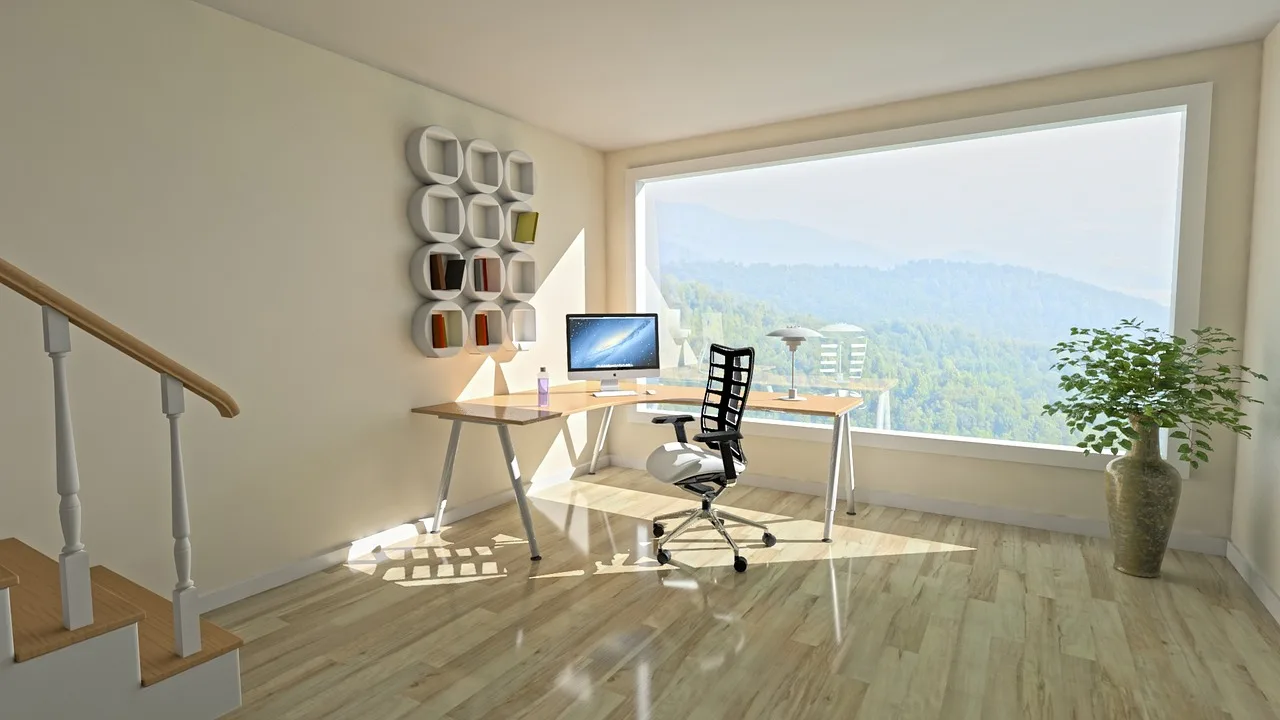
The better chair depends on the use case. Accent chairs usually win for occasional seating and tighter layouts, while armchairs usually win for comfort-led uses like reading and lounging. Use the task, then match the measurements.
Reading chair
An armchair is usually the better reading chair because it supports longer sitting and lets you rest your arms. A compact accent chair can still work if the seat is not too deep and the back angle stays upright. If you read for more than a few minutes at a time, support matters more than looks.
Conversation chair
An accent chair often works best for conversation areas. It keeps the room lighter visually and usually encourages a more upright, guest-friendly posture. An armchair can also work, but it may feel more lounge-like than you want in a formal seating pair.
Desk-adjacent chair
An accent chair is more likely to fit near a desk, especially in apartments or multipurpose rooms. Still, you need to check arm height, seat height, and depth before you assume it will work. A chair that looks slim can still be a poor task chair if the seat sits too low or the arms hit the underside of the desk.
Small-space guest seat
An accent chair usually wins for small-space guest seating because it takes less visual and physical room. That matters in apartments, studio corners, and narrow living rooms. If guests will sit there often or for long periods, step up to a more supportive armchair only if the room can handle it.
What materials and construction should you check?
Upholstery, frame materials, and cushion fill change how a chair wears, cleans, and feels. These details matter as much as shape because they affect durability and day-to-day use. A stylish shell with weak support will disappoint quickly.
Upholstery type
Fabric is versatile and often comfortable. Velvet reads more formal and can feel softer to the touch, though it may show pressure marks. Leather is easier to wipe clean but can feel firmer. Performance fabric is a practical choice if you want easier cleaning and better resistance to everyday wear.
Frame materials
Solid wood, engineered wood, and metal are common frame categories. Solid wood is often favored for strength, while engineered wood can reduce cost and weight. Metal frames appear in lighter-looking modern chairs and some swivel or lounge styles.
Cushion fill and support
Foam density and cushion support shape long-term comfort. Firmer foam often holds shape better; softer fill can feel plush at first but may flatten faster. If the chair is for daily use, look for a build that balances support with enough give for sitting through a full read or movie.
Buyer-fit checklist: match dimensions to the room
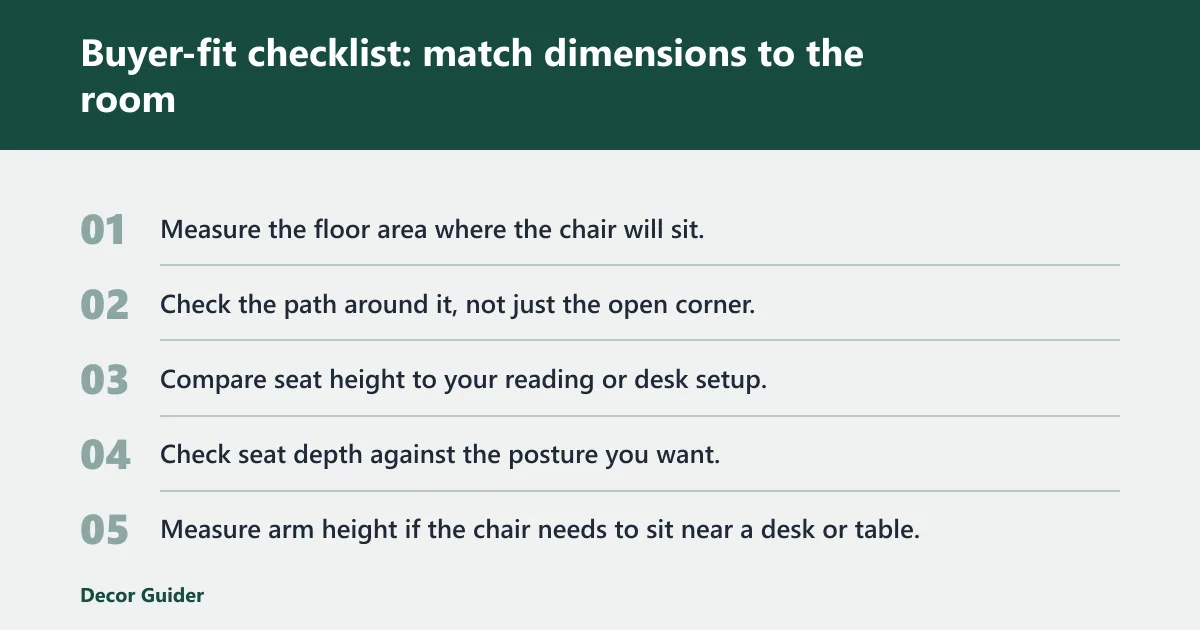
Use this checklist to turn posture into measurements. The point is not to find one universal size, but to match the chair to the way you actually sit. Check the room, then check the chair.
| Use case | Seat height | Seat depth | Arm height | Footprint |
|---|---|---|---|---|
| Reading | About 17–19 in is common for many adults | About 20–22 in for upright support | Arms should support forearms without forcing shoulders up | Moderate footprint is fine if placed near a side table |
| TV lounging | About 16–18 in can feel relaxed for sinking in | About 21–24 in for a deeper, lounge-oriented sit | Higher, cushioned arms can help support long sessions | Larger footprint is acceptable if circulation space remains open |
| Desk-adjacent seating | Check against desk height and leg length before buying | Shallower depth helps you stay closer to the surface | Low enough to clear the underside of the desk | Compact width and depth make slide-in use easier |
| Small-space guest seating | Comfortable entry and exit matter more than a lounge feel | Mid-depth is safer than an extra-deep sit | Optional, but useful if guests may stay a while | Keep enough room for walk paths and nearby furniture |
- Measure the floor area where the chair will sit.
- Check the path around it, not just the open corner.
- Compare seat height to your reading or desk setup.
- Check seat depth against the posture you want.
- Measure arm height if the chair needs to sit near a desk or table.
Say your living room is fairly small and you want a chair beside a side table that leaves enough room to move around. A compact accent chair with a moderate footprint may fit cleanly, while a deep armchair can crowd the walkway and make the table hard to use. The room still needs circulation space after the chair arrives.
A common first-timer mistake is buying a chair because the shape looks right, then finding the arms block the desk or the seat feels too deep for upright reading. That failure usually comes from skipping the measurements that matter most: seat height, seat depth, arm height, and footprint.
Choose accent chair if… / choose armchair if…
Choose an accent chair if you want decor-first seating, a lighter footprint, or a chair for occasional guests, conversation, or a desk-adjacent corner. Choose an armchair if you want more support for reading, TV lounging, or daily use, and you have enough room for the wider footprint.
Choose an accent chair if:
- You need a short perch rather than a long sit.
- You are furnishing a small room or apartment corner.
- You want a chair that can work as a statement piece.
- You need a chair that may fit near a desk or side table with less bulk.
Choose an armchair if:
- You plan to read, lounge, or sit for longer periods.
- You want arms and cushioning that support relaxed posture.
- You have room for a larger footprint and wider circulation clearances.
- You want one chair to do more of the daily comfort work.
Frequently asked questions
What is the difference between an accent chair and an armchair?
An accent chair is usually chosen for style and occasional seating, while an armchair is built around comfort and support for longer sitting. The boundary is not absolute, but posture, seat depth, arm height, and footprint usually separate them in practice.
Which is more comfortable: an accent chair or an armchair?
An armchair is usually more comfortable for long sitting because it typically offers deeper cushioning and stronger arm support. A well-designed accent chair can still feel comfortable, especially for upright sitting, but it is less likely to suit hours of reading or lounging.
Can you use an accent chair as a desk chair?
Sometimes, yes. The chair needs a seat height that works with the desk, arms that clear the underside, and a shallow enough seat to keep you close to the work surface. If any of those fail, the chair becomes awkward fast.
Can you use a dining chair as an accent chair?
Yes, if the dining chair has enough visual appeal and fits the room. It will usually feel firmer and less lounge-friendly than a true accent chair, but in a tight space it can still work as occasional seating or a decorative extra seat.
Accent chair vs sofa: which works better in a small room?
An accent chair often works better in a small room because it takes up less floor area and leaves more circulation space. A sofa gives more seating capacity, but it can dominate the room if the footprint is too large for the layout.
Armchair vs sofa: when should I choose one over the other?
Choose an armchair when you need one comfortable seat and want more layout flexibility. Choose a sofa when you need multiple seats in one piece and have enough room for the added length and depth. The right answer depends on how many people need to sit and for how long.
Is an arm chair the same as an armchair?
Yes. “Arm chair” and “armchair” are usually used to mean the same thing, though “armchair” is the standard spelling. In furniture shopping, the term refers to an upholstered chair with arms, not a specific style.
armchair vs armchair
If this search means comparing one armchair to another, the real question is which version fits your posture and room. Compare seat height, seat depth, arm height, upholstery, and footprint. Two armchairs can feel very different even when both are labeled the same way.
armchair vs sofa
An armchair is better when you want a single comfortable seat with easier placement in a corner or beside a table. A sofa is better when you need shared seating for more than one person. In small rooms, one armchair can preserve more circulation space than a full sofa.
armchair vs couch
In many homes, “couch” and “sofa” are used interchangeably. The comparison is still the same: an armchair is a single-seat option, while a couch provides multi-person seating. If your room is tight, a single armchair can be easier to place without crowding the layout.
Products related to this article
Sponsored / affiliate links. As an Amazon Associate I earn from qualifying purchases. I may earn additional commission from eligible campaigns.