Storage Ottoman vs Coffee Table
Choose a Storage Ottoman if you need flexible seating, a footrest, and hidden storage; choose a Coffee Table if you need a hard surface for drinks, books, or decor, and want the safer pick for daily use. Pick the wrong one, and the center of the room works harder for looks than for real life. This guide compares storage, durability, kid-friendliness, traffic flow, and room size so you can choose the better centerpiece.
To make the choice faster, use this decision-first framework: give each factor a weight, score each piece from 1 to 5, then multiply. A simple starting split is drinks 20%, laptop use 15%, extra seating 15%, hidden storage 15%, child safety 15%, spill risk 10%, and cleaning ease 10%. If drinks, laptop use, and cleaning matter most, the coffee table usually wins. If seating, storage, and child safety matter most, the storage ottoman usually wins.
| Decision factor | Storage Ottoman | Coffee Table | Winner |
|---|---|---|---|
| Daily drinks and snacks | Usually needs a tray for stability | Hard, flat surface made for this use | Coffee Table |
| Laptop and reading use | Works only with a firm tray or top | Better for stable, level placement | Coffee Table |
| Extra seating and footrest use | Can function as both | Generally not suited to sitting | Storage Ottoman |
| Hidden storage | Built for concealed storage | May have drawers, shelves, or hidden compartments | Storage Ottoman |
| Child safety and soft edges | Soft corners and lower impact risk | Hard edges and more collision risk | Storage Ottoman |
| Cleaning risk | Higher spill concern on upholstery | Easier to wipe clean on a hard top | Coffee Table |
What each piece is built to do
Storage Ottoman
A storage ottoman usually has an upholstered exterior, a hidden compartment, and a removable or lifting lid. That makes it a smart fit when you want a footrest, occasional extra seating, and a place to tuck away throws, remotes, or toys. It is less reliable than a hard table for drinks unless you add a tray.
A coffee table is built around a hard, flat surface for drinks and decor. Many models also include drawers, shelves, or hidden compartments, but the main job is still daily tabletop use. It usually sits lower than sofa seat height, and major furniture sizing guides and room-planning references consistently keep the sofa-to-table gap in the 14–18 inch range for comfortable access.
Cocktail ottoman and tray-top ottoman
A cocktail ottoman is a large ottoman sized to replace a coffee table and is often described as having coffee-table proportions. It may include storage or it may not. A tray-top ottoman uses a removable or reversible tray surface so the top can handle drinks more reliably, and the tray should have raised edges and a stable base underneath.
Ottoman storage bed questions: what they mean and why they are different
If you are asking what is an ottoman storage bed or whether are ottoman storage beds good, those products are bedroom furniture, not living-room ottomans. An ottoman storage bed is a bed frame with lift-up storage under the mattress, designed for linens, off-season clothes, or bulkier bedroom items. That makes it useful in a bedroom, but it is not a substitute for a living-room ottoman in this comparison. For the center of a sitting area, go back to the checklist below and score the piece against your actual room needs.
Storage ottoman vs coffee Table decision checklist
| Criterion | Storage Ottoman | Coffee Table | Best fit |
|---|---|---|---|
| Drinks | Needs a tray | Directly usable | Coffee Table |
| Laptop use | Only with a rigid tray or top | More stable for daily work | Coffee Table |
| Extra seating | Can serve as a seat | Not intended for seating | Storage Ottoman |
| Child safety | Soft edges, lower trip risk | Hard edges, more impact risk | Storage Ottoman |
| Storage type | Hidden compartment | May use drawers or shelves | Storage Ottoman |
| Cleaning risk | Fabric can stain more easily | Hard top is easier to wipe | Coffee Table |
| Required tray | Usually yes for drinks | Usually no | Coffee Table |
| Ideal sofa height | Match seat height or sit slightly lower | Typically lower than the sofa seat | Tie |
| Recommended clearance | About 16–18 inches from the sofa | About 16–18 inches from the sofa | Tie |
| Common room scenario | Small room, toys, soft edges, hidden storage | Daily entertaining, work-from-sofa, frequent drinks | Depends on use case |
| Recommendation by scenario | Small family room: better for soft edges and storage; Pet-heavy home: better if you want fewer sharp corners; Work-from-sofa setup: only if paired with a firm tray; Formal entertaining room: less ideal unless it is a cocktail ottoman; Toy-storage living room: strong fit for hiding clutter | Small family room: better only if the room needs a hard surface more than seating; Pet-heavy home: better if wipe-clean durability matters; Work-from-sofa setup: best for stable laptop and notes; Formal entertaining room: best for serving drinks and styling; Toy-storage living room: better only if storage is not the priority | Depends on scenario |
That checklist keeps the choice tied to function, not just looks. The right answer shifts when the center piece must hold coffee cups, support a laptop, or stay safe around a child moving through the room.
Drinks and snacks
A coffee table wins here because the surface is hard and flat. A storage ottoman can handle drinks, but only if you add a tray with raised edges and keep the load centered. Without that, upholstery and a soft top make spills more likely.
Laptop and reading use
If you work from the sofa, the coffee table usually makes more sense. A laptop needs a stable top, and a soft ottoman can bounce or tilt under uneven pressure. A tray-top ottoman helps, but it still is not as dependable as a rigid tabletop.
Extra seating and footrest use
The storage ottoman has the edge when the room needs a footrest or a spare seat. That flexibility matters in a small living room, where one piece has to do more than one job. A coffee table does not give you that same comfort function.
Storage and hidden compartments
A storage ottoman is built around concealed storage, so it is the clearer winner when you need to hide blankets, games, or pet items. A coffee table may still offer drawers or shelves, but the storage is usually more exposed and less soft-sided. Choose the ottoman when clutter control is part of the goal, especially if you want the look of a storage ottoman to do the work of both furniture and concealment.
Safety and cleaning
Soft edges matter in homes with children or pets. A storage ottoman lowers the risk of hard corner bumps, but lid movement, lift-top hardware, and casters can add their own trade-offs. A coffee table is easier to clean after spills, yet its hard edges are less forgiving in tight traffic zones.
Can you use an ottoman as a coffee?
Yes, but only when the ottoman is sized and topped for table use. A cocktail ottoman or tray-top ottoman is the best version for this job, because it is built around coffee-table proportions and a more stable surface. A plain upholstered ottoman can work for occasional use, but it is weaker for daily drinks or laptop work.
When a tray makes it practical
A tray turns the ottoman into a more usable surface for drinks, snacks, and remotes. Look for a tray with raised edges so cups do not slide off, and keep it large enough to sit flat on the top. A removable or reversible tray is useful when you want the room to shift between lounging and serving.
When an ottoman is the wrong tool
If the top is cushioned, loose, or too springy, the ottoman becomes a poor daily table substitute. A common first-timer mistake is placing a full mug on a soft lid and expecting it to stay level when someone leans on the cushion nearby. In that case, a coffee table is the safer buy.
How do size and clearance affect the choice?
Size rules matter because the right piece has to fit your sofa, your knees, and your walking path. A good match keeps the top close to sofa seat height, leaves about the right amount of space between the sofa and the piece, and stays around two-thirds the width of the sofa. Measure the sofa width and the room before you buy.
Sofa seat height and top height
The top of a coffee table or ottoman should sit close to sofa seat height, with ottomans ideally matching the seat or sitting slightly lower. That keeps the center piece easy to reach without forcing your arm up or down too far. If the surface is too high, the room feels awkward; too low, and it can be harder to use.
Width and clearance rules
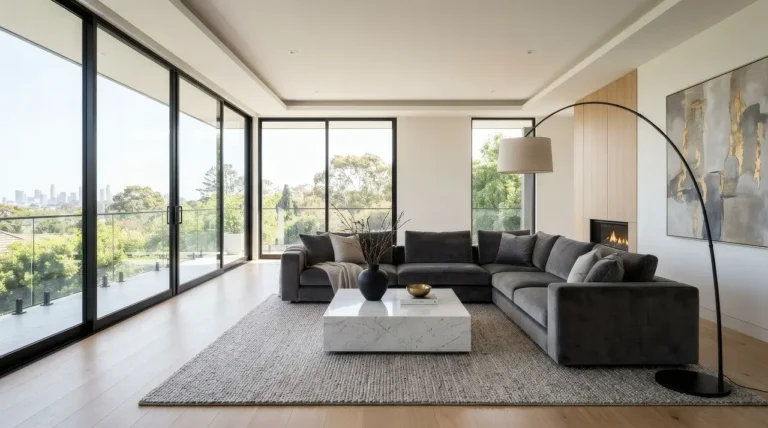
A common rule of thumb is to keep the piece about two-thirds the width of the sofa. That leaves enough visual balance without blocking the front of the seating area. The sofa-to-table gap should usually stay near 16–18 inches so you can move through the room without bumping knees.
Traffic flow in small living rooms
In a small living room, a bulky table can choke circulation. A storage ottoman may help because it reduces visual clutter and can hide extra items inside, but only if the room still has clear paths on all sides. If the room is tight and the family passes through it often, prioritize the easiest route over the biggest storage box.
Say your sofa is about 84 inches wide and your room opens into a hallway on one side. A centered ottoman that is about two-thirds that width leaves a cleaner path than a long coffee table that crowds the walkway. In that layout, shape and clearance matter more than the style label.
Which is better for small living rooms?
A storage ottoman is often better in a small living room when hidden storage, soft edges, and multipurpose use matter most. A coffee table is better when the room is used every day for drinks, reading, or work and you need a firm top that never asks for a tray. The best choice depends on circulation as much as on size.
When a storage ottoman helps more
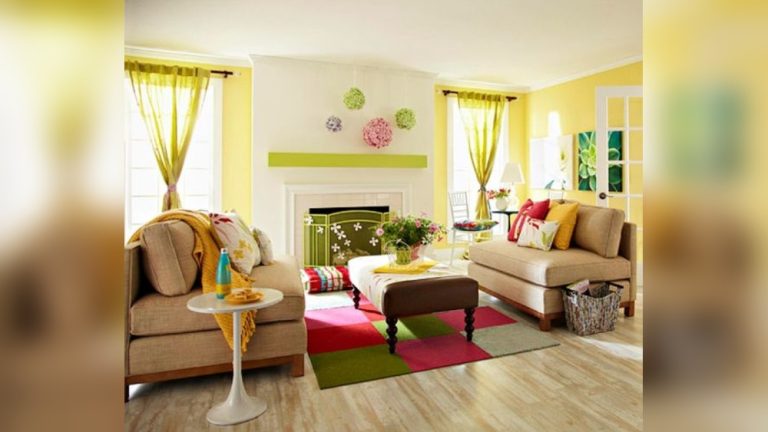
If the room feels crowded with toys, throws, or extra pillows, a storage ottoman can clear the visual noise. It can replace a coffee table in a cramped living room and still provide tabletop function, seating, and storage. That only works well when the top is styled lightly, not piled high.
When a coffee table helps more
If you host often or work from the sofa, the coffee table usually stays easier to use. A hard-topped storage coffee table or standard coffee table is the better path when stable drinks, snacks, reading, or work are the priority. That is the better path when tabletop function matters every day, not just sometimes.


Choose Storage Ottoman if… / Choose Coffee Table if…
Choose Storage Ottoman if you want soft edges, hidden storage, and a piece that can also act as a footrest or extra seat. It is the better pick for child-friendly rooms, clutter control, and smaller spaces that need one object to do several jobs.
Choose Coffee Table if you need a hard, flat surface for drinks, books, snacks, or laptop use every day. It is also the safer choice when you do not want to manage trays, lid movement, or a soft top that changes under pressure.
Choose the storage ottoman when the room is more about lounging than working. Choose the coffee table when the center of the room has to perform like a daily surface, not just like a soft accent.
- Measure the sofa width and target a center piece near two-thirds of that width.
- Check the sofa seat height and aim for a top that sits close to it.
- Leave about 16–18 inches of clearance between the sofa and the piece.
- Decide whether drinks, laptop use, seating, or storage matters most.
- Choose a tray-top or cocktail ottoman only if you need table-like function from an ottoman.
Frequently asked questions
Do you need a coffee table if you have an ottoman?
Not always. If your ottoman has a stable tray top and your room does not need daily hard-surface use, you may not need a separate coffee table. But if you host often, work from the sofa, or want a place for drinks without extra setup, a coffee table is still the better tool.
What is the difference between a storage ottoman and a coffee table
A storage ottoman is upholstered, soft-edged, and built around hidden storage plus seating or footrest use. A coffee table is built around a hard, flat surface for drinks and decor, and may add drawers or shelves. The first favors comfort and flexibility; the second favors daily tabletop function.
Do ottomans have storage?
Many do, but not all. A storage ottoman includes a hidden compartment, while a standard ottoman may be purely upholstered and used only for seating or as a footrest. If storage matters, confirm that the lid lifts or removes before you buy.
Does an ottoman have to have storage?
No. An ottoman can be storage-based or non-storage. If you only want a soft footrest or extra seat, a plain ottoman may be enough. If you need clutter control, look specifically for hidden storage or a lift-top design.
Which is better for a small living room: an ottoman or a coffee table
It depends on what the room must do most often. A storage ottoman is better when you want hidden storage, soft edges, and a flexible seat. A coffee table is better when the room needs a stable surface for drinks, work, and frequent daily use.
How do you keep drinks stable on a storage ottoman?
Use a tray with raised edges, keep the load centered, and avoid soft lids that compress too much. A lift-top ottoman can help if the hardware is strong and the top stays level. Without a tray or firm top, drinks are much more likely to tip.
What size should a coffee table or ottoman be for a sofa?
A common rule is to keep the piece about two-thirds the width of the sofa and leave about 16–18 inches between the sofa and the table or ottoman. The top should sit close to sofa seat height, with ottomans ideally matching the seat or sitting slightly lower.
Products related to this article
Sponsored / affiliate links. As an Amazon Associate I earn from qualifying purchases. I may earn additional commission from eligible campaigns.