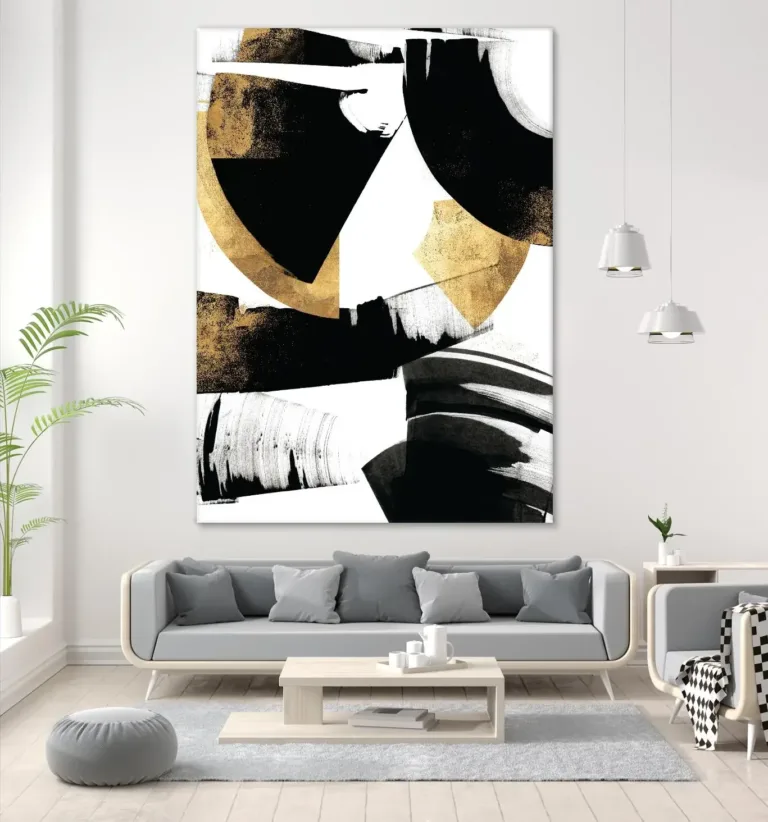
Difference Between Ottoman and Pouf: Effortless Guide
Quick Summary: An ottoman is typically larger, sturdier, and often has storage, serving as a footrest or coffee table. A pouf is generally smaller, softer, and more decorative, primarily used as a footrest or extra seating. The main differences lie in their size, structure, functionality, and style.

Cambridge University Press
Empire of Difference: The Ottomans in Comparative…
- Used Book in Good Condition
As an Amazon Associate I earn from qualifying purchases.
Ever stared at furniture store tags and wondered, “What’s really the difference between an ottoman and a pouf?” You’re not alone! It’s a common question that can leave you scratching your head. Both can be comfy spots for your feet or extra seats, but they’re not quite the same. Understanding these differences can help you pick the perfect plush or sturdy companion for your living room, bedroom, or even your den. Let’s break it down without any confusing jargon, so you can choose wisely and add just the right touch to your space.
Ottoman vs. Pouf: What’s the Deal?
Let’s get straight to it. While they share the common goal of providing comfort and style, ottomans and poufs have distinct characteristics. Think of them like cousins in the furniture world – related, but with their own unique personalities and jobs.
An ottoman is often a more substantial piece. It can be upholstered, but beneath that fabric, you’ll usually find a solid frame, whether that’s wood or a strong internal structure. This gives it a bit more heft and versatility. Many ottomans come with built-in storage, which is a massive bonus for decluttering. They can easily double as a coffee table, especially if they have a flat top or a tray can be placed on them. They are designed to be a more permanent fixture, offering reliable support for your feet or even as a seat.
A pouf, on the other hand, is typically softer and more casual. It’s often round or square, filled with a soft material like beans, foam, or stuffing. This filling gives it that squishy, inviting feel. Poufs are lighter and easier to move around, making them great for flexible seating arrangements. While some poufs can support a tray, they aren’t generally as robust as ottomans for this purpose. Their primary role is often as a stylish footrest, a decorative accent, or a quick, unserious seat for guests.

Key Differences at a Glance
To make things crystal clear, let’s put their main differences side-by-side. This will help you quickly see which one might be the better fit for your needs.
| Feature | Ottoman | Pouf |
|---|---|---|
| Structure & Frame | Usually has a solid internal frame (wood, metal) | Typically soft-filled, no rigid internal frame |
| Size | Generally larger and more substantial | Usually smaller and more compact |
| Functionality | Footrest, coffee table, extra seating, storage | Footrest, decorative accent, casual seating |
| Material & Fill | Upholstered over a frame; can be leather, fabric, wood/metal top | Often fabric, yarn, leather; filled with beans, foam, batting |
| Durability & Support | More durable, offers firmer support | Softer, can be less supportive for heavy use |
| Mobility | Heavier, less portable | Lighter, easily portable |
| Style | Can range from traditional to modern, often anchors a room | Typically casual, bohemian, or accent piece |
| Storage | Often features built-in storage | Rarely has storage |
Ottoman: The Versatile Workhorse
When you think of an ottoman, picture something that can handle a few jobs. It’s the reliable friend who’s always ready to help out.
What Makes an Ottoman an Ottoman?
- Sturdy Construction: The defining feature is its internal frame. Whether it’s a solid wood box, a metal skeleton, or a dense foam core covered with upholstery, there’s a structure that provides a firm base. This means it won’t easily collapse or lose its shape.
- Size Matters: Ottomans are typically larger than poufs. You’ll find rectangular, square, or even round ottomans that are generously sized, often matching the scale of your sofa or accent chairs.
- Multi-Purpose Powerhouse: This is where ottomans shine. They are fantastic footrests, of course. But many are designed to function perfectly as a coffee table. Think of ones with flat, hard tops, or simply place a sturdy tray on a cushioned one for drinks and snacks. The added benefit of storage in many models makes them clutter-busting champions.
- Variety in Style: Ottomans come in a vast array of styles. You can find sleek, modern designs with clean lines and metal legs, or plush, traditional styles with tufting and decorative trim. Upholstered in everything from rich leather to durable performance fabrics, they can seriously elevate your room’s decor.
Types of Ottomans to Consider
Because they are so versatile, ottomans come in different forms:
- Storage Ottomans: These are hugely popular. Lift the top, and you reveal a hidden compartment perfect for blankets, remotes, magazines, or even toys. They are functional pieces that help keep your living space tidy.
- Storage Bench Ottomans: A bit more like a bench, these are longer and often have a hinged or lift-off top, offering even more storage capacity. They can sometimes seat two people comfortably.
- Tray Ottomans: Some ottomans come with a built-in tray on one side or a reversible lid that functions as a tray. This makes them even more practical for use as a coffee table.
- Hinged or Lift-Top Ottomans: Similar to storage ottomans, but the entire top opens, often with a gas lift mechanism for ease of use.
- Button-Tufted Ottomans: These add a touch of classic elegance with their decorative button detailing.
When to Choose an Ottoman:
- You need a piece that can serve multiple functions (footrest, coffee table, storage).
- You want a more substantial, anchor piece for your living room.
- You have the space for a larger furniture item.
- You want to keep items organized and out of sight.
For a deeper dive into how furniture is constructed and what to look for in quality upholstery, you might find resources from organizations like the Federal Trade Commission’s consumer information on furniture helpful. They offer tips on understanding materials and ensuring you get durable pieces.
Pouf: The Chic and Cozy Companion
Now, let’s talk about the pouf. These are the charming, often smaller, pieces that bring a touch of relaxed style and extra comfort.
What Makes a Pouf a Pouf?
- Soft and Supple: The biggest giveaway is its lack of a rigid frame. Poufs are typically made from fabric or yarn stitched together and then filled with soft materials. Common fillings include polystyrene beads (like in beanbags), shredded foam, or soft batting. This gives them a squishy, huggable quality.
- Compact and Lightweight: Poufs are usually smaller than ottomans, making them easy to pick up and move around. They can slide under a coffee table, be tucked into a corner, or brought out when needed for extra seating.
- Decorative Focus: While functional as a footrest or a casual seat, poufs are often chosen for their aesthetic contribution. They come in a dazzling array of colors, textures, and patterns, from chunky knit designs to colorful woven fabrics and soft leather. They can add a pop of personality to a room.
- Casual Vibe: Poufs generally lend a more relaxed, bohemian, or contemporary feel to a space. They are less formal than many ottomans.
Popular Pouf Styles
The variety in poufs stems mostly from their outer material and design:
- Knit Poufs: These have a cozy, handmade feel, often made from thick wool or yarn in a chunky knit pattern. They are super popular for adding texture.
- Woven Poufs: Made from various fabrics like cotton, jute, or synthetic materials, woven poufs can feature intricate patterns and a more structured, yet still soft, feel.
- Leather Poufs: These can offer a more sophisticated look, often with a slightly more substantial feel than fabric poufs, but still retaining their signature soft filling.
- Embroidered Poufs: Adding an artistic touch, these often feature detailed embroidery or applique designs.
- Bead or Sequin Poufs: For a touch of glamour, some poufs are adorned with beads or sequins.
When to Choose a Pouf:
- You need a comfortable place to rest your feet.
- You want a decorative accent piece to add color or texture.
- You need flexible, casual seating that can be easily moved.
- You have limited space and need a more compact option.
- You prefer a softer, more relaxed furniture style.
When choosing any soft furnishings, understanding material care is important. For instance, for natural fibers like jute or cotton, you might consult guides on indoor air quality (while not directly about poufs, it touches on materials often used in homes and their potential impact or care needs), or look for specific care instructions for the material type.
Can a Pouf Replace an Ottoman?
This is where it gets interesting. For some uses, yes! If your primary need is a soft spot to prop up your feet, and you don’t need storage or a hard surface for drinks, a pouf can absolutely do the trick. They are perfect for a cozy reading nook or a casual living room.
However, if you envision using the piece as a primary coffee table, or if you need it for substantial storage, a pouf generally falls short. Its lack of a rigid frame means it won’t provide a stable surface for trays piled with items, and it won’t offer the structural integrity for heavy items or frequent use as a bench.
Think of it this way: You can use a pouf as a type of ottoman (meaning a footrest), but an ottoman is usually designed for more than just being a footrest.
Can an Ottoman Replace a Pouf?
Absolutely, but with a caveat regarding style and mobility. An ottoman can certainly serve as a footrest and add comfort to a room. If you choose a soft-topped ottoman, it can even offer some of the plushness a pouf provides. However, an ottoman’s larger size and solid construction mean it won’t be as easy to move around. If your goal is a light, decorative accent that can be repositioned frequently, a pouf might be a better choice. Also, if you’re going for a very casual, bohemian, or extremely minimalist look, a large, formal ottoman might feel out of place compared to a smaller, softer pouf.
When Functionality Meets Style: Choosing the Right Piece
The decision between an ottoman and a pouf often comes down to how you plan to use the furniture and the overall style you’re aiming for.
Consider Your Space and Needs:
- Living Room Anchor: If you’re furnishing a main living area and want a piece that can serve as a coffee table alternative, offer storage, and provide comfortable seating or a footrest, a substantial ottoman is likely your best bet.
- Bedroom Accent: A small, decorative pouf can be a lovely addition at the foot of a bed. It’s perfect for a quick seat when dressing or another surface for a stylish accessory.
- Reading Nook Comfort: A plush pouf is ideal for tucking into a corner with a comfy chair and a lamp – the perfect place to rest your feet while you dive into a book.
- Playroom Fun: Beanbag-style poufs are fantastic for children’s rooms or play areas. They’re soft for safe play and encourage casual lounging.
- Small Apartment Solutions: A round ottoman with storage can be a lifesaver in a small space, providing that much-needed extra surface and storage without overwhelming the room. A small pouf can add a touch of style without taking up much floor space.
Materials and Maintenance:
Both ottomans and poufs come in a wide range of materials, and your choice will impact maintenance and durability:
- Leather: Durable and easy to wipe clean. Can be more expensive.
- Fabric (Cotton, Linen, Polyester): Offer a huge variety of colors and patterns. Some are treated for stain resistance. Cleaning can vary; always check the care label.
- Velvet: Luxurious and soft but can be prone to crushing and may require professional cleaning.
- Yarn/Knit: Cozy and stylish but can snag easily and might be harder to clean thoroughly.
- Jute/Rattan: Natural, earthy materials that add texture. Can be prone to fraying and may not be suitable for high-traffic, high-spill areas.
No matter the material, always check the manufacturer’s care instructions. For general cleaning tips on upholstery, resources from university extension offices, like those found through University of Connecticut’s Extension (which often have home economics departments with great advice), can provide valuable, research-backed guidance on fabric care and stain removal.

Frequently Asked Questions (FAQ)
Q1: Are ottomans and poufs the same thing?
No, they are not exactly the same, though they are often used for similar purposes. An ottoman typically has a more structured, framed construction and can serve as a coffee table or storage piece. A pouf is usually softer, filled with material like beans or foam, and is more of a decorative accent or casual seat.
Q2: Can I use a pouf as a coffee table?
You can use a pouf as a casual coffee table, especially if you place a sturdy tray on top to hold drinks and snacks. However, poufs lack the rigid structure of a traditional coffee table or an ottoman, so they may not be as stable for heavier items or very active use.
Q3: Do ottomans always have storage?
No, not all ottomans have storage. While storage ottomans are very popular for their practicality, many ottomans are simply upholstered pieces with a frame, designed purely as a footrest or coffee table surface.
Q4: Are poufs comfortable for sitting?
Poufs are generally comfortable for casual, short-term seating. Their soft, yielding nature makes them inviting. However, they are less supportive than a chair or a firm ottoman, so they might not be ideal for long periods of sitting.
Q5: Which is better for a small space, an ottoman or a pouf?
For a very small space, a compact pouf is often a better choice. It’s lightweight, easy to move, and adds a touch of style without dominating the room. If you need more functionality like storage or a table surface, a smaller storage ottoman could also work, but a pouf is generally simpler and more adaptable in tight quarters.
Q6: What kind of pouf is best for heavy use?
For heavy use, look for a pouf made from durable, tightly woven fabric (like a thick cotton blend or performance fabric) and filled with dense foam or a mix of foam and beads. Harder, more structured poufs will hold their shape and offer better support than very soft, squishy ones.
Q7: How do I choose the right size ottoman or pouf for my room?
For an ottoman, aim for one that is about two-thirds the length of your sofa. It should be low enough to the ground to be comfortably used with your seating. For a pouf, consider its primary use. A footrest pouf can be smaller. If it’s meant for casual seating or as an accent, its size will be more about visual balance with surrounding furniture.
In Conclusion: Finding Your Perfect Foot (or Seat!) Companion
So, there you have it! The difference between an ottoman and a pouf boils down to their construction, size, versatility, and intended style. An ottoman is the more robust, multi-functional piece, capable of holding down your coffee table duties, storing your clutter, and providing a solid resting spot for your feet or additional seating. A pouf, on the other hand, is the charming, softer, and more portable option, perfect for adding a casual flair, a touch of texture, and a simple resting place
Related pick: Check today's price on Amazon
Products related to this article
Sponsored / affiliate links. As an Amazon Associate I earn from qualifying purchases. I may earn additional commission from eligible campaigns.