Best Kitchen Cabinets for Renters (2026): we compared
The best kitchen cabinets for renters are freestanding base cabinets, rolling pantry cabinets, or adhesive-free cabinet covers; choose one that needs zero drilling and can leave in one piece on move-out. Pick the wrong one and you can scar walls, lose your deposit, or end up with storage that wobbles and fails under daily use. I have seen the damage a bad fit causes. This guide compares renter-safe cabinet options by storage need, lease risk, and how easily each comes out at move-out.
This guide is part of our Chairs guide: types, buying and care series.
Quick comparison
| Product | Badge | Best for | Price | ||
|---|---|---|---|---|---|
 |
LACHEERY Large Size 36"x160" Grey White Marble ContactLACHEERY | Our pick | 36" x 160" grey marble contact paper | $49.99
Price as of 28 Sep 2026
|
View |
 |
Anobeyi Adhesive Cabinet Handle, 5.7" No Drill Pull Handle,Anobeyi | Pair with it | 5.7" gold no-drill cabinet handles | $9.99
Price as of 28 Sep 2026
|
View |
 |
Light Wood Grain Contact Paper Peel and Stick Wallpaper AAuraCyzirine | Budget pick | 17.3" x 120" natural wood contact paper | $7.99
Price as of 28 Sep 2026
|
View |
 |
Cooyes Shelf Liner Non-Adhesive EVA Cabinet & Drawer LinerCooyes | Also great | 11.8" x 120" non-adhesive EVA shelf liner | $7.49
Price as of 28 Sep 2026
|
View |
 |
Livelynine 24 X 197 Inch Navy Peel and Stick Wallpaper forLivelynine | Our pick | $34.99
Price as of 22 Oct 2026
|
View |
This comparison separates true cabinets from covers and organizers, because renters often need different solutions for storage, looks, and lease safety. For most renters, a freestanding cabinet is the best choice, since it adds real capacity without wall damage and leaves with the tenant cleanly.
How we chose
Each option was judged on lease safety, usable storage per square foot, move-out labor, moisture and grease tolerance, and fit for apartment kitchens. I weight that more than a pretty front panel when a cabinet has to handle cooking steam, tight walkways, and a full move-out day.
| Option | Lease risk | Storage gain | Install time | Move-out ease | Moisture resistance | Budget |
|---|---|---|---|---|---|---|
| Freestanding cabinet | Low | High | Low to medium | High | Medium to high, depends on material | Medium |
| Modular cabinet system | Low | High | Medium | Medium to high | Medium | Medium to high |
| Rolling kitchen cart | Low | Medium | Low | High | Medium | Low to medium |
| Peel-and-stick cabinet wrap | Medium | Low | Medium | Medium | Low to medium | Low |
| Tension or over-cabinet organizer | Very low | Low to medium | Very low | Very high | Medium | Low |
| Paintable contact paper or shelf liner | Low to medium | Low | Medium | Medium | Low to medium | Very low |
| Hardware upgrade | Very low | None | Low | High | Medium | Very low |
Freestanding cabinet: best for real storage
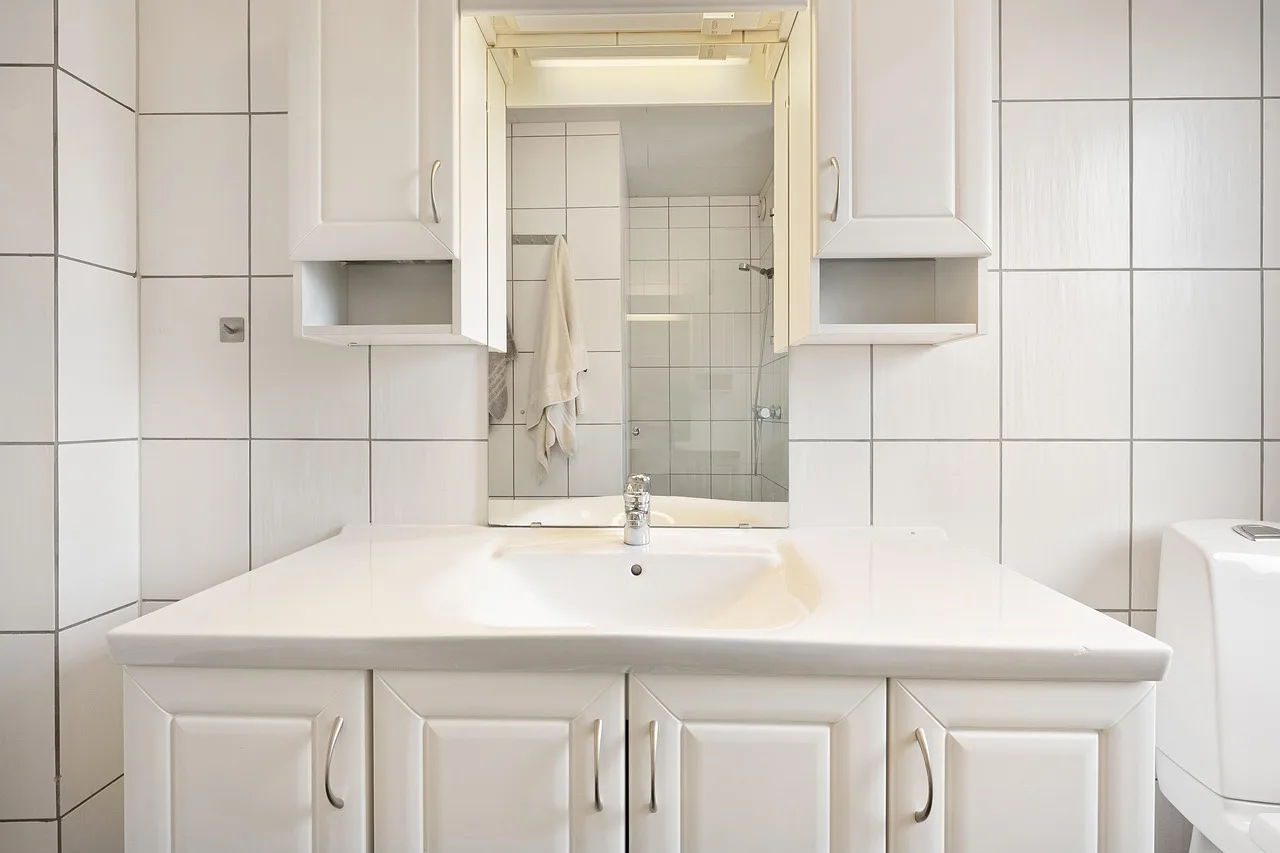
Freestanding cabinets suit renters who need pantry or base storage without wall mounting. They come in a range of common widths, so they can fit beside a fridge, at the end of a run, or in an unused corner, then move out in one piece.
Material choice matters here. Laminate holds up better against splashes than bare MDF, while solid wood takes wear well but can swell if water sits on it. In a greasy kitchen, I care more about a wipeable finish than a decorative face frame.
The drawback is size and weight. A freestanding cabinet can eat floor space fast, and if the kitchen is already tight, a deep unit may block appliance doors or shorten the working aisle. Measure before buying, not after delivery.
Modular cabinet system: best for awkward layouts
Modular systems work best in kitchens with odd corners, short wall runs, or changing storage needs. Stackable units with shelves, drawers, and doors let renters build storage in stages, which helps when the floor plan does not suit a single full-width cabinet.
These systems are useful when one side needs closed storage and the other side needs open shelves for daily items. Interchangeable widths also make them easier to fit under windows or around radiators than one fixed cabinet body.
The weak point is cost and coordination. A modular setup can cost more than a simple freestanding cabinet, and mixing several units means more seams, more leveling, and more chances for a wobbly run if the floor is uneven.
Rolling kitchen cart: best for flexible prep space
A rolling kitchen cart is the right pick when prep space matters as much as storage. Lockable casters let it move where needed, then stay put while chopping, staging dishes, or holding a microwave. It is especially helpful in studio kitchens and shared rentals.
Open carts are easy to grab from, while closed carts hide clutter better. If the cart will hold a microwave, check both the width and the depth of the appliance, plus the height above it so heat can escape and the cord does not pinch.
The drawback is stability and dust. Light carts can shift on uneven floors, and open shelving collects grease faster than enclosed doors. A cart adds flexibility, but it does not replace a full cabinet when dry pantry storage is the main goal.
Peel-and-stick cabinet wrap: best for a fast visual reset
Peel-and-stick wrap is for renters who want the cabinet look without buying new boxes. It uses removable adhesive vinyl over existing doors, so it is mainly a cosmetic change, not a storage solution. It can be a smart fix for dated finishes in a short lease.
It works best on smooth, clean, dry substrates. Raised panel doors, peeling laminate, and greasy film make adhesion less reliable. Heat from ovens and humidity from sinks can also lift edges if the wrap is cut too tight or not pressed down well.
The drawback is removal risk. Even when labeled removable, adhesive can leave residue or tear on old surfaces, especially on low-grade finishes. It is safer than paint in many rentals, but it is not as forgiving as a freestanding cabinet.
Storage inserts and quick fixes: best for low-cost renter upgrades
Quick fixes help when the cabinet boxes already exist and the renter only needs better use of space or a cleaner look. Tension organizers, over-cabinet racks, shelf liner, and reversible hardware swaps can improve daily use without turning the kitchen into a project.
These are the least disruptive options, and they are also the easiest to reverse. They work well when the lease is strict, the budget is small, or the kitchen is temporary and should look better without any major purchase.
Tension and over-cabinet organizers
Tension or over-cabinet organizers install without tools and add vertical storage inside doors or on shelves. They are useful for lids, wraps, spices, and cleaning supplies. The drawback is limited capacity; they solve clutter, not a missing cabinet run.
Paintable contact paper or shelf liner
Paintable contact paper or non-adhesive shelf liner is a low-cost way to cover flat panels, line shelves, or clean up worn interiors. Edge sealing matters on adhesive versions because lifted corners catch water and grime. On damp cabinets, the removal risk rises fast.
Hardware upgrade
New pulls or knobs can make older rental cabinets look cleaner without altering the cabinet box. The key measurement is center-to-center spacing, along with screw size and hole pattern. Keep the originals in a labeled bag, or the upgrade stops being reversible.
What fails in greasy or damp kitchens
Adhesive products struggle when steam, oil, and repeated wiping hit the same edges. Thin liner can curl, wrap can blister near the stove, and decorative covers can look tired quickly if the door surface was not degreased first. In these kitchens, simple and removable usually wins.
how to cover rental kitchen cabinets
The safest ways to cover rental kitchen cabinets are peel-and-stick wrap, paintable contact paper on flat surfaces, removable shelf liner, and reversible hardware swaps. Each one changes the look without permanent drilling, but the cabinet surface must be clean, smooth, and dry before any adhesive goes on.
For doors with heavy grain or chipped finish, wrap usually performs better than thin contact paper because it is made to cover larger visible areas. For interiors, shelf liner is safer because it lifts out without changing the cabinet box or hinge area.
- Degrease the surface and let it dry fully.
- Check whether the door is smooth or raised panel.
- Test a small hidden section for residue.
- Trim edges away from heat and water exposure.
- Keep original hardware in storage.
what are the best kitchen cabinets for rental property
For rental property, the best kitchen cabinets are freestanding base cabinets or modular units that add storage without wall attachment. They give the most usable capacity for the least lease risk, and they can be moved, stored, or resold when the tenancy ends.
If the goal is only appearance, wraps and liners can help. If the goal is daily function, a cabinet with doors and a solid top beats decorative coverage because it gives protected storage for dry goods, small appliances, or cleaning supplies.
what is the best color kitchen cabinets for rental
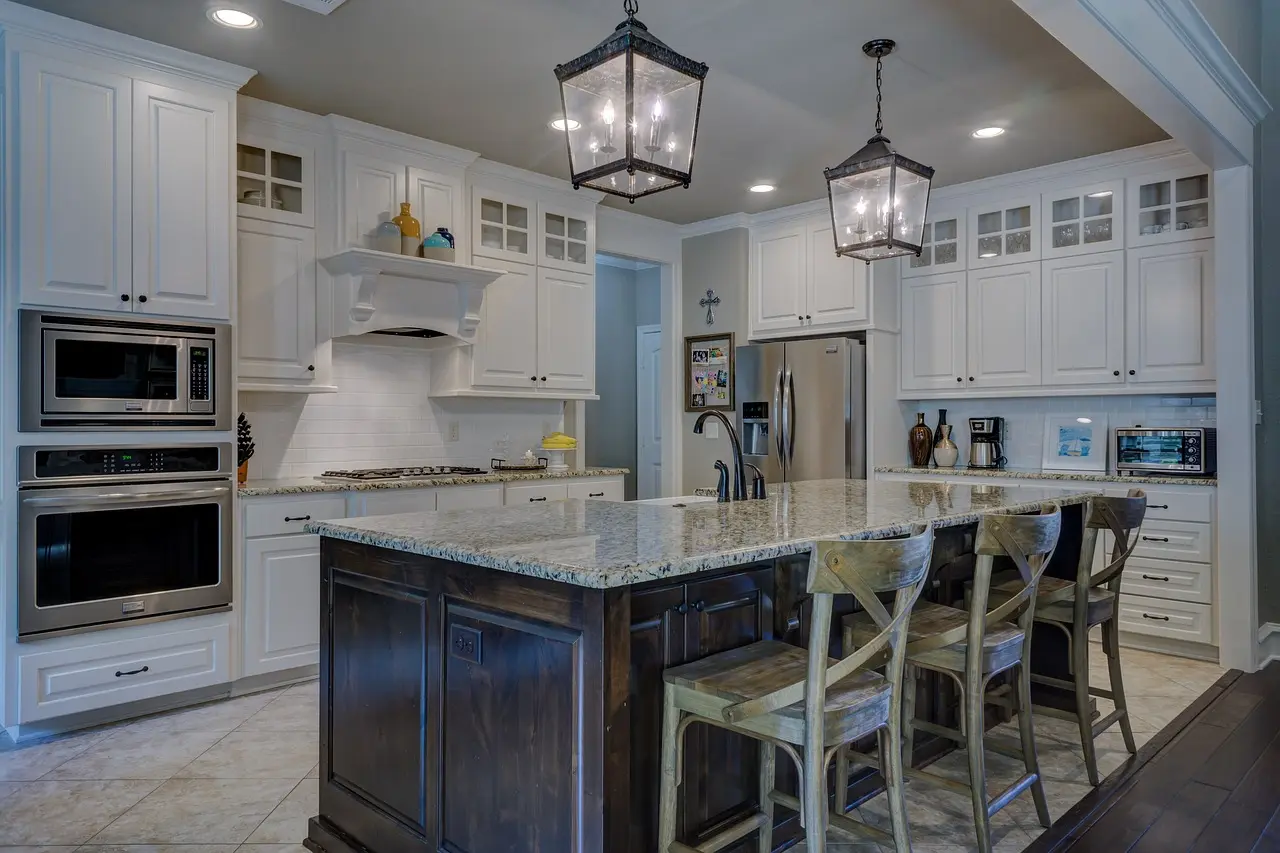
The best color for rental kitchen cabinets is usually a neutral that hides wear and works with mixed finishes, such as warm white, light oak, soft gray, or muted navy. The right color depends on light, floor tone, and how much cooking grime the kitchen collects.
For short leases or shared homes, lighter neutrals make the space feel cleaner and help a mismatch between appliances and counters fade into the background. Dark finishes can look sharper, but they show dust, fingerprints, and edge wear more quickly.
what is the most durable kitchen cabinet finish for a rental property
The most durable cabinet finish for a rental property is usually laminate or another wipeable factory finish, because it resists grease and routine cleaning better than raw painted MDF. Solid wood is durable too, but it needs better moisture control around sinks and dishwashers.
MDF is the least forgiving in damp kitchens. Once moisture gets into exposed edges, swelling can start and the damage is hard to hide. For a renter, a finish that handles repeated wiping without peeling or absorbing water is more useful than a delicate decorative coating.
how can I make rental cabinets look expensive on a budget
Rental cabinets look more expensive on a budget when the doors are visually consistent, the hardware is matched, and the surfaces are clean and flat. New pulls, shelf liner, and a well-fitted cabinet wrap often do more than trying to repaint worn boxes in a hurry.
Small changes matter most when the cabinet fronts are plain. Straight, evenly spaced handles and tidy edge cuts can make old cabinets read as intentional instead of tired. The mistake is mixing too many finishes, which usually makes the kitchen look busier, not better.
what cabinet options are removable in an apartment kitchen
Truly removable apartment cabinet options include freestanding cabinets, rolling carts, modular units, tension organizers, shelf liners, and hardware changes that keep the original parts intact. Peel-and-stick products can also be removable, but their clean removal depends on the finish underneath.
Anything requiring permanent drilling, wall anchors, or heavy adhesive on fragile laminate raises lease risk. When removal speed matters, furniture-style pieces usually beat surface treatments because they leave the apartment in the same condition they entered.
should renters use peel-and-stick or freestanding cabinets
Renters should use freestanding cabinets when they need storage, and peel-and-stick when they mainly want a new look. Freestanding units add real capacity and leave cleanly; wrap changes the face of the cabinet but does not solve cramped pantry space or a lack of base storage.
If the lease is strict or the move-out date is close, freestanding pieces are usually safer. If the kitchen already functions well and only looks dated, removable wrap can be the cheaper, lighter option, provided the surface is smooth and undamaged.
how do I choose cabinets that won’t violate a lease
Choose cabinets that won’t violate a lease by avoiding permanent drilling, keeping original hardware, and checking whether the landlord allows adhesive products or added furniture in kitchen areas. A freestanding unit is usually safest because it touches the floor, not the wall, and comes out intact.
Before buying, confirm the kitchen’s dimensions, traffic paths, and appliance clearances. A cabinet that fits the lease but blocks a refrigerator door or oven handle is still the wrong purchase. Safety is about damage control and daily use, not just what looks allowed.
How to measure before you buy
Measure every side that affects fit, not only the opening where the cabinet will sit. Apartment kitchens are often tight in ways that online photos hide, so width, depth, height, toe-kick space, and door swing matter as much as the cabinet style.
A cabinet that is one inch too deep can block a dishwasher door. A cart that clears the wall but not the oven handle still fails. The goal is usable floor space after the cabinet arrives.
- Measure the cabinet width available, wall to wall.
- Measure depth from wall to the front edge of the nearest appliance.
- Measure ceiling or upper-clearance height if stacking units.
- Check toe-kick clearance so feet and baseboards do not collide.
- Measure fridge, oven, and dishwasher door swing.
- Keep at least a small walkway clear for carrying pans and groceries.
Which one should you buy?
For most renters with real storage needs, a freestanding cabinet is the best buy. For a studio or tiny kitchen, a rolling cart usually wins because it adds prep space and storage in one movable piece. For a short lease or low budget, shelf liners and hardware upgrades make the least risky changes.
If the goal is only a cabinet look, choose peel-and-stick wrap or contact paper, but do not expect them to behave like actual cabinet boxes. If the lease is strict, stay with furniture-style pieces and tool-free inserts. Use the decision matrix below to match budget, lease risk, and move-out effort.
Decision matrix for renter-safe cabinet choices
| Need | Best option | Why it fits |
|---|---|---|
| Real pantry or base storage | Freestanding cabinet | High storage gain, low lease risk, easy move-out |
| Awkward corner or mixed storage | Modular cabinet system | Stackable and adjustable for irregular spaces |
| Extra prep surface | Rolling kitchen cart | Portable, lockable, and useful in studios |
| Better cabinet appearance | Peel-and-stick wrap | Fast visual change with limited structure impact |
| Very small budget | Tension organizer or shelf liner | Lowest cost and easiest reversal |
Products related to this article
Sponsored / affiliate links. As an Amazon Associate I earn from qualifying purchases. I may earn additional commission from eligible campaigns.