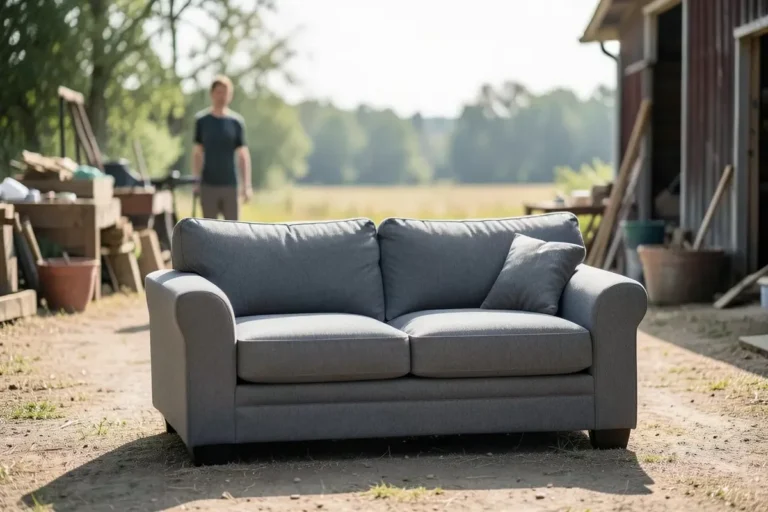
Microfiber Vs Fabric Sofa: Which Is Best for Your Living Room?
Choosing the right sofa can shape not just your living room, but your everyday comfort. Two common options, microfiber sofas and fabric sofas, often cause confusion for buyers. Both offer unique advantages and some drawbacks, but knowing how they compare can make your decision much easier. Whether you have kids, pets, or simply want a stylish and practical piece of furniture, understanding the details behind microfiber and fabric sofas is essential.
In this article, you’ll find a clear, side-by-side look at these two popular sofa types. You’ll learn about their feel, durability, cleaning needs, style options, and costs. There are also practical tips for real homes, honest comparisons, and some surprising insights that many first-time buyers miss.
By the end, you’ll be ready to choose a sofa that fits your lifestyle, not just your living room.
What Is A Microfiber Sofa?
A microfiber sofa is covered with a synthetic fabric made from very fine polyester fibers. These fibers are thinner than a human hair and are packed tightly together. The result is a soft, suede-like feel that’s also very practical. Microfiber became popular in the late 20th century as a modern alternative to traditional upholstery fabrics.
One of microfiber’s main strengths is its resistance to stains and spills. The tight weave creates a surface that liquids tend to bead up on instead of soaking in right away. This makes cleaning up small accidents much less stressful, especially in busy households.
Microfiber sofas are also known for being lightweight and easy to move. If you rearrange your space often or live in an apartment, this can be a big advantage.
What Is A Fabric Sofa?
A fabric sofa can use a wide range of materials for the upholstery, such as cotton, linen, polyester, wool, or blends. Each fabric has its own texture and feel. For example, cotton is soft and breathable, while linen is cool and crisp. Polyester blends often combine durability with a smooth touch.
Because fabric sofas come in so many varieties, they offer a huge range of styles and prices. You can find everything from casual, cozy couches to formal, classic designs. Fabric sofas are a favorite for people who want to match a specific style or color scheme.
However, the care and durability of a fabric sofa depend heavily on the type of material chosen. Some fabrics are easy to clean and stand up to daily use, while others can stain or wear out faster.
Side-by-side Comparison: Microfiber Vs Fabric Sofa
To help you see the main differences, here’s a direct comparison of key features:
| Feature | Microfiber Sofa | Fabric Sofa |
|---|---|---|
| Material | Synthetic (polyester microfibers) | Natural, synthetic, or blends (cotton, linen, wool, polyester, etc.) |
| Feel | Soft, suede-like, sometimes slightly fuzzy | Varies (smooth, textured, crisp, plush, etc.) |
| Durability | High resistance to wear, fading, and pilling | Depends on material; some fabrics wear faster |
| Stain Resistance | Excellent; liquids bead up | Varies; some fabrics stain easily |
| Cleaning | Usually easy; often just soap and water | Can require special cleaners; varies greatly |
| Color/Style Range | Good, but often limited in texture | Very wide range of colors, patterns, textures |
| Cost | Usually mid-range | Wide range; from budget to luxury |
| Pet Friendliness | Good (resists claw marks, easy to clean fur) | Depends; some fabrics attract hair or snag easily |
| Allergy Concerns | Less likely to trap dust, pollen, or dander | Some fabrics can collect allergens |
Comfort And Feel
Microfiber Sofa: Soft And Cozy
Microfiber’s smooth, almost velvety surface makes it feel warm and inviting. The fabric is gentle to the touch and often feels soft even after years of use. Many people compare it to suede, but with a lighter, less sticky feeling.
If you like to lounge on your sofa or take naps, microfiber can be especially comfortable. The material holds warmth, making it a great choice for cooler climates or for people who want a cozy place to relax.
Fabric Sofa: Variety For Every Preference
With fabric sofas, the comfort level depends on the specific material. Cotton and linen tend to feel cool and breathable, which is nice in warm weather. Wool blends add a touch of warmth and texture, while polyester and synthetic blends can be made to mimic almost any other fabric.
Some people prefer the crispness of linen, while others love the plushness of velvet or chenille. If you want a sofa that matches a specific tactile preference, a fabric sofa offers more choices.
Pro Tip: Always test a sofa in person, if possible. The same material can feel very different depending on the sofa’s construction and the exact blend used.

Credit: www.kovifabrics.com
Durability And Longevity
Microfiber Sofa: Built For Busy Homes
Microfiber’s tight weave makes it highly durable. It’s resistant to wear and tear, and most microfiber sofas keep their color even after years of sunlight and use. The fabric doesn’t pill easily and is less likely to snag, which is good news for homes with pets or children.
In my experience, a well-made microfiber sofa can look almost new for 7, 10 years with basic care. However, cheaper microfiber blends can sometimes flatten out or lose their softness over time.
Fabric Sofa: Depends On The Material
Durability for fabric sofas is not one-size-fits-all. Some natural fabrics, like cotton and linen, can fade or wear thin, especially in direct sunlight. Others, like high-quality polyester or blended fabrics, can last a long time and resist stains and fading.
Wool and heavy-duty synthetics are among the most durable fabric types. However, delicate fabrics like silk or low-thread-count cotton are more likely to show signs of use quickly.
Example: A linen sofa in a sunny window might fade after just a few years, while a polyester-blend fabric in the same spot could look good much longer.
Stain Resistance And Cleaning
Microfiber Sofa: Easy To Clean
One of microfiber’s top selling points is how well it resists stains. Liquids usually stay on the surface, giving you a chance to wipe them up before they soak in. For most spills, a damp cloth or mild soap is enough.
Pet owners often prefer microfiber because it doesn’t trap odors and pet hair brushes off easily. If you have allergies, microfiber is a smart choice because dust and pollen don’t settle into the fabric as deeply as they do with looser weaves.
Microfiber is not immune to all stains, oil-based spills can be harder to remove, and some colored liquids might leave a mark if not cleaned quickly.
Fabric Sofa: Varies Greatly
Cleaning a fabric sofa depends on the material. Some, like treated polyester, are nearly as easy to clean as microfiber. Others, like cotton or linen, can absorb stains quickly and may require special cleaners.
Many fabric sofas have removable, washable covers, which makes cleaning easier. However, always check the care tag before washing, as some covers can shrink or change texture.
Warning: Avoid harsh chemicals on any fabric sofa. They can damage the fibers or fade the color.
Style And Appearance
Microfiber Sofa: Consistent, Modern Look
Microfiber sofas usually have a smooth, even texture and solid colors. They fit well with modern or minimalist décor. You’ll often see microfiber sofas in shades of gray, beige, or brown, but some brands offer brighter colors.
Patterns and heavy textures are less common in microfiber, though some manufacturers emboss patterns or create two-tone effects.
Fabric Sofa: Nearly Unlimited Options
Fabric sofas offer almost endless choices for color, pattern, and texture. You can find everything from bold floral prints to classic stripes or modern geometric designs. Texture options include velvet, tweed, canvas, and more.
If you want a sofa that stands out or matches a unique design vision, fabric sofas give you the most flexibility.
| Appearance Factor | Microfiber | Fabric (General) |
|---|---|---|
| Color Range | Wide (mostly solids) | Very wide (solids, patterns, prints) |
| Texture Options | Mostly smooth, suede-like | Many (velvet, tweed, linen, etc.) |
| Pattern Choices | Limited | Extensive |
| Best For | Modern, minimalist, family rooms | Traditional, eclectic, statement pieces |
Cost Considerations
Microfiber Sofa: Affordable For Most Budgets
Microfiber sofas are usually priced in the middle range. They are less expensive than genuine leather or designer fabric sofas but can cost more than basic cotton couches. Prices depend on size, brand, and quality, but most people can find a microfiber sofa that fits their budget.
What makes microfiber a good value is its durability and low maintenance. You often spend less on cleaning products or professional cleaning services over the years.
Fabric Sofa: Wide Price Range
Fabric sofas can be very budget-friendly or extremely expensive, depending on the material and brand. Simple cotton sofas are usually the least expensive, while luxury fabrics like velvet or wool blends can cost much more.
If you choose a custom fabric or a designer brand, the price can rise quickly. However, there are plenty of affordable options in popular blends like polyester or cotton-poly.
Pro Tip: Always check the total cost, including cleaning, covers, and expected lifespan, before deciding based only on the price tag.

Credit: sunsgoods.com
Pet And Family Friendliness
Microfiber Sofa: Top Choice For Pets And Kids
Pet owners and parents often choose microfiber because it’s tough, easy to clean, and resists claw marks and fur. The tight weave means claws are less likely to snag, and pet hair can be brushed or vacuumed off without much trouble.
Kids’ spills and messes are also less stressful on microfiber. Even with frequent use, most stains can be wiped away before they set.
Fabric Sofa: Depends On The Fabric
Some fabric sofas are great for families and pets, especially those with tightly woven polyester or performance fabrics. Others, like silk or loose-weave linen, are not ideal since they can snag, stain, or wear out quickly.
If you have pets that shed a lot or children who love messy activities, look for fabrics labeled as “performance” or “stain-resistant. ” These are designed to handle everyday life better than standard options.
Allergy Considerations
Microfiber Sofa: Hypoallergenic Properties
Microfiber is popular with allergy sufferers because its dense weave doesn’t trap dust, pollen, or pet dander as easily as looser fabrics. This means there’s less buildup of allergens over time, which can make a real difference for sensitive people.
Regular vacuuming is usually enough to keep a microfiber sofa fresh and allergen-free. For deeper cleaning, most microfiber can handle steam cleaning if needed.
Fabric Sofa: Can Trap Allergens
Some fabric sofas, especially those with a loose weave or lots of texture, can hold dust and allergens. This is especially true for natural fibers like wool or cotton. If you have allergies, look for tightly woven, smooth fabrics and clean your sofa often.
Example: A velvet or chenille fabric can collect more dust than a tightly woven polyester or microfiber.

Credit: remodernliving.com
Environmental Impact
Microfiber Sofa: Synthetic Materials
Microfiber is made from synthetic fibers, usually polyester. Production of these materials uses chemicals and energy, and the fibers are not biodegradable. However, some brands now use recycled polyester or offer eco-friendly options.
Microfiber’s durability means you may replace your sofa less often, which helps reduce waste over time.
Fabric Sofa: Natural And Synthetic Options
Fabric sofas can be more environmentally friendly if made from natural, sustainable materials like organic cotton or linen. However, some natural fibers use large amounts of water and pesticides to produce. Synthetic blends have similar environmental impacts to microfiber.
If you’re concerned about sustainability, look for certifications like OEKO-TEX or sofas made with recycled materials.
Maintenance And Care Tips
No matter which sofa you choose, proper care will extend its life and keep it looking good.
- Vacuum regularly to remove dust and crumbs.
- Blot spills immediately, never rub them in.
- For microfiber, use a damp cloth or mild soap for most stains.
- For fabric, follow the care tag for cleaning instructions. Some covers can be machine washed; others need professional cleaning.
- Avoid direct sunlight to prevent fading, especially with natural fabrics.
- Rotate and fluff cushions to keep them in shape.
Warning: Never use bleach or harsh chemicals on either type of sofa, as this can damage the fibers and ruin the color.
Which Sofa Is Right For You?
Choosing between a microfiber and a fabric sofa depends on your needs, style, and budget.
- Pick microfiber if you want easy cleaning, durability, and a soft, cozy feel, especially if you have pets or children.
- Choose a fabric sofa if you want more style options, a specific texture, or an eco-friendly material.
Think about your daily habits, the amount of sunlight in your room, and whether you’re likely to eat, drink, or play on your sofa. Each material has strengths, but the best choice is the one that fits your lifestyle.
Common Mistakes When Choosing A Sofa
Many people focus only on color or price and forget about practical needs. Here are some mistakes to avoid:
- Ignoring the care instructions, some fabrics need more maintenance than you expect.
- Not testing the feel, comfort is personal, and touch matters.
- Choosing a fabric based only on appearance, think about durability and cleaning, too.
- Forgetting about pets or allergies, certain fabrics attract hair or dust.
- Not considering sunlight, some materials fade quickly in bright rooms.
Pro Tip: Always read reviews or ask for
Products related to this article
Sponsored / affiliate links. As an Amazon Associate I earn from qualifying purchases. I may earn additional commission from eligible campaigns.