Fabric vs Leather Sofa: Essential Buying Guide
Fabric vs. leather sofas: Choose the best for your home by understanding durability, comfort, style, and maintenance. This guide breaks down the pros and cons of each, making your decision easy and confident for a stylish, lasting living room centerpiece.
For a closely related home or decor topic, Is Buying a Used Couch Gross? The Truth! gives readers a useful next step.
For a closely related home or decor topic, Chaise Lounge vs Divan: Essential gives readers a useful next step.
For a closely related home or decor topic, Crate and Barrel vs Pottery Barn Sofa: Essential gives readers a useful next step.
For a closely related home or decor topic, Difference Between Bookshelf And Bookshelves: Essential gives readers a useful next step.
For a closely related home or decor topic, Who Killed Pouf? The Shocking Truth gives readers a useful next step.
For a closely related home or decor topic, What Is A Futon Sofa? Everything You Should Know gives readers a useful next step.
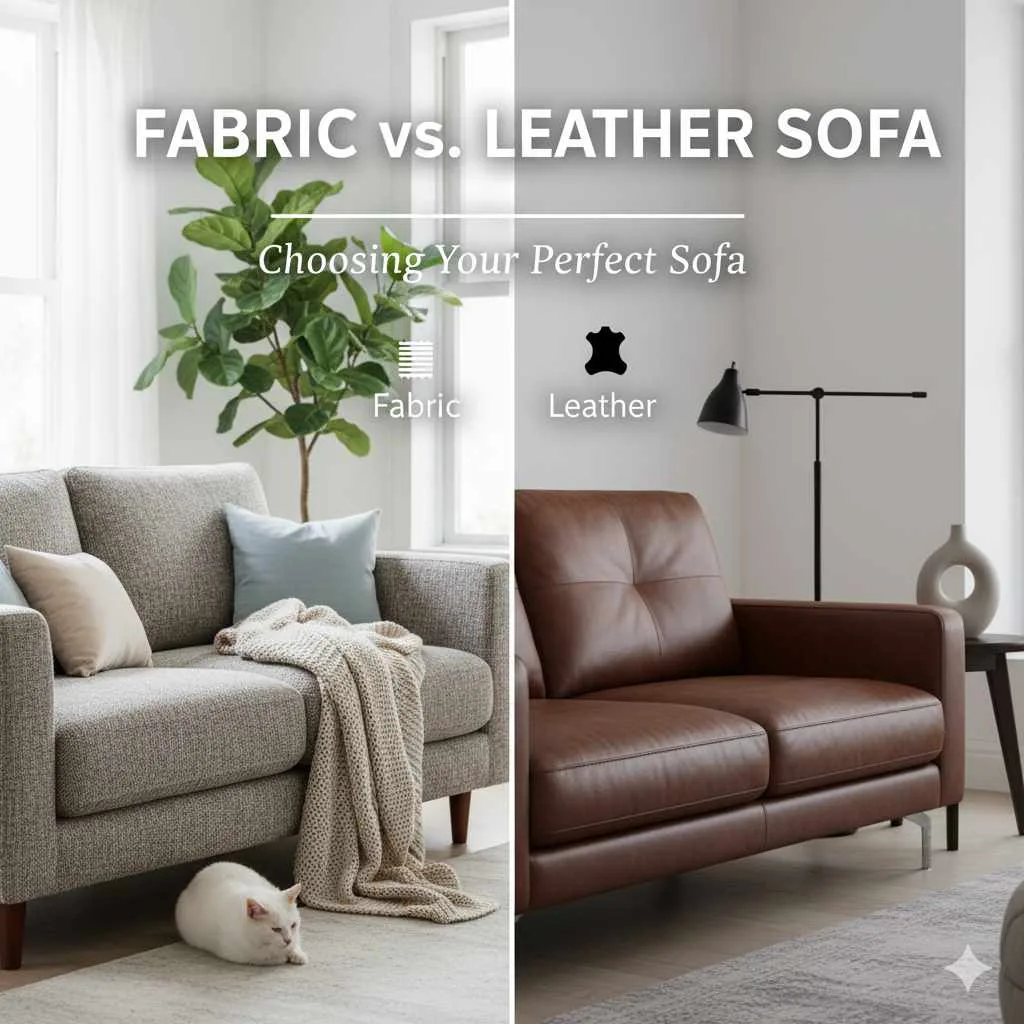
Choosing a new sofa can feel like a big decision! It’s the heart of your living room where memories are made. But then you’re faced with the age-old question: fabric or leather? Both look amazing, but they come with totally different personalities. Don’t worry, this guide is here to help you sort it all out. We’ll make picking the perfect sofa a breeze, so you can relax and enjoy your beautiful home.
Fabric vs. Leather Sofa: Your Ultimate Buying Guide
Selecting the right sofa is a cornerstone of creating a cozy and stylish living space. It’s a piece that should offer comfort, durability, and reflect your personal taste. When you’re ready to buy, the two main contenders you’ll encounter are fabric and leather. Each has its own unique charm, advantages, and considerations. Understanding these differences will empower you to make a choice you’ll love for years to come. Let’s dive in and discover which material is the perfect fit for your lifestyle and home!
Understanding the Appeal of Fabric Sofas
Fabric sofas offer an incredible range of options. From soft velvets to durable linens and cozy chenilles, the textures and colors are virtually endless. This versatility allows you to match your sofa perfectly to your existing decor or to create a bold new statement. Fabric can bring warmth and a sense of comfort that is truly inviting.
Pros of Fabric Sofas:
- Variety is Key: Huge selection of colors, patterns, and textures.
- Comfort Factor: Often feel softer and warmer to the touch, especially in cooler climates.
- Cost-Effective: Generally more affordable than leather sofas of comparable quality.
- Customization: Easier to find custom-made or slipcovered options for a unique look or easy cleaning.
- Cozy Feel: Can provide a warmer, more inviting feel to a room.
Cons of Fabric Sofas:
- Stain Susceptibility: Certain fabrics can be prone to stains and may require professional cleaning.
- Durability Concerns: Can wear out faster than leather, especially in high-traffic areas, with potential for pilling or fading.
- Pet Woes: Can snag, attract pet hair, and be a target for scratching or chewing.
- Odor Absorption: Fabrics can absorb odors from cooking, pets, or spills.
- Maintenance: Some fabrics require special care or regular vacuuming to stay fresh.

Exploring the Charm of Leather Sofas
Leather sofas exude a timeless elegance and a sophisticated air. They are known for their durability and how they beautifully age over time. A leather sofa can become a stunning focal point in any living room, offering a luxurious feel and a sleek aesthetic. They are also surprisingly easy to care for, making them a practical choice for many.
Pros of Leather Sofas:
- Exceptional Durability: Built to last, resisting tears and punctures better than many fabrics.
- Easy to Clean: Spills wipe up easily, making them ideal for families with kids and pets.
- Hypoallergenic: Less likely to harbor dust mites, allergens, and pet dander, making them great for allergy sufferers.
- Timeless Style: Offers a classic, sophisticated look that never goes out of fashion.
- Ages Gracefully: Develops a unique patina over time, adding character and value.
Cons of Leather Sofas:
- Higher Initial Cost: Generally more expensive upfront than fabric alternatives.
- Temperature Sensitivity: Can feel cold in winter and sticky in summer, depending on your climate.
- Scratch Risk: Can be susceptible to scratches from pets, sharp objects, or even keys.
- Limited Color/Pattern Options: While colors are available, the variety is less compared to fabric.
- Break-in Period: Some leathers can feel stiff initially until they soften with use.
Key Factors to Consider When Choosing
Before you make your final decision, let’s break down the most important aspects to weigh. Think about your daily life, who uses your sofa, and the overall vibe you want for your living space.
1. Durability & Lifespan
If you have a busy household with kids and pets running around, durability is likely at the top of your list. Leather generally wins in this category. High-quality leather can withstand a lot of wear and tear, often lasting for decades. Some fabrics, like microfiber or performance fabrics, are also quite durable and stain-resistant, offering a good middle ground.
For a deeper dive into material science and textile durability, you can explore resources like those from the National Institute of Standards and Technology (NIST) textiles section, which provides insights into material properties.
2. Comfort & Feel
Comfort is subjective, but many people find fabric sofas cozier and softer to the touch, especially in cooler climates. Leather can feel cool in the summer and surprisingly warm in the winter, sometimes requiring a throw blanket. The type of fabric also plays a huge role; a plush velvet will feel very different from a crisp linen.
3. Style & Aesthetics
Both fabric and leather offer distinct styles. Leather often leans towards a more modern, minimalist, or luxurious look. Fabric sofas can adapt to almost any style, from traditional and classic to bohemian and eclectic, thanks to the sheer variety of colors, patterns, and textures available.
4. Maintenance & Cleaning
If ease of cleaning is paramount, leather is usually the winner. Spills can be wiped up quickly. Fabric sofas, especially lighter colors or delicate materials, can be more challenging. However, many modern fabrics are treated for stain resistance, and slipcovers offer a convenient cleaning solution for fabric pieces.
5. Budget Considerations
Typically, leather sofas come with a higher price tag than fabric sofas of similar size and construction quality. However, the long-term durability of leather can sometimes make it a worthwhile investment. Fabric sofas offer a wider range of price points, making them more accessible if you have a tighter budget.
6. Lifestyle Factors (Kids, Pets, Allergies)
Kids: For households with young children, stain resistance and ease of cleaning are crucial. Leather or performance fabrics are often excellent choices.
Pets: If you have pets, scratch resistance and the ability to easily de-shed are important. Tightly woven fabrics or certain types of finished leather can work, but be mindful of claws.
Allergies: Leather is generally a better choice for allergy sufferers as it doesn’t trap dust mites, pet dander, and other allergens as easily as fabric.
Fabric Sofa Options: A Closer Look
The world of fabric sofas is vast! Let’s explore some popular fabric types and what makes them stand out:
Popular Fabric Choices:
- Microfiber: Exceptionally durable, soft, and resistant to stains and water. Great for homes with kids and pets.
- Cotton/Linen: Natural fibers that are breathable and often have a chic, casual look. Can be prone to wrinkling and staining if not treated.
- Polyester: Durable, resistant to fading, and can mimic the look of other fabrics. A good all-around choice.
- Velvet: Luxurious, soft, and adds a touch of opulence. Can be tricky to clean and prone to crushing.
- Chenille: Soft, cozy, and versatile. Offers a plush feel and good durability.
- Performance Fabrics: Specifically engineered for extreme durability, stain resistance, and ease of cleaning. Brands like Sunbrella or Crypton are well-known.
When choosing a fabric, always ask about its durability rating and cleaning codes. You can often find information from manufacturers or consult resources from organizations like the Utah State University Extension on fabric properties.
Leather Sofa Types: What to Know
Not all leather is created equal! Understanding the different types of leather can help you choose the best quality and finish for your needs.
Common Leather Types:
- Full-Grain Leather: The highest quality. It uses the entire grain of the hide, is strong, durable, and develops a beautiful patina. It’s also the most expensive.
- Top-Grain Leather: The second-highest quality. The outermost layer of the hide is used, and imperfections are buffed out. It’s durable and easier to clean than lower grades but less breathable than full-grain.
- Corrected-Grain (or Pigmented) Leather: The surface is buffed and covered with a polymer finish/pigment. It’s more resistant to stains and fading but can look less natural and feel stiffer.
- Bonded Leather: Made from leather scraps mixed with polyurethane and pressed onto a backing. It’s the least expensive but least durable and can peel or tear over time.
- Genuine Leather: A marketing term that often refers to the lower grades of leather (like corrected-grain) after the top layer has been removed. Don’t confuse it with “full-grain” or “top-grain.”
For detailed information on leather grading and care, the Leather Industries of America (LIA) is an excellent, authoritative resource.
Fabric vs. Leather Sofa: A Quick Comparison Table
To help you visualize the differences, here’s a handy comparison table:
| Feature | Fabric Sofa | Leather Sofa |
|---|---|---|
| Durability | Varies greatly by fabric type; some are excellent, others less so. | Generally very durable, especially full-grain and top-grain. |
| Comfort (Feel) | Often softer, warmer, and cozier. | Can feel cool in summer, warm in winter; softens with age. |
| Style Options | Vast range of colors, patterns, textures. Highly versatile. | Classic, sophisticated; fewer color/pattern options. |
| Maintenance/Cleaning | Can be challenging; requires care for stains. Performance fabrics ease this. | Easy to wipe spills; generally low maintenance. |
| Cost | Generally more affordable. Wide price range. | Typically higher upfront cost. |
| Pet/Kid Friendly | Depends on fabric; microfiber/performance fabrics are good. | Good for spills, but can scratch. Many finished leathers are resilient. |
| Hypoallergenic | Can trap allergens. | More hypoallergenic, less prone to dust mites. |
Making Your Choice: A Step-by-Step Approach
Ready to find your perfect match? Follow these simple steps:
- Assess Your Lifestyle:
- Do you have young children or pets?
- Do you entertain frequently?
- Are allergies a concern in your home?
Answering these will point you toward materials that can handle your daily life.
- Define Your Budget:
Set a realistic budget. Remember to factor in delivery costs and any potential cleaning or care products you might need.
- Consider Your Space & Style:
Look at your room’s existing decor. Do you prefer a warm, cozy feel or a sleek, modern vibe? Browse for inspiration online or in magazines.
- Prioritize Comfort Features:
Think about how you use your sofa. Do you like to curl up with a book? Do you need firm support or plush cushioning? Visit showrooms if possible to test out different models and materials.
- Read Reviews & Ask Questions:
Once you’ve narrowed down your options, look for customer reviews. Don’t hesitate to ask sales associates about material care, warranties, and durability.
- Test the Materials:
If buying online, order fabric or leather swatches. Feel them, see how they look in your lighting, and even try a drop of water on the fabric swatch to see its resistance.

Common Questions About Fabric vs. Leather Sofas
Q1: Which is better for a family with young kids?
For families with young kids, a fabric sofa made from durable, stain-resistant materials like microfiber or performance fabrics is often a great choice. Leather is also excellent for easy spill cleanup, but be mindful of potential scratches.
Q2: Is leather really more durable than fabric?
Generally, yes. High-quality leather, like full-grain or top-grain, is exceptionally durable and can last for decades. While some fabrics are very durable, many are more prone to wear, tears, and stains over time.
Q3: Can a leather sofa be comfortable in a hot climate?
Leather can feel cool to the touch in hot weather, which some people find quite comfortable. However, it can also feel sticky if you sweat. Using a breathable throw can help manage this.
Q4: Which type of sofa is easier to maintain?
Leather sofas are typically easier to maintain. Spills can be wiped away immediately, and they don’t tend to trap dust and allergens as much as fabric. Fabric sofas, especially those with intricate weaves or light colors, can require more specialized cleaning.
Q5: Are fabric sofas warm and cozy, while leather is cold?
This is a common perception and often true. Fabric can feel warmer and more inviting right away, while genuine leather might feel cooler in winter and warmer in summer. However, the “break-in” period for leather can make it feel softer and more comfortable over time.
Q6: Which is more expensive – a fabric or leather sofa?
Typically, leather sofas have a higher upfront cost than fabric sofas of comparable size and construction. However, the longevity of leather can make it a worthwhile investment in the long run, equating to a lower cost per year of use.
Q7: Can I get both fabric and leather options for the same sofa style?
Sometimes! Many manufacturers offer modular or customizable sofa collections where you can choose the frame style and then select from a range of fabric and leather upholstery options. This allows you to get the look you love with the material that best suits your needs.
For more information on furniture care, consulting official government resources like those from the Consumer Product Safety Commission (CPSC) can offer guidance on safe and well-maintained home furnishings.
Conclusion: Your Perfect Sofa Awaits!
Deciding between a fabric and a leather sofa is a personal journey, tailored to your unique home and lifestyle. We’ve explored how fabric offers endless variety and a cozy feel, while leather provides timeless elegance and exceptional durability. By considering durability, comfort, style, maintenance, budget, and who will be using your sofa, you’re well-equipped to make an informed choice. Whether you land on the warm embrace of fabric or the sophisticated grace of leather, your new sofa will be the perfect centerpiece for countless happy moments. Happy decorating!
Products related to this article
Sponsored / affiliate links. As an Amazon Associate I earn from qualifying purchases. I may earn additional commission from eligible campaigns.