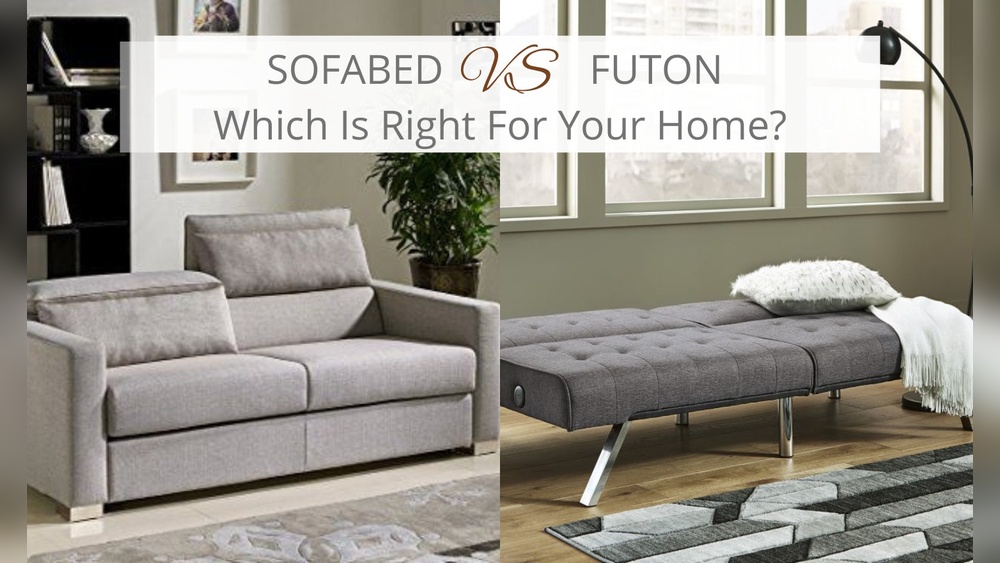
Sofa Bed Vs Sofa: Which Is Best for Your Living Space?
Choosing between a sofa bed and a sofa can feel challenging. Both pieces look similar at first glance, but they serve different needs in a home. If you’re thinking about buying new seating or upgrading your living space, it’s important to understand the pros, cons, and best uses for each. The right choice depends on your lifestyle, your space, and what you expect from your furniture. Let’s explore how a sofa bed and a sofa compare, what makes them unique, and which might be the better fit for your home.
What Is A Sofa Bed?
A sofa bed is a piece of furniture that works as both a sofa and a bed. By day, it looks like a regular couch for sitting, reading, or relaxing. At night, you can unfold or pull out a hidden mattress to create a sleeping area. Sofa beds are popular in small apartments, guest rooms, or homes where space is limited. They come in several types, such as pull-out beds, futons, and click-clack designs.
Many people choose sofa beds for their flexibility. If you have guests often but no spare bedroom, a sofa bed can quickly turn your living room into a comfortable sleeping spot. Some models even have storage for bedding. However, not all sofa beds offer the same level of comfort as a regular bed, and the mechanisms can sometimes be hard to use or heavy to move.
What Is A Sofa?
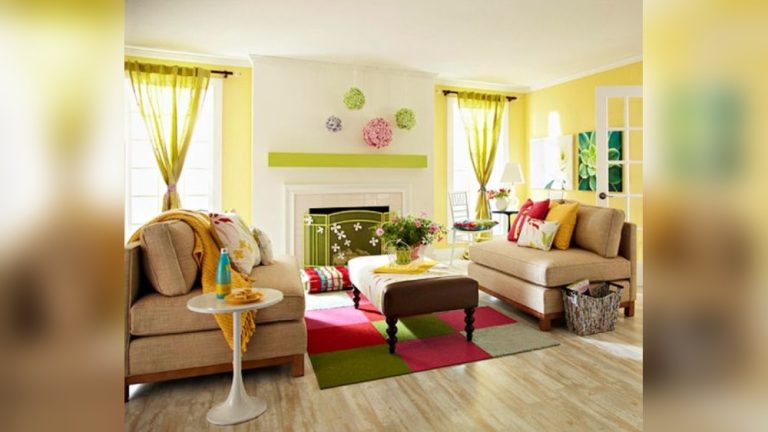
A sofa is a common piece of living room furniture designed mainly for sitting. Sofas come in many shapes and sizes, including two-seaters (loveseats), sectionals, and three-seaters. Their main purpose is comfort during daily activities like watching TV, talking with friends, or resting after work.
Sofas focus on seating comfort and style. They usually have thicker cushions and stronger support compared to sofa beds. There are no moving parts or hidden mattresses. Because of this, sofas often last longer and can be easier to clean and maintain.
If you don’t need an extra bed, a standard sofa might be the better investment.
Key Differences Between Sofa Bed And Sofa
Understanding the main differences helps you make a smarter choice. Below is a comparison of the two options in several important areas.
| Feature | Sofa Bed | Sofa |
|---|---|---|
| Function | Sitting & Sleeping | Sitting Only |
| Comfort | Good for short-term sleep | Optimal for sitting |
| Space Needed | Needs extra space to open bed | Needs only seating space |
| Weight | Heavier due to bed mechanism | Lighter, easier to move |
| Durability | More wear due to moving parts | Longer lifespan |
Pros And Cons Of Sofa Beds
Sofa beds offer a unique mix of benefits, but there are also some drawbacks to consider.
Advantages
- Space-saving: A sofa bed is perfect for small rooms, studios, or apartments where you need both seating and sleeping in one spot.
- Guest-friendly: You can easily host friends or family overnight without needing a separate guest room.
- Versatile use: Some models come with built-in storage, making them even more useful in tight spaces.
Disadvantages
- Comfort trade-offs: The mattress is usually thinner than a regular bed, which can be less comfortable for long-term use.
- Heavier and harder to move: The extra metal parts and mattress add weight, making sofa beds tough to shift or rearrange.
- Higher price: Sofa beds often cost more than standard sofas due to their dual function and complex design.
- Maintenance issues: More moving parts mean a greater chance of something breaking over time.

Credit: www.ec.ucem.ug
Pros And Cons Of Sofas
Sofas are a classic choice, but they have their own strengths and weaknesses.
Advantages
- Superior comfort: Designed mainly for sitting, sofas often provide better cushion support and ergonomic design.
- More styles and fabrics: With no need for a folding mattress, designers can focus on looks and materials.
- Longer lifespan: Fewer mechanical parts mean less chance of damage or wear.
- Lighter weight: Easier to move during cleaning or redecorating.
Disadvantages
- Single function: Sofas can only be used for sitting. If you need a bed for guests, you’ll need extra space or furniture.
- Less flexible: Not ideal for small homes where multi-purpose furniture is a must.
Which One Is More Comfortable?
Comfort depends on how you plan to use your furniture. For sitting, a traditional sofa almost always wins. The cushions, backrest, and seating depth are designed for relaxation and long conversations. Many people find sofa beds less comfortable for sitting because the mattress mechanism can make the seat harder or higher.
For sleeping, sofa beds are not as comfortable as real beds, but they work well for short stays. Mattresses in sofa beds are usually 3, 5 inches thick, compared to 8, 12 inches in standard beds. Some higher-end sofa beds use memory foam, which can improve sleep quality, but even these won’t match a real mattress for long-term use.
Pro Tip: If you plan to sleep on your sofa bed often, test the mattress before buying. Some stores let you try the bed in person.
Best Uses For Sofa Beds
Sofa beds shine in certain situations:
- Studio apartments: Where your living room is also your bedroom.
- Home offices: A sofa bed can turn an office into a guest room when needed.
- Vacation homes: Provide extra sleeping space without filling up the room.
- Children’s rooms: Useful for sleepovers or as a reading nook during the day.
If you rarely have guests or have enough bedrooms, a sofa bed might not be necessary.
Best Uses For Sofas
Traditional sofas fit best in:
- Living rooms: Main seating for family and guests.
- Media rooms: Comfortable viewing for movies or TV.
- Reception areas: Offices and waiting rooms often use sofas for style and comfort.
- Large homes: Where separate bedrooms are available for guests.
A sofa is a solid choice if you value daily comfort and have enough sleeping areas.
Durability And Maintenance
Sofa beds have more parts that can break over time. The folding mechanism, hinges, and mattress are all points of wear. Regular use as a bed can put stress on the frame and fabric. Cleaning a sofa bed can be harder because dust and crumbs can fall into the fold or under the mattress.
Sofas, on the other hand, are simpler. With fewer moving parts, they often last longer and are easier to clean. Most sofas only need regular vacuuming and occasional spot cleaning. Some sofas have removable covers that you can wash, which makes maintenance even simpler.
Cost Comparison
Prices for both types can vary widely based on brand, size, and materials. However, sofa beds typically cost more than sofas of the same quality and size. This is due to the extra materials and engineering needed for the bed mechanism.
Here’s a general comparison:
| Type | Average Price Range (USD) | Extra Costs |
|---|---|---|
| Sofa Bed | $600 – $2,500 | Bedding, mattress topper |
| Sofa | $400 – $2,000 | None |
Example: If you buy a sofa bed for $1,000, you might also need to buy special sheets or a thin mattress topper to improve comfort, adding to the total cost.

Credit: sunsgoods.com
Design And Style Options
Sofas usually come in more styles, colors, and fabrics. You’ll find sectionals, loveseats, chesterfields, mid-century modern shapes, and more. This variety makes it easy to match your sofa to your room’s look.
Sofa beds are getting better in style, but the choice is still smaller. Because the bed mechanism needs space, some designs can look boxy or heavier than regular sofas. However, modern brands are improving, offering sofa beds that look almost like traditional couches.
Pro Tip: If style is your main concern, focus on brands known for design. Some companies offer custom fabrics and finishes for both sofas and sofa beds.
Practical Considerations For Small Spaces
If you live in a small apartment or have limited space, a sofa bed can be a smart solution. However, measure your space carefully. Sofa beds need extra room when opened. For example, a queen-size sofa bed needs about 84 inches of depth when pulled out, while a standard sofa only needs the space for sitting.
Before buying, check:
- Doorways and hallways: Sofa beds are heavier and larger.
- Floor space: Make sure you can open the bed fully.
- Weight: Moving a sofa bed up stairs can be difficult.
Many people forget to measure the open-bed size, leading to frustration after delivery.
Sleeping Quality: How Do Sofa Beds Compare To Real Beds?
Most sofa beds are designed for occasional use, not for sleeping every night. The mattress is thinner and may have metal bars underneath, which can be uncomfortable. For guests, especially for one or two nights, sofa beds are fine. But for long-term use, they can cause back pain or poor sleep.
Some high-end sofa beds use memory foam or latex mattresses, which can help. However, even these don’t offer the deep support of a real bed. If you plan to sleep on your sofa bed often, consider adding a memory foam topper for extra comfort.
Warning: Using a sofa bed as your main bed for months can lead to back pain or stiffness. For everyday sleep, a real mattress is better.
Hosting Guests: Sofa Bed Or Sofa?
If you host guests often, a sofa bed is a practical choice. It allows you to offer a private place to sleep, even without a guest room. For occasional guests, a quality air mattress can be an alternative, but a sofa bed feels more like a “real” bed.
If you rarely have visitors, a traditional sofa is usually better. You can always use an inflatable mattress for the few times you need extra sleeping space.
Long-term Value
When it comes to value over time, sofas tend to last longer because they have fewer moving parts. A well-made sofa can easily last 8, 15 years with regular care. Sofa beds may need repair or replacement sooner, especially if used as a bed often.
Resale value is also better for sofas, as used sofa beds can have worn-out mattresses or broken mechanisms, which lowers their appeal.
Health And Safety
Both sofas and sofa beds are generally safe, but there are a few things to consider:
- Allergies: Some sofa beds trap dust and allergens in the mattress or frame.
- Moving parts: Pinched fingers or stuck mechanisms are possible if not careful.
- Support: Sofa beds may not give enough support for people with back problems.
If you have young children, check that the mechanisms are safe and that there are no sharp edges or pinch points.

Credit: www.mattressinsider.com
Environmental Impact
Sofa beds use more materials, metal, foam, and fabric, than regular sofas. This means a higher environmental impact to produce and transport. Also, when a sofa bed wears out, it’s harder to recycle because of the mixed materials.
Sofas, especially those with wood frames and natural fabrics, can be more eco-friendly. Look for options with certified wood or recycled materials if this is important to you.
Making The Right Choice For Your Needs
Before you decide, ask yourself these questions:
- How often do you need an extra bed?
- Do you have enough space to open a sofa bed?
- Is daily sitting comfort more important than sleeping options?
- Do you move homes often, or will your furniture stay in place?
Below is a summary to help you match your needs to the right option.
| Your Need | Best Choice |
|---|---|
| Extra bed for guests | Sofa Bed |
| Everyday comfort | Sofa |
| Small living space | Sofa Bed |
| Style and design options | Sofa |
| Budget-friendly | Sofa |
Common Mistakes When Choosing
Many buyers focus only on looks or price. Here are two mistakes to avoid:
- Not testing the bed mechanism: Some sofa beds are hard to open. Always try the mechanism in the store to make sure it’s smooth and light enough for you to use.
- Ignoring mattress quality: The mattress is the most important part for guests. Ask about the thickness and material, and lie down on it if possible.
Another point beginners miss is checking the warranty. Moving parts in sofa beds can break, so a good warranty is important for peace of mind.
Real-life Example
Sofa beds for a small city apartment vary greatly; not all are created equal. One model looked stylish but was heavy and difficult to open, while another had a comfortable mattress but took up too much space when unfolded.
After trying several options, I chose a compact futon-style sofa bed that was easy to convert and fit the room. This experience taught me the importance of testing furniture in person whenever possible.
Where To Find Reliable Information
For more details on sofa bed and sofa options, reviews from home design experts, and furniture guides, check reputable sources like Architectural Digest. Always check measurements, materials, and user reviews before making your final choice.
Frequently Asked Questions
What Is The Lifespan Of A Sofa Bed Compared To A Sofa?
Sofa beds usually last 5, 10 years, depending on how often you use the bed function. Sofas, with fewer moving parts, often last 8, 15 years or more if cared for properly. Regular cleaning and avoiding overload can extend their life.
Can You Use A Sofa Bed As
Products related to this article
Sponsored / affiliate links. As an Amazon Associate I earn from qualifying purchases. I may earn additional commission from eligible campaigns.