How to Turn a Bed into a Sofa: Easy DIY Transformation Guide
Transforming a regular bed into a stylish, practical sofa is a smart way to maximize space and functionality. Many people face the challenge of fitting both a bed and a sofa into a small room, especially in studio apartments, guest rooms, or college dorms.
With a bit of creativity and some practical steps, you can make your bed serve both purposes, without buying expensive furniture. This guide will show you how to turn a bed into a sofa that looks great and feels comfortable, using easy-to-find materials and thoughtful design.
Why Turn A Bed Into A Sofa?
Choosing to convert a bed into a sofa can solve several common problems. First, it saves valuable space in small homes. Instead of crowding your room with extra furniture, you get two functions in one piece. Second, it’s cost-effective. Buying a new sofa bed or a daybed can be expensive, but repurposing what you already have is usually much cheaper.
Third, you can customize the style to match your taste, making your living area feel more inviting.
Another benefit: beds are usually more comfortable for sitting than many cheap sofas. By adding the right cushions and support, you can create a seating area that’s perfect for reading, watching TV, or hosting guests. And when you need a place to sleep, your “sofa” is ready to go.
Choosing The Right Bed For Conversion
Not every bed will work equally well as a sofa. Some types are better suited for this transformation. Here’s what to consider:
Bed Size And Type
- Twin beds are ideal because their width is similar to a standard sofa (about 38 inches). They fit easily along a wall and don’t stick out too far.
- Full-size beds can also work, but they’ll be deeper than a typical sofa, which may look or feel odd in a small space.
- Queen or king beds rarely work unless you have a very large room or plan to use them as a lounge area.
Bed Frame Matters
Simple bed frames, like platform or metal frames, are usually easiest to convert. Frames with headboards and footboards can look more “sofa-like,” especially if you place them against a wall. Avoid beds with canopy frames, as these limit how you can style and arrange your “sofa.
”
Mattress Type
Choose a firm mattress for best results. Softer mattresses can sag when used as a sofa, making them uncomfortable for sitting. Memory foam or hybrid mattresses work well because they hold their shape and provide good support.

Credit: www.youtube.com
Planning Your Sofa-bed Layout
Before you start, decide where you’ll put your new sofa. The right location will make a big difference in comfort and appearance.
- Against a wall: This is the most common placement. The wall provides support for pillows and helps “anchor” the sofa visually.
- Under a window: This creates a cozy reading nook, but make sure the window ledge isn’t too low or uncomfortable.
- Corner of the room: Positioning the bed in a corner can give a true “sectional sofa” feel.
Measure your space first. Make sure you have enough room for walking and other furniture. Also, check that you can easily convert the “sofa” back to a bed if needed.
Essential Materials And Accessories
To transform a bed into a sofa, you’ll need a few key items. Here’s a quick overview:
- Supportive pillows: Large, firm pillows (sometimes called “Euro shams” or “backrest pillows”) will form the sofa back.
- Throw pillows: Smaller pillows add comfort and style.
- Bed skirt or tailored cover: Hides the bed frame and makes the base look like a real sofa.
- Slipcover or blanket: Covers the mattress, giving a finished look.
- Bolsters or armrests: Optional, but they help mimic sofa arms.
- Tray table or side table: Useful for drinks, books, or remotes.
Here’s a simple comparison of materials you might use:
| Item | Purpose | Best For |
|---|---|---|
| Euro Pillows (26″x26″) | Back support | All beds, especially twins |
| Bolster Pillows | Arm support | Beds without head/footboard |
| Fitted Sheet or Slipcover | Covering mattress | All sizes |
| Bed Skirt | Hiding frame/legs | Metal/platform frames |
Step-by-step: How To Turn A Bed Into A Sofa
Ready to get started? Here’s a practical, step-by-step process you can follow.
1. Clear And Clean The Bed
Remove all bedding, blankets, and anything you don’t need. Clean the mattress and frame. This gives you a fresh starting point and helps your new “sofa” look tidy.
2. Add A Fitted Sheet Or Slipcover
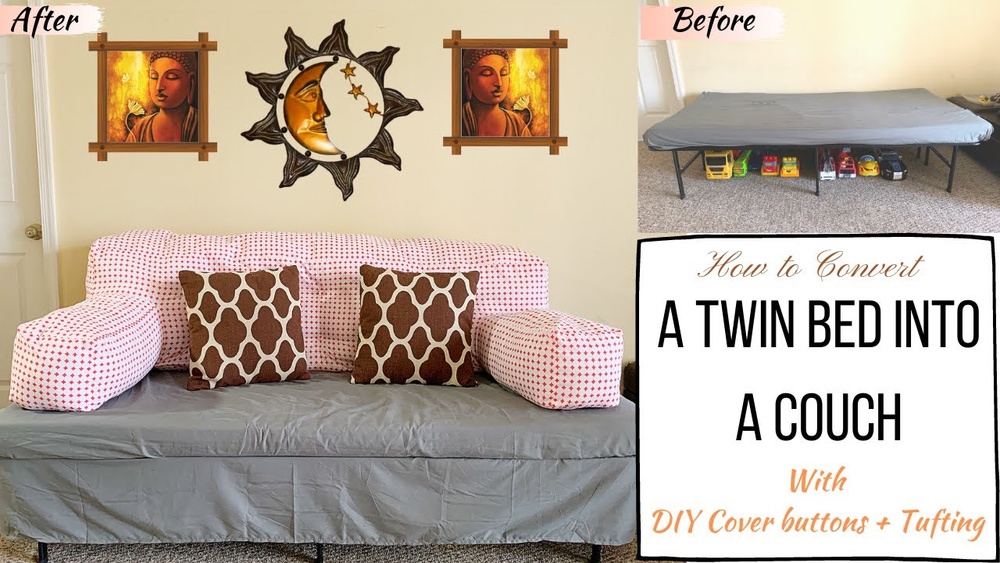
Cover the mattress with a fitted sheet, quilt, or custom slipcover. Neutral colors (gray, beige, navy) usually work best for a “sofa” look, but you can choose any style that fits your room. Make sure the cover is tight, this will keep everything in place and hide any “bed” details.
Pro Tip: If you want a more tailored look, buy or sew a custom slipcover that fits snugly over the mattress and tucks under the edges.
3. Arrange Back Pillows
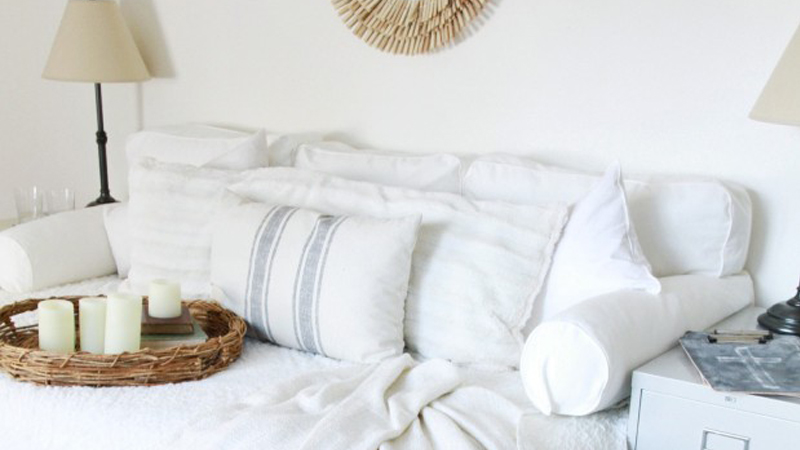
Line up large, firm pillows along the back edge of the bed (against the wall or headboard). Three Euro-size pillows (26”x26”) work well on a twin bed. For a full-size bed, use four or five. These will act as the “backrest” of your sofa.
Make sure the pillows are upright and touch each other with no gaps. This creates a solid, comfortable back.
4. Add Throw Pillows For Comfort
Place smaller throw pillows in front of the back pillows. Mix sizes, shapes, and textures for a cozy, inviting look. You can change these with the seasons or your mood.
Pro Tip: Use pillow inserts that are 2 inches larger than the pillow cover for a fuller, more “designer” look.
5. Create Armrests
Use bolster pillows, rolled blankets, or even small storage ottomans at each end of the bed to create “arms. ” This not only looks more like a real sofa but also gives you a place to rest your arms or lean against.
If your bed has a footboard, this can serve as one “arm. ” Just add a pillow for comfort.
6. Add A Bed Skirt Or Tailored Cover
If your bed frame has visible legs or metal parts, cover them with a tailored bed skirt. This hides the “bed” look and makes the base appear solid, like a sofa. For platform beds, a simple fabric wrap can do the trick.
7. Accessorize With A Throw Blanket
Drape a soft throw blanket over one end of the sofa. This adds style and gives guests something to use if they get chilly.
8. Add A Side Table Or Tray
Place a small side table or a tray on the bed for drinks, snacks, or books. This finishes the “living room” feel and adds convenience.
Styling Tips For A Real Sofa Look
The right styling can make a big difference in how convincing your sofa-bed looks.
- Choose coordinated colors for the pillows, cover, and blankets.
- Add texture with velvet, linen, or knit fabrics.
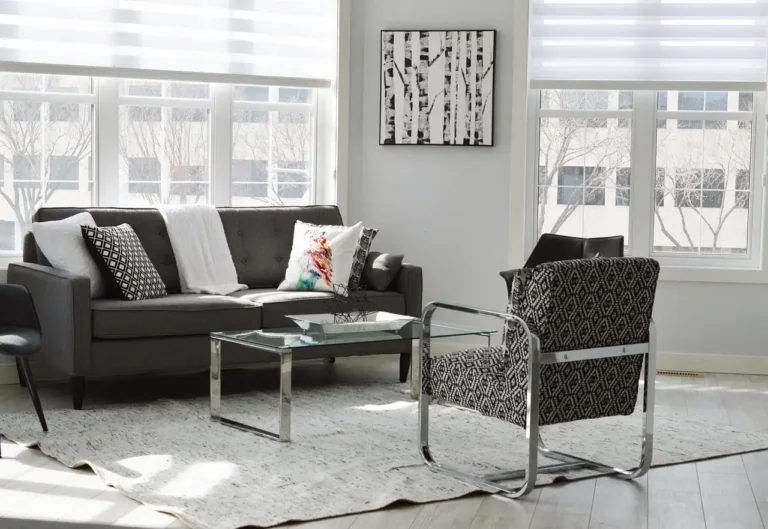
- Use a rug under the “sofa” to define the seating area.
- Hang artwork or shelves above the “sofa” to draw attention up and make the space feel intentional.
Here’s a quick guide to common styling options:
| Styling Element | Effect | Best For |
|---|---|---|
| Neutral Colors | Modern, calming | Small spaces |
| Bold Prints | Fun, energetic | Kids’ rooms |
| Layered Textures | Cozy, inviting | Guest rooms |
| Minimalist Look | Clean, uncluttered | Studios, offices |
Important Considerations For Everyday Use
Turning a bed into a sofa isn’t just about looks. Think about how you’ll use the space day-to-day.
Comfort And Support
If you plan to sit for long periods, make sure your back pillows are firm and supportive. Flimsy pillows will flatten out quickly. For extra support, add a foam wedge or a firm cushion behind the pillows.
Sleeping Needs
If you’ll still use the bed for sleeping, choose pillows and covers that are easy to remove and store. Lightweight, stackable pillows and a washable slipcover are best.
Storage
Beds often have space underneath. Use storage bins or baskets to keep extra bedding, pillows, or other items out of sight. This is especially handy in small rooms.
Cleaning And Maintenance
Choose machine-washable covers and pillows whenever possible. This keeps your “sofa” fresh and reduces allergens.
Pro Tip: In my experience, using pillow protectors extends the life of your backrest pillows, especially if you eat or drink on your “sofa.”
Mistakes To Avoid When Turning A Bed Into A Sofa
Many first-timers make the same mistakes. Watch out for these:
- Overloading with pillows: Too many pillows can make the sofa look messy and uncomfortable.
- Using a saggy mattress: This will feel bad for sitting and look sloppy.
- Ignoring the frame: Exposed metal legs or an unfinished base can ruin the “sofa” illusion.
- Skipping armrests: Without something on the sides, it still looks like a bed.
- Choosing the wrong color scheme: Clashing colors or busy patterns can make the space feel crowded.
Comparing A Bed-sofa To A Real Sofa Or Daybed
How does a homemade bed-sofa stack up to a real sofa or a store-bought daybed? Let’s look at the main differences:
| Feature | Bed-Sofa | Daybed | Sofa |
|---|---|---|---|
| Cost | Low (uses existing bed) | Medium-High | Medium-High |
| Comfort for Sleeping | High | Medium | Low |
| Appearance | Varies (DIY look) | Polished | Polished |
| Space Saving | High | High | Medium |
| Customization | High | Medium | Low-Medium |
When To Invest In A Real Sofa Bed Or Daybed
Turning a regular bed into a sofa is a great solution for many people. However, there are times when buying a real sofa bed or daybed makes more sense:
- If you need a real sofa for frequent entertaining.
- If you want a more “formal” look for your living room.
- If you dislike DIY projects or want a warranty.
- If you need extra features (like storage drawers or trundle beds).
Pro Tip: If your budget allows, test different sofa beds in person before buying. What looks stylish online may not be comfortable for sleeping or sitting.
For more information about the differences between daybeds, futons, and other convertible sofas, you can visit Wikipedia: Sofa Bed.

Credit: www.youtube.com
Creative Variations: More Ways To Style Your Bed-sofa
Once you understand the basics, you can personalize your “sofa” in many ways:
- Boho style: Layer colorful blankets and mixed-pattern pillows.
- Scandinavian style: Use clean lines, neutral colors, and light wood side tables.
- Kids’ playroom: Add stuffed animals, bright covers, and fun wall art.
- Office guest room: Choose a sleek cover and minimal pillows for a professional look.
You can also add wall-mounted reading lights, storage pockets, or a folding screen behind the sofa for extra privacy.
Safety And Accessibility Tips
Don’t forget about safety and ease of use, especially for children or older adults.
- Secure all pillows and covers so they don’t slip.
- Avoid sharp-edged tables or lamps near the bed-sofa.
- Make sure the seating height is comfortable for everyone who will use it.
- If you have pets, choose materials that resist scratches and are easy to clean.
Credit: www.zevyjoy.com
Environmental Benefits
Repurposing a bed instead of buying new furniture is good for the environment. You reduce waste, avoid new manufacturing, and often use fewer resources. According to the EPA, furniture is a major source of landfill waste in the U. S.
Reusing what you have helps cut down on this problem.
Frequently Asked Questions
What Kind Of Mattress Works Best For A Bed-sofa?
A firm mattress is best because it offers good support for sitting and doesn’t sag. Memory foam or hybrid mattresses hold their shape well. Avoid very soft or old mattresses, they won’t be comfortable for sitting.
How Can I Make My Bed-sofa Look More Like A Real Sofa?
Use a tailored slipcover, large upright back pillows, and bolsters on the sides. Add a bed skirt to hide the frame. Styling with coordinated colors and a rug also helps. If possible, place the bed against a wall or in a corner for extra “sofa” vibes.
Can I Turn A Bunk Bed Or Loft Bed Into A Sofa?
Yes, but it takes more work. For bunk beds, remove the top bunk and add back pillows to the lower bed. With loft beds, you can
Products related to this article
Sponsored / affiliate links. As an Amazon Associate I earn from qualifying purchases. I may earn additional commission from eligible campaigns.