How to Pick Throw Pillows for Sofa: Expert Tips for Stylish Decor
Choosing throw pillows for your sofa seems simple until you try to get the look, comfort, and function just right. Walk into a home store, and you’ll see hundreds of options, different colors, shapes, fabrics, and patterns. But how do you make choices that actually improve your living space, rather than just filling it with random cushions?
This article will guide you step by step through all the key decisions, with practical advice and real-life examples, to help you pick throw pillows that make your sofa (and your whole room) look and feel better.
Whether your style is modern, traditional, boho, or somewhere in between, the right pillows can tie your space together. They add color, texture, and comfort, and can be swapped seasonally for a quick refresh. But many people feel lost when mixing patterns or unsure about the right size and number of pillows.
Some buy sets that look great in the store but clash at home. Others stick with safe neutrals and miss the chance to express their personality. By the end, you’ll know how to pick throw pillows for your sofa with confidence, even if you’re not a designer.
Why Throw Pillows Matter
Throw pillows do much more than fill empty space on a sofa. They help:
- Add comfort: Pillows support your back or neck.
- Introduce color: They can bring a pop of color to a neutral sofa.
- Create visual interest: Mixing patterns and textures makes a room look dynamic.
- Reflect your style: Pillows are an easy way to show your taste.
- Change with the seasons: Switch covers for a summer or winter feel.
In my experience, the right throw pillows are often what guests notice first in a living room. They can make a basic sofa look custom and inviting.
Understanding Your Sofa
Before you start shopping, study your sofa. Its size, color, and shape will affect what pillows look best.
Sofa Size And Shape
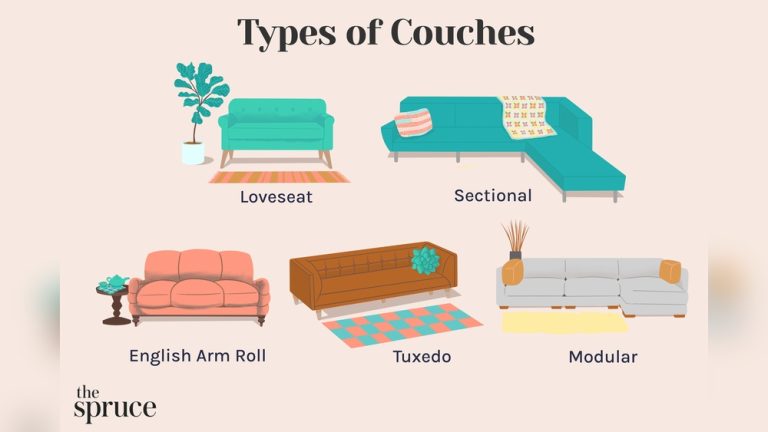
A large sectional will need more or bigger pillows than a small loveseat. For a long sofa, mix sizes and shapes to avoid a “linear” look. For a smaller sofa, stick to fewer, more compact pillows.
Sofa Color And Fabric
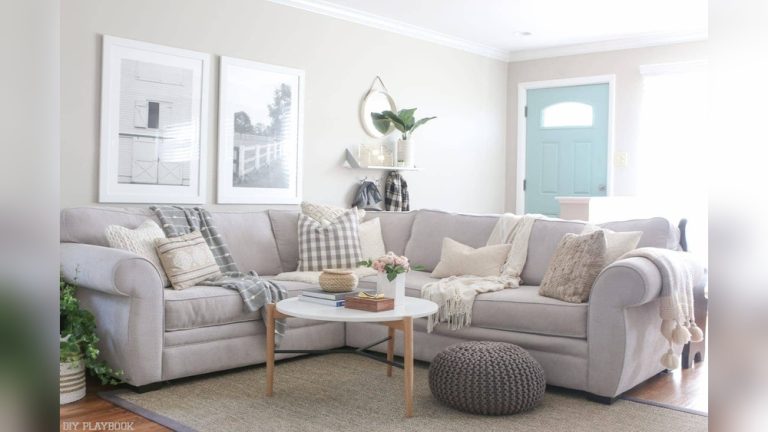
A neutral sofa (like gray, beige, or white) is a blank canvas, you can use bold colors or prints. For a colorful or patterned sofa, choose pillows that complement or subtly contrast, instead of matching exactly.
Consider the sofa’s fabric too. A velvet sofa might look best with linen or leather pillows for contrast.
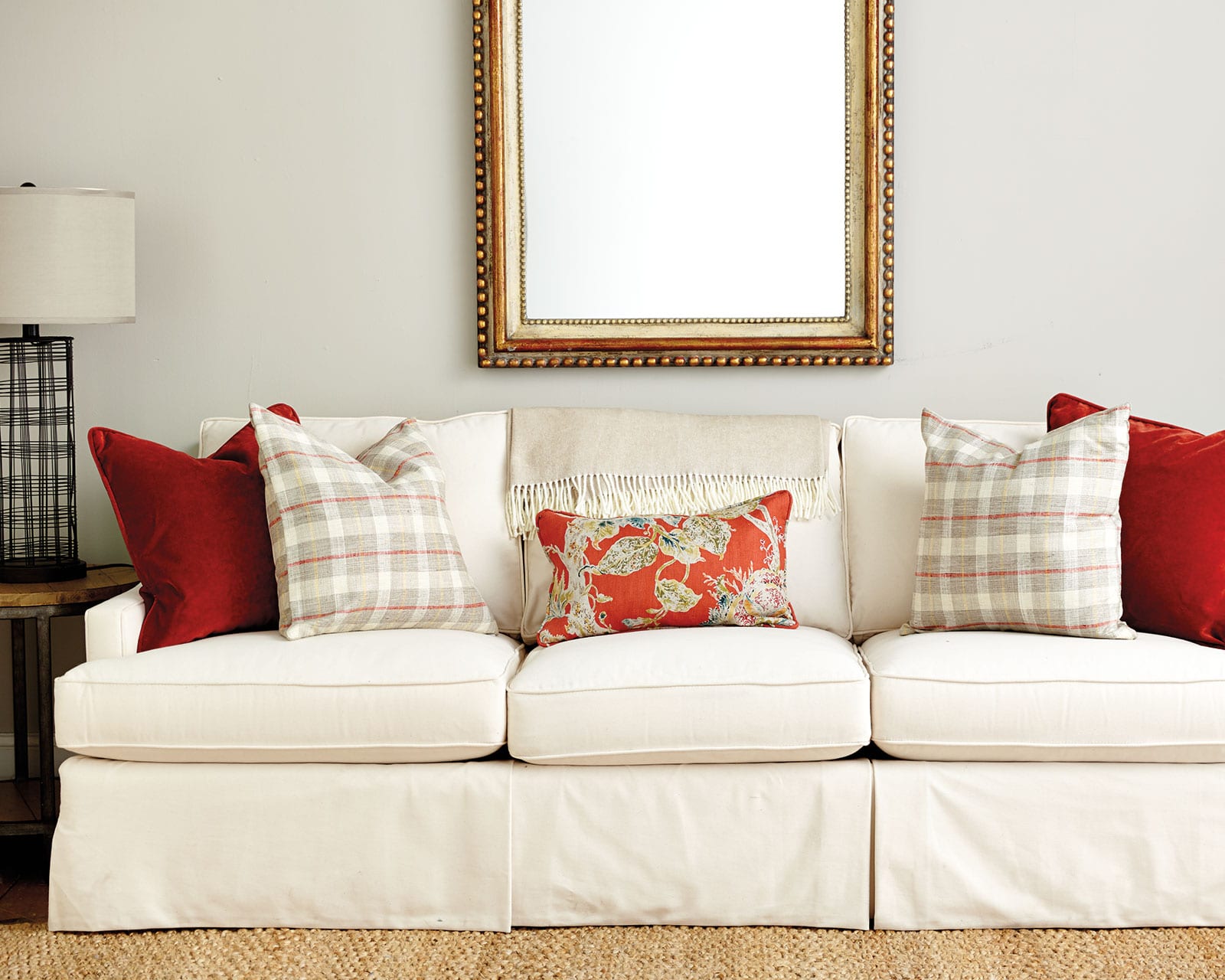
Credit: www.ballarddesigns.com
Deciding On Pillow Size And Shape
Pillow size and shape are crucial for both comfort and style. Here’s a quick comparison:
| Pillow Size | Best For | Common Use |
|---|---|---|
| 16″ x 16″ | Accent, layering | Front of arrangement |
| 18″ x 18″ | Standard sofas | Classic look |
| 20″ x 20″ | Large sofas/sectionals | Back row or corners |
| 22″ x 22″ or larger | Oversized sofas | Statement pillows |
Rectangular (lumbar) pillows support your lower back and add visual variety. Round pillows can break up straight lines and add a playful touch.
Pro Tip: For most sofas, mixing two sizes (for example, 20″ and 18″) with one lumbar pillow creates a balanced look.
How Many Pillows To Use
It’s easy to go overboard, but too many pillows make a sofa uncomfortable to use. As a general rule:
- For a standard 3-seat sofa, use 3 to 5 pillows.
- For a loveseat, 2 to 3 pillows are enough.
- For a sectional, 5 to 7 pillows work well, distributed across the corners and main seat areas.
If you love a minimal look, choose fewer, larger pillows. For a cozy, layered style, use more pillows in varied sizes.
Choosing The Right Color Scheme
Color is where many people get stuck. Start by looking at your room’s main colors, wall paint, rug, art, and sofa. Pick pillow colors that fit into this palette.
Monochromatic
Choose shades of one color (for example, navy, sky blue, and teal) for a calm, unified feel.
Complementary
Pick colors opposite each other on the color wheel (like blue and orange) for energy and contrast.
Analogous
Select colors next to each other on the wheel (like green, blue-green, and blue) for a harmonious look.
Here’s a simple way to test combinations: Cut out pieces of colored paper and lay them on your sofa to see what looks good together.
Pro Tip: Add at least one neutral pillow (like white, gray, or tan) to ground brighter colors.
Mixing Patterns Like A Designer
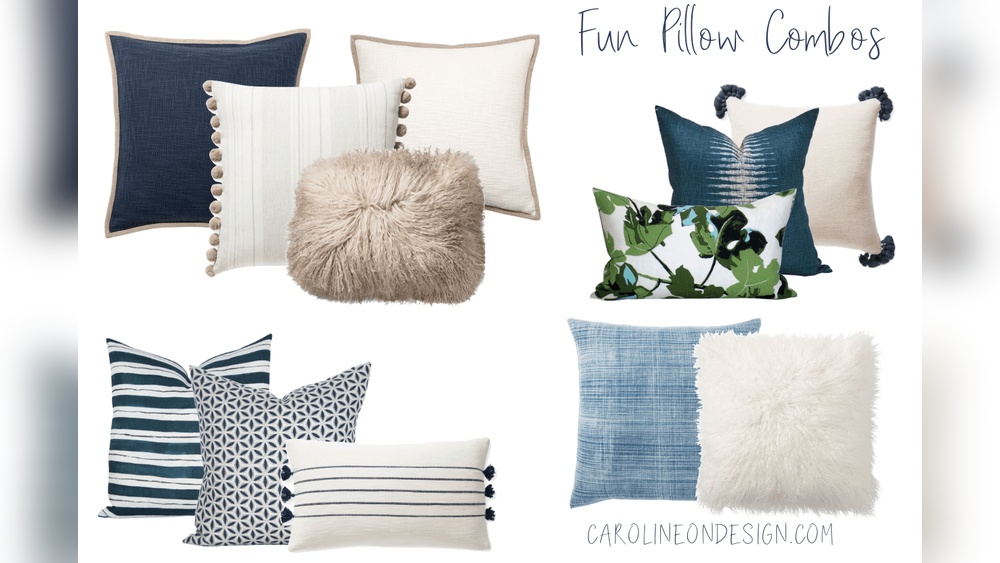
Mixing patterns is where your pillows can really stand out, or clash. Designers often use a “rule of three”: combine a large-scale print, a small-scale print, and a solid or textured pillow.
Pattern Examples
- Large print: Oversized florals, bold stripes, big geometric shapes.
- Small print: Tiny dots, subtle checks, small herringbone.
- Solid/Texture: Velvet, faux fur, chunky knit, or just a plain color.
Make sure the patterns share at least one color. This keeps the mix looking intentional.
Pro Tip: If you’re new to pattern mixing, start with two patterns and one solid. Add more once you feel comfortable.
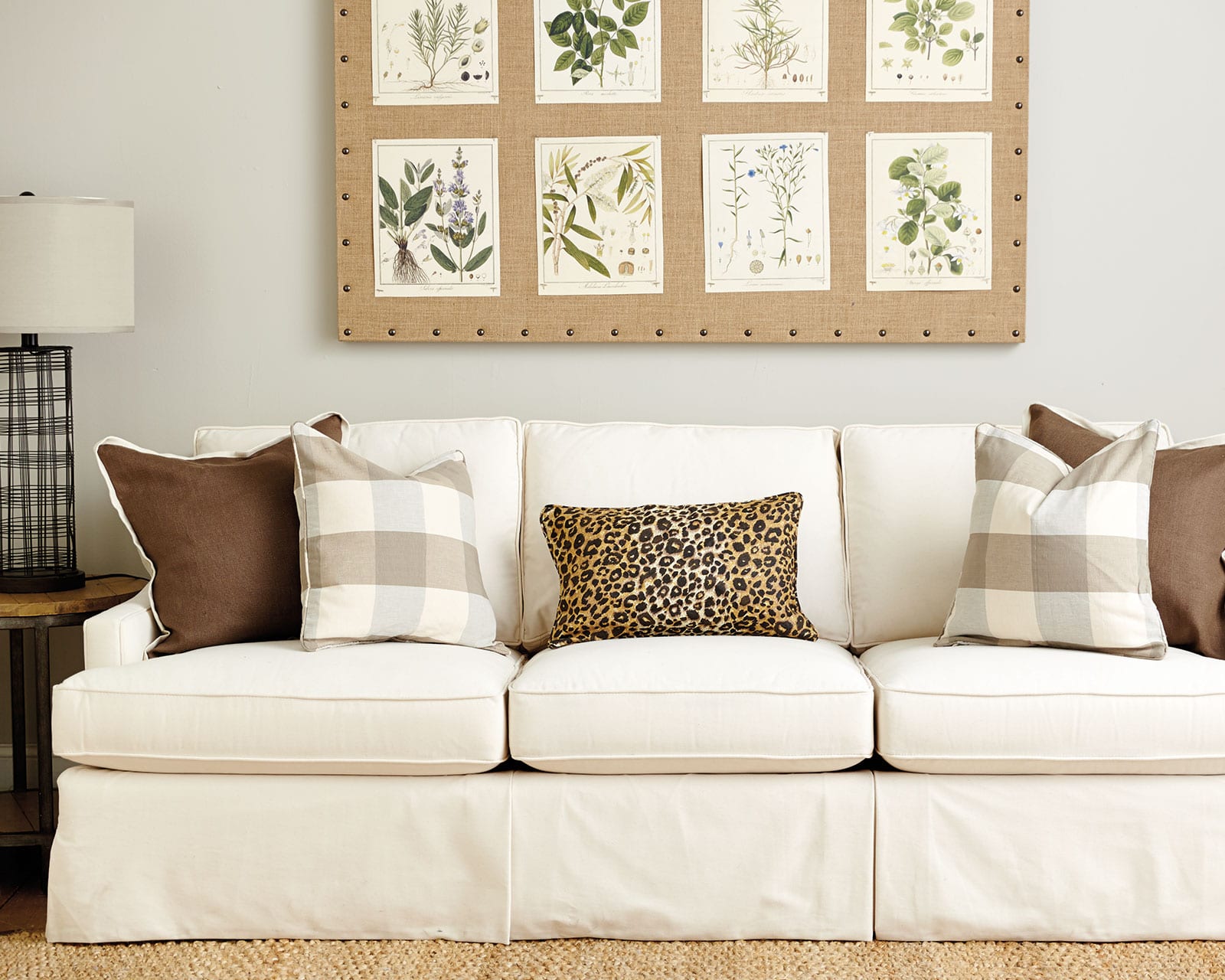
Credit: www.ballarddesigns.com
Picking The Best Fabrics
Fabric choice matters for both comfort and style. Some fabrics feel cozy, while others look crisp and modern.
| Fabric Type | Best For | Care Difficulty |
|---|---|---|
| Cotton | Everyday use, easy to clean | Low |
| Linen | Casual, airy look | Medium (wrinkles easily) |
| Velvet | Luxury, winter coziness | Medium to high (shows marks, harder to clean) |
| Faux fur/knit | Comfort, winter warmth | Medium (may shed) |
| Leather/faux leather | Modern, durable | Low to medium |
Think about your household. For homes with kids or pets, choose washable covers and avoid delicate fabrics.
Considering Texture
Texture is what makes a pillow arrangement look “finished. ” It’s the difference between a flat, boring look and a rich, layered one.
Mix at least two textures:
- Smooth: Cotton, linen
- Soft: Velvet, chenille, faux fur
- Woven: Wool, chunky knit, jute
- Shiny: Silk, leather
Pro Tip: Texture is especially important if you prefer a neutral color scheme, as it adds depth without more color.
Picking Insert Fill: Down Vs. Synthetic
The inside of the pillow matters almost as much as the outside.
- Down/feather inserts are squishy and hold their shape well. They’re great for the “karate chop” look.
- Synthetic/polyester inserts are hypoallergenic and cheaper but can feel stiff over time.
For most people, a down-alternative blend gives good comfort and support. If you have allergies, stick with synthetic.
Arranging Your Pillows
How you arrange your pillows changes the mood of the whole room.
Symmetrical
Place matching pillows on each end of the sofa. This works well for formal, traditional rooms.
Asymmetrical
Mix sizes and colors more freely, clustering some in one corner and spacing others. This creates a relaxed, modern look.
Layered
Place larger pillows at the back, medium in the middle, and a lumbar or small pillow in front. Layering adds depth and makes the sofa feel cozy.
Example: On my own sectional, I use two 22″ pillows in the corners, two 18″ pillows next to them, and a long lumbar in the center. This fills the space without looking crowded.
Seasonal Swaps And Updates
Throw pillows are one of the easiest things to change as the seasons or your mood shifts.
- For fall/winter, try velvet, faux fur, or deep colors like burgundy and forest green.
- For spring/summer, swap for linen or cotton in lighter colors like coral, sky blue, or yellow.
Removable covers make this easy. Store off-season covers in a bin so you can rotate them.
Budgeting For Throw Pillows
Pillows range in price from under $20 to over $100 each. Set a budget before you start shopping. You can often save by buying inserts and covers separately or by updating just the covers instead of the whole pillow.
Here’s a quick comparison of where your money goes:
| Option | Average Price Range | Best For |
|---|---|---|
| Store-bought pillow (insert + cover) | $20 – $80 | Quick refresh, less customization |
| Custom cover + separate insert | $15 – $100 (cover), $10 – $40 (insert) | Personalized style, seasonal swaps |
| DIY cover | $5 – $30 | Creative projects, unique fabrics |
Warning: Don’t overspend on trendy designs you might not like in a year. Stick to a few statement pieces and use affordable basics for the rest.
Common Mistakes To Avoid
- Too many pillows: Your sofa should still be usable.
- Matching everything: All solid or all patterned looks flat. Mix it up.
- Ignoring the room’s palette: Pillows should tie into your room, not fight with it.
- Wrong size: Tiny pillows on a big sofa look lost, while huge pillows crowd a small sofa.
- Poor quality inserts: Cheap inserts get lumpy fast. Invest in good ones for long-lasting comfort.
- No removable covers: Non-removable covers are hard to clean and swap out.
- Skipping texture: Texture adds interest, especially in neutral rooms.
Sustainability And Allergies
If you care about the environment, look for pillows made with organic cotton, recycled polyester, or responsibly sourced down. Many brands now list these options clearly.
For allergy sufferers, choose hypoallergenic inserts and wash pillow covers regularly. Avoid feather inserts if you have a feather allergy.

Credit: soinspalliatifspaca.com
Where To Shop
You can find throw pillows everywhere, from big box stores to local boutiques and online marketplaces. Some favorite options include:
- Big stores: Target, IKEA, West Elm
- Online: Etsy (for custom covers), Amazon, Wayfair
- Specialty: Local artisan shops for unique fabrics and handmade designs
Don’t forget to read reviews and check the return policy, especially if you’re buying online. For inspiration, check out Elle Decor’s pillow picks.
How To Care For Your Throw Pillows
Good care keeps your pillows looking fresh and lasting longer. Most covers can be machine washed, but always check the label first. For delicate fabrics like velvet or silk, dry cleaning might be needed.
- Fluff pillows weekly to keep their shape.
- Rotate them so they wear evenly.
- Spot clean stains quickly to prevent setting.
- Store off-season covers in a dry, cool place.
Pro Tip: Use a pillow protector inside the cover to reduce allergens and wear.
Frequently Asked Questions
How Do I Make Cheap Pillows Look Expensive?
Look for covers with rich textures or details like piping, tassels, or embroidery. Mix in one or two high-quality pillows with basic ones, this “elevates” the whole arrangement. Use plump, good-quality inserts (even in budget covers) for a fuller, more luxurious look.
Can I Mix Different Shapes And Sizes Of Pillows?
Yes, mixing shapes (square, lumbar, round) and sizes creates visual interest. Just make sure there’s a “flow”, for example, layer large squares behind, medium in the middle, and a lumbar or round in front. Odd numbers often look more natural than even.
How Do I Pick Throw Pillows If I Have Pets Or Kids?
Choose durable, washable fabrics like cotton, denim, or outdoor-rated materials. Avoid light colors that show stains. Removable covers are a must. For inserts, consider synthetic fill (hypoallergenic and machine washable).
What Is The “karate Chop” Pillow Look?
This is when you gently “chop” the top of a soft pillow with your hand, creating an indent. It’s popular in design magazines because it looks relaxed but styled. It works best with down or feather inserts, as firmer synthetic pillows won’t hold the shape.
Should All My Pillows Match Other Fabrics In The Room?
They don’t need to match exactly but should “relate. ” For example, pick a pillow color that repeats a color in your rug or artwork. If your drapes are patterned, choose a pillow with a similar color or motif. This makes your room feel coordinated but not forced.
Selecting throw pillows for your sofa is a creative process, not a strict formula. By thinking about size, color, pattern, texture, and how everything fits your lifestyle, you’ll choose pillows that make your space more beautiful and comfortable every day.
Whether you’re updating for the season or starting from scratch, the right pillows can truly change the feel of your room, sometimes with just a small investment of money and time.
Products related to this article
Sponsored / affiliate links. As an Amazon Associate I earn from qualifying purchases. I may earn additional commission from eligible campaigns.