Difference Between Couch Sofa and Settee: Key Features Compared
When you walk into a furniture store, the words couch, sofa, and settee can leave you scratching your head. Are they the same thing, or are there real differences? These words are often used interchangeably, but each has its own history, style, and function. If you’re shopping for the right piece for your living room, understanding their unique qualities can help you make the best choice, and avoid common mistakes. This article explores the differences between couch, sofa, and settee. You’ll find clear explanations, practical examples, and comparison tables to help you decide which is right for your home.
What Is A Couch?
The word couch is common in American homes. It describes a long, upholstered seat for several people. Couches are usually comfortable and casual, think of a place to stretch out and relax after a long day. The term comes from the French word “coucher,” meaning “to lie down.” Historically, couches were designed for reclining rather than sitting upright.
Modern couches are found in living rooms, family rooms, and lounges. They often have soft arms, deep seats, and big cushions. You might see a couch as the center of movie nights or gatherings with friends.
Features Of A Couch
Couches are known for:
- Casual design
- Soft, plush cushions
- Wide, deep seating
- Often without strict symmetry
- Arms may be low or rounded
Most couches are designed for comfort rather than formal appearance. They usually seat two to four people.
Common Materials
Couches can be made from:
- Fabric (cotton, polyester, linen)
- Leather or faux leather
- Microfiber
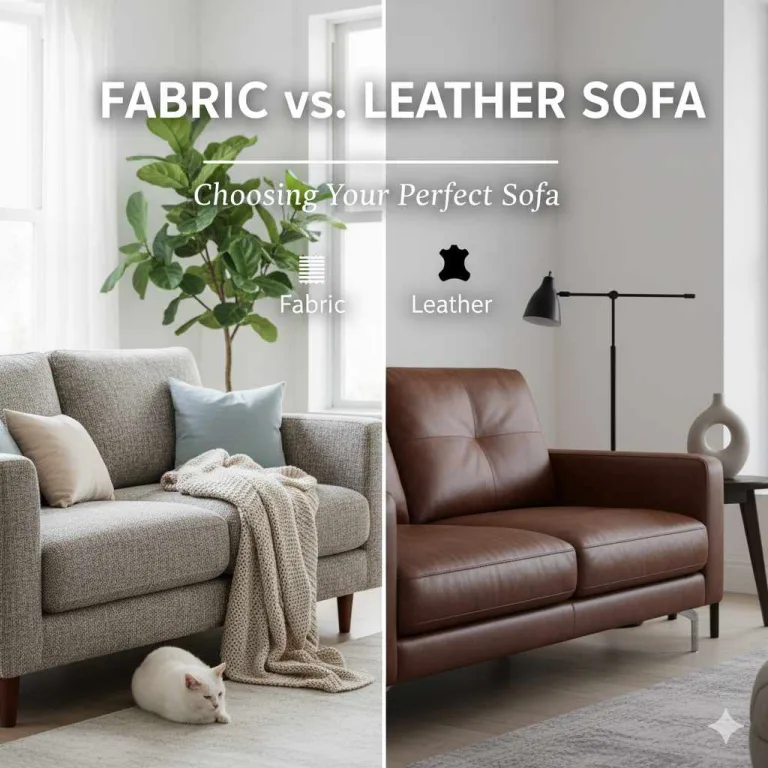
The choice of material affects the couch’s durability and comfort. Fabric couches are popular because they are cozy and affordable, while leather couches are easy to clean and can look more luxurious.
Example:
A couch is the best option for a busy household with kids and pets. The deep cushions and relaxed style make it easy to clean and maintain.
What Is A Sofa?
The word sofa is used worldwide, but its meaning can change by region. In the US, sofa and couch are often used for the same piece of furniture. However, there are subtle differences. Sofas are seen as a bit more formal than couches. The word comes from the Arabic “suffah,” meaning a bench covered with cushions.
Sofas usually have a structured frame and higher backs. They can be found in formal living rooms, reception areas, and offices. The design is often symmetrical, with arms and cushions arranged neatly.
Features Of A Sofa
Sofas are known for:
- Formal design
- Structured frame
- Higher backrest
- Symmetrical arms
- Seat two to three people
Sofas are often chosen for spaces where appearance matters as much as comfort. They can be classic or modern in style.
Common Materials
Sofas are made from:
- Leather (real or faux)
- Velvet
- Linen
- High-end fabrics
High-quality sofas are built to last, with strong frames and premium upholstery. They are often more expensive than couches, but they offer elegance and durability.
Example:
A sofa can impress guests in a formal living room. A velvet sofa feels firm and supportive, but less cozy than an older couch.
What Is A Settee?
The settee is a less familiar term in many countries, but it has a long history. Settees first appeared in Europe in the 17th century. They are small, upholstered seats for two people, sometimes called a “loveseat.” Settees are decorative, often with elegant legs, exposed wood, and shaped backs.
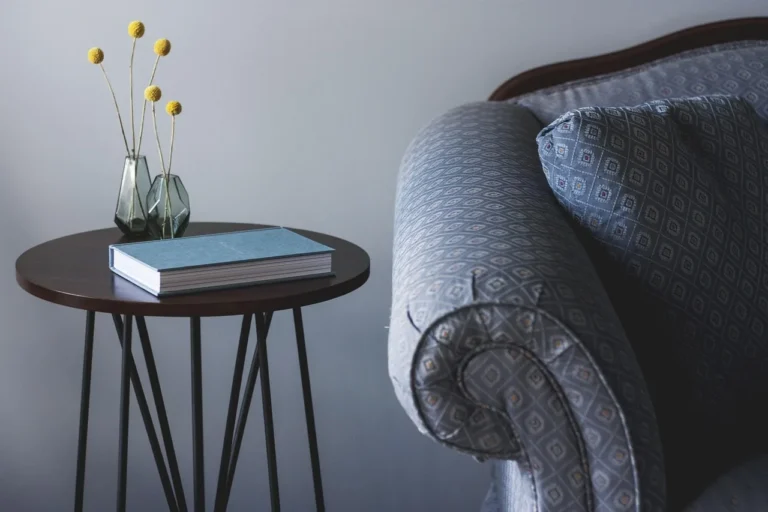
Settees are used in entryways, bedrooms, and small spaces. They are not designed for lounging, but for sitting upright. Settees can be antique or modern and often add charm to a room.
Features Of A Settee
Settees are known for:
- Elegant, decorative design
- Small size (usually two seats)
- Exposed wood or carved legs
- Straight or shaped backrest
- Upright seating position
Settees are sometimes confused with loveseats, but loveseats are often more modern and less ornate.
Common Materials
Settees are made from:
- Upholstered fabric (silk, velvet, cotton)
- Wood (oak, mahogany, cherry)
- Leather (rarely)
Antique settees may have hand-carved details and expensive fabrics.
Example:
A settee fits well in a hallway or at the foot of a bed. One friend placed a settee in her reading nook, creating a stylish spot that didn’t take up much space.
Comparing Couch, Sofa, And Settee
To help you see the differences, here’s a comparison of the three types:
| Feature | Couch | Sofa | Settee |
|---|---|---|---|
| Seating Capacity | 2, 4 | 2, 3 | 2 |
| Style | Casual | Formal | Elegant/Decorative |
| Backrest | Low or medium | High | Straight or shaped |
| Typical Location | Living room, family room | Formal living room, office | Entryway, bedroom |
| Materials | Fabric, leather | Leather, velvet, linen | Fabric, wood |
| Comfort Level | High | Medium, High | Medium |

Credit: www.homedit.com
Historical Roots And Evolution
Understanding the history of these furniture types can help you see why they look and feel different.
Couch
Couches were first made in the 18th century for lounging. Early couches had no arms and were used for reclining during the day. Over time, the design became more comfortable, with soft cushions and arms added.
Sofa
Sofas grew popular in Victorian England. They were formal seats for guests, often found in drawing rooms. Sofas had upright backs and elegant shapes. Today, sofas are common in homes and offices, blending classic and modern styles.
Settee
Settees have a longer history, with roots in French and English furniture. Early settees were benches with soft cushions. They were used in halls and parlors, often as decorative pieces. Settees are still made with carved wood and fancy fabrics, adding a touch of history to any room.
Design Differences
The design of couches, sofas, and settees affects their appearance and comfort.
Couch Design
- Deep seats and soft cushions
- Often wider and lower
- Designed for relaxation
Sofa Design
- Structured frame, higher back
- Symmetrical shape
- Designed for both comfort and style
Settee Design
- Compact, upright seat
- Decorative legs and backrest
- Designed for visual appeal
These design differences matter when choosing furniture for your space. For example, a couch is best for watching TV, a sofa fits formal events, and a settee works in a hallway or bedroom.

Credit: sunsgoods.com
Functionality And Use Cases
Choosing between a couch, sofa, and settee depends on how you plan to use the furniture.
Couch
Couches are perfect for:
- Relaxing with family
- Watching movies
- Napping
- Casual gatherings
They are the most comfortable option for everyday use.
Sofa
Sofas are ideal for:
- Entertaining guests
- Formal living rooms
- Offices and waiting rooms
Sofas offer a balance between comfort and style.
Settee
Settees are best for:
- Decorative seating
- Entryways and hallways
- Bedrooms and reading nooks
Settees create a focal point without taking up much space.
Size And Space Considerations
The size of your room will influence your choice.
| Furniture Type | Typical Length (inches) | Depth (inches) | Best Room Size |
|---|---|---|---|
| Couch | 72, 96 | 36, 40 | Medium, Large |
| Sofa | 72, 90 | 32, 38 | Medium, Large |
| Settee | 48, 60 | 28, 32 | Small, Medium |
If you have a small room, a settee is a smart choice. For larger spaces, a couch or sofa will fill the area better and provide more seating.
Style And Decor Impact
The furniture you choose will shape the look of your room.
Couch Style
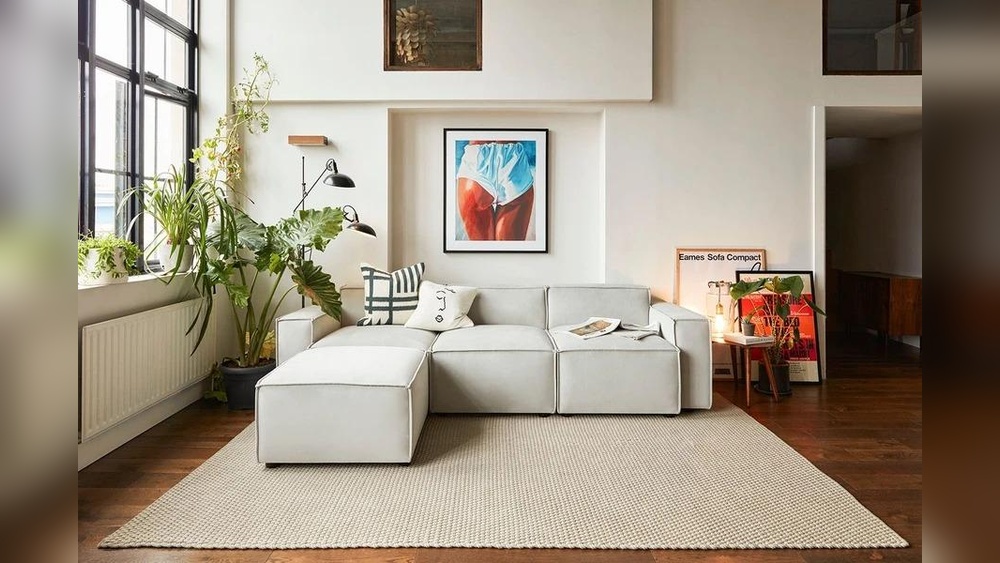
Couches suit casual, relaxed interiors. They pair well with throw blankets and soft pillows. Modern couches come in many colors and patterns, from bright fabrics to neutral leather.
Sofa Style
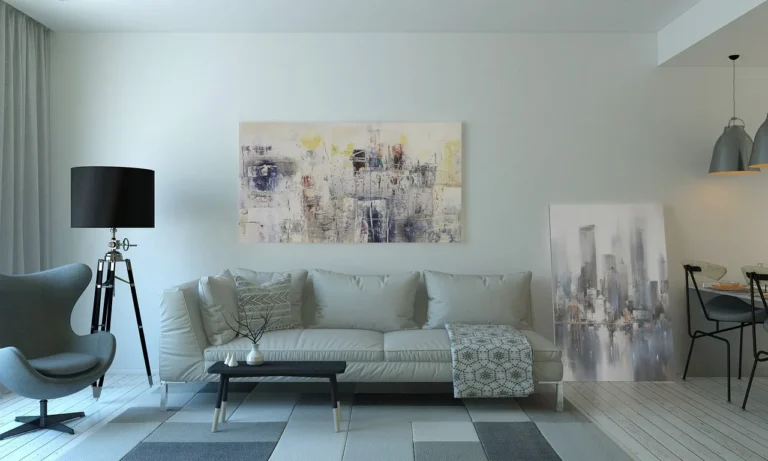
Sofas fit formal or classic decor. They work with elegant rugs, art, and polished tables. Sofas can be traditional, contemporary, or minimalist.
Settee Style
Settees add charm and character. They look best with vintage items, decorative lamps, or fancy mirrors. If you want a unique accent piece, a settee is ideal.
Pro Tip: When matching furniture to your decor, focus on color, texture, and scale. Mixing styles can create interest, but keep a balance so the room feels comfortable.
Comfort And Ergonomics
Comfort is a top priority when choosing seating.
Couch Comfort
Couches are designed for lounging, with deep seats and soft cushions. They allow you to lie down or sit with your feet up. This makes them popular for families and people who value relaxation.
Sofa Comfort
Sofas offer both comfort and support. Their structured frame keeps your back upright, making them good for conversation. Sofas are less ideal for sleeping, but better for hosting guests.
Settee Comfort
Settees are more upright and firm. They are not meant for long periods of sitting. Their comfort level depends on the padding and design.
Example: When I tested a settee, I found it comfortable for short reading sessions, but not for watching a long movie.
Durability And Maintenance
How long your furniture lasts depends on its materials and construction.
| Furniture Type | Maintenance Needed | Durability | Common Issues |
|---|---|---|---|
| Couch | Medium | High | Fabric stains, cushion sagging |
| Sofa | Medium, High | High | Frame wear, upholstery fading |
| Settee | Low, Medium | Medium | Wood scratches, fabric wear |
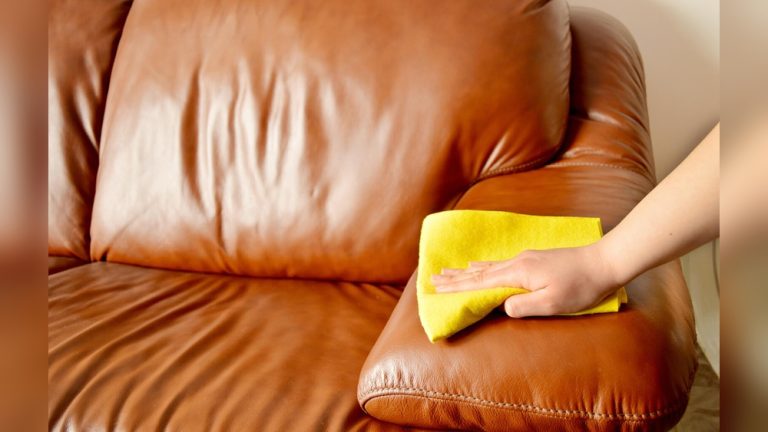
Leather sofas are easier to clean but can crack over time. Fabric couches and settees need regular vacuuming and spot cleaning.
Warning: Avoid cheap materials. Low-quality frames and fabric will wear out quickly, costing more in the long run.
Price Range And Buying Tips
The cost of couches, sofas, and settees varies. Prices depend on brand, materials, and style.
Couch Price
- Budget couches: $300, $700
- Mid-range: $800, $1,500
- High-end: $2,000 and up
Sofa Price
- Budget sofas: $400, $900
- Mid-range: $1,000, $2,000
- High-end: $2,500 and up
Settee Price
- Budget settees: $200, $600
- Mid-range: $700, $1,200
- High-end: $1,500 and up
When buying, focus on:
- Frame quality (solid wood lasts longer)
- Cushion material (high-density foam holds shape)
- Upholstery (easy to clean and durable)
- Warranty (look for at least one year)
Common Mistake: Many buyers focus only on appearance. Always sit on the furniture before buying. Check for support, comfort, and build quality.
For detailed buying guides, visit Consumer Reports.
Regional And Cultural Differences
Different countries use these words in unique ways.
- In the US, couch and sofa are often used for the same item.
- In the UK and Australia, sofa is more common, while couch is less used.
- Settee is popular in the UK, especially for older or classic furniture.
Some cultures use settees in formal rooms, while others see them as informal seating.
Choosing The Right Piece For Your Home
When deciding, consider your needs:
- Space: Measure your room before shopping.
- Use: Are you looking for comfort or style?
- Budget: Set a price range.
- Decor: Match the furniture to your existing colors and style.
- Durability: Choose strong materials if you have kids or pets.
Example: In my own living room, I chose a couch for comfort and a settee for style. This combination gave me space to relax and a beautiful accent piece.
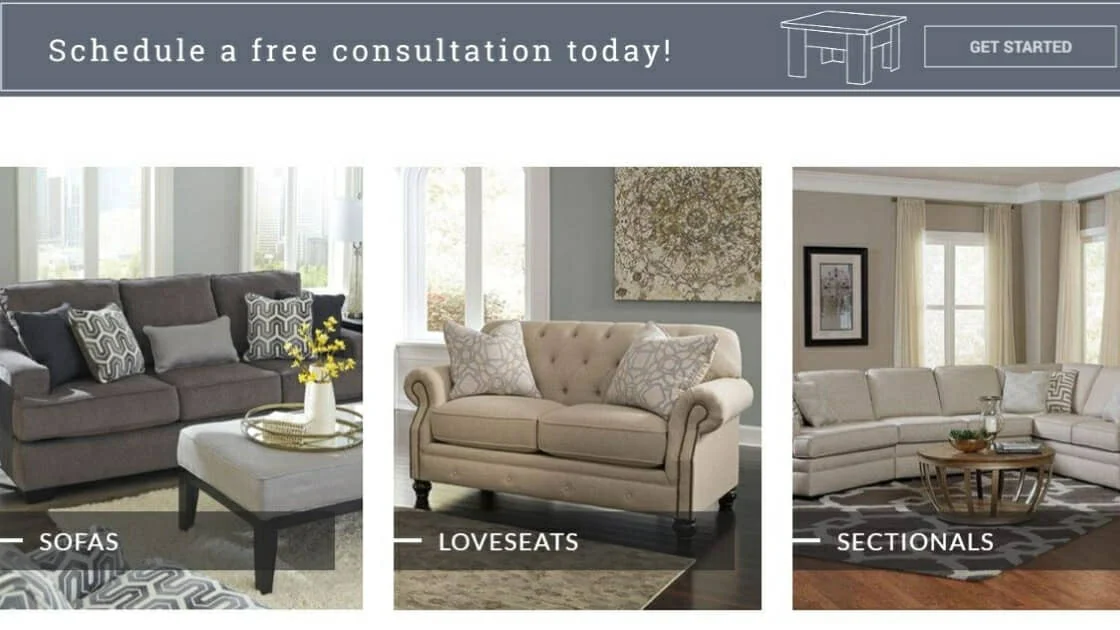
Credit: www.woodstockoutlet.com
Frequently Asked Questions
What Is The Difference Between A Loveseat And A Settee?
A loveseat is a modern, compact sofa for two people, usually with a simple design. A settee is more decorative, often with exposed wood and shaped backs. Settees are usually seen in classic or vintage decor, while loveseats fit modern homes.
Are Couches Or Sofas Better For Small Apartments
Products related to this article
Sponsored / affiliate links. As an Amazon Associate I earn from qualifying purchases. I may earn additional commission from eligible campaigns.