Floating Shelf vs Wall Shelf: Which Is Better for Your Room?
Choose a floating shelf when you want a cleaner look and the wall can take hidden brackets; choose a wall shelf when you need easier installation, higher load capacity, or lighter-duty mounting. Pick the wrong one and I’ve seen the same problems repeat: sagging, pulled anchors, cracked drywall, and shelves that quit under normal use. This guide compares load, wall type, room use, and installation difficulty so you can pick the right shelf the first time.
This guide is part of our Chairs guide: types, buying and care series.
Floating shelf vs wall shelf: the core trade-off
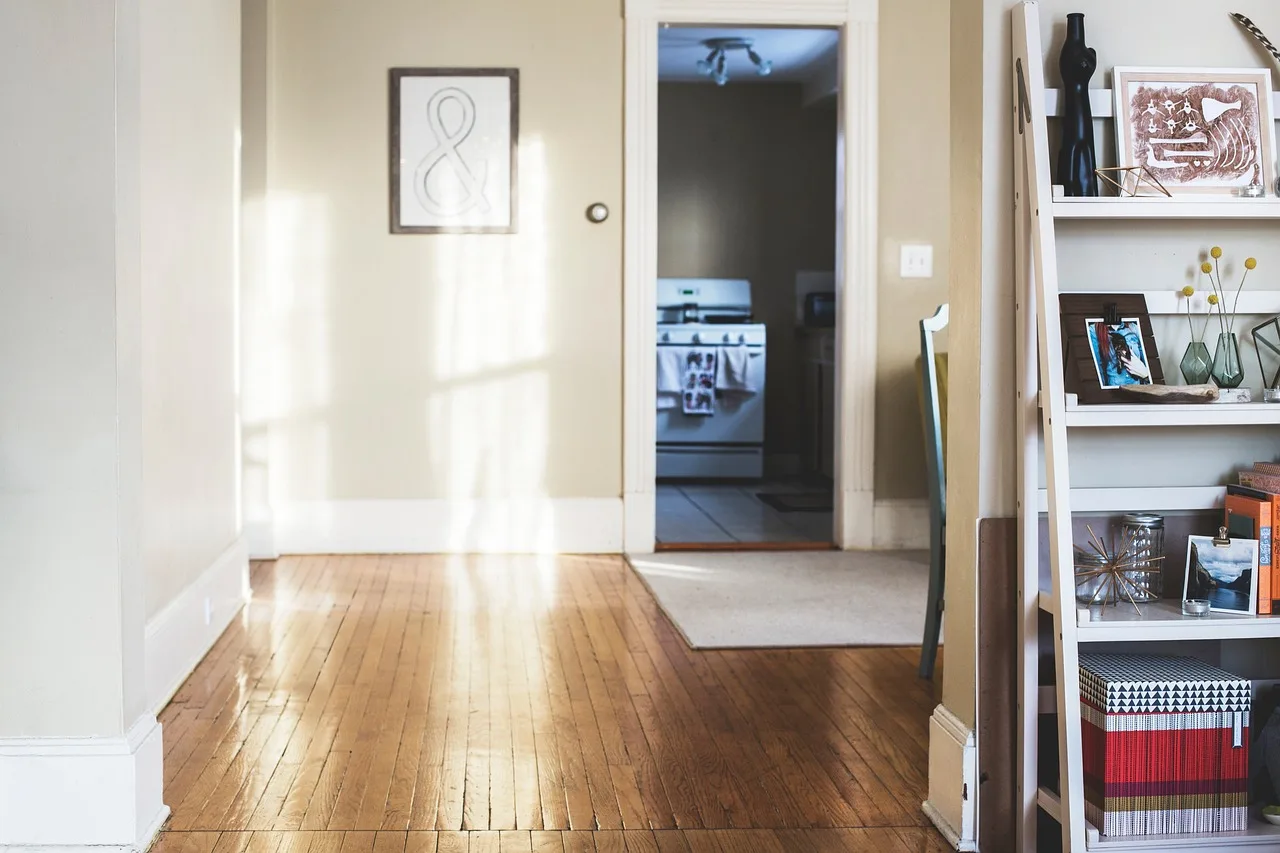


The difference is structural, not cosmetic. A floating shelf appears to float on the wall without visible brackets or supports, while a wall shelf uses visible brackets or corbels, which usually makes the load path easier and stronger. Floating shelves take up minimal space and can be installed at any height and in any configuration, but their lower weight capacity means the wall and the hidden mount have to do more work.
| Decision factor | Floating Shelf | Wall Shelf | Winner |
|---|---|---|---|
| Visual profile | Clean face, no visible brackets | Visible support under the shelf | Floating Shelf |
| Load handling | Lower weight capacity than traditional shelving units | Higher weight capacity; regular shelves can support 100 to 250+ pounds | Wall Shelf |
| Installation path | Hidden internal mounting hardware; precise leveling needed | Visible brackets; standard install is usually simpler | Wall Shelf |
| Best use | Display zones, tight quarters, light storage | Books, pantry items, heavier kitchenware | Tie |
| Damage risk when installed badly | Higher if the mount misses studs or the load sits at the front edge | Lower when stud-mounted; anchors still limit reliability | Wall Shelf |
Visual profile
Floating shelves win when the goal is an open, light wall. Regular wall shelves use visible brackets, so the support reads as part of the design and the shelf looks more like storage hardware than a flush display plane. That is fine in many rooms, but it changes the visual weight of the wall.
Load handling
Wall shelves win this row because bracket geometry carries load better. Triangulation support helps brackets hold books, jars, and small appliances with less sag than a cantilever system, while floating shelves lose capacity as span and depth increase. The shelf type has to match the load, not the wish list.
Installation path
Floating shelves demand more precision. Hidden hardware, steel backplates or prongs, and set screws all depend on accurate leveling and secure attachment, ideally into studs with heavy lag bolts or cabinet screws. Wall shelves are usually easier to place because the visible brackets give you a clearer mount point and more forgiveness during installation.
Best use
This is a tie because both can work in kitchens, living rooms, and entryways. The better choice depends on what sits on the shelf and how often it gets handled. Light decor can ride on either system; dense storage belongs on the stronger mount.
Damage risk when installed badly
Wall shelves usually have the edge here because the support is visible and the load path is less demanding. Floating shelves can damage walls when the hidden hardware is only in drywall or when the shelf is loaded too far forward, which increases pull-out risk. The failure is predictable, not random.
How floating shelves are built and mounted
Floating wall-mounted shelves use hidden internal mounting hardware, which is why the face looks uninterrupted. The mount often uses a metal backplate or prongs, and the shelf is then secured with set screws. That clean look comes with a condition: the wall has to carry a cantilever load, where front-edge torque increases stress as depth and span grow.
Hidden mounting hardware and shelf construction
Most floating shelves rely on a hollow torsion-box shelf or a solid hardwood shelf. Torsion-box construction keeps visible bulk down and works for longer spans, but it is a lighter-duty structure. Solid hardwood shelf builds are the stronger floating-shelf option and are better for higher loads than hollow units, especially in premium installs.
Cantilever load and safe capacity
Cantilever load is the main failure mode. A book placed near the front edge creates more torque than the same book pushed back against the wall, so a deep shelf loaded at the lip behaves much worse than a shallow shelf with centered decor. That is why floating shelves may look sturdy while still having a modest safe load.

How wall shelves are built and mounted
Wall shelves use visible brackets, often L-brackets or J-brackets, and sometimes corbels in more traditional settings. The support is obvious, but that is part of the strength: the bracket geometry spreads load into the wall instead of hiding it inside the shelf. For heavier items, that is a practical advantage.
Brackets, corbels, and triangulation support
Triangulation support matters because it moves force through a stronger shape. A bracketed shelf can carry books, pantry jars, or cookware with less flex, and regular shelves can support 100 to 250+ pounds when installed properly. That does not mean every wall shelf can do that; the mount still has to be matched to the wall.
Stud mounting versus anchor-only installs
Stud mounting is the preferred path for safety and capacity. Lag bolts or cabinet screws into studs give the shelf a solid structure to bear against, while drywall anchors are a fallback when studs are unavailable. Anchors can hold lighter loads, but they limit safe load for shelving and should not be treated like stud attachment.
Which holds more weight: floating shelf or wall shelf?
Wall shelf usually holds more weight. Floating shelves have a lower weight capacity than traditional shelving units, and the safe range drops fast when the shelf is deep, long, or loaded at the front edge. High-end solid wood floating shelves can hold 40 to 60 pounds reliably, while budget hollow drywall-anchored floating shelves should rarely exceed 15 to 25 pounds.
Load class by shelf type
For light decor, a floating shelf is often enough. For books, heavy kitchenware, or pantry storage, wall shelves are the safer default because their visible brackets and stud-mounted structure handle higher loads more comfortably. If the shelf will carry weight every day, the stronger system usually pays off.
How depth, span, and item placement change capacity
Depth increases force on the mount. A longer span also raises sag risk, especially on hollow shelves. Item placement matters more than many homeowners expect: a row of jars set toward the front edge can strain a floating shelf far more than the same row pushed back toward the wall.
When drywall anchors are too risky
Drywall-only mounting is too risky when the shelf will hold books, dishes, or anything that gets grabbed repeatedly. It is also a poor choice for deeper shelves, because the front-edge torque works against the anchor. In those cases, stud mounting is the better answer, and wall shelves usually handle that job more cleanly.
Where should each shelf type be used?
Floating shelves are especially useful in tight quarters like narrow entryway corridors and powder rooms. They work well in small rooms and display zones where the goal is to keep the wall visually open. Wall shelves often fit better where the shelf is mainly for storage and only partly for display.
Small rooms and display zones
Use floating shelves when floor space is limited and the wall needs to stay light. They are useful for framed objects, a plant or two, and small daily items. Their minimal footprint helps in hallways, compact bathrooms, and narrow kitchen stretches where bulky brackets would feel heavy.
Books, pantry items, and kitchenware
Use wall shelves for books and heavier items. Pantry jars, cookware, mugs, and small appliances all benefit from the stronger support and clearer load path. Floating shelves can hold a few light kitchen items, but they are a poor match for dense, repetitive storage.
Renters versus homeowners
Renters usually need the shelf that causes less wall repair and tolerates lighter loads. Floating shelves can work if the landlord allows stud-based fastening and the display stays modest, but patching hidden hardware holes is more involved. Homeowners have more freedom to choose permanent installs, deeper shelves, and higher-load brackets.
Decision table: match shelf type to room, wall, and load
Use this matrix before buying hardware. It separates style from structure, and it flags the cases where a floating shelf should not be used. The right shelf is the one that matches the wall, the span, and the real load.
| Use case | Wall type | Recommended shelf type | Mounting method | Safe load class | Red flags |
|---|---|---|---|---|---|
| Small decor in powder room | Stud wall | Floating shelf | Stud-mounted hidden hardware | Light | No studs, deep shelf, wet-zone swelling risk |
| Hallway display ledge | Drywall with studs nearby | Floating shelf | Lag bolts or cabinet screws into studs | Light to moderate | Books, front-loaded decor, span too long |
| Cookbooks and pantry jars | Stud wall | Wall shelf | L-brackets or J-brackets into studs | Moderate to heavy | Drywall-only anchors, large depth, mixed heavy items |
| Entryway keys and mail | Any standard interior wall | Either, if load stays light | Anchors or stud mount, depending on weight | Light | Bag drop zone, leaning force, repeated pull-down use |
| Heavy kitchenware | Stud wall | Wall shelf | Stud-mounted brackets or corbels | Heavy | Floating shelf, hollow build, drywall-only attachment |
Red-flag checklist for floating shelves
- Do not use a floating shelf for books unless the build is solid hardwood and the mount is into studs.
- Do not use drywall-only anchors for a deep shelf with jars, plates, or heavy decor.
- Do not place heavy items at the front edge, where cantilever load rises fast.
- Do not rely on a hollow torsion-box shelf for repeated heavy use.
- Do not choose floating hardware if the shelf span leaves no reliable stud access.
Choose floating shelf if… / Choose wall shelf if…
Choose a floating shelf if you want a lighter visual line, the wall has stud access, and the load stays modest. Choose a wall shelf if you need higher capacity, easier installation, or a shelf that will carry books, pantry items, or heavier kitchenware without constant worry.
Choose floating shelf if…
Choose it for small rooms, display zones, and tight spots where the shelf should almost disappear. Choose it when the shelf will hold decor, a few light objects, or other low-load items. Choose a solid hardwood shelf over a hollow unit when the load rises and the span stays reasonable.
Choose wall shelf if…
Choose it for storage-first rooms, heavier objects, and installs where strength matters more than a hidden mount. Choose it when stud mounting is possible and when the shelf depth, span, or daily use makes cantilever load a poor fit. For books and kitchenware, wall shelves are usually the safer call.
Do floating shelves damage wall?
Floating shelves can damage a wall if the install is poor, the hardware misses solid support, or the shelf is overloaded. Hidden hardware that misses studs, drywall anchors pulled under load, and shelves loaded at the front edge can tear gypsum and enlarge the holes. A proper stud-mounted install usually leaves patchable holes, but bad installs leave more repair work than a visible bracket shelf.
Patch and repaint impact
The damage is often repairable, but repair time varies. A floating shelf may leave small hidden-hardware holes, while a bracket shelf leaves visible fastener points under the support. If the install is in a rental, the patching burden matters as much as the shelf itself.
When damage risk is higher
Risk rises when the shelf is deep, long, or used as a catch-all. It also rises when anchors are used in weak drywall without stud support. In those cases, the wall gives out before the shelf does.
Frequently asked questions
are floating shelves any good
Yes, floating shelves are good when the goal is light storage and a clean wall line. They work best for decor, small toiletries, and other modest loads. They are a poor fit for books or heavy kitchen items unless the shelf is solid hardwood and mounted into studs with careful placement.
what is a floating shelf
A floating shelf is a wall-mounted shelf that appears to float without visible brackets or supports. The hardware is hidden inside the shelf and wall connection, usually with a steel backplate or prongs. That clean look is the main appeal, but it also means the load path is less forgiving.
where should floating shelves be placed
Place floating shelves where space is tight and the shelf will not carry much weight. Narrow entryway corridors, powder rooms, and display walls are common good fits. Keep heavier items close to the wall and avoid very deep shelves unless the mounting is strong and the shelf is solid hardwood.
are floating shelves a good idea
They are a good idea when the room needs open sightlines and the contents stay light. They are less sensible for dense storage or repeated handling. If the shelf is expected to hold books, pantry jars, or cookware, a wall shelf is usually the better choice.
can floating shelves hold books or kitchen items?
Sometimes, but only with limits. High-end solid wood floating shelves can handle moderate loads if they are mounted into studs, yet books and kitchen items quickly expose cantilever load and front-edge torque. For regular book storage or heavier kitchenware, a wall shelf is the safer option.
how are floating shelves installed compared with wall shelves?
Floating shelves need hidden internal mounting hardware, precise leveling, and a secure connection that often uses lag bolts or cabinet screws into studs. Wall shelves usually install with visible L-brackets or J-brackets, which makes the process more straightforward. Both can use anchors, but anchors are weaker than stud mounting for shelving.
Products related to this article
Sponsored / affiliate links. As an Amazon Associate I earn from qualifying purchases. I may earn additional commission from eligible campaigns.