Floating Shelf Cost: How Much You’ll Pay
Floating shelf cost usually ranges from about $20 to $80 for a basic decor shelf, about $50 to $200 for a solid DIY build, and about $80 to $500 or more for installed shelves, depending on wall structure, load needs, and finish. Buy for looks alone, and you can end up with sagging, pull-out fasteners, or a shelf that cannot hold the weight you planned for. This guide compares budget decor, DIY, and custom install pricing, plus the wall and load factors that move the total.
What is a floating shelf?
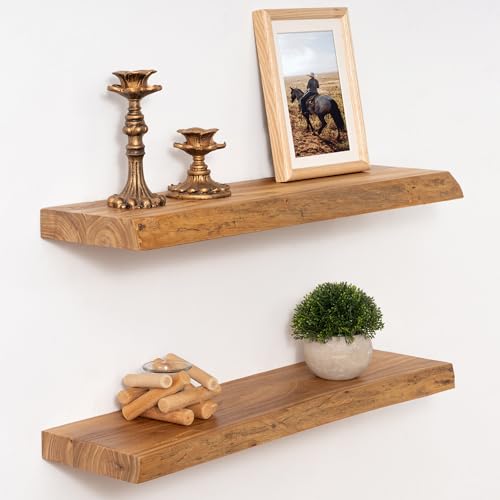
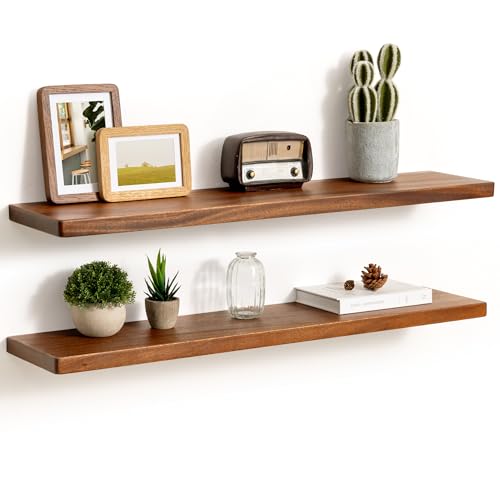
A floating shelf is a shelf with concealed hardware, so the support is hidden inside or behind the shelf rather than visible under it. That clean look usually costs more than a simple shelf board, because the hardware, wall anchoring, and installation all have to work together.
The main difference from visible-bracket shelving is the support path. A visible bracket hangs below the shelf and is easy to size. A floating shelf uses a concealed steel support, rod-and-bracket hardware, or a cleat-style system that slots into the back of the shelf and ties into the wall.
How concealed hardware creates the floating look
The shelf appears to project from the wall with no support under it because the mounting parts sit inside the shelf or behind it. That hidden hardware can include steel rods, a welded bracket, or a cleat paired with screws into structural framing. The cleaner the look, the more the wall and the shelf itself matter.
How floating shelves differ from visible-bracket shelves
Visible-bracket shelves can sometimes cost less to install because the fasteners are easier to access and the support is less demanding. Floating shelves usually cost more when the goal is a cleaner line, a thicker-looking shelf, or a heavier load rating. The price gap grows when you need a custom size.
Floating shelf cost matrix
The table below separates shelf price, bracket price, labor, and install method so you can compare buyer paths instead of shopping by appearance alone. The totals are example project ranges based on the price ranges used in this guide and common material choices.
| Shelf length | Depth | Material | Bracket type | Labor | Install method | Estimated total cost | Best-use case |
|---|---|---|---|---|---|---|---|
| 24 inches | 10 inches | Painted pine | Hidden rod support | Included in installed price | Mounted to studs | $80 to $200 | Light decor, framed photos, small plants |
| 30 inches | 10 inches | Poplar | Concealed steel bracket | Included in installed price | Mounted to studs or blocking | $80 to $200 | Entryway display and light storage |
| 36 inches | 10 inches | DIY pine board | Rod-and-bracket kit | DIY only | Stud mount | $50 to $200 | Budget project shelf with moderate load |
| 36 inches | 10 inches | Painted pine or poplar | Hidden steel support | Included in installed price | Mounted to studs | $80 to $200 | Decor shelf with a cleaner finish |
| 48 inches | 10 to 12 inches | White oak, oil finish | Concealed steel support | Included in installed price | Studs or blocking | $150 to $380 | Kitchen display, bowls, cookware, heavier decor |
| 48 inches | 10 to 12 inches | Walnut, hardwax-oil finish | Heavy concealed bracket | Included in installed price | Studs required for kitchen use | $250 to $550 | Premium feature wall or statement kitchen shelf |
| 3 shelves at 36 inches each | 10 inches | Painted kitchen shelves | Hidden suspension brackets | Installed package | Stud-mounted set | $400 to $900 | Budget open kitchen shelving |
| 3 to 4 shelves at 48 inches each | 10 to 12 inches | White oak | Heavy concealed support | Installed package | Studs and layout work | $800 to $2,000 | Open kitchen shelving with a custom finish |
A full wall floating shelf system can cost $2,500 to $6,000+ when the layout, finish, and labor scale up together. That range is less about one shelf and more about site work, alignment, multiple shelves, and the added time needed to keep everything level across a larger wall.
What changes the price?
Floating shelf price shifts with wood species, finish, length, depth, thickness, and the bracket system. A small painted shelf with basic hidden support can stay near the low end, while a thicker hardwood shelf with a finished face and heavier mounting hardware moves quickly into the upper range.
Wood species and finish tier
Pine and poplar sit in the budget tier because the lumber is generally less costly and easier to machine. White oak is a mid- to upper-tier choice, while walnut and cherry usually cost more because the material itself is pricier and the finish work is more visible. Finish also matters: painted shelves can cost less than oil-finished or hardwax-oil shelves because the material prep and handwork change.
A single painted pine or poplar shelf is priced at $80 to $200 installed. A single white oak shelf with oil finish is priced at $150 to $380 installed. A single walnut shelf with hardwax-oil finish is priced at $250 to $550 installed.
Shelf length, depth, and thickness
Longer shelves need more material and more support, so the price goes up with length. Depth matters too, because a deeper shelf puts more force on the wall. Thickness changes both appearance and cost; a thicker shelf usually uses more lumber and can cost more to machine and finish.
Common floating shelf lengths run from about 24 to 60 inches, and common depths run from about 10 to 12 inches. According to Shelfology’s published guidance, 10 inches is the standard floating shelf depth for most applications, and Shelfology says 1 1/4 inches is the minimum thickness for solid wood shelves.
Bracket style and concealed support
Floating shelf brackets are not all the same. A concealed steel support is common for general use, rod-and-bracket systems are often used for stronger kitchen installations, and cleat-style hardware can be sized for heavier loads. The stronger the bracket and the better the anchoring, the more the project tends to cost.
Hidden rod systems for kitchen use should be mounted into studs. French cleats can support substantial weight, but capacity varies with cleat design, fasteners, wall structure, and load distribution. Shelfology says floating shelves can hold about 20 lbs to 1,500 lbs, depending on the shelf, bracket, and wall.
How much can a floating shelf hold?
A floating shelf can hold only as much as the shelf, bracket, and wall substrate can support together. Light decorative shelves may be fine for framed art, small plants, or dishes, while kitchen and pantry shelves need stronger hardware and better anchoring. Heavy-duty use usually means more cost.
Light decor use
For decor, the load is often low enough that a smaller shelf with hidden hardware works well. That lower demand usually keeps the project in the budget range. The risk here is not usually collapse from sheer weight, but visible sagging or wobble when the shelf is too long or the anchors are too weak.
Kitchen and pantry use
Kitchen shelves carry more weight from plates, mugs, jars, and cookware. That is why stud mounting matters so much. When the shelf is deeper or longer, the bracket and wall connection must work harder, and the install price often rises along with the hardware grade.
Say your kitchen shelf is 48 inches long and 12 inches deep, but it is mounted only to drywall anchors. It may look fine on day one. Once you load it with stacked dishes, the shelf can wobble or pull free, and the fix usually costs more than doing the stud mount at the start.
Heavy-duty storage limits
Heavy-duty storage calls for stronger support, tighter anchoring, and often more labor. That can mean blocking in the wall, more careful layout, or a custom bracket system. Once the shelf is meant for books, cookware, or frequent daily use, the project moves out of decor pricing and into structural pricing.
Do floating shelves need wall studs?
For many load cases, yes. Studs give the bracket something structural to bite into, and that directly affects both strength and cost. Drywall alone is a weak base for kitchen shelves, deeper shelves, or any shelf expected to hold real weight.
Studs versus blocking
Studs are the simplest strong anchor point. Blocking is a built-in wood backing inside the wall that can offer even better layout flexibility when the shelf position does not line up with the studs. Both options can raise cost if the wall needs opening or repair before the shelf goes up.
Why drywall alone limits strength
Drywall can hold light loads, but it is not the right base for most kitchen or heavy-use floating shelves. The danger is not only failure at the anchor point; it is also gradual loosening that causes a shelf to droop. That is one reason cheaper installs can become expensive later.
Anchor choice and failure risk
The wrong anchor choice can lead to sagging, wobble, or pull-out. Those failures matter because repair may involve patching drywall, replacing fasteners, and reinstalling with better hardware. A lower upfront price can turn into a higher total if the first install is underbuilt.
DIY, retail, or custom install?
Big-box shelves are usually the lowest sticker price, DIY builds can be the best value if you already have tools and confidence, and custom installs cost more because of labor, fit, and finish. The right path depends on load needs, wall structure, and whether you want one shelf or a full wall.
Big-box floating shelf pricing
IKEA’s LACK wall shelf, white, 110×26 cm costs € 17, and IKEA says floating shelves use hidden suspension brackets. That kind of shelf is useful for light decor, but the low retail price does not include the same labor, fit, or load support as a built and installed shelf.
Where can you buy floating shelves? Big-box stores, home centers, and custom cabinet or millwork shops are the main paths. Retail shelves are best when you want a standard size quickly. Custom shops make sense when you need matched wood, a specific finish, or stronger support for kitchen use.
What it costs to build one yourself
DIY cost depends on lumber, hardware, finish, and time. If you build with pine or poplar and a standard concealed bracket, you may stay near the lower end. Once you move to hardwood, stain-grade finishing, or stronger hardware, the project cost climbs quickly.
For example, a 36-inch DIY pine shelf with a rod-and-bracket kit can fit within the $50 to $200 range in this guide.
- Measure the wall space and decide on length, depth, and thickness.
- Check stud locations before you pick the bracket system.
- Choose lumber and finish based on the load and the room.
- Buy concealed hardware sized for the shelf and the wall.
- Assemble, level, and mount with enough structural support.
When custom shelving costs more
Custom work costs more when the shelf must fit a specific wall, match cabinet colors, carry a heavier load, or cover a large run of open shelving. Labor is a big part of that total. Layout, scribing, finishing, and installation all add time.
What makes custom floating shelves cost more? Fit, finish, and labor. A single shelf can be pricey on its own, but a multi-shelf kitchen wall adds design time, structural prep, and installation work. That is why a set of 3 to 4 white oak open kitchen shelves can land at $800 to $2,000.
Size and thickness guide
Most buyers should size the shelf to the room and the weight it will carry, not only to the available wall width. A 24-inch shelf can suit a small display, while 48-inch and 60-inch shelves are more common where you want storage or a longer visual line. Depth and thickness should rise with load.
Common lengths from 24 to 60 inches
Short shelves are easier to support and usually cost less. Mid-length shelves are versatile for kitchens, offices, and hallways. Long shelves need better framing, stronger brackets, and more careful leveling, so they are often the point where a DIY plan becomes a custom job.
Common depths from 10 to 12 inches
Ten inches is a common standard for many applications, especially decor and light kitchen storage. Twelve inches can be better when you need more usable surface, but the added depth increases force on the wall. That extra depth can raise both material cost and installation demands.
Thickness choices for decor and load
Thicker shelves usually look better on larger walls and perform better under load, but they cost more. The same source says 1 1/4 inches is the minimum thickness for solid wood shelves. In practice, thicker stock or a built-up edge may be worth the cost when the shelf must feel sturdy and support heavier items.
Suppose you want a 60-inch walnut shelf above a coffee station. A thin shelf may look light, but it can read as underbuilt next to heavy mugs and appliances. A thicker shelf costs more, yet the final result is more stable and usually better matched to the use.
Frequently asked questions
How much does a floating shelf cost?
The total rises with wood species, finish, length, bracket strength, and whether the wall needs stud work or blocking.
What does it cost to build a floating shelf?
Building one yourself can cost $50 to $200 for a basic shelf, depending on lumber, finish, and hidden hardware. Pine and poplar cost less than white oak or walnut. If you need a stronger bracket system or a stain-grade finish, the budget can rise quickly.
How do floating shelf brackets affect price?
Bracket type changes both price and strength. A concealed steel support is common, rod-and-bracket systems cost more when they are sized for kitchen loads, and cleat-style hardware can support heavier shelves. Stronger brackets usually mean better load support, but they also add to material and labor cost.
Products related to this article
Sponsored / affiliate links. As an Amazon Associate I earn from qualifying purchases. I may earn additional commission from eligible campaigns.
 Acovy 40 Inch Floating Shelves, 12" Deep Floating Shelf Wall Mounted, 40" Wall Shelves, Rustic Deep Bookshelf, Extra Deeper & Thicker Display Shelves for Bedroom, Living Room, Oak, Set of 2
 Acovy 24 Inch Floating Shelves, 12" Deep Floating Shelf Wall Mounted, 24" Wall Shelves, Rustic Deep Bookshelf, Extra Deeper & Thicker Display Shelves for Bedroom, Living Room, Brown, Set of 2