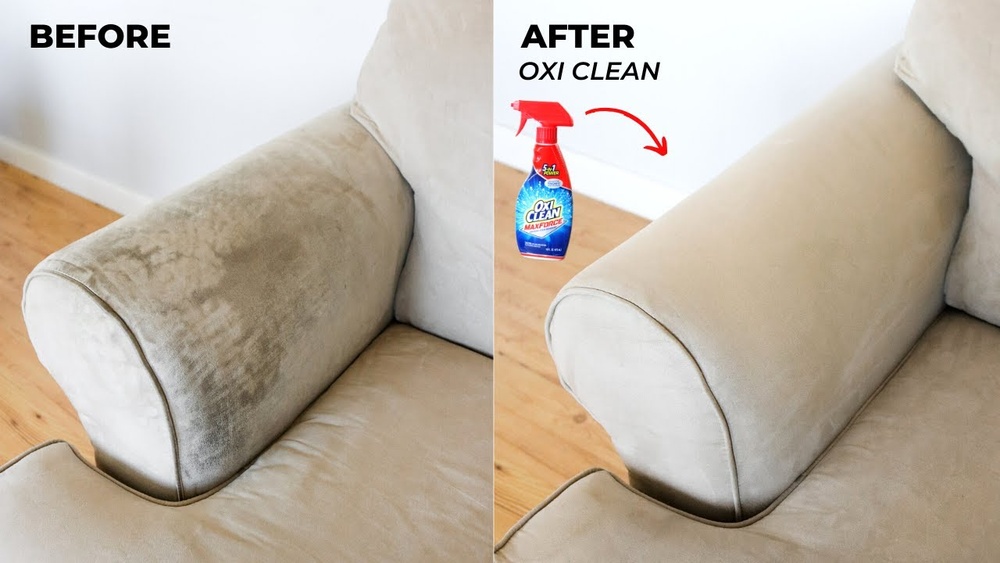
How to Remove Stain in Fabric Sofa: Easy Steps for Spotless Results
A fabric sofa adds warmth and comfort to any living room, but it also attracts stains from spills, food, and daily use. Whether it’s a splash of coffee or muddy paw prints, stains can quickly make your sofa look tired and old.

Dr. Beckmann
Dr. Beckmann Upholstery Stain Remover | Removes…
- Stains on upholstery such as red wine, grease, coffee or even pet dirt can now be easily removed with the specially designed uphol…
- The innovative and unique triangular soft brush provides the perfect 2-in-1 solution for hard-to-reach stains on a variety of furn…
- State-of-the-art odour-inhibiting Freshplex technology combats unpleasant odors, while Oxi-Power's expert formula effortlessly fig…
As an Amazon Associate I earn from qualifying purchases.
Many people feel nervous about cleaning fabric upholstery, worried they might make things worse or even ruin their sofa. But with the right approach, you can remove most stains safely and restore your sofa’s fresh look.
In this guide, you’ll learn how to remove different kinds of stains from fabric sofas, which cleaning methods work best, and what products to avoid. You’ll also find practical tips from real experience, easy-to-understand steps, and answers to questions people often ask.
By the end, you’ll feel confident handling common sofa stains and keeping your living space inviting for family and guests.
Understanding Fabric Sofas And Stains
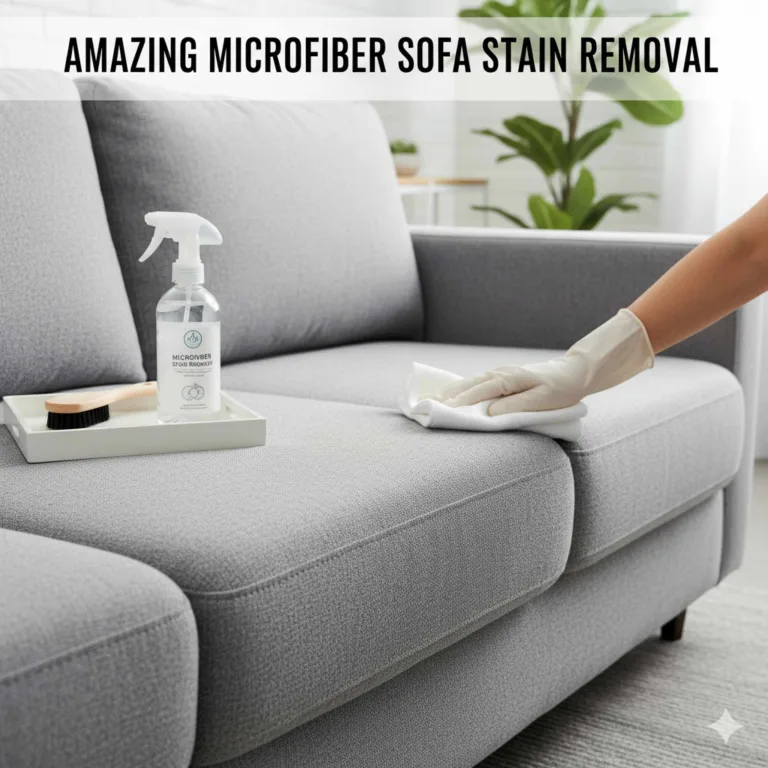
Fabric sofas come in many materials, including cotton, linen, polyester, microfiber, and blends. Each fabric type reacts differently to cleaning solutions and methods. For example, microfiber is more resistant to stains, while linen absorbs liquids quickly. Always check the manufacturer’s label for cleaning codes like W (water-based cleaner), S (solvent-based cleaner), WS (either), or X (vacuum only). These codes guide you on what is safe for your sofa.
Stains also vary. Some are water-based (like juice or soda), while others are oil-based (like salad dressing or butter). Knowing the stain type helps you choose the right cleaning method. Old stains can be tougher to remove, as they set into the fabric. Acting quickly gives you the best chance of full removal.
Essential Tools And Supplies For Sofa Stain Removal
Before you start cleaning, gather these supplies:
- Clean white cloths or paper towels (to avoid color transfer)
- Soft-bristled brush or old toothbrush
- Vacuum cleaner with upholstery attachment
- Mild dish soap
- White vinegar
- Baking soda
- Rubbing alcohol (isopropyl alcohol)
- Spray bottle
- Small bowl or bucket
- Spoon or dull knife (for scraping off solids)
You might also need a fabric-safe stain remover or upholstery shampoo for stubborn stains. Always test any product on a hidden area first to check for color changes or damage.
Quick Comparison: Common Cleaning Solutions
Here’s a look at how common cleaning solutions compare for sofa fabrics:
| Solution | Best For | Safe On Most Fabrics? | Extra Precautions |
|---|---|---|---|
| Mild Dish Soap & Water | Food, drinks, dirt | Yes | Rinse well to avoid residue |
| White Vinegar & Water | Odors, organic stains | Yes (test first) | Can fade some colors |
| Baking Soda | Odors, grease stains | Yes | Vacuum thoroughly after use |
| Rubbing Alcohol | Ink, grease | No (not for acetate, rayon) | Test hidden area |
Step-by-step Guide: Removing Different Stains
1. General Cleaning For Light Stains
For most fresh stains like juice, coffee, or dirt:
- Blot immediately with a white cloth, do not rub, as this spreads the stain.
- Mix a few drops of mild dish soap in a cup of lukewarm water.
- Dip a cloth in the soapy water, wring it out, and gently blot the stain.
- Wipe with a clean damp cloth to remove soap residue.
- Blot dry with a towel.
Pro Tip: Always work from the outside of the stain inward to prevent spreading.
2. Removing Grease And Oil Stains
Grease can be tricky, but it’s possible to remove with patience.
- Sprinkle baking soda over the stain and let it sit for 20 minutes. This absorbs oil.
- Vacuum up the baking soda.
- Dab the spot with a cloth dampened with a little rubbing alcohol. Blot, don’t rub.
- Rinse with a damp cloth.
If the stain remains, repeat or try a fabric-safe degreaser.
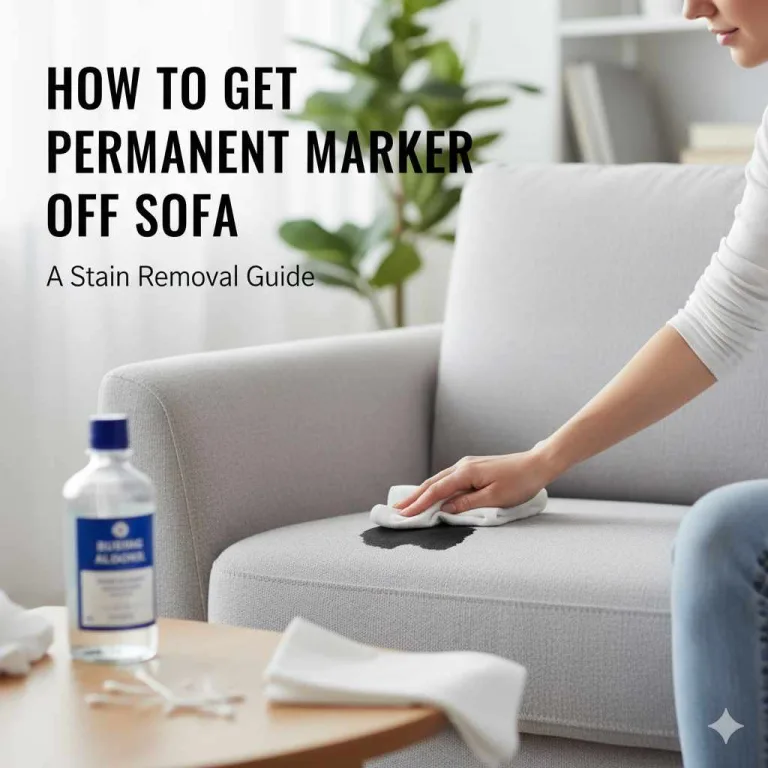
3. Cleaning Ink Stains
Ink stains are stubborn, especially on light-colored fabric.
- Dampen a cotton swab with rubbing alcohol.
- Gently dab the ink spot; do not rub.
- Place a clean cloth under the stain to catch ink transfer.
- After a few minutes, blot with a damp cloth.
Rubbing alcohol can remove color from some fabrics, so test first.
4. Treating Pet Stains And Odors
Pets sometimes leave stains and smells. For urine or vomit:
- Blot up as much as possible with paper towels.
- Mix equal parts white vinegar and water in a spray bottle.
- Spray the area and let it sit for 10 minutes.
- Blot with a dry cloth.
- Sprinkle baking soda over the area once dry to remove odor, wait an hour, then vacuum.
Pro Tip: Enzyme-based cleaners also work well for pet stains, as they break down proteins.
5. Handling Red Wine And Juice Spills
Red wine and juice can quickly stain if not treated fast.
- Blot up as much liquid as possible.
- Mix 1 tablespoon dish soap, 1 tablespoon white vinegar, and 2 cups of water.
- Blot the stain with the solution using a cloth.
- Rinse with a clean damp cloth and blot dry.
Never use hot water, as it can set the stain.
6. Removing Old Or Set-in Stains
Old stains may need more effort.
- Make a paste with baking soda and water.
- Apply to the stain and let sit for 30 minutes.
- Gently scrub with a soft brush.
- Wipe off the paste with a damp cloth.
- Repeat if necessary, or use a commercial upholstery cleaner.
7. Dealing With Coffee And Tea Stains
- Blot up the spill with a dry cloth.
- Mix 1 teaspoon dish soap, 1 tablespoon white vinegar, and 1 cup warm water.
- Blot the stain with the mixture.
- Rinse with a clean cloth dampened with water.
8. Addressing Blood Stains
Blood stains should be treated with cold water.
- Blot as much as possible with a paper towel.
- Dampen a cloth with cold water and blot the area.
- If needed, use a little dish soap in cold water to remove the rest.
Never use hot water, as it can set the stain.
Using Upholstery Cleaners And Machines
Some stains need the help of a commercial upholstery cleaner or a cleaning machine. These devices spray water and cleaning solution, then vacuum it up. Always follow the manufacturer’s instructions and test a small area first.
Example:
A rented upholstery cleaner works best for removing a large, dried chocolate stain from an old sofa. The machine lifted dirt from deep inside the cushion, which hand cleaning couldn’t reach.
Pro Tip: For deep cleaning, try to clean the whole cushion or sofa section, not just the stained spot. This prevents water rings or uneven color.
Drying And Caring For Your Fabric Sofa
After cleaning, drying is important. Too much moisture can cause mildew or water spots.
- Blot up excess moisture with a towel.
- Open windows or use a fan to speed drying.
- Do not sit on the sofa until it is fully dry.
For regular care, vacuum your sofa weekly and rotate cushions to prevent uneven wear.
Common Fabric Types And Their Care Needs
Here’s a comparison of how different fabrics react to common cleaning methods:
| Fabric Type | Water-Based Cleaner | Solvent Cleaner | Vacuum Only |
|---|---|---|---|
| Cotton | Yes | Sometimes | No |
| Linen | Yes (with care) | Sometimes | No |
| Polyester | Yes | Rarely needed | No |
| Microfiber | No | Yes (rubbing alcohol) | No |
| Rayon | No | Yes | No |
| Delicate blends | No | Yes (test first) | Yes |
Always check your sofa’s label for the safest cleaning method.
What Not To Do When Cleaning Sofa Stains
Some cleaning mistakes can make stains worse or damage your sofa:
- Don’t rub stains aggressively, as this pushes them deeper.
- Avoid colored towels or sponges, which can transfer dye.
- Never use bleach or strong chemicals unless the manufacturer says it’s safe.
- Don’t soak the fabric, too much water can cause mold or damage.
- Skip heat (hairdryers, hot water) for most stains, as it can set them.
Warning: Using the wrong cleaner can void your sofa’s warranty. Read care instructions before starting.

Credit: www.youtube.com
Homemade Vs. Commercial Cleaners
Homemade cleaners are affordable and use ingredients you likely have, such as vinegar, baking soda, and dish soap. They are usually safe for most fabrics if used carefully. Commercial cleaners, on the other hand, are designed for specific stains and may work faster or more completely.
Pros And Cons Comparison
| Cleaner Type | Advantages | Disadvantages |
|---|---|---|
| Homemade | Cheap, natural, easy to make | May need repeat use, not for all stains |
| Commercial | Powerful, target specific stains | Can be expensive, may contain harsh chemicals |
If you have allergies or sensitive skin, always check the cleaner’s ingredients.
Preventing Future Stains
Keeping your sofa clean is easier than removing tough stains. Here are some helpful habits:
- Vacuum regularly to remove dust and crumbs.
- Use arm covers or washable throws for high-use spots.
- Avoid eating or drinking on the sofa if possible.
- Train pets to stay off, or use a pet cover.
- Treat spills immediately before they set.
Pro Tip: Consider applying a fabric protector spray, following the instructions carefully. This creates a barrier that makes it easier to wipe away spills.

Credit: www.youtube.com
When To Call A Professional
Sometimes, a stain won’t budge or you worry about damaging the fabric. Professional upholstery cleaners have specialized tools and solutions. It’s a good idea to call a pro for:
- Large stains or those covering several cushions
- Antique or delicate fabrics
- Mold or mildew problems
- Persistent odors
Professional cleaning can also refresh your sofa every year or two, extending its life.
Two Non-obvious Insights Beginners Miss
- Water Temperature Matters: Many people use warm or hot water, thinking it will clean better. For stains like blood, milk, or egg, only cold water should be used. Hot water can cook proteins and make stains permanent.
- Blotting Pressure: Pressing too hard when blotting can push the stain deeper into the cushion. Gentle pressure is more effective, let the cloth absorb the liquid without force.

Credit: cozyliving.com.au
Frequently Asked Questions
What If My Sofa’s Cleaning Code Is “x”?
If your fabric sofa has an X cleaning code, it means you should only vacuum or use dry brushing. Wet cleaners or solvents can damage the fabric. For any visible stains, contact a professional upholstery cleaner instead of trying home solutions.
How Can I Remove Odors From My Fabric Sofa?
Sprinkle a generous layer of baking soda over the entire sofa and let it sit for at least an hour (overnight is even better). Then, vacuum thoroughly. If odors linger, use a mixture of equal parts water and white vinegar in a spray bottle. Lightly mist the fabric and allow it to air dry with good ventilation.
Are Store-bought Upholstery Cleaners Safe For All Fabric Sofas?
Not all store-bought cleaners are safe for every fabric. Always check your sofa’s label and test the product on a hidden area. Some cleaners can bleach, fade, or weaken certain materials, especially delicate or natural fibers. When in doubt, choose a product labeled as safe for upholstery and follow instructions.
What Should I Do If The Stain Reappears After Cleaning?
Some stains, especially those from sugary drinks or oil, can “wick” back to the surface as the cushion dries. If this happens, repeat the cleaning process, making sure to blot and not oversaturate the fabric. For deep or recurring stains, consider using a wet-dry vacuum or call a professional.
Is Steam Cleaning Safe For All Fabric Sofas?
Steam cleaning is effective for many synthetic fabrics but can damage natural fibers like linen, silk, or wool. Steam can also shrink some materials or cause water rings. Check your sofa’s label for cleaning codes, and if it says “S” or “X,” avoid steam.
When unsure, consult a professional before using steam.
Caring for your fabric sofa doesn’t have to be stressful. With the right methods, a little patience, and quick action, you can keep your sofa looking and smelling fresh for years. For more in-depth sofa care tips, visit the Good Housekeeping upholstery cleaning guide.
Remember, the most important step is to treat stains as soon as possible, and always test new products or
Related pick: Check today's price on Amazon
Products related to this article
Sponsored / affiliate links. As an Amazon Associate I earn from qualifying purchases. I may earn additional commission from eligible campaigns.