How to Clean My Sofa: Expert Tips for a Spotless Couch
Cleaning your sofa might sound simple, but doing it well takes a bit of know-how. Sofas are often the center of home life, where we relax, gather, and sometimes even eat. All that use means stains, dust, and odors can build up fast.
Whether your couch is fabric, leather, or even a newer material, regular cleaning keeps it looking fresh and can extend its life by years. But many people don’t realize that the wrong cleaning method can actually damage a sofa. This guide will show you how to clean your sofa safely and effectively, using proven steps and expert advice.
By the end, you’ll know not just how to remove dirt, but how to tackle stubborn stains, freshen up odors, and avoid common mistakes that can ruin your furniture.
Understanding Your Sofa Type
Before you begin cleaning, it’s important to know what kind of sofa you have. The material affects which cleaning products and methods are safe to use. For example, using water on a suede sofa can leave permanent marks, while leather needs special care to avoid cracking.
Common Sofa Materials
- Fabric: Includes cotton, polyester, linen, and blends. These are the most common and usually marked with a cleaning code.
- Leather: Classic and durable, but sensitive to harsh chemicals.
- Microfiber: Popular for its stain resistance, but can show water spots if cleaned incorrectly.
- Velvet: Luxurious, but can be delicate and prone to crushing or color loss.
- Synthetic blends: Often mimic the look of more expensive materials but have their own cleaning requirements.
Decoding Sofa Cleaning Codes
Most sofas have a tag with a cleaning code under the cushions or along the frame. Here’s what the codes mean:
| Code | What It Means | Recommended Cleaner |
|---|---|---|
| W | Water-based cleaners are safe | Foam or liquid upholstery shampoo |
| S | Use solvent-based cleaners only | Dry-cleaning solvent |
| WS | Water or solvent cleaners are safe | Either water-based or solvent |
| X | Vacuum only, no cleaners | Dry brush or vacuum |
Pro Tip: If your sofa’s tag is missing, test your cleaning solution on a hidden area first.
Tools And Supplies You’ll Need
Using the right tools makes sofa cleaning easier and safer. Here’s what you’ll need for most jobs:
- Vacuum cleaner with upholstery attachment
- Soft-bristled brush (for loosening dirt)
- White microfiber cloths (colored cloths can transfer dye)
- Spray bottle (for mixing cleaning solutions)
- Bucket (for rinsing cloths)
- Mild dish soap
- White vinegar (for deodorizing)
- Rubbing alcohol (for some stains on microfiber)
- Commercial upholstery cleaner (optional, for tough stains)
- Leather cleaner and conditioner (for leather sofas)
For deeper cleaning or stain removal, you might also want:
- Baking soda (for odors)
- Enzyme cleaner (for pet messes)
- Steam cleaner (if your sofa is marked “W” or “WS”)
How To Clean A Fabric Sofa
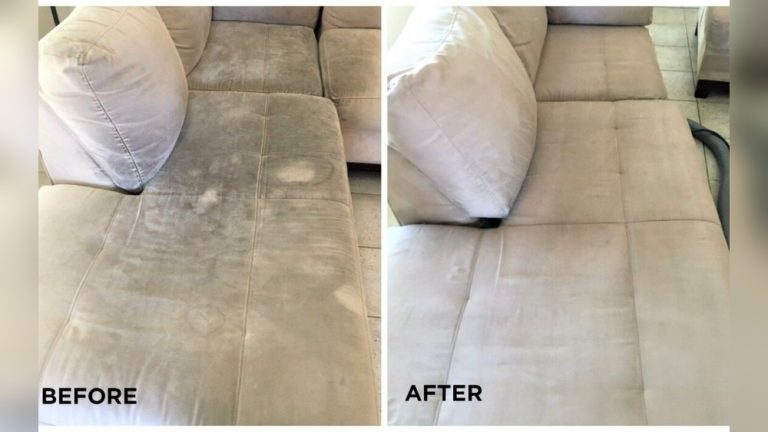
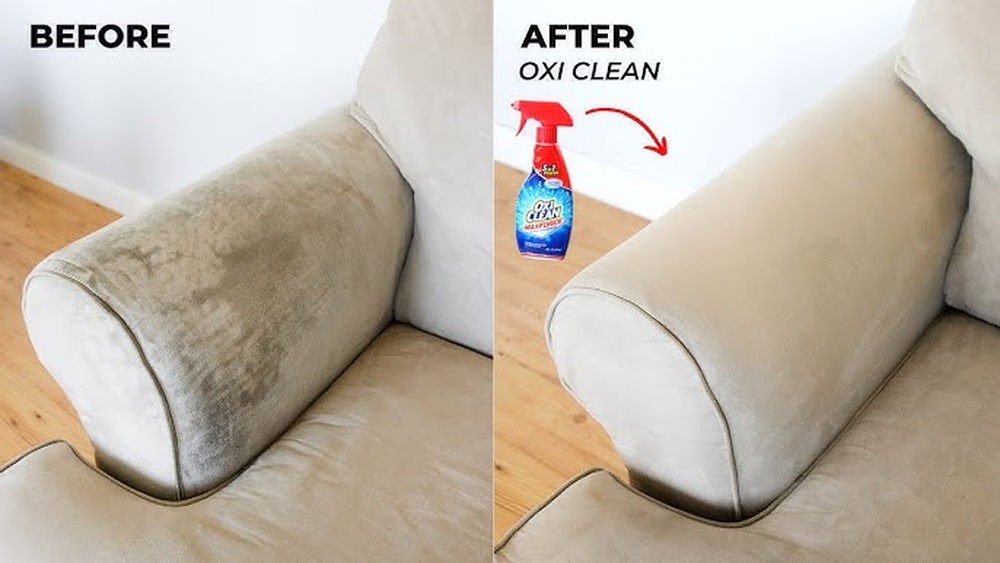
Fabric sofas are comfortable and stylish, but they’re also magnets for dust, crumbs, and spills. Here’s a step-by-step guide to cleaning most fabric sofas:
Step 1: Remove Loose Dirt
Start by removing cushions (if possible) and vacuuming all surfaces. Use the upholstery attachment for best results. Pay special attention to seams and crevices, where crumbs and pet hair collect.
Step 2: Deal With Stains
Blot any stains with a dry white cloth. Don’t rub, rubbing can push the stain deeper into the fabric. If you know the cause of the stain, use an appropriate cleaner:
- Food and drink: Mix a few drops of mild dish soap with warm water. Dip a cloth into the solution, wring it out, and blot the stain gently.
- Grease: Sprinkle baking soda on the spot, let it sit for 20 minutes, then vacuum.
- Ink: Dab with a cloth lightly dampened with rubbing alcohol.
Example: Once, I spilled coffee on my light gray sofa. I immediately blotted the area, then used a mix of dish soap and water. The stain faded after two rounds of blotting and air drying, faster than I expected.
Step 3: Clean The Whole Surface
Mix a small amount of mild dish soap with warm water. Lightly dampen a clean cloth (don’t soak it) and wipe the entire surface, working in small sections. This helps avoid water spots. Rinse the cloth often and keep it only slightly damp.
Step 4: Rinse And Dry
Wipe down the sofa with a clean, damp cloth to remove any soap residue. Let the sofa air dry completely before replacing cushions or sitting down. Open windows or use a fan for faster drying.
Step 5: Freshen Up
If your sofa smells musty, sprinkle baking soda over the fabric, let it sit for 30 minutes, then vacuum thoroughly.
Warning: Avoid using too much water, as it can leave rings or encourage mold growth inside the cushions.
How To Clean A Leather Sofa
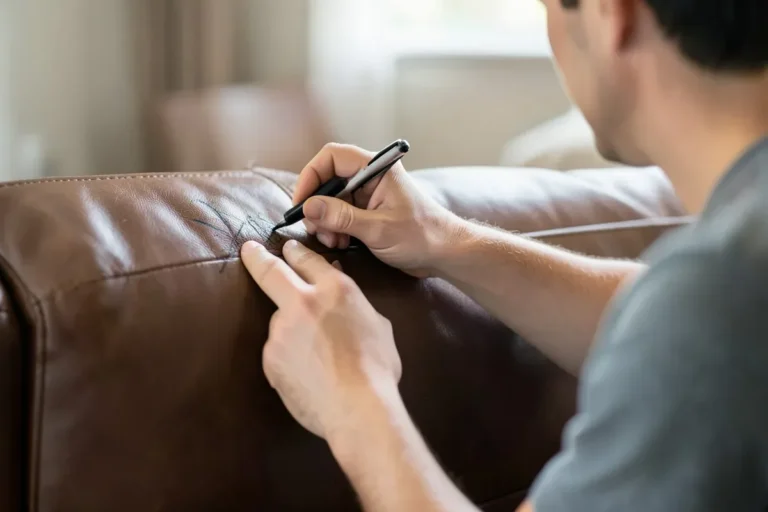
Leather sofas need a different approach. Harsh cleaners and too much moisture can crack or discolor the leather. Here’s how to keep yours in top shape.
Step 1: Dust And Vacuum
Use a soft, dry cloth or a vacuum with a brush attachment to remove dust and debris. Be gentle to avoid scratching the leather.
Step 2: Wipe With A Damp Cloth
Wipe the leather with a slightly damp (not wet) white cloth. For everyday cleaning, this is often enough.
Step 3: Spot Clean Stains
For fresh spills, blot immediately with a dry cloth. For sticky spots, use a mix of equal parts water and white vinegar, dampen a cloth, and wipe gently.
Step 4: Condition The Leather
Leather can dry out over time, leading to cracks. Use a leather conditioner every 6, 12 months. Apply a small amount with a soft cloth, let it soak in, then buff with a dry cloth.
Step 5: Avoid Direct Sunlight And Heat
Keep your leather sofa out of direct sunlight or near heat sources. Sun can fade the color and dry out the leather.
Pro Tip: Never use bleach, ammonia, or harsh chemicals on leather, these can destroy the finish.
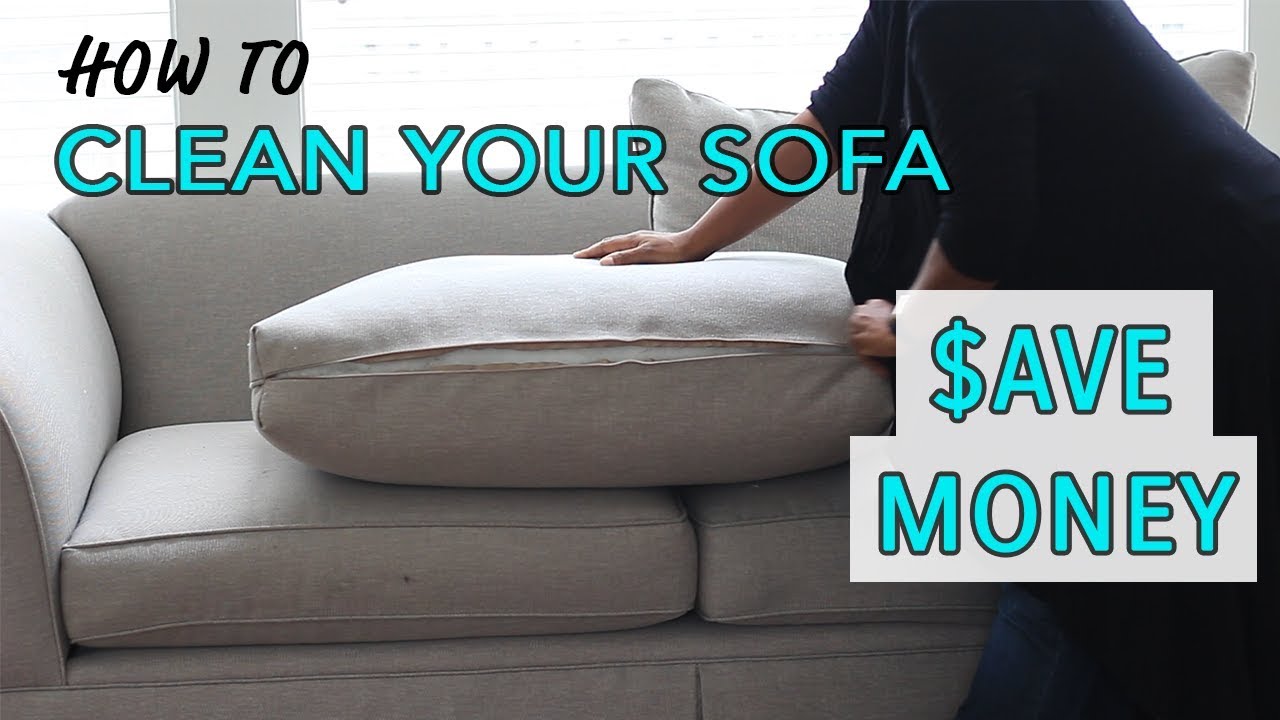
Credit: esmiraldadewaal.nl
How To Clean A Microfiber Sofa
Microfiber is known for being easy to clean, but it can attract water spots if not treated properly.
Step 1: Dry Brush And Vacuum
Use a dry, soft-bristled brush to loosen dirt, then vacuum thoroughly.
Step 2: Spot Clean With The Right Solution
Check your sofa’s tag. If it says “S,” use a little rubbing alcohol on a white cloth and blot the stain. For “W” or “WS,” a small amount of soapy water can work.
Step 3: Fluff The Fibers
After cleaning, the microfiber can look flat. Once dry, rub it gently with a clean, dry brush to restore the soft texture.
Example: I once tried using water on an “S” code microfiber chair. It left a visible ring. When I switched to rubbing alcohol, the stain disappeared with no water marks.
How To Clean Velvet And Other Delicate Sofas
Velvet and silk sofas need special care. Too much moisture or rough cleaning can ruin their look.
- Vacuum gently with a soft brush attachment.
- Use a small amount of dish soap in water and test on a hidden spot.
- Dab stains, never rub.
- For crushed velvet, steam gently from a distance to lift the pile.
Warning: If you’re unsure, it’s often safer to hire a professional for delicate fabrics.
How To Remove Odors From Your Sofa
Smells can be trapped deep in sofa cushions and fabric. Here’s how to freshen things up:
- Baking soda: Sprinkle over cushions and let sit, then vacuum.
- White vinegar spray: Mix equal parts water and vinegar in a spray bottle. Lightly mist the sofa (do not soak), then let air dry.
- Enzyme cleaner: Great for pet urine or other organic smells.
If smells persist, check under the cushions, sometimes spills seep through to the foam and need deeper treatment.
How To Remove Stubborn Stains
Some stains just won’t come out with regular cleaning. Try these solutions:
| Stain Type | Recommended Cleaner | Steps |
|---|---|---|
| Red wine | Club soda + salt | Blot, apply club soda, sprinkle salt, let sit, vacuum |
| Pet urine | Enzyme cleaner | Blot, apply enzyme cleaner, let dry, repeat if needed |
| Ink | Rubbing alcohol | Blot with alcohol-soaked cloth, repeat until gone |
| Grease | Baking soda | Sprinkle, let sit, vacuum, repeat as needed |
Warning: Always test any cleaner on a hidden area first to avoid discoloration.
Drying And Preventing Mold
Drying your sofa properly is just as important as cleaning it. Damp cushions can breed mold and mildew.
- Open windows or use a fan to speed up drying.
- Avoid sitting on the sofa until it’s fully dry.
- If your sofa got very wet, remove the cushions and let them air out separately.
- For persistent dampness, use a dehumidifier in the room.
If you notice a musty smell or visible mold, it’s best to call a professional. Mold spores can be harmful, especially for children or people with allergies.
Tips For Regular Maintenance
A clean sofa lasts longer and looks better. Here’s how to keep yours in great shape between deep cleanings:
- Vacuum weekly to remove dust and crumbs.
- Flip and rotate cushions every month so they wear evenly.
- Treat spills quickly, blot, don’t rub.
- Keep pets off the furniture if possible, or use washable covers.
- Avoid eating and drinking on the sofa to prevent stains.
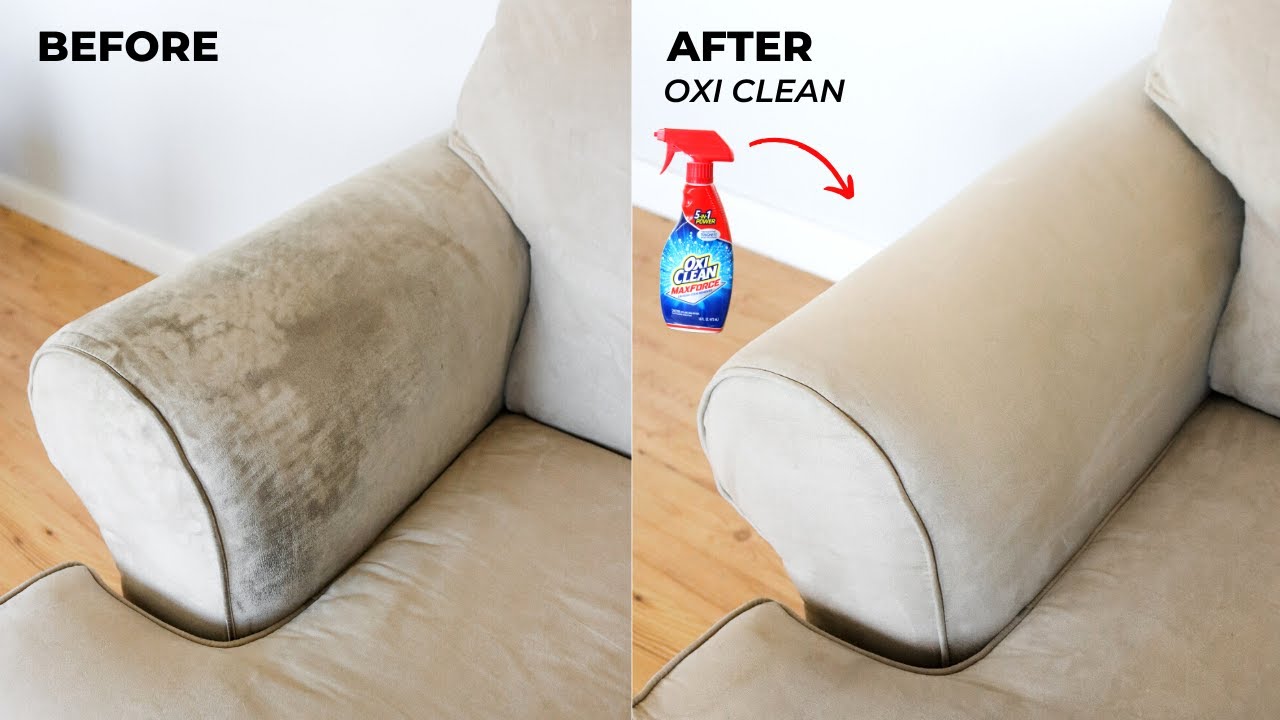
Over time, regular care reduces the need for harsh cleaning methods and keeps your sofa looking newer.
Credit: www.youtube.com
When To Call A Professional
Sometimes, DIY cleaning isn’t enough. Call a professional if:
- The fabric is marked with an “X” code.
- Stains won’t come out after several tries.
- You see mold, large water damage, or unpleasant odors that don’t go away.
- The sofa is made from silk, velvet, or other delicate materials.
Professional cleaners use special tools and solutions that are safer for your sofa and can handle tough problems without damage.
Comparing Cleaning Methods
It helps to understand how common sofa cleaning methods compare. Here’s a quick look at the pros and cons:
| Method | Best For | Pros | Cons |
|---|---|---|---|
| Vacuuming | All sofas | Quick, no chemicals | Doesn’t remove stains |
| Spot cleaning | Small stains | Targets problem areas | Can leave water marks if overdone |
| Steam cleaning | “W” or “WS” fabric | Deep clean, kills germs | Not for delicate fabrics |
| Professional cleaning | Delicate or stubborn cases | Safe, thorough | More expensive |

Credit: www.belladesign.es
Common Mistakes To Avoid
Even with the best intentions, it’s easy to make mistakes that can ruin your sofa. Here are some pitfalls to watch for:
- Using too much water: Over-wetting can cause stains, rings, or mold.
- Scrubbing stains: Rubbing can push stains deeper and damage fabric fibers.
- Ignoring cleaning codes: Always check the tag before using any cleaner.
- Skipping the test spot: A cleaner that works on one sofa might damage another.
- Not drying the sofa: Damp sofas attract mold and bacteria.
- Using colored cloths: Dyes can transfer and leave new stains.
Pro Tip: Take photos before cleaning, especially with tough stains. If something goes wrong, you’ll have a reference for professional help.
Eco-friendly Sofa Cleaning Options
Many people want to avoid harsh chemicals in their homes. Here are some safer, eco-friendly ways to clean your sofa:
- Baking soda: Natural deodorizer and gentle cleaner.
- White vinegar: Cuts through odors and some stains.
- Castile soap: Plant-based and safe for many fabrics.
- Reusable microfiber cloths: Reduce waste compared to paper towels.
These options are usually safe for most fabrics, but always test first.
How Often Should You Clean Your Sofa?
Most experts recommend vacuuming your sofa once a week and doing a deeper clean every 3, 6 months. If you have pets, small children, or allergies, you may want to clean more often. Spills and stains should be treated right away for the best chance of removal.
The Hidden Benefits Of Sofa Cleaning
Cleaning your sofa is about more than just looks. Regular cleaning can:
- Extend the life of your sofa, saving you money.
- Improve indoor air quality by removing dust and allergens.
- Prevent the spread of bacteria and viruses.
- Make your home more inviting for guests.
According to the American Lung Association, upholstery can trap dust, allergens, and even mold, which affects air quality. Regular cleaning is key for a healthier home. For more details, visit the Sponsored / affiliate links. As an Amazon Associate I earn from qualifying purchases. I may earn additional commission from eligible campaigns.Products related to this article