What Is the Best Material for Outdoor Furniture?
For most homeowners, powder-coated aluminum is the best all-around outdoor furniture material because it resists rust, stays light, and needs little upkeep. For harsher sun or rain, teak is the stronger wood choice, and untreated wood should be avoided. Pick wrong, and furniture warps, corrodes, fades fast, or demands more upkeep than it is worth. This guide maps materials to salt air, sun, rain, storage limits, and how much maintenance you will actually accept.
Best material by climate


Full sun and hot climates
In full sun, aluminum, teak, poly lumber, and recycled HDPE are the strongest fits because they handle UV exposure better than natural wicker and many untreated woods. For Arizona-style heat, choose materials that resist fading, cracking, and surface drying, then pair them with cushions in UV-stable outdoor fabric rather than expecting the frame and textile to do the same job.
Teak works well because its naturally high oil content helps it resist moisture and pests, and it weathers to a silvery-gray patina instead of failing fast. Aluminum is another smart choice because it does not rust and stays light enough to move when you need shade or storage.
Coastal salt air
Near the ocean, the safest picks are aluminum, teak, synthetic resin wicker, and recycled HDPE. Salt spray speeds up corrosion, so skip bare steel and any finish that depends on frequent touch-up. Aluminum is especially practical for coastal use because it does not rust, while teak resists decay and moisture without extra finishes.
Natural wicker is a poor fit for coastal exposure. Salt, humidity, and sun work together to break down the fibers faster than most homeowners expect.
Rainy, humid, and poolside settings
For rain, humidity, and pool decks, recycled HDPE, synthetic resin wicker, aluminum, and teak lead the list. Moisture is where material choice matters most, because mildew, rot, and swelling show up quickly when furniture stays damp or gets rinsed often. Synthetic wicker is preferred over natural wicker for weather resistance.
Poolside, recycled HDPE is a strong option because it is moisture resistant and supports sustainability goals. Plastic garden furniture is also durable, low-cost, and easy to clean, which matters when chlorine, sunscreen, and constant dampness are part of the setting.
Windy patios and exposed decks
On windy patios, weight and stability matter more than most style guides admit. Wrought iron is the classic heavy option because it stays put in gusts, while lighter aluminum pieces may need more careful placement or storage. If wind is a regular problem, do not choose furniture based on looks alone.
Wrought iron can rust without anti-rust treatment, so the tradeoff is stability versus upkeep. It suits traditional looks, but it usually needs winter storage or some form of protection in harsh weather.
Outdoor furniture materials comparison matrix
How to read the scores
The table below uses a simple 1-5 scale. For durability, 5 means the material holds up best outdoors. For maintenance, 5 means least upkeep. For comfort potential, 5 means the material can feel comfortable as a frame or surface; cushions still matter. For cost tier, 1 means lower cost and 5 means premium pricing.
| Material | Hot sun | Coastal salt air | Rainy or humid | Windy patios | Low-maintenance ownership | Durability | Maintenance | Comfort potential | Cost tier | Best for |
|---|---|---|---|---|---|---|---|---|---|---|
| Teak | 5 | 5 | 5 | 3 | 5 | 5 | 5 | 4 | 5 | Long-life frames in harsh sun, rain, or coastal air |
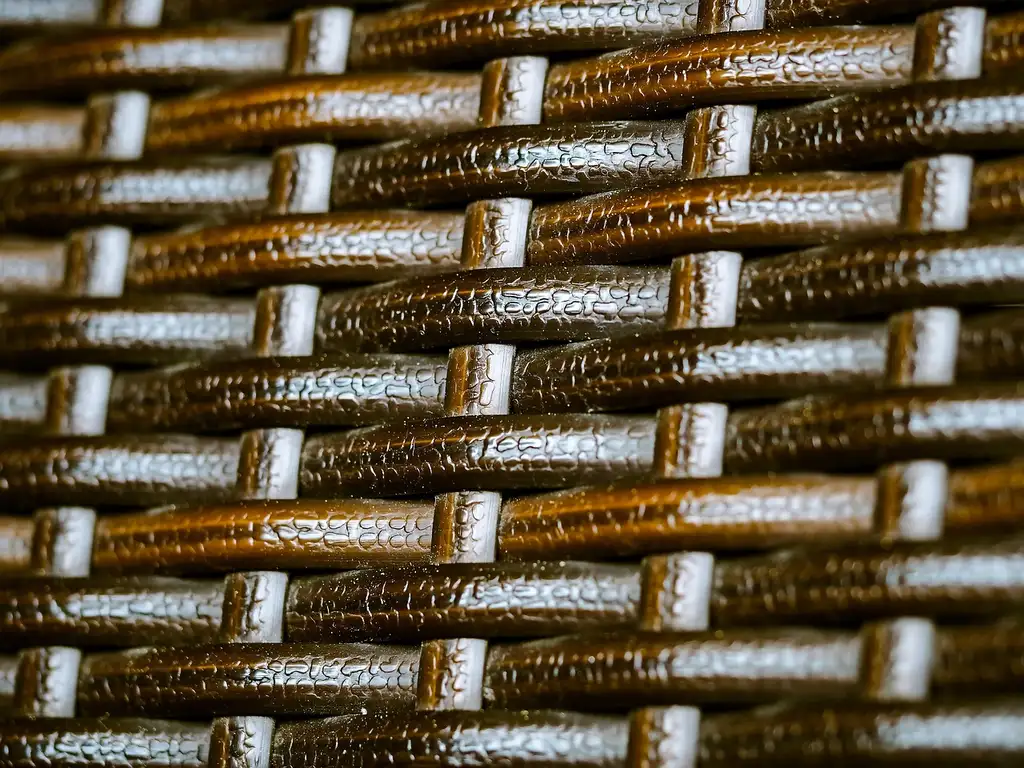
| Synthetic resin wicker | 4 | 4 | 5 | 3 | 4 | 4 | 4 | 5 | 3 | Easy-clean seating for covered or wet-prone spaces |
| Aluminum | 5 | 5 | 5 | 2 | 5 | 4 | 5 | 3 | 3 | All-weather frames, coastal patios, and easy moving |
| Cedar | 3 | 3 | 3 | 3 | 3 | 3 | 3 | 4 | 3 | Lighter wood look with moderate weather exposure |
| Poly lumber | 4 | 4 | 5 | 3 | 5 | 4 | 5 | 4 | 3 | Low-maintenance eco-friendly seating and tables |
| Acacia | 3 | 3 | 3 | 3 | 2 | 3 | 2 | 4 | 2 | Budget-conscious hardwood buyers who will oil it |
| Wrought iron | 4 | 3 | 3 | 5 | 2 | 4 | 2 | 3 | 3 | Windy patios and traditional styling |
| Natural wicker | 2 | 1 | 1 | 2 | 1 | 1 | 1 | 5 | 2 | Covered or partially covered porches only |
| Recycled HDPE | 4 | 4 | 5 | 4 | 5 | 4 | 5 | 4 | 3 | Poolside, wet areas, and low-upkeep ownership |
Durability, maintenance, comfort, and cost ratings
Teak ranks highest for durability and maintenance because it can last for generations without extra finishes or treatments, and teak furniture can last up to 50 years if properly maintained. Synthetic resin wicker scores well for wet exposure and everyday cleaning, but it is still a different category from teak in lifespan and price. Aluminum is the easiest all-weather frame material to live with, though it can feel less substantial in wind unless the design has enough weight.
Natural wicker lands near the bottom for exposed settings because moisture and UV radiation can cause rot, cracking, or splintering. That is why synthetic wicker is recommended instead of natural wicker for weather resistance. If you want wicker style outdoors, synthetic is the safer version.
Best for row by material
Use the table as a climate filter, then narrow by maintenance tolerance. If you want the longest service life with very little upkeep, teak or recycled HDPE are the strongest answers. If you want a lighter frame that handles coastal weather, aluminum is hard to beat. If you need weight for wind, wrought iron has a clear advantage.
Why teak is the premium benchmark
Natural oils and moisture resistance
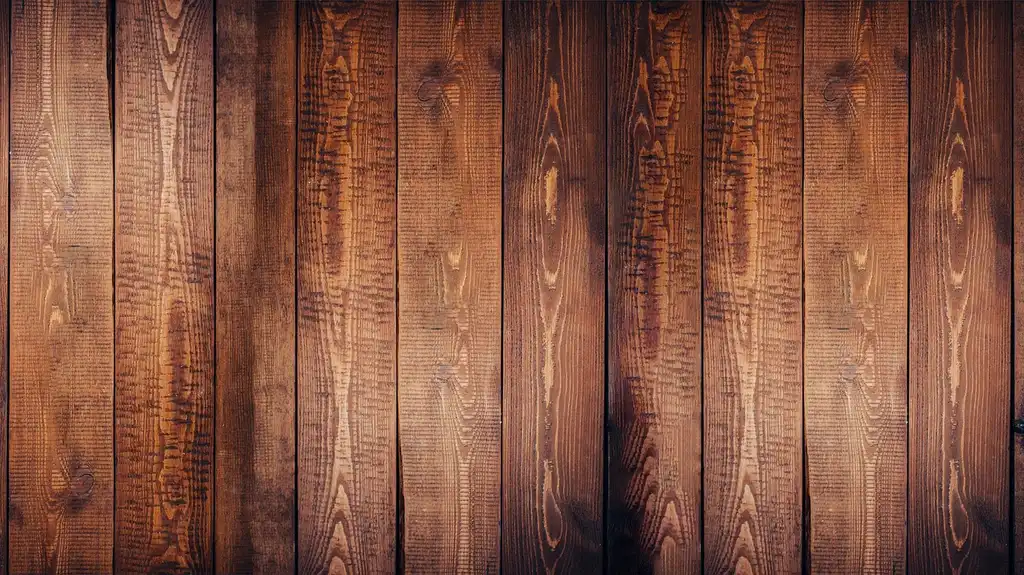
Teak sits at the top because it has naturally high oil and rubber content, which helps it resist rain and pests. It also has the highest decay resistance among natural woods. That makes it a strong fit for buyers who want a wood look without constant sealing or staining.
It can last for generations without extra finishes or treatments. The tradeoff is price. Teak usually costs more than cedar, acacia, or many mixed-material pieces.
Patina, price, and upkeep
Over time, teak can weather to a silvery-gray patina. Some buyers want that look; others prefer the golden tone and choose to oil it occasionally. Either approach is valid, but the point is the same: teak keeps performing even when you are not babying it.
Suppose you want a 6-seat dining set on an uncovered patio and you do not have storage for winter. Teak makes sense because it tolerates sun and rain better than most woods, and it does not need the same level of seasonal attention as lesser materials.
Where teak makes the most sense
Choose teak when you want a premium wood option for exposed patios, coastal air, or rainy climates and you plan to keep the furniture for years. It is not the lowest-cost option, but it is one of the most forgiving choices when weather is harsh and maintenance time is limited.
What is the best material for outdoor furniture in Florida?
In Florida, outdoor furniture is often chosen from materials like aluminum, teak, synthetic resin wicker, or recycled HDPE, depending on whether the main concern is salt air, sun, rain, or easy cleanup. Florida punishes weak finishes with UV fade, humidity, mildew, and storm-driven moisture, so low-maintenance materials outperform most natural woods.
Sun, humidity, and storm exposure
Florida combines strong sun with humidity and frequent wet weather, which means a material has to resist both fading and moisture damage. Teak, aluminum, synthetic wicker, and recycled HDPE are generally more weather-resistant than natural wicker or untreated wood. Cedar can work in some settings, but it is less durable than teak and may gray over time.
A common first-timer mistake is buying a light, stylish set for a screened porch and then moving it onto an open lanai. The moment it loses roof cover, the material has to face UV, rain, and salt spray at the same time.
Materials that cope best with salt air and wet weather
For Florida coastal homes, aluminum is especially practical because it does not rust. Teak is the premium wood choice because its oil content helps resist moisture and decay. Synthetic wicker is better than natural wicker for wet exposure, and recycled HDPE is a strong fit for poolside use because moisture is not its weak point.
Synthetic wicker, aluminum, and poly lumber
Why synthetic wicker beats natural wicker for wet exposure
Synthetic resin wicker is weather-resistant, easy to clean, and lightweight, which makes it a common choice for outdoor seating. It is also more affordable than teak in many cases. Most important, it is the better choice than natural wicker when rain, humidity, or splash exposure are part of the plan.
Natural wicker looks rustic and light, but it belongs in covered or partially covered areas because moisture and UV can cause rot, crack the fibers, or leave them splintery. If you want the look without the same failure rate, synthetic wicker is the safer path.
Why aluminum works for coastal and all-weather use
Aluminum is a practical frame material for chairs, sofas, and tables because it is lightweight and does not rust. It can also be powder coated, which gives you more finish options and a better chance at matching a house exterior or cushion color palette.
Aluminum is not the heaviest option, so windy decks need careful placement or added weight. Still, for most all-weather and coastal settings, it is one of the easiest materials to maintain.
Why poly lumber suits low-maintenance buyers
Poly lumber is a recycled-plastic category that holds up well outdoors and stays low maintenance. It is often chosen by buyers who want an eco-friendly option with less upkeep than wood. Recycled HDPE belongs in this group too, and it is especially useful where moisture is common.
If your priority is cleaning with a hose and moving on, poly lumber and recycled HDPE deserve a close look. They are not the lightest choices, but they are often the least demanding over time.
Wood options beyond teak
Cedar as a lighter natural choice
Cedar is a natural wood option that is lighter than some hardwoods and offers better weather resistance than many woods. It can be a good fit if you want a wood feel at a lower price point than teak and can accept that it is less durable. Cedar may gray over time, which is a normal aging path rather than a flaw.
Acacia as a lower-cost hardwood alternative
Acacia is a water-resistant hardwood and a lower-cost alternative to teak. It can last decades and is cheaper than teak, but it needs oiling if you want to keep its golden color. When possible, look for FSC certification so the wood choice also matches sustainability goals.
Acacia is a sensible buy when you can handle some seasonal care. It is not the best pick if you want near-zero upkeep or if the furniture will stay exposed through wet seasons without cover.
When wood needs more care than buyers expect
Wood brings warmth, but it also asks for more attention than aluminum or recycled plastic. Sun can dry it, rain can swell it, and trapped moisture can lead to mildew or decay. That is why storage space matters as much as style; if you cannot move pieces under cover, choose a material that tolerates exposure better.
What material lasts the longest and needs the least maintenance?
Teak is the longest-lasting natural-wood option, and recycled HDPE or aluminum are usually the lowest-maintenance picks for broad outdoor use. If you want the least upkeep, the winner often depends on whether you want a wood look, a metal frame, or a recycled-plastic surface. Heavy furniture helps in wind, but weight alone does not prevent UV fade or rust.
Longevity versus upkeep
Long life and low upkeep are related, but they are not the same thing. Teak can last for generations and can last up to 50 years if properly maintained, yet it costs more. Aluminum needs little care and does not rust, but it does not have the same natural-wood look. Recycled HDPE offers strong moisture resistance with very little maintenance.
For most buyers, the best answer is to match upkeep to storage. If you can cover or store furniture each season, acacia or cedar become more reasonable. If storage is limited, lean toward aluminum, teak, poly lumber, or recycled HDPE.
Where heavy materials help and where they do not
Heavy furniture helps on exposed, windy patios because it is less likely to shift. Wrought iron is the clearest example, and it has a traditional look many buyers want. But weight does not solve corrosion or rot. A heavy piece still needs the right finish and the right climate match.
What is the best material for outdoor furniture near salt water?
Near salt water, aluminum, teak, synthetic resin wicker, and recycled HDPE are the strongest candidates. Salt spray speeds up rust and finish failure, so choose materials that resist corrosion or moisture damage instead of relying on periodic touch-ups. If the setting is fully exposed, natural wicker is the wrong choice.
Best choices near the ocean
Aluminum is usually the first material to consider because it does not rust and works well for frames, chairs, sofas, and tables. Teak is the premium wood option because its high oil content helps it resist rain and pests, and it has the highest decay resistance among natural woods. Synthetic resin wicker is also a practical choice because it is recommended instead of natural wicker for weather resistance.
Best choices around pools and frequent rain
For wet areas, recycled HDPE is especially useful because it is moisture resistant and suits poolside settings. Poly lumber is another durable, low-maintenance option for buyers who want recycled materials and easy cleaning. Both are better fits than untreated wood when splash, damp towels, and constant moisture are normal.
- Identify the harshest exposure first: full sun, salt air, rain, or wind.
- Decide whether the frame will live outdoors year-round or under cover.
- Separate frame material from cushion fabric; they age differently.
- Choose the lowest maintenance level you will actually keep up with.
- Check storage space before buying wood or wicker for exposed areas.
- Match the material to the failure mode you want to avoid most: rust, rot, UV fade, or mildew.
Frequently asked questions
What is the best material for outdoor furniture?
For most homes, powder-coated aluminum is the best all-around choice because it does not rust, handles varied weather well, and needs little upkeep. If your setting is harsher, teak is stronger for long-term exposure. The right answer still depends on sun, rain, wind, storage, and maintenance tolerance.
What is the best material for patio furniture in a hot climate?
For hot, sunny climates, aluminum, teak, poly lumber, and recycled HDPE are the best fits. They tolerate UV exposure better than natural wicker and many untreated woods. If you also need comfort, add outdoor cushions with UV-stable fabric rather than choosing a softer frame material for the wrong reason.
What material is good for outdoor furniture in wet weather?
In wet weather, synthetic resin wicker, aluminum, teak, poly lumber, and recycled HDPE are the better choices. Natural wicker is not ideal because moisture can cause rot, cracking, and splintering. If the area stays damp, prioritize materials that dry quickly and do not absorb water.
Which outdoor furniture material lasts the longest?
Teak usually lasts the longest among natural woods, and it can last for generations without extra finishes or treatments. If you mean low-maintenance outdoor materials more broadly, recycled HDPE and aluminum are also durable choices. The longest-lasting option still depends on exposure and whether the piece is stored or left outside.
Which outdoor furniture material needs the least maintenance?
Aluminum and recycled HDPE are usually the lowest-maintenance choices. Aluminum does not rust, and recycled HDPE resists moisture and is easy to clean. Teak also needs relatively little care compared with many woods, but it is more expensive, so the best low-upkeep value depends on your budget and look preference.
What is the best fabric for outdoor furniture?
For cushions and covers, look for outdoor fabrics made for UV and moisture exposure, such as solution-dyed acrylic or similar weather-rated textiles. The frame material and the fabric are separate decisions. A great frame can still fail visually if the cushions fade, mildew, or hold water.
What is the best material for outdoor furniture covers?
For covers, choose a breathable, weather-rated material with a waterproof or water-resistant barrier that still lets trapped moisture escape. That helps reduce mildew and condensation. Avoid covers that trap water against wood, wicker, or metal, because stored moisture can cause more damage than brief rain exposure.
What is the best material for outdoor furniture in Arizona?
In Arizona, the best materials are aluminum, teak, poly lumber, and recycled HDPE because they stand up well to intense sun and low humidity. Natural wicker and many untreated woods dry out faster in that climate. If your patio is fully exposed, prioritize UV resistance above style alone.
Products related to this article
Sponsored / affiliate links. As an Amazon Associate I earn from qualifying purchases. I may earn additional commission from eligible campaigns.