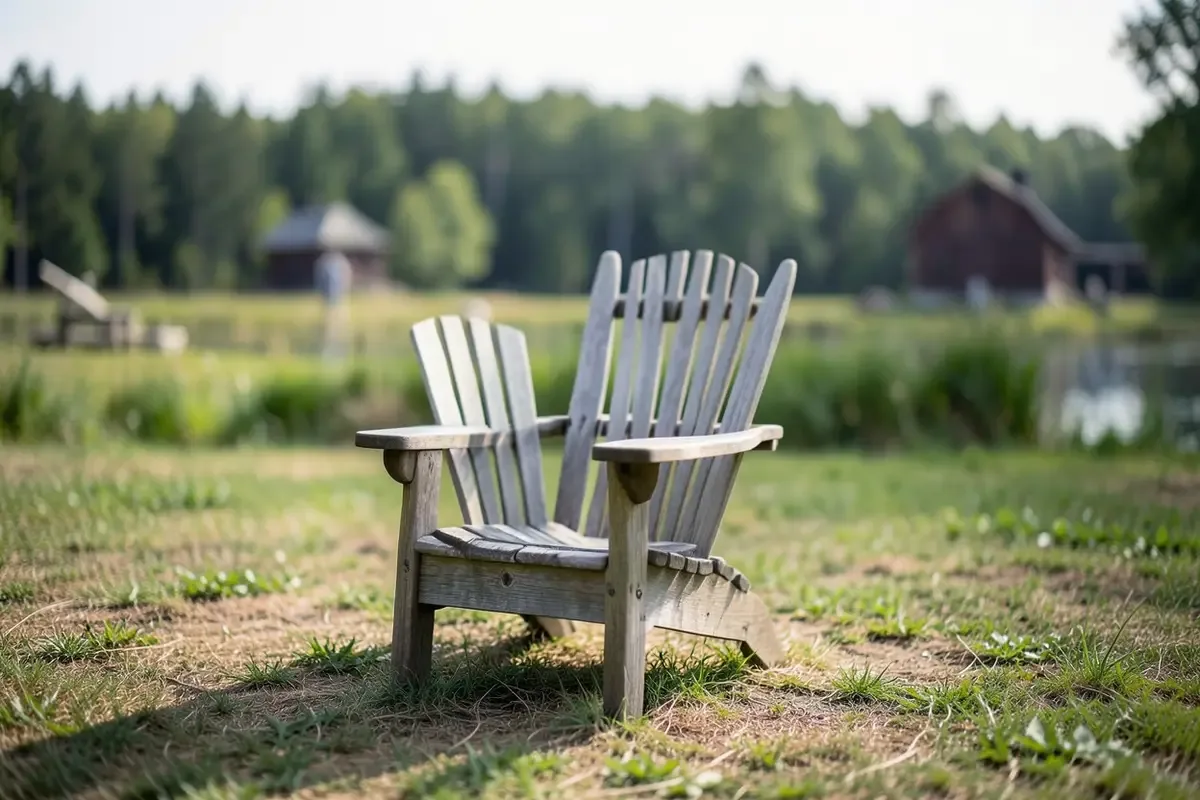
Muskoka Vs Adirondack Chair: Which Is Best for Your Patio?
If you’ve ever dreamed of relaxing outdoors in a sturdy, comfortable wooden chair, you’ve probably heard of the Muskoka and Adirondack chairs. These two iconic designs are favorites for patios, gardens, docks, and lakefronts across North America. But what actually separates a Muskoka chair from an Adirondack chair? Are the differences just about where they come from, or do they impact comfort, durability, and style? Choosing the right chair isn’t just about looks, it’s about how you want to enjoy your outdoor space. Let’s break down the history, design, pros, cons, and practical tips to help you pick the best seat for your backyard.
Origins And History
The story of the Adirondack chair begins in the early 1900s in the Adirondack Mountains of New York. Thomas Lee, searching for a comfortable outdoor chair for his summer home, built a prototype with wide armrests and a slanted seat. He shared the design with local carpenter Harry Bunnell, who patented it in 1905. The chair quickly became a hit for its practicality and rustic charm.
The Muskoka chair emerged in Ontario’s Muskoka region, known for its lakes and cottages. Many Canadians believe it’s a local invention, but the Muskoka chair is actually a Canadian adaptation of the Adirondack design. Over time, small tweaks, like a more gently sloped seat and curved back, gave it a unique identity. Today, the Muskoka chair is a symbol of cottage country, just as the Adirondack is for American lakesides.
While both chairs share a similar heritage, their local pride runs deep. In Canada, the Muskoka chair is seen as quintessentially Canadian, while Americans claim the Adirondack as their own. The debate over which came first is ongoing, but the core design, wide arms, sloped seat, and sturdy wood, remains at the heart of both.
Design Differences
At first glance, Muskoka and Adirondack chairs look almost the same. But subtle differences affect how they feel and function. Here’s a breakdown of key design elements:
| Feature | Adirondack Chair | Muskoka Chair |
|---|---|---|
| Backrest | Straight, sometimes slightly curved | More pronounced curve, ergonomic |
| Seat Angle | Steeper (more reclined) | Slightly less steep (easier to get up) |
| Seat Height | Often lower to the ground | Usually a bit higher |
| Armrests | Wide and flat | Wide, sometimes more rounded |
| Style | Rustic, traditional lines | Softer, modern curves |
Adirondack chairs are known for their deep seats and sharply angled backs. This makes them perfect for lounging but can be challenging for people with mobility issues. The Muskoka chair tends to be a bit more upright, making it easier to get in and out. Its backrest is often more curved for extra support.
Pro Tip: Try sitting in both styles before buying. Some people prefer the reclined feel of the Adirondack, while others find the Muskoka more supportive for longer sitting.

Credit: adirondackchairshq.com
Materials And Build Quality
Traditionally, both Muskoka and Adirondack chairs were made from pine, cedar, or teak. Today, you’ll also find versions in recycled plastic (polywood), aluminum, and even composite materials. Each material has its own pros and cons:
Wood
- Cedar: Lightweight, resists rot and insects, but needs annual sealing.
- Teak: Very durable, withstands weather, but is heavy and expensive.
- Pine: Affordable and easy to paint, but less durable unless treated.
Plastic/polywood
- Made from recycled plastic, these chairs are weatherproof and low-maintenance.
- They tend to be heavier than cheap plastic, won’t fade easily, and can last decades.
Aluminum/composite
- Lightweight and rust-resistant, but may not have the classic look some people want.
Here’s a quick comparison of common materials:
| Material | Durability | Maintenance | Price |
|---|---|---|---|
| Cedar | High | Moderate | Medium |
| Teak | Very High | Low | High |
| Pine | Medium | High | Low |
| Polywood | Very High | Low | Medium-High |
One detail beginners often miss: Screws and hardware matter. Stainless steel or zinc-coated screws resist rust and extend the life of your chair, especially in humid or lakeside environments.
Comfort And Ergonomics
Both Muskoka and Adirondack chairs are designed for relaxation, but comfort can depend on small design choices.
- The Adirondack chair’s deep recline is excellent for lounging, reading, or enjoying a view. However, because it sits low and leans back, some people, especially older adults, find it hard to get out of.
- The Muskoka chair usually has a higher seat and a curved back, offering better support for the lower back. This can make a difference if you spend long hours outdoors.
Seat width and armrest size also play a role. Wide armrests can double as a place to set a drink or a book. Some Muskoka models offer even wider arms than Adirondacks, making them more practical for entertaining.
Example: On a cottage weekend, the Muskoka chair is easier for extended conversation, while the Adirondack is ideal for leaning back and stargazing.
Pro Tip: Add a cushion or headrest for extra comfort, especially if you plan to nap or spend hours in your chair.
Durability In Different Climates
Outdoor furniture faces rain, sun, wind, and sometimes snow. How do Muskoka and Adirondack chairs hold up?
- Wood chairs: Need regular sealing or staining to prevent rot and cracks. Cedar and teak last much longer than pine.
- Plastic/polywood models: Resist fading, mold, and insects. They’re excellent for humid or rainy regions.
- Metal chairs: Can rust if not powder-coated, but aluminum is generally rust-proof.
In cold climates, freezing and thawing cycles can split wood if not properly finished. In very sunny climates, UV rays can fade both wood and plastic, but quality finishes or UV-resistant materials help.
A common mistake is leaving wooden chairs outside all winter without protection. Even durable woods like cedar will last longer if you use a cover or store them indoors.
Style And Aesthetics
Choosing between Muskoka and Adirondack isn’t just about function, it’s also about style.
- Adirondack chairs fit traditional, rustic, or lodge-style spaces. Their straight lines and simple slats give a classic look.
- Muskoka chairs often have more rounded backs and edges. This softer look blends well with modern or naturalistic gardens.
Both come in a wide range of colors and finishes. Painted versions can add a pop of color to your deck, while natural finishes highlight the wood’s grain. Some brands offer custom engraving or logo options, popular for gifts or cottage decor.
The Muskoka chair’s subtle curves tend to look more elegant, while the Adirondack’s bold angles make it a statement piece.

Credit: canadianhomeleisure.ca
Price And Value
Cost depends on material, craftsmanship, and brand. Here’s what you can generally expect:
- Pine Adirondack/Muskoka: $100, $200, but may need replacing sooner.
- Cedar or polywood versions: $200, $500, with better longevity.
- Teak or designer models: $500 and up.
Custom chairs or those made by local artisans can cost even more, but often come with a lifetime warranty.
Pro Tip: Don’t just shop on price. Think about the cost per year of use. Spending more upfront for quality materials and construction usually pays off over time.
Assembly And Maintenance
Most Muskoka and Adirondack chairs arrive as kits. Assembly usually takes 30, 60 minutes with basic tools. Polywood and metal versions tend to have fewer parts and pre-drilled holes, making them easier to put together.
For maintenance:
- Wood: Sand and seal or stain once a year.
- Plastic/polywood: Wash with soapy water as needed.
- Metal: Check for rust and touch up paint if needed.
A non-obvious tip: Tighten bolts and screws at the start of each season. Outdoor furniture can loosen up over time due to temperature changes and use.
Environmental Impact
Sustainability is important for many buyers. Here’s what to consider:
- Cedar and teak: Look for FSC-certified wood to ensure it’s harvested responsibly.
- Polywood: Often made from recycled milk jugs and plastic bottles.
- Local production: Buying from a local builder reduces shipping emissions and supports small businesses.
Some manufacturers even offer take-back programs to recycle old chairs.
If you care about your environmental footprint, ask sellers about their sourcing and manufacturing practices. For more on sustainable forestry, see the Forest Stewardship Council.
Common Mistakes When Buying
- Ignoring seat height and angle: If you have mobility issues, a lower, steeper chair may not be comfortable.
- Overlooking hardware quality: Cheap screws rust quickly outdoors.
- Forgetting about storage: Wood chairs left outside all year can warp or crack.
- Choosing style over comfort: Sit in a chair before buying if possible.
- Not checking return policies: Custom or made-to-order chairs are often final sale.
Muskoka Vs Adirondack: Side-by-side Summary
To help you decide, here’s a quick side-by-side summary:
| Aspect | Muskoka Chair | Adirondack Chair |
|---|---|---|
| Origin | Muskoka, Ontario, Canada | Adirondack Mountains, NY, USA |
| Seat Angle | Less steep, more upright | Steeper, more reclined |
| Backrest | Curved, ergonomic | Straight or slightly curved |
| Getting Up | Easier | Harder (lower seat) |
| Materials | Wood, plastic, composite | Wood, plastic, composite |
| Style | Softer, modern curves | Rustic, classic lines |
| Typical Price | $150, $600+ | $100, $600+ |
Which Chair Is Best For You?
Choosing between a Muskoka and Adirondack chair comes down to a few key factors:
- Your body type and mobility: If you want a chair that’s easy to get in and out of, the Muskoka’s higher seat is a better choice.
- Intended use: For deep relaxation and lounging, Adirondacks shine. For conversation or dining, Muskoka’s more upright position is ideal.
- Style preference: Both look great, but the Muskoka’s curves may suit modern spaces, while Adirondacks fit rustic or traditional decors.
- Budget and maintenance: Think about how much time and money you’re willing to invest in care and replacement.
A common insight beginners miss: The best chair is the one you actually use. Don’t let trends or labels sway you, comfort and practicality matter most.
Frequently Asked Questions
What Is The Main Difference Between A Muskoka And An Adirondack Chair?
The main difference lies in the seat angle and backrest shape. Muskoka chairs have a more upright seat and a curved, ergonomic back, making them easier to get in and out of. Adirondack chairs are more reclined, with a straighter or slightly curved back, which is better for lounging.
Can I Leave These Chairs Outside All Year?
It depends on the material. Plastic and polywood chairs can stay outside year-round with minimal damage. Wooden chairs should be covered or stored indoors during winter to prevent cracking and warping. Using protective covers adds years to their lifespan.
Are There Folding Versions Of Muskoka And Adirondack Chairs?
Yes, many brands offer folding models of both types. These are great for seasonal storage or taking to the beach. Just make sure the folding mechanism is sturdy and the hardware is rust-resistant.
How Do I Clean And Care For My Outdoor Chair?
For wood, use mild soap and water, then reseal or stain annually. For plastic or polywood, a soft brush and soapy water are usually enough. Avoid harsh chemicals, which can damage finishes or make plastic brittle over time.
Is It Possible To Build A Muskoka Or Adirondack Chair Myself?
Absolutely! There are free and paid plans available online for both styles. Building your own chair lets you customize dimensions and materials. Make sure to use outdoor-grade wood and rust-resistant hardware for best results.
Choosing between a Muskoka and Adirondack chair isn’t just about where you’re from, it’s about how you want to enjoy your outdoor space. Both offer timeless comfort and style, but their subtle differences can make a big impact on your relaxation.
Try both if you
Products related to this article
Sponsored / affiliate links. As an Amazon Associate I earn from qualifying purchases. I may earn additional commission from eligible campaigns.