How to Repair a Lawn Chair: Easy Steps for Quick Fixes
A torn seat, a wobbly frame, faded fabric, these are common problems that can make your favorite lawn chair look ready for the trash. But most lawn chairs are built to last if you give them a little attention. Repairing a lawn chair is not just about saving money, it’s about keeping what works, learning a useful skill, and maybe even enjoying the process.
Many people throw away chairs for small issues that are easy to fix at home. With the right tools, some patience, and clear steps, you can restore almost any lawn chair and keep it comfortable for years to come.
Understanding Your Lawn Chair: Types And Common Problems
Before you start, you need to know what kind of chair you have. Lawn chairs come in different designs and materials, and each type has its own weak points.
Types Of Lawn Chairs
The most popular lawn chair types include:
- Aluminum frame with webbing: Lightweight, often with plastic or nylon straps.
- Steel frame with fabric: Heavier, usually with a cloth or mesh seat.
- Plastic molded chairs: One-piece design, fully plastic.
- Wooden outdoor chairs: Like Adirondack chairs, made from slats.
Each type needs a different approach when it comes to repair.
Common Problems And Their Causes
- Broken or frayed webbing: Sun, rain, and body weight wear down plastic or nylon straps.
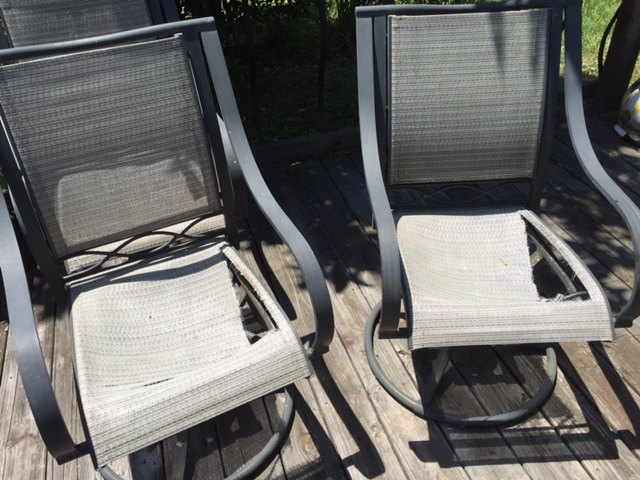
- Ripped fabric: UV rays and moisture can weaken cloth seats, making them tear.
- Rusty or bent frames: Metal parts corrode or bend from heavy use or weather.
- Loose screws or bolts: Vibration and movement loosen hardware over time.
- Cracked plastic: Plastic can split if it’s brittle or overloaded.
- Splintered wood: Wood can rot, crack, or splinter without care.
Understanding the problem helps you plan the right repair and gather the correct tools.
Preparing For Repair: Tools, Parts, And Safety
Jumping into a repair without preparation can lead to mistakes or even injuries. Gather everything you need first and set up a safe workspace.
Essential Tools And Materials
Depending on the repair, you might need:
- Screwdrivers and pliers: For removing or tightening hardware.
- Replacement webbing or fabric: Match the width and color for best results.
- Scissors and measuring tape: For cutting new material to size.
- Rivets or new screws/bolts: If hardware is missing or rusted.
- Sandpaper and paint/primer: For rusty metal or old wooden chairs.
- Epoxy or strong glue: For small cracks in plastic or wood.
- Protective gloves and eyewear: To avoid cuts and eye injuries.
Pro Tip: Always check the size and material of your webbing or fabric before buying replacements. Not all chairs use the same size!
Setting Up Your Workspace
Pick a flat, dry area with good light. Lay out a tarp or old sheet to catch debris. Keep tools within reach and check that you have enough space to flip or turn your chair as you work. If you need to use sprays or paint, work outdoors or in a well-ventilated area.

Credit: www.youtube.com
Fixing Broken Webbing: Step-by-step
One of the most common lawn chair repairs is replacing worn-out webbing. It’s a job that looks harder than it is, but a careful approach makes the difference.
Removing Old Webbing
- Lay the chair flat. Use a screwdriver to remove the screws or pry out the rivets holding the webbing in place.
- Pull off the old webbing. If it’s stuck, cut it with scissors and remove all bits.
- Clean the frame where the webbing was attached.
Measuring And Cutting New Webbing
Measure the old strips or the frame distance to cut new pieces. Add a couple of extra inches to each strip so you can fold and secure them.
Attaching New Webbing
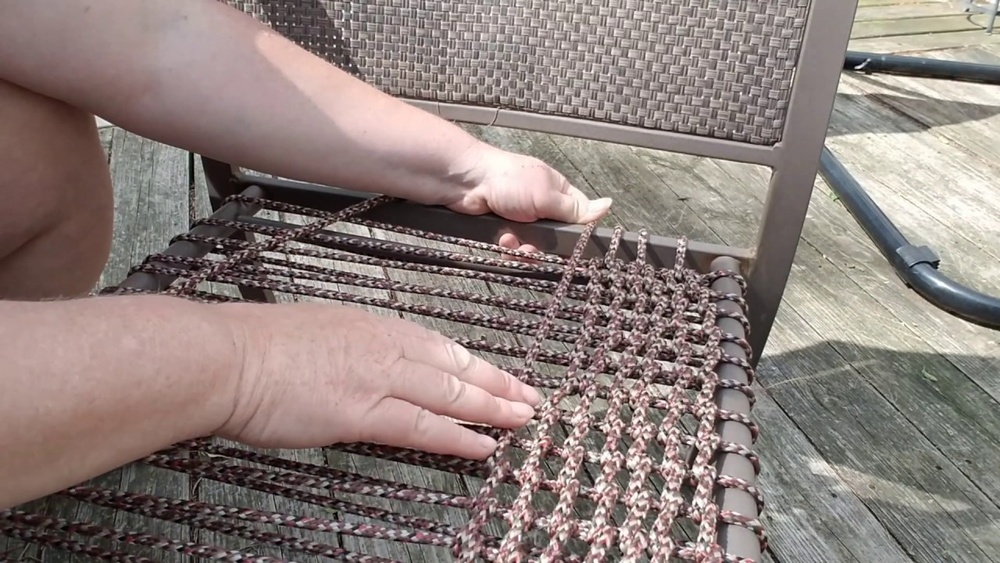
- Start with the seat or back. Attach one end of the first strip with a screw or rivet.
- Pull the strip tight across the frame and secure the other end.
- Repeat, weaving the strips over and under for strength.
- Trim any extra material and tighten all screws.
Final Checks
Sit gently on the chair to test the new webbing. Adjust any loose strips. If you hear creaking or see sagging, tighten the attachments.
Example: When I repaired my own aluminum lawn chair, I found using a staple gun helped keep the webbing in place while I screwed it down, making the job much easier.
Repairing Torn Or Worn Fabric Seats
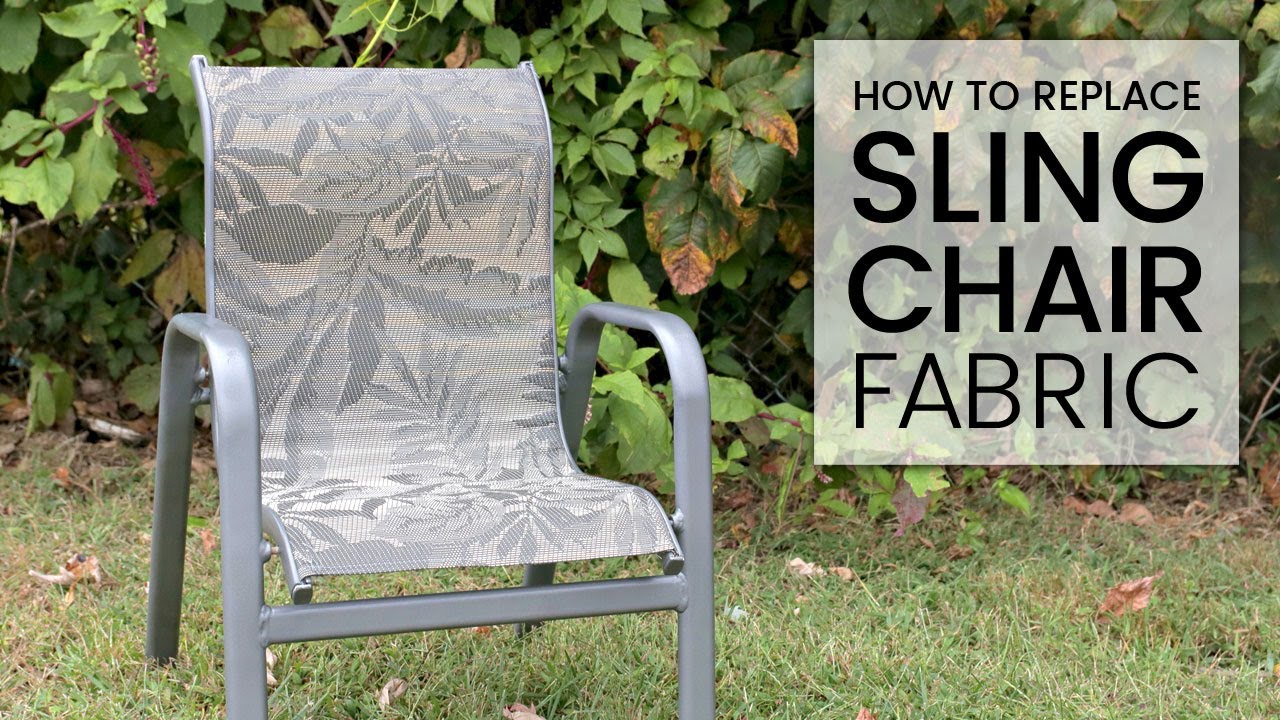
Fabric seats are comfortable but often wear out from the sun and rain. Luckily, you can replace the fabric or patch small holes.
Replacing The Entire Fabric
- Remove the seat by unscrewing or unclipping it from the frame.
- Lay the old fabric on your replacement material. Mark the shape, leaving an extra inch around the edges.
- Cut the new fabric and fold the edges under for a neat look.
- Use a staple gun or sewing machine to secure the edges, if needed.
- Attach the new seat to the frame, making sure it’s tight and wrinkle-free.
Patching Small Tears
For small holes:
- Cut a patch from matching outdoor fabric.
- Place fabric glue around the hole and press the patch over it.
- Let it dry according to the glue instructions.
Pro Tip: Use outdoor-rated fabric and thread. Regular materials fade and rot quickly outside.
Credit: www.youtube.com
Fixing Metal Frames: Rust, Bends, And Breaks
Metal frames are strong but not invincible. Rust and bends are the biggest problems.
Removing Rust
- Scrub the rusty spots with sandpaper or a wire brush until the metal is clean.
- Wipe the area clean and dry.
- Apply a rust-inhibiting primer, then spray or brush on matching paint.
- Allow to dry fully before using.
Straightening A Bent Frame
- Use two hands to gently push the bent part back into place.
- For thick metal, use a rubber mallet or a pipe for leverage.
- If the frame is cracked, use epoxy or ask a local welder for help.
Replacing Or Repairing Hardware
If screws or bolts are missing or rusted:
- Remove the old hardware with a screwdriver or pliers.
- Buy stainless steel replacements to avoid future rust.
- Tighten all parts securely.
Data Comparison: Metal Frame Repair Options
Here’s a quick look at repair approaches for metal frames:
| Problem | DIY Fix | Professional Help Needed? |
|---|---|---|
| Rust | Sand, prime, repaint | No |
| Bent Frame | Bend back, use mallet | Only if cracked |
| Broken Weld | Epoxy (small) | Yes, for welding |
| Missing Screws | Replace with new | No |
Restoring Plastic Lawn Chairs
Plastic chairs are cheap and weather-resistant, but they can crack or fade with time.
Repairing Cracks
- Clean the area with soap and water.
- Dry thoroughly.
- For small cracks, use outdoor-rated epoxy or plastic glue. Press the crack together and hold until set.
- For larger breaks, use a plastic repair kit or reinforce with a metal strip glued on the inside.
Preventing Future Damage
- Store plastic chairs out of direct sun when not in use.
- Avoid stacking them too high, which can cause stress cracks.
Pro Tip: Never use superglue on outdoor plastic chairs, it often fails in heat and rain.
Repairing Wooden Lawn Chairs
Wooden chairs look great but need care to avoid splinters, cracks, and rot.
Repairing Splinters And Cracks
- Sand rough areas until smooth.
- Fill cracks with wood filler or outdoor-rated epoxy.
- Let dry, then sand again for a flat surface.
- Paint or seal the wood to protect from moisture.
Fixing Loose Joints
- Tighten screws and bolts.
- For wobbly parts, add wood glue and clamp overnight.
Preventing Rot
Keep wood chairs off wet ground and re-seal or repaint every year.
Example: Adirondack Chair Repair Process
When fixing my own Adirondack chair, I found that using a waterproof wood glue and a clamp made the joints even stronger than before.
Upgrading And Improving Your Lawn Chair
Sometimes, a simple repair can be a chance to upgrade your chair. Consider these ideas:
- Add new padding: Use foam and outdoor fabric to make seats softer.
- Change the color: Spray-paint metal or plastic frames for a fresh look.
- Install cup holders or side tables: Some kits are available online.
- Use UV-resistant fabric or webbing: These last much longer in the sun.
These upgrades not only fix your chair, but also make it better than new.
When To Replace Instead Of Repair
Not every chair is worth fixing. Sometimes, replacement is the smarter choice.
Signs You Should Replace
- The frame is badly rusted or cracked through in several places.
- Plastic is brittle and breaks easily in new spots.
- Wood is rotten through, not just on the surface.
- Replacement parts cost more than a new chair.
Cost Comparison: Repair Vs. Replace
Here’s a simple breakdown to help you decide:
| Condition | Repair Cost | Replace Cost (Typical) | Recommended Action |
|---|---|---|---|
| Minor webbing/fabric damage | $5, $25 | $30, $80 | Repair |
| Rusty but solid frame | $10, $20 | $50, $100 | Repair |
| Cracked or broken frame | $20, $50 | $40, $120 | Replace |
| Severe wood rot | $40, $100 | $60, $200 | Replace |
Pro Tip: If you love the design or the chair has sentimental value, a repair is often worth the effort, even if it takes more time.
Maintenance Tips To Extend Life After Repair
Once you’ve repaired your chair, a few simple habits can keep it in good shape for much longer.
- Store chairs in a dry place when not in use.
- Clean off dirt and pollen regularly.
- Tighten screws and bolts every few months.
- Use protective sprays for fabric, metal, or wood.
- Check for small problems often, catching them early is much easier.
Many people forget that outdoor furniture needs care just like anything else. A few minutes each season can prevent most big repairs.
Credit: kwbuilding.com.au
Frequently Asked Questions
What Is The Best Type Of Webbing For Outdoor Lawn Chairs?
The best webbing for outdoor use is vinyl or polyester. These materials resist UV light, moisture, and stretching better than cotton or basic nylon. Look for webbing labeled “UV-resistant” or “outdoor-rated” for longer life. Brands like Phifertex and Textilene are popular choices.
Can I Use Regular Indoor Fabric For A Lawn Chair Seat?
No, indoor fabric is not suitable for outdoor chairs. It fades quickly in sunlight and absorbs water, which leads to mildew and rot. Always choose fabric specifically made for outdoor use, such as solution-dyed acrylic or polyester, for the best results.
How Do I Know If My Chair Is Safe To Use After A Repair?
After any repair, test the chair by pressing down gently on the seat and back while it’s on a flat surface. Listen for creaks or see if any parts bend. If everything feels solid and there’s no movement, it’s usually safe.
For extra peace of mind, check that all fasteners are tight and that no sharp edges are exposed.
What Is The Average Lifespan Of A Repaired Lawn Chair?
A well-repaired lawn chair can last 3, 7 years or more, depending on the quality of materials and regular maintenance. Chairs kept out of harsh weather and cleaned often tend to last the longest. Regular checks for loose parts and quick fixes help extend this lifespan.
Where Can I Find Parts Or Materials For Lawn Chair Repair?
Most hardware stores carry basic supplies like webbing, fabric, screws, and paint. For specialty parts, online retailers such as The Home Depot offer a wide selection. Always check product details to match the size and material to your chair.
Repairing a lawn chair is a rewarding project, whether you do it for cost savings, sustainability, or the joy of DIY work. With some effort and the right approach, most chairs can be brought back to life and enjoyed for many more summers.
Products related to this article
Sponsored / affiliate links. As an Amazon Associate I earn from qualifying purchases. I may earn additional commission from eligible campaigns.