How to Clean Cloth Chair Seat: Easy Steps for Spotless Results
Keeping a cloth chair seat clean not only makes your furniture look better but also helps it last longer. Whether it’s a dining chair, office chair, or a living room favorite, fabric seats easily collect dust, stains, and smells. But cleaning them can feel confusing, especially when you worry about damaging the fabric or leaving water marks.
With the right approach, though, you can refresh your chair seats at home, save money, and extend their life. This guide explains every step, from daily dusting to deep cleaning tough stains, so you get clear answers and practical tips you can use right away.
Why Cleaning Cloth Chair Seats Matters
Fabric seats are comfortable and stylish, but they’re magnets for dirt. Everyday use brings crumbs, sweat, pet hair, and even spilled drinks. Over time, these not only make the seat look dirty but can also attract bacteria and odors. For people with allergies, dust and pollen trapped in the fabric can be a real problem.
Regular cleaning keeps your home healthier and furniture looking its best.
Many don’t realize that dirt and grit in the fibers also wear out the cloth faster, making seats look old before their time. If you clean your seats well, you’ll save money in the long run by avoiding early replacement or expensive professional cleaning.
Understanding Chair Fabric Types
Before you start cleaning, it’s important to know what kind of fabric your chair uses. Not all materials react the same way to water, soap, or cleaners. Look for a cleaning code tag under your seat cushion or on the chair frame.
Here’s a quick comparison of common fabric types:
| Fabric Type | Usual Cleaning Code | Sensitivity |
|---|---|---|
| Cotton/Polyester Blend | W/S | Can handle water-based cleaners |
| Microfiber | W | Easy to clean, but avoid harsh chemicals |
| Linen | S | Needs solvent-based cleaner, water can stain |
| Velvet | S | Very sensitive, avoid water |
| Wool | S | Delicate, use dry cleaning methods |
| Leather (not cloth) | X | Special products only |
Pro Tip: If the tag is missing, test any cleaning solution on a hidden spot first to check for color changes or damage.

Credit: soinspalliatifspaca.com
Gathering Supplies For Cleaning
You don’t need fancy tools to clean a cloth chair seat well. Most supplies are already at home or easy to buy. Here’s a basic list:
- Vacuum cleaner with a brush or upholstery attachment
- Soft-bristled brush (like a toothbrush)
- Clean white cloths or microfiber towels
- Spray bottle (for water or cleaner)
- Mild dish soap or gentle upholstery cleaner
- Distilled water (safer than tap, which can leave marks)
- White vinegar (for odors)
- Baking soda (for stubborn smells)
- Rubbing alcohol (for ink or sticky stains)
- Rubber gloves (optional but helpful for sensitive skin)
Having these ready means you won’t have to pause mid-way, and you’ll avoid using the wrong product in a hurry.
Regular Maintenance: The Key To Easy Cleaning
Good maintenance means less effort when deep cleaning. Dust, dirt, and crumbs are easier to remove before they settle into the fabric.
- Vacuum weekly: Use the brush attachment to gently lift dust and hair from the seat. Move in slow, overlapping strokes. Don’t forget seams and crevices.
- Spot clean spills right away: Blot, not rub, any fresh spill with a dry, clean cloth. This prevents the liquid from soaking deeper.
- Rotate cushions: If your chair has removable seat cushions, flip them every few weeks to wear evenly.
Pro Tip: Sprinkle a small amount of baking soda on the seat before vacuuming to help absorb smells, especially in homes with pets.
How To Spot Clean Cloth Chair Seats
Most stains are easier to remove if you act fast. Here’s a step-by-step approach to spot cleaning:
Step 1: Blot The Stain
Use a dry, white cloth to blot as much of the spill or stain as possible. Press gently, rubbing can push the stain deeper.
Step 2: Apply A Mild Cleaner
Mix a few drops of mild dish soap with a cup of distilled water. Dip another clean cloth into the solution and wring it out well. Dab the stained area. For oil-based stains, use a little rubbing alcohol on a cotton ball.
Step 3: Rinse And Dry
Use a new cloth dampened with plain distilled water to dab and remove any soap left behind. Then, press a dry towel on the spot to soak up extra moisture.
Step 4: Air Dry
Let the seat air dry completely before using. Avoid using a hair dryer or heat, which can set stains or shrink fabric.
Warning: Never soak the fabric or use colored towels, which may bleed dye.
Deep Cleaning The Entire Seat
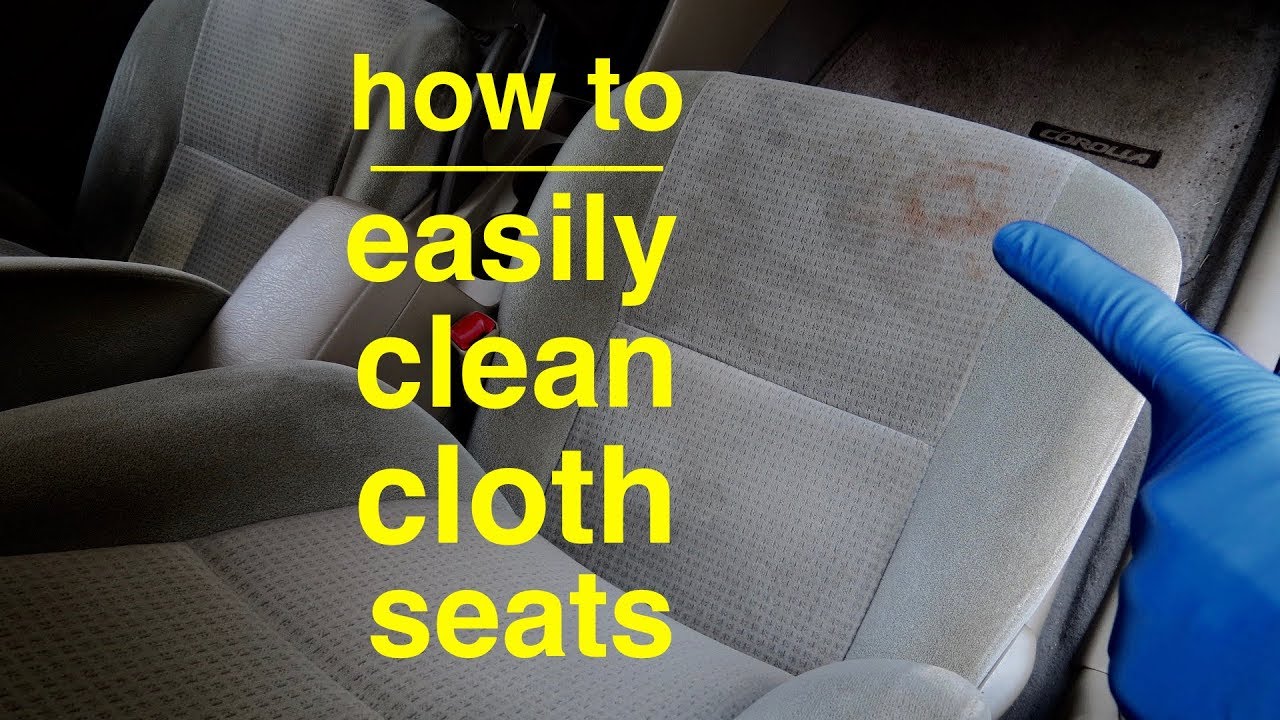
Over time, even with spot cleaning, fabric seats need a deeper clean. Here’s how to do it safely without professional tools:
Step 1: Remove Surface Dirt
First, vacuum the whole chair seat to remove loose debris. Pay extra attention to seams and folds where dirt hides.
Step 2: Pre-treat Stains
Check for any visible stains and treat them as described above before cleaning the whole area.
Step 3: Prepare Cleaning Solution
For most cloth seats, a gentle solution works best. Mix:
- 1 cup distilled water
- 2 teaspoons mild dish soap
- (Optional) 1 tablespoon white vinegar for extra odor removal
Pour into a spray bottle and shake gently.
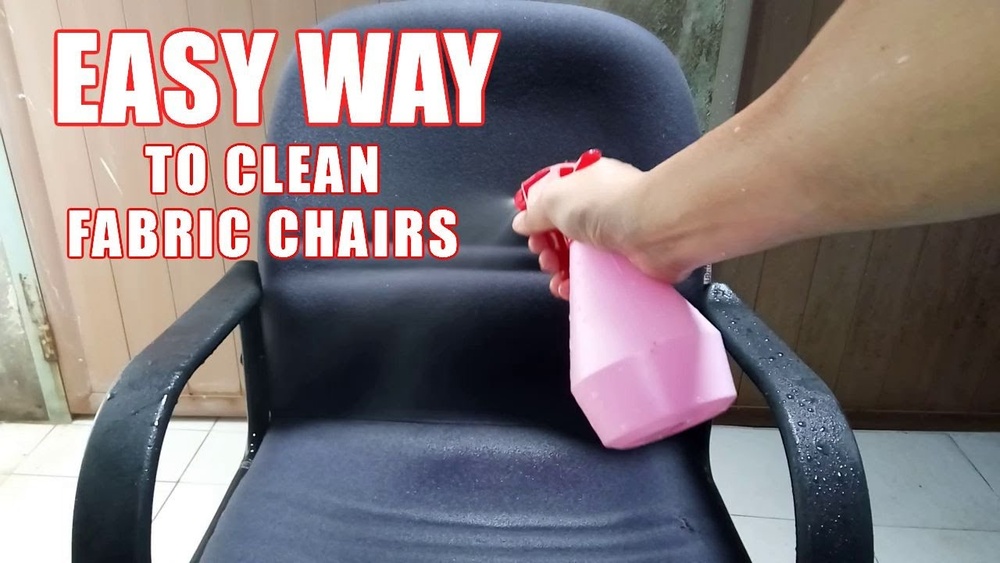
Step 4: Lightly Clean The Seat
Spray a small amount of the solution onto a clean microfiber cloth (not directly onto the chair). Wipe the fabric in small sections, moving with the grain or weave.
For tough spots, gently scrub with a soft-bristled brush.
Step 5: Rinse
Dampen another cloth with plain distilled water and wipe the seat to remove any leftover cleaner.
Step 6: Dry
Press a dry towel onto the seat to remove as much moisture as possible. Allow the chair to air dry in a well-ventilated room. Open windows or use a fan to speed up drying.
Step 7: Fluff The Fabric
Once dry, gently brush the seat with a soft brush to raise flattened fibers.
Credit: www.youtube.com
Removing Odors From Cloth Chair Seats
Sometimes the chair smells even when it looks clean. This is common in homes with pets, smokers, or spilled food.
Baking Soda Method
- Sprinkle a thin, even layer of baking soda over the entire seat.
- Let it sit for at least 20 minutes (overnight for strong odors).
- Vacuum thoroughly to remove all powder.
Vinegar Spray
Mix equal parts distilled water and white vinegar in a spray bottle. Lightly mist the chair seat and allow it to air dry. The vinegar smell fades as it dries, taking other odors with it.
Example: When I tested this on an old office chair, the musty smell disappeared after just one treatment.
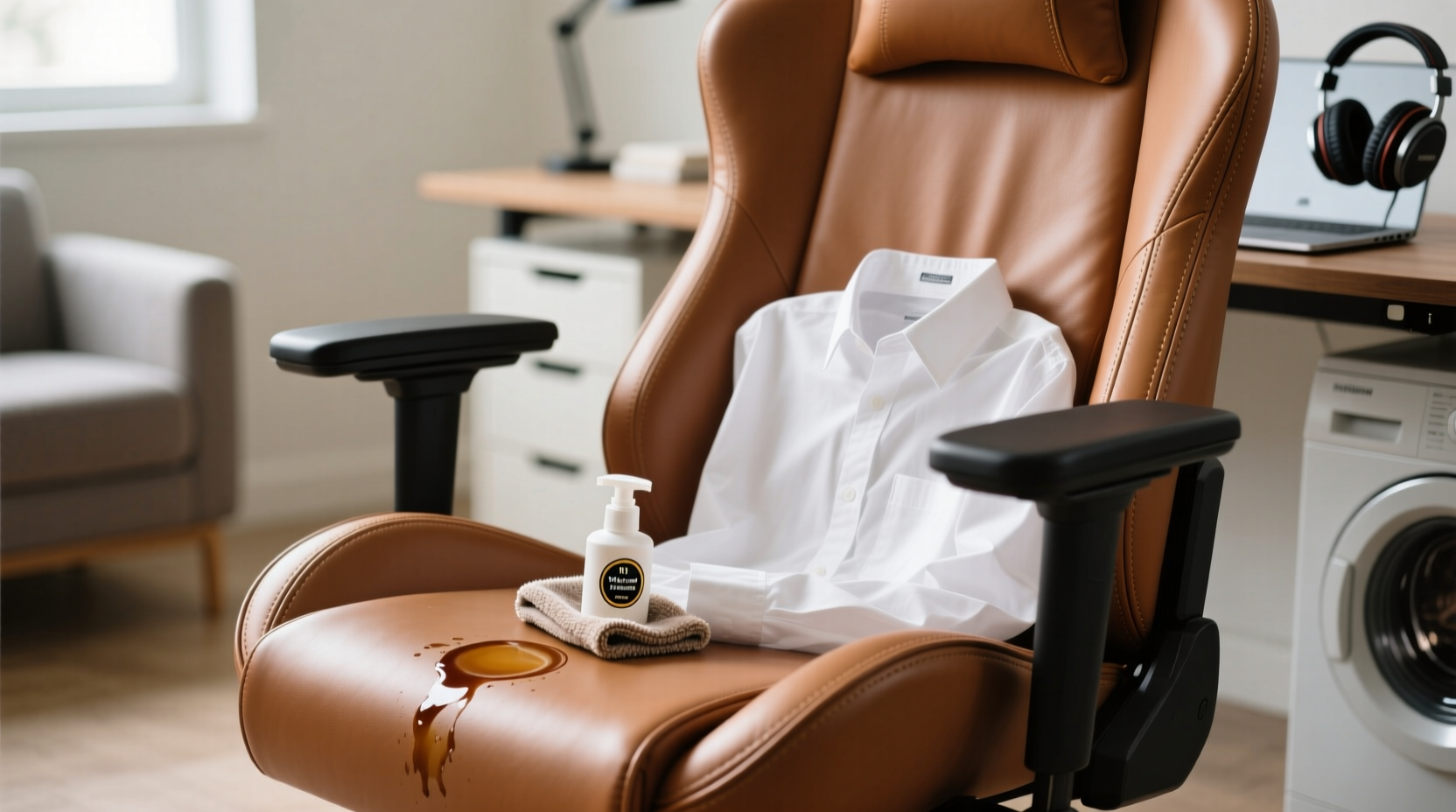
Stubborn Stains: Special Techniques
Everyday cleaning works for most messes, but some stains require extra effort.
| Stain Type | Best Cleaner | Special Steps |
|---|---|---|
| Coffee/Tea | Mild soap + water | Blot, apply solution, rinse, air dry |
| Wine | Club soda | Blot, dab with club soda, then soap if needed |
| Ink | Rubbing alcohol | Dab with alcohol-soaked cotton, blot dry |
| Grease | Dry baking soda | Cover, let sit 20 min, vacuum, spot clean |
| Pet urine | Enzyme cleaner | Follow label directions, air dry well |
Warning: Never mix cleaning chemicals (like bleach and ammonia), as this can create dangerous fumes.
Credit: lifetips.alibaba.com
Dealing With Mold And Mildew
If a chair was stored in a damp place, you might see black or gray spots. Mold can be harmful, so act quickly.
- Wear gloves and a mask to protect yourself from spores.
- Take the chair outside if possible.
- Mix 1 part white vinegar with 1 part distilled water in a spray bottle.
- Spray the affected area lightly and let it sit for 10 minutes.
- Scrub gently with a soft brush, then blot with a clean cloth.
- Let the chair dry in the sun, which helps kill mold.
If the problem is severe, professional cleaning or disposal may be safer.
How To Dry A Cleaned Chair Seat Properly
One common mistake is using the chair before it’s fully dry. Sitting on damp fabric can cause new stains, smells, or even mold.
- Open windows or use a fan for airflow.
- Do not use direct heat like a hair dryer, which can shrink or damage the fabric.
- If drying outside, keep the chair out of direct sunlight to avoid fading.
For thick or cushioned seats, drying can take several hours. Always check that the seat feels dry to the touch before using.
Safe Cleaning Methods For Delicate Or Vintage Fabric
Some cloth chairs use vintage or delicate materials like silk, wool, or old linen. Water and regular cleaners can cause damage or discoloration.
- Dry brush only: Gently use a soft-bristled brush to remove dust.
- Spot test cleaners: Try any product on a hidden area first.
- Use solvent-based cleaners: For “S” code fabrics, choose a gentle, fabric-specific solvent and follow directions closely.
- Consult a professional: If in doubt, or for high-value antiques, contact an expert before cleaning.
Warning: Never use water on vintage velvet, as it can leave permanent marks.
When To Call A Professional Cleaner
Most home cleaning works for everyday dirt and fresh stains. But some situations need an expert:
- Stains that don’t budge after several attempts
- Large areas of mold or mildew
- Antique or valuable upholstery
- Persistent odors that return after cleaning
Professional cleaners have special machines and products for deep cleaning without harming fabric. If your chair has a warranty, check if home cleaning affects it.
Preventing Future Stains And Damage
Good habits keep your chair seats looking new longer. Here’s what I recommend:
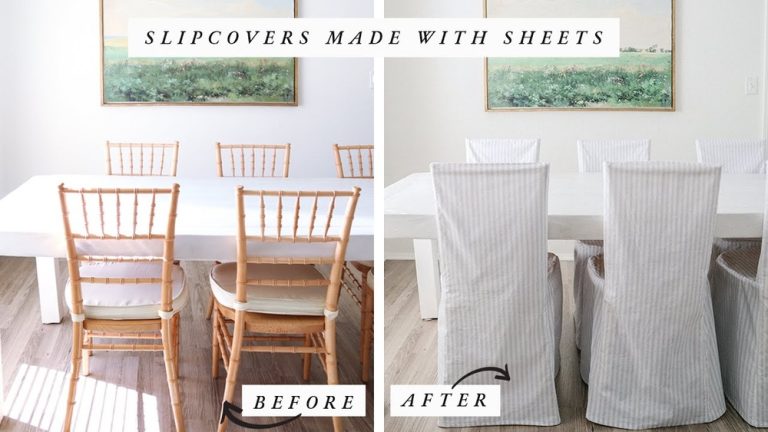
- Use chair covers or washable slipcovers for high-use or dining chairs.
- Ban food and drinks from fabric chairs if possible.
- Keep pets off or use a washable pet blanket.
- Apply fabric protector sprays (like Scotchgard) if suitable for your fabric type. Always test on a hidden spot first.
- Vacuum regularly to stop dirt from settling deep into fibers.
Common Mistakes To Avoid
Many people make cleaning harder than it needs to be by repeating the same errors:
- Using too much water, which soaks the cushion and leads to mold
- Rubbing stains instead of blotting, which spreads the stain
- Skipping the spot test, risking damage on visible areas
- Using colored towels, which can bleed dye onto the chair
- Ignoring the cleaning code, leading to ruined fabric
By avoiding these mistakes, you’ll keep your chair looking good with less stress.
Sustainable Cleaning: Eco-friendly Choices
If you want to clean safely for kids, pets, and the planet, there are plenty of green options:
- Baking soda and white vinegar are effective and non-toxic.
- Microfiber cloths clean well with just water, reducing the need for chemicals.
- Choose biodegradable soaps and cleaners.
- Reuse old cotton T-shirts as cleaning rags instead of disposable towels.
These choices protect your family and reduce waste, without sacrificing cleaning power.
When Not To Clean At Home
There are times when DIY cleaning is risky:
- Silk, velvet, or wool seats often need professional care.
- If the seat is heavily stained or the fabric is fragile, don’t risk it.
- For insurance or warranty claims, professional cleaning may be required for coverage.
If you’re unsure, ask a local upholstery expert before trying home methods.
Comparing Diy Vs. Professional Cleaning
Let’s look at the key differences between cleaning at home and hiring a pro:
| Factor | DIY Cleaning | Professional Cleaning |
|---|---|---|
| Cost | Low (household supplies) | High (service fee) |
| Time | Flexible, but longer for deep stains | Fast, usually 1, 2 hours |
| Effectiveness | Good for light/medium dirt | Best for deep stains/odors |
| Risk | Higher for delicate fabrics | Low, with expert handling |
| Convenience | Anytime, at home | Must book service |
For most everyday needs, DIY cleaning works well. For delicate, expensive, or very dirty seats, a pro is worth considering.
Simple Cleaning Schedule For Cloth Chair Seats
A regular schedule keeps cleaning quick and easy:
- Weekly: Vacuum and
Products related to this article
Sponsored / affiliate links. As an Amazon Associate I earn from qualifying purchases. I may earn additional commission from eligible campaigns.