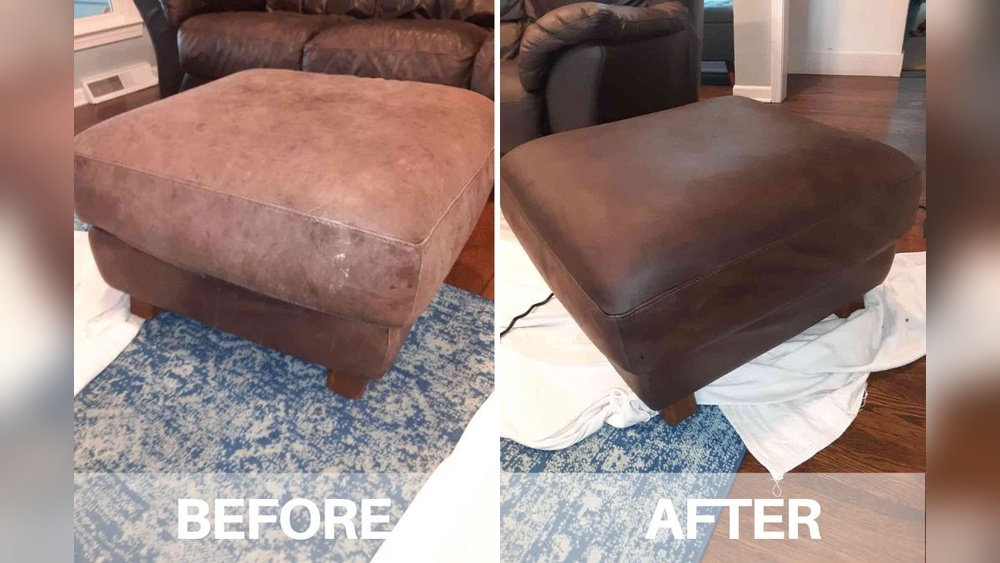
How to Clean a Leather Chair: Expert Tips for Lasting Shine
A leather chair is more than just a seat. For many, it’s a statement piece, a blend of comfort, luxury, and durability. But to keep a leather chair looking its best, regular cleaning is essential. Dirt, sweat, and spills can easily ruin its surface, leading to cracks, discoloration, and a dull look.
Many people think cleaning leather is hard or risky, but with the right approach, it’s both safe and simple. In this guide, you’ll learn practical steps for cleaning your leather chair, the best products and tools to use, and tips for handling common problems.
Whether your chair is new or has seen years of use, these methods will help preserve its beauty and extend its life.
Understanding Leather: Types And Cleaning Needs
Before you start cleaning, it’s important to know what kind of leather your chair is made from. Different types need different care. Using the wrong product or method can cause damage.
Main Types Of Leather
- Aniline Leather: This is the most natural-looking leather. It’s soft and shows the grain and texture, but it’s also the least protected. Stains and spills can soak in quickly.
- Semi-Aniline Leather: Slightly more protected than aniline. It has a thin topcoat that helps resist stains, but it still needs gentle care.
- Pigmented or Protected Leather: Has a coating that makes it more durable and resistant to spills. This is the most common type used in furniture.
How To Identify Your Leather Type
Check the manufacturer’s tag or instructions if you have them. If not, look at the surface:
- Aniline feels very soft and absorbs drops of water.
- Protected leather usually looks even and feels less absorbent.
If you’re not sure, always test any cleaner in a hidden spot first.
Why Leather Needs Special Cleaning
Leather is skin, it needs moisture to stay soft, but too much water or harsh chemicals can dry it out or cause cracks. Over time, oils from your body, dust, and sunlight can also wear away the finish. Regular, gentle cleaning helps keep the leather strong and looking fresh.
Basic Tools And Supplies For Cleaning Leather Chairs
Cleaning leather does not require fancy tools, but using the right ones makes the job safer and more effective.
Here’s what you’ll need:
- Soft, white cloths (microfiber is best)
- Vacuum with a soft brush attachment
- Distilled water (prevents mineral spots)
- Mild soap (like baby soap or a gentle hand soap)
- Leather cleaner (specially made for furniture, if possible)
- Leather conditioner
- Small bowl or bucket
- Soft-bristled brush (for stubborn dirt, but not always needed)
Pro Tip: Never use rough sponges, colored cloths, or strong cleaners like bleach or ammonia. These can scratch or stain the leather.

Credit: www.youtube.com
Preparing Your Leather Chair For Cleaning
Before you start applying any cleaner, take a few steps to prepare the chair:
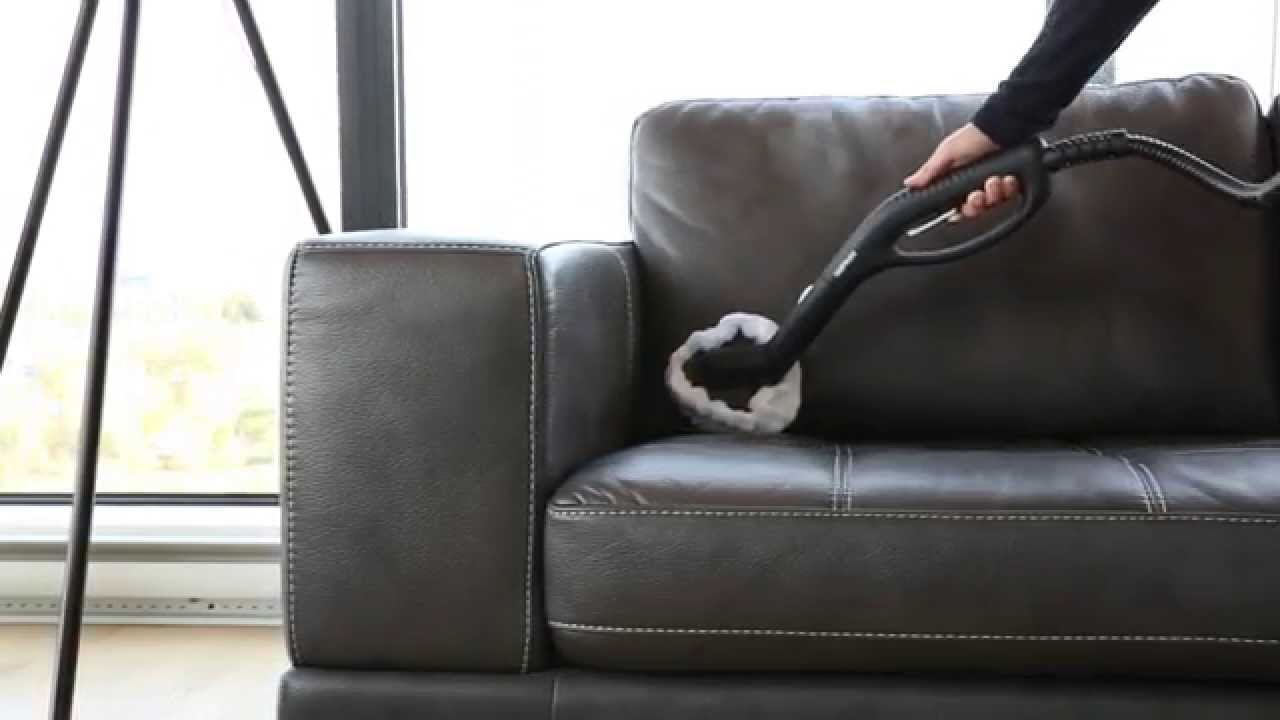
- Remove Loose Debris: Use a vacuum with a soft brush to gently remove dust, crumbs, and hair from the surface and crevices.
- Check for Surface Dirt: Lightly wipe the chair with a dry, clean cloth to lift any loose dirt.
- Test Cleaning Products: Always test your chosen cleaner in a hidden spot. Wait 10 minutes to see if there’s any change in color or texture.
This preparation prevents rubbing dirt into the leather and avoids unexpected damage.
Step-by-step Guide To Cleaning A Leather Chair
1. Dusting And Vacuuming
Start by vacuuming the chair. Use the soft brush attachment to avoid scratches. Focus on seams, under cushions, and around buttons where dust collects.
Next, wipe the entire surface with a dry microfiber cloth. This removes any fine dust and makes it easier to spot stains.
2. Cleaning Light Stains And General Dirt
Mix a few drops of mild soap with distilled water. Dampen (do not soak) a clean cloth with the solution. Wipe the leather gently, working in small sections.
- Do not rub hard or use too much water.
- Rinse the cloth often and wring it out so it’s only slightly damp.
- After cleaning, wipe again with a separate cloth dampened with only distilled water to remove any soap.
Let the chair air dry away from direct heat or sunlight.
3. Tackling Stubborn Stains
For tougher spots, use a special leather cleaner. Apply a small amount to a cloth and gently rub the stain in a circular motion. Avoid using colored cloths, as dye can transfer to the leather.
Example: When I tested a leather cleaner on a coffee stain, I found it worked best to let the cleaner sit for one minute before wiping it off.
If the stain remains, it’s safer to stop and call a leather professional rather than risk damage.
4. Conditioning The Leather
Once the chair is clean and dry, apply a leather conditioner. This restores moisture, keeps the leather soft, and helps prevent future stains.
- Put a small amount of conditioner on a soft cloth.
- Rub it in gently, using circular motions.
- Let it absorb for at least 15 minutes.
- Buff with a dry cloth to remove any extra product.
Conditioning should be done every 3-6 months for most leather chairs.
Credit: dupray.com
Comparing Cleaning Methods: Soap Solution Vs Leather Cleaner
Different cleaning methods suit different needs. Here’s a quick comparison to help you decide:
| Method | Best For | Pros | Cons |
|---|---|---|---|
| Soap Solution | Light dirt, general cleaning | Cheap, easy, gentle | May not remove tough stains, risk of residue if not rinsed |
| Leather Cleaner | Stubborn stains, regular maintenance | Designed for leather, effective, safe | Costs more, must use correct type for your leather |
Most people find that a mild soap works well for routine cleaning, but investing in a good leather cleaner is smart for regular care or difficult stains.
Dealing With Common Leather Chair Problems
Even with good care, leather can face some specific issues. Here’s how to handle them:
1. Ink Stains
Ink can be very tough to remove from leather. If you notice a fresh ink mark, blot it gently with a dry cloth, do not rub. Some people use a cotton swab with a tiny bit of rubbing alcohol, but this can lighten the color.
Test first and stop if you see fading.
2. Oil And Grease Spots
Body oil or food grease leaves dark, shiny marks. Sprinkle a little baking soda or cornstarch on the spot and let it sit for a few hours. Then, brush it off gently and wipe with a damp cloth.
3. Scratches And Scuffs
Minor scratches may fade with a small amount of leather conditioner. For deeper scratches, special repair kits are available, but if you’re unsure, get professional help.
4. Fading And Discoloration
Sunlight is the main cause of fading. Move your chair away from direct sun or use curtains to block light. For mild fading, some leather conditioners restore color, but for severe cases, professional re-dyeing is the best solution.
Pro Tip: Always address spills and stains as soon as possible. The longer they sit, the harder they are to remove.
What Not To Do When Cleaning Leather Chairs
Many people make mistakes that can shorten the life of their leather chair. Here are some things to avoid:
- Never use harsh cleaners like bleach, vinegar, or ammonia.
- Don’t soak the leather with water.
- Avoid colored or rough cloths that can scratch or stain.
- Don’t use waxes or silicone-based products; they leave a residue.
Using the wrong products can cause permanent damage, making repairs more difficult and expensive.
Regular Maintenance Tips For Leather Chairs
Keeping your leather chair clean is easier if you follow a few regular care habits:
- Dust and vacuum the chair weekly.
- Wipe spills immediately with a dry cloth.
- Condition the leather every few months.
- Rotate cushions and use the whole seat to prevent uneven wear.
- Keep pets’ claws trimmed to avoid scratches.
A little attention every week goes a long way in maintaining the chair’s beauty and comfort.

Credit: www.wikihow.com
Choosing The Right Leather Care Products
With so many products on the market, picking the right one can be confusing. Here’s how to make smart choices:
1. Read The Label
Always check that the product is made for your type of leather. Some cleaners are only safe for protected leather, while others are gentle enough for aniline.
2. Avoid Multi-surface Cleaners
Products that claim to clean all surfaces can be risky for leather. Stick to products labeled for leather furniture.
3. Look For Ph-balanced Products
Leather needs a neutral pH to avoid damage. Most quality leather cleaners and conditioners are pH-balanced.
4. Test Before Full Use
Even if a product is labeled safe, test it in a hidden spot before using it on the entire chair.
Popular Leather Care Products
Here’s a comparison of common types of leather care products:
| Product Type | Main Use | Average Price | Best For |
|---|---|---|---|
| Leather Cleaner | Removing stains, dirt | $10, $30 | Routine cleaning, tough stains |
| Leather Conditioner | Moisturizing, preventing cracks | $10, $25 | Maintenance, restoring softness |
| Leather Wipes | Quick clean-ups | $5, $15 | Spills, light cleaning |
| Repair Kits | Fixing scratches, tears | $15, $40 | Minor damage, DIY repair |
If you’re not sure which product to use, check reviews or ask at a furniture store.
How Often Should You Clean And Condition A Leather Chair?
The right schedule depends on how much you use the chair and the environment. Here’s a general guideline:
- Light use (home office, bedroom): Clean every 2-3 months, condition every 6 months.
- Heavy use (living room, shared spaces): Clean monthly, condition every 3-4 months.
- High humidity or dry climates: Condition more often to protect against cracking or mold.
Pro Tip: In my experience, people often forget to condition their chair after cleaning. Skipping this step makes leather age faster, so make it a regular habit.
Diy Vs Professional Cleaning: When To Call An Expert
Most basic cleaning and conditioning can be done at home, but there are times when it’s smarter to hire a professional.
When Diy Is Enough
- Regular dusting and wiping
- Light stains
- Routine conditioning
When To Call A Pro
- Deep, set-in stains (ink, dye, wine)
- Large scratches, tears, or cracks
- Severe fading or discoloration
- Antique or valuable leather
Professional cleaners use special tools and products that reach deep into the leather’s pores. They can also re-dye and repair damage. For expensive or delicate chairs, this is often worth the cost.
A Quick Reference: Leather Cleaning At-a-glance
For a fast reminder, here’s a summary of the main steps and tips for cleaning leather chairs:
| Step | Action | Notes |
|---|---|---|
| 1 | Vacuum & Dust | Use soft brush, avoid scratches |
| 2 | Spot Clean | Mild soap & distilled water, test first |
| 3 | Stain Removal | Leather cleaner for tough spots |
| 4 | Condition | Every 3, 6 months, prevents drying |
| 5 | Protect | Keep away from sun, clean spills fast |
Keep this guide handy for your next cleaning session.
Frequently Asked Questions
What’s The Safest Homemade Cleaner For A Leather Chair?
A small amount of mild soap (like baby soap) mixed with distilled water is the safest homemade cleaner for most leather chairs. Avoid dish soap or anything with strong chemicals. Always test in a hidden spot first, as even gentle soap can react differently with some leathers.
Can I Use Baby Wipes Or Household Wipes To Clean My Leather Chair?
Most baby wipes or household cleaning wipes contain chemicals and moisturizers that are not meant for leather. These can leave a sticky residue or even cause fading over time. It’s better to use a damp microfiber cloth or specially made leather wipes.
How Can I Prevent My Leather Chair From Cracking?
The main cause of cracking is dryness. Regularly apply a leather conditioner to keep the leather moist and flexible. Also, keep the chair away from direct sunlight and heat sources, as these dry out leather quickly.
Is It Safe To Use Olive Oil Or Coconut Oil As A Leather Conditioner?
While some people suggest using olive oil or coconut oil, these oils can attract dust and may go rancid, leading to a sticky surface or bad smell. They can also darken the leather. Instead, use a professional leather conditioner designed for furniture.
What Should I Do If My Chair Starts To Smell Bad?
If your leather chair smells musty or unpleasant, first wipe it down with a damp cloth. Place the chair in a well-ventilated room, away from sunlight. You can also sprinkle baking soda on fabric parts (not directly on leather) and vacuum after a few hours. If the smell remains, a professional cleaning may be needed. For more detailed advice, see resources from the
Sponsored / affiliate links. As an Amazon Associate I earn from qualifying purchases. I may earn additional commission from eligible campaigns.Products related to this article