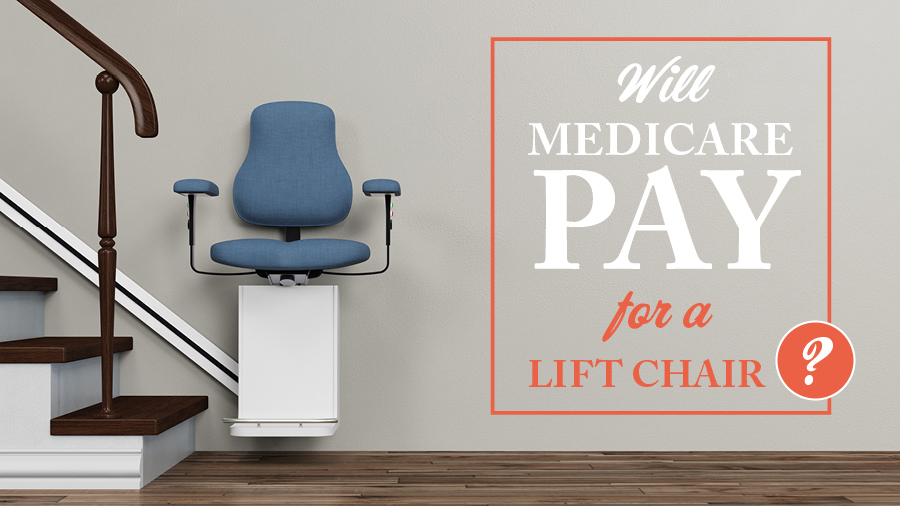
Does Medicare Cover Stair Chair Lifts? What You Need to Know
For many seniors and people with disabilities, stairs can become a barrier to independence. A stair chair lift offers a practical solution, helping people stay in their homes safely. But these devices are expensive, and the question comes up often: Does Medicare cover stair chair lifts? The answer can be confusing, and many families struggle to understand their options. This article explains what Medicare covers, what alternatives exist, and how to make the best decision for your needs. You’ll learn about costs, eligibility, practical steps, and hidden pitfalls that many first-time buyers miss.
What Are Stair Chair Lifts?
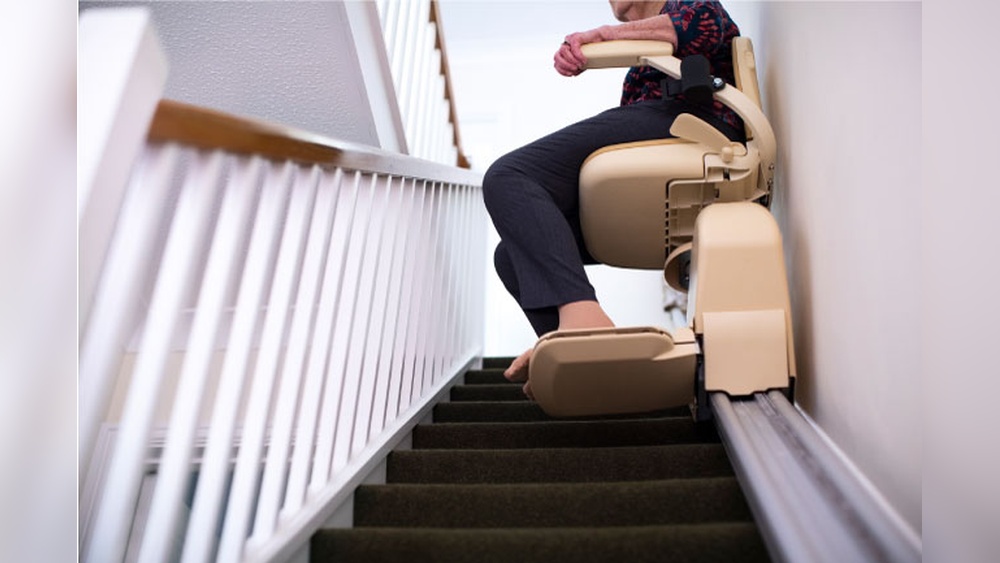
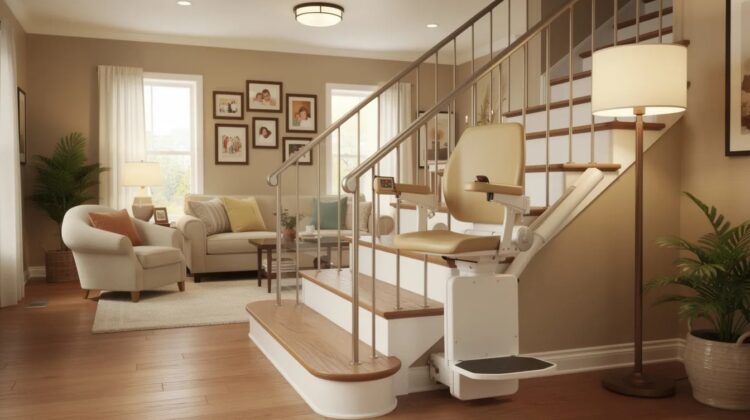
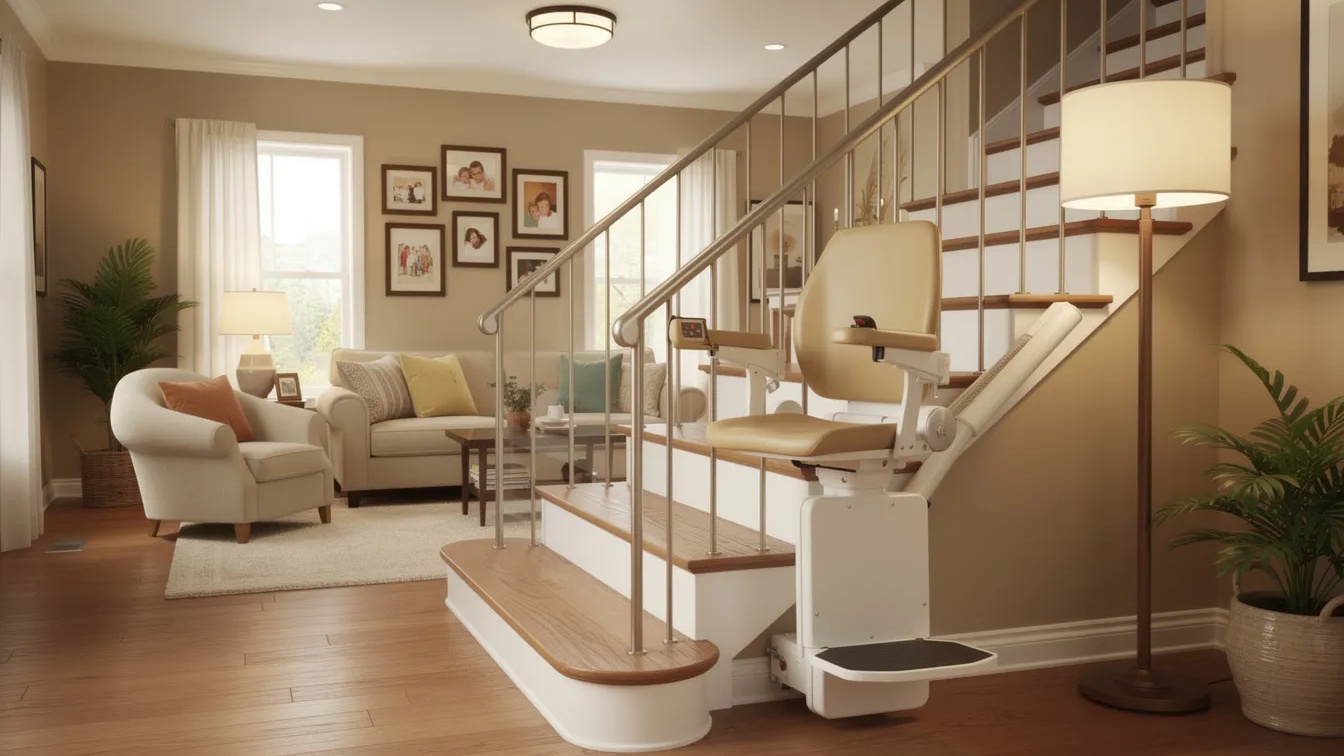
A stair chair lift is a mechanical device that moves a person up and down stairs, usually along a rail attached to the staircase. The person sits in a motorized chair that travels slowly and safely. Stair lifts are popular in homes with multi-level floors, especially for people with mobility issues.
There are several types:
- Straight stair lifts: Designed for stairs without curves or landings.
- Curved stair lifts: Built for staircases with bends or turns.
- Outdoor stair lifts: Made for outside steps, using weather-resistant materials.
Most stair lifts use electricity, but some have battery backup in case of power failure. A typical lift includes a seat, safety belt, rail, and controls. Installation usually takes a few hours and does not require major changes to the home.
Why Stair Chair Lifts Are Important
For those with limited mobility, stairs can be dangerous. Falls on stairs cause about 1 million injuries in the US each year, according to the National Safety Council. A stair chair lift can help prevent these accidents and support independent living.
They are especially valuable for:
- Seniors who want to age in place.
- People with disabilities (temporary or permanent).
- Anyone recovering from surgery or illness.
The psychological benefits are also significant. Many users feel less anxiety and more confidence knowing they can access all parts of their home.
Credit: www.medicare.org
How Much Do Stair Chair Lifts Cost?
Stair chair lifts are not cheap. Prices vary based on the type and features, but most homeowners pay between $2,000 and $10,000. The main factors affecting cost are:
- Type of lift (straight or curved)
- Length and complexity of staircase
- Customization (seat style, added safety features)
- Installation fees
Here’s a sample comparison of costs for different types:
| Type | Average Cost (USD) | Typical Features |
|---|---|---|
| Straight Stair Lift | $2,000, $4,000 | Basic seat, standard rail, easy installation |
| Curved Stair Lift | $8,000, $10,000 | Custom rail, tailored fit, complex installation |
| Outdoor Stair Lift | $4,000, $7,000 | Weatherproofing, extra durability |
Maintenance costs are another consideration. Most manufacturers recommend annual servicing, which can cost $100, $300 per visit.
What Does Medicare Cover?
Medicare is a federal health insurance program for people age 65 and older, and for some younger people with disabilities. It covers many medical devices and services, but coverage for stair chair lifts is limited.
Medicare Part A And Part B
- Medicare Part A covers hospital stays, skilled nursing, and some home health care, but not stair chair lifts.
- Medicare Part B covers outpatient care and durable medical equipment (DME). However, stair chair lifts are usually not classified as DME.
According to Medicare.gov, DME must be reusable, necessary for medical reasons, and used in the home. Examples include wheelchairs, walkers, and hospital beds. Stair chair lifts are not included in the list of covered equipment.
Why Stair Chair Lifts Are Not Covered
Medicare considers stair chair lifts as home modifications rather than medical devices. The main reason is that they are installed into the home and are not portable. Medicare does not cover items that are part of home construction or adaptation, such as ramps, widened doorways, or stair lifts.
Pro Tip: Even though stair lifts are not covered, some accessories like portable lift devices may qualify as DME. Check with your doctor and Medicare provider for details.
Medicare Advantage Plans (part C)
Medicare Advantage plans are offered by private insurance companies. These plans often include extra benefits, such as vision, dental, and hearing. Some plans may cover limited home modification costs, including stair lifts, but this is rare.
If you have a Medicare Advantage plan, check your plan documents or speak to your insurer about coverage. Coverage varies widely, and approval often requires:
- Doctor’s prescription
- Proof of medical necessity
- Pre-authorization
Example: In my experience, one Medicare Advantage plan approved partial payment for a stair lift after a patient’s physician provided detailed documentation. But this was a unique case and not common.
Medigap (supplemental Insurance)
Medigap plans help pay out-of-pocket costs for Original Medicare. They do not add new benefits and do not cover stair chair lifts. These plans only help with co-pays and deductibles for services already covered by Medicare.
Alternatives To Medicare Coverage
If Medicare does not pay for stair chair lifts, there are other ways to get financial help. Many people overlook these options, but they can make a big difference.
Medicaid
Medicaid is a joint federal and state program for low-income individuals. Some state Medicaid programs offer waivers that cover home modifications, including stair lifts. The rules vary by state. To find out if you qualify, contact your state Medicaid office.
Veterans Benefits
The Department of Veterans Affairs (VA) offers grants for home modifications for veterans with disabilities. The Home Improvements and Structural Alterations (HISA) grant may cover stair lifts if medically necessary. Eligible veterans must apply through the VA and provide medical documentation.
Local And State Programs
Many states and cities have programs to help seniors and disabled residents stay safe at home. These may include grants, low-interest loans, or free installation of stair lifts. For example, the Pennsylvania Assistive Technology Foundation offers financing and support for home modifications.
Private Insurance
Some private health insurance plans may cover stair lifts if they are medically necessary. Coverage is rare and usually limited to certain diagnoses (such as severe mobility impairment). Always check your policy and speak with your insurance agent.
Charitable Organizations
Nonprofits like Rebuilding Together or United Way may offer assistance for home modifications. Eligibility often depends on income and medical need. These programs are not widely advertised, so you may need to ask local agencies or search online.
What Really Matters When Buying A Stair Chair Lift
Buying a stair chair lift is a big decision. The process can be confusing, especially when you are paying out-of-pocket. Here are the most important factors to consider:
Safety Features
Look for lifts with:
- Seat belts
- Swivel seats (makes getting in and out easier)
- Safety sensors (stop the lift if something is in the way)
- Battery backup (works during power outages)
Comfort And Usability
Consider the seat size, padding, and controls. Some lifts have remote controls, folding seats, or adjustable arms.
Installation
Professional installation is critical. Improper installation can cause accidents or damage the staircase. Ask for certified installers and check reviews.
Warranty And Service
Check the warranty period and what it covers. Some companies offer full coverage for two years, others only parts. Regular servicing is needed, so ask about maintenance contracts.
Price Transparency
Get written quotes and compare costs. Some companies add hidden fees for installation or delivery. Always ask for a complete breakdown.
Here’s a comparison of key features:
| Feature | Importance | Common in Models |
|---|---|---|
| Seat Belt | High | Yes |
| Swivel Seat | Medium | Yes (not all) |
| Battery Backup | High | Most |
| Safety Sensors | High | Most |
| Adjustable Seat | Medium | Some |
Credit: www.medicare.org
Common Mistakes When Shopping For Stair Chair Lifts
Many buyers make errors that cost them money or lead to dissatisfaction. Here are some pitfalls to avoid:
- Assuming Medicare will pay: Most stair lifts are not covered. Always check before buying.
- Not comparing brands: Prices and features vary widely.
- Ignoring installation quality: Poor installation can lead to safety hazards.
- Overlooking warranty details: Some warranties cover only parts, not labor.
- Not considering resale value: Stair lifts may have little resale value if you move.
- Missing state/local programs: Many people don’t know about local grants and assistance.
Pro Tip: Before buying, ask for a home assessment. Some companies offer free evaluations to check if your staircase is suitable.
Steps To Getting A Stair Chair Lift
If you decide to buy a stair chair lift, follow these steps for best results:
- Consult your doctor: Medical documentation may help with insurance or grants.
- Check insurance coverage: Review Medicare, Medicaid, and private insurance options.
- Research local programs: Contact agencies for grants or low-cost loans.
- Choose a reputable dealer: Look for certified installers.
- Request a home assessment: Ensure the lift fits your stairs.
- Get multiple quotes: Compare prices and features.
- Review warranty and service: Understand what is covered.
- Schedule installation: Confirm timeline and process.
- Learn to use the lift: Ask for training on safety and operation.
- Plan for maintenance: Schedule regular servicing.
Real-life Example: Navigating Coverage And Costs
When my neighbor needed a stair chair lift after hip surgery, the family first contacted Medicare. The answer was clear: stair lifts were not covered. They then explored Medicaid, which offered a waiver program in their state. After submitting medical records and a home assessment, they received partial funding. The process took three months, but the lift made a huge difference in safety and independence.
This experience taught me two important lessons:
- Always check state programs before buying.
- Start early, as paperwork and approvals take time.
Comparing Popular Stair Chair Lift Brands
Different brands offer unique features, and prices can vary. Here’s a comparison of three popular brands:
| Brand | Starting Price | Warranty | Unique Features |
|---|---|---|---|
| Bruno | $3,500 | 2 years | Battery backup, custom rails |
| Stannah | $4,000 | 3 years | Swivel seat, ergonomic controls |
| Acorn | $2,800 | 1 year | Simple installation, folding seat |
Tip: Choose a brand with strong service support in your area.
Credit: www.gew-llc.com
Is A Stair Chair Lift Worth It?
A stair chair lift is a major investment. For many, it is the only way to stay independent and safe at home. If you or a loved one cannot use stairs safely, the benefits often outweigh the costs. However, since Medicare rarely covers these devices, careful planning is needed.
Always consult a medical professional before making decisions about home mobility equipment. Your doctor can help determine if a stair lift is necessary and may provide documentation for grants or insurance.
Frequently Asked Questions
Does Medicare Cover Any Part Of Stair Chair Lift Installation?
No, Medicare does not cover installation costs for stair chair lifts. This includes labor, materials, and any modifications to your staircase. If you use a Medicare Advantage plan, check your policy for exceptions, but these are rare.
Are Stair Chair Lifts Considered Durable Medical Equipment By Medicare?
Medicare does not classify stair chair lifts as durable medical equipment. Only portable devices, such as wheelchairs or walkers, are covered. Stair lifts are seen as home modifications, not medical devices.
Can I Deduct The Cost Of A Stair Chair Lift On My Taxes?
Yes, in some cases the cost of a stair chair lift may be tax-deductible as a medical expense. You must itemize deductions and meet IRS guidelines. Consult a tax professional for details.
What Is The Expected Lifespan Of A Stair Chair Lift?
Most stair chair lifts last 10, 20 years with regular maintenance. Lifespan depends on usage, model, and servicing. Annual maintenance is recommended to keep the lift safe and functional.
Are There Rental Options For Stair Chair Lifts?
Some companies offer short-term rentals, especially for straight staircases. Rental costs range from $300, $500 per month, plus installation fees. This option is best for temporary needs, such as post-surgery recovery.
Medicare coverage for stair chair lifts is limited, but understanding your options can help you make a smart decision. Research local programs, ask your doctor for guidance, and compare products carefully. For more details on Medicare coverage, visit the official Medicare.gov site. Always seek professional advice before making major health or financial choices.
Products related to this article
Sponsored / affiliate links. As an Amazon Associate I earn from qualifying purchases. I may earn additional commission from eligible campaigns.