Do You Need a Shower Chair After Hip Replacement? Essential Guide
Recovering from hip replacement surgery is a major event in anyone’s life. Many people focus on the big steps, walking again, doing exercises, and regaining independence. But the small details, like how you shower safely, are just as important. After hip replacement, even simple tasks can feel risky. Slipping in the bathroom is a real danger, and the wrong move can set back your recovery. This is why many doctors and physical therapists recommend considering a shower chair. But is it necessary for everyone? Or just some people? In this article, I’ll walk you through what a shower chair is, who might need one, what to consider before buying, and how to use it safely. My goal is to give you practical, real-world advice, so you can make the best choice for your needs.
Understanding Hip Replacement Recovery
A hip replacement replaces the damaged parts of your hip with artificial materials, usually metal, ceramic, or plastic. The main reason people get this surgery is to relieve pain from arthritis or injury. The recovery takes time, and the first few weeks are especially important.
Most people can start moving with assistance within a day or two. But the hip joint is still healing and can be sensitive to certain movements. Twisting, bending too far, or falling can cause the new hip to dislocate or get injured.
Your doctor or physical therapist will give you guidelines, such as not crossing your legs, avoiding low chairs, and being careful with daily tasks. Even a small slip can create problems.
Why Bathing Is A Challenge
Bathrooms are slippery and often cramped. After hip surgery, you might find it hard to stand for a long time, or bend down to wash your feet. Stepping into a bathtub or standing on one leg to wash can be risky. That’s where a shower chair comes in, it helps you stay safe and comfortable while bathing.
What Is A Shower Chair?
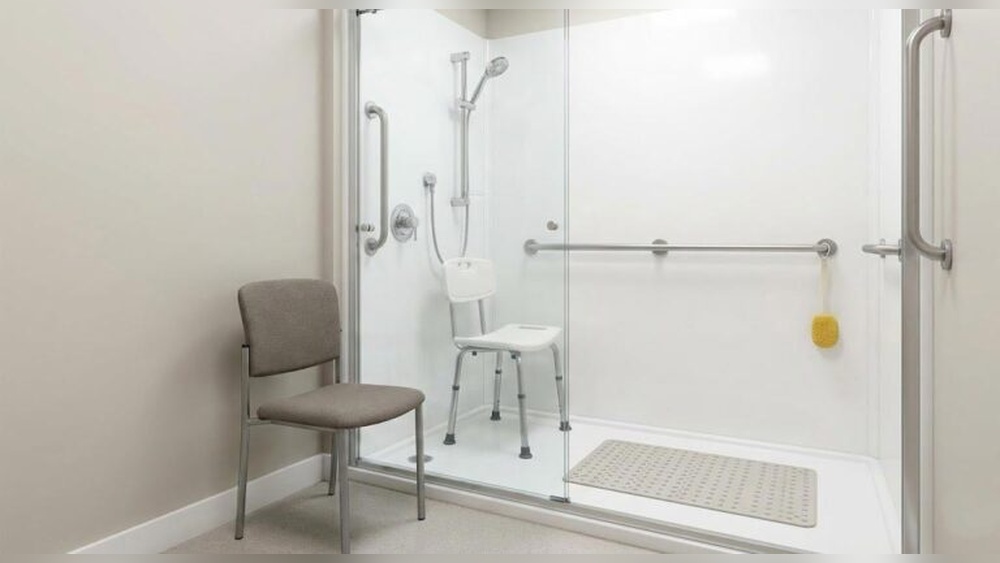
A shower chair is a waterproof seat designed for use in the shower or bathtub. It typically has non-slip feet, drainage holes, and sometimes handles for extra support. There are different types:
- Standard shower chairs: Simple seats with or without a backrest.
- Bath benches: Longer seats that can straddle the side of a bathtub.
- Swivel chairs: Seats that rotate, helping you move in and out easily.
- Chairs with armrests: For extra help when sitting or standing.
Using a shower chair means you can sit down to wash, reduce your risk of slipping, and avoid bending your hip in dangerous ways.

Credit: www.ageally.com
Do You Need A Shower Chair After Hip Replacement?
The short answer: it depends on your situation. Not everyone needs a shower chair, but many people find it helpful, especially during the first few weeks.
Who Should Strongly Consider A Shower Chair?
- Limited strength or balance: If you feel weak, dizzy, or have trouble balancing, a shower chair makes showering much safer.
- Older adults: Age can make recovery slower, and the risk of falls is higher.
- Stepping over a bathtub wall: If your bathroom only has a bathtub, getting in and out is much safer with a chair.
- History of falls: If you’ve fallen before, a chair is a wise precaution.
- Anyone feeling anxious about showering: Confidence matters. If you worry about slipping, a chair can give peace of mind.
Who Might Not Need One?
If your balance is good, your shower is walk-in (no step), and you feel confident standing for 10, 15 minutes, you might not need a shower chair. But even then, some therapists recommend it for the first two weeks, just to be safe.
What Do Doctors Say?
According to the American Academy of Orthopaedic Surgeons, falls in the bathroom are one of the top reasons for hospital readmission after hip replacement. They recommend using shower chairs, non-slip mats, and grab bars for at least the first month. Always follow your own doctor’s advice, as your medical history and living situation matter.
Benefits Of Using A Shower Chair
A shower chair is more than just a seat. Here’s why many people find it helpful after hip surgery:
- Reduces risk of falls: Sitting is safer than standing on a wet surface.
- Less fatigue: Showering can be tiring after surgery. Sitting helps conserve energy.
- Easier to follow movement rules: You can keep your hip in the safe position more easily.
- More independence: Many people can shower alone sooner with a chair.
- Peace of mind for caregivers: Family or aides can help without worrying about a fall.
Pro Tip: Even if you only use the chair for a few weeks, it can prevent injuries that would set back your recovery.
Risks And Downsides Of Shower Chairs
Like any tool, a shower chair is not perfect. Here are some possible downsides:
- Takes up space: Small bathrooms might feel cramped.
- Can be slippery if not used correctly: Make sure the feet are non-slip and the chair is stable.
- Needs cleaning: Soap and water can build up, so wipe it down regularly.
- May not fit all tubs or showers: Measure carefully before buying.
A less obvious risk is becoming too reliant on the chair. Some people delay getting back to standing showers, which can slow recovery. The key is to use the chair as a temporary aid, not a permanent solution unless you need it for other reasons.
Features To Consider When Choosing A Shower Chair
Not all shower chairs are equal. Some are simple plastic seats; others have advanced features. Here’s what matters most:
Size And Fit
Check your shower or tub size. Measure the width and depth. The chair should fit comfortably without wobbling or blocking the door.
Weight Capacity
Most chairs support 250, 300 pounds, but some heavy-duty models go higher. Always check the label.
Non-slip Feet
This is essential. Rubber or suction feet prevent sliding. Never use a chair with smooth, hard feet.
Backrest And Armrests
A backrest gives more support, especially if you’re tired. Armrests help with sitting and standing. Some chairs are adjustable, letting you remove the back or arms if not needed.
Drainage Holes
Water should drain through the seat, or you’ll be sitting in a puddle. Look for holes or slats in the seat.
Portability
If you travel or want to store the chair, choose a lightweight, foldable model.
Cost
Prices range from $30 to $150. Insurance or Medicare may cover the cost if your doctor prescribes it, so ask before buying.
Here’s a quick comparison of common shower chair types:
| Type | Best For | Main Features |
|---|---|---|
| Standard Chair | Walk-in showers | Simple, lightweight, may have backrest |
| Transfer Bench | Bathtubs | Long seat, sits partly inside and outside tub |
| Swivel Chair | Limited mobility | Rotating seat, easy entry/exit |
| Chair with Armrests | Weak legs or arms | Extra support for standing/sitting |
How To Use A Shower Chair Safely
Getting the right chair is only half the battle. Using it safely is just as important. Here are steps and tips based on real-world experience:
- Check the chair’s stability before every shower. Make sure it doesn’t wobble or slide.
- Place non-slip mats in the shower and just outside, so wet feet don’t slip.
- Sit down before turning on the water. It’s easier to adjust the temperature from a seated position.
- Keep soap, shampoo, and towels within easy reach. Use a caddy or shelf at waist height.
- Move slowly when sitting or standing up. Push off the armrests if present. Avoid twisting your hip.
- Ask for help if needed. Many people need a caregiver for the first few showers.
Example: In my experience helping my mother after her hip replacement, the biggest mistake was not checking the chair’s position each time. It shifted slightly between uses, and she almost slipped once. A quick check every day can prevent accidents.
What Not To Do
- Don’t stand on the chair.
- Don’t use a chair with missing parts or cracks.
- Don’t reach or twist while seated, move your whole body instead.
Alternatives To Shower Chairs
Some people prefer other options, depending on their bathroom and needs.
Grab Bars
Sturdy grab bars let you hold on while standing or stepping in/out of the shower. They can be wall-mounted or suction-cup style, but permanent bars are much safer.
Handheld Shower Heads
A handheld sprayer lets you wash while seated, without twisting or reaching. It’s a simple upgrade that makes a big difference.
Non-slip Mats
These mats go inside the shower or tub and add grip. They don’t replace a chair, but they add extra safety.
Bath Transfer Benches
For bathtubs, a transfer bench sits with two legs inside and two outside the tub, so you can slide over without lifting your leg high. This is especially good for people with very limited movement.
Here’s a comparison of common bathroom safety aids:
| Product | Main Benefit | Best For |
|---|---|---|
| Shower Chair | Safe seated showering | Most people after hip surgery |
| Grab Bars | Support while standing | Those with good balance |
| Transfer Bench | Easy tub entry/exit | Bathtub users |
| Handheld Shower Head | Flexible washing | Anyone with limited motion |
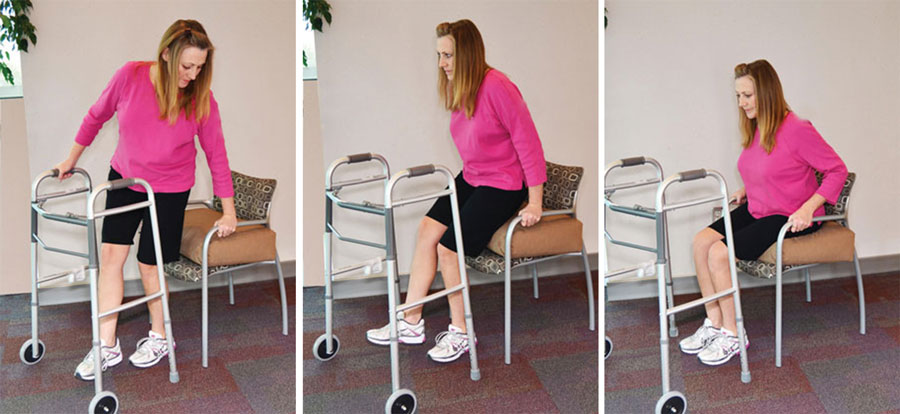
Credit: healthcare.utah.edu
Common Mistakes To Avoid
Even with the best equipment, mistakes can happen. Here are some pitfalls to watch for:
- Choosing the wrong size chair: Always measure your shower or tub. A chair that’s too big or small is unsafe.
- Not securing the chair: Make sure all legs are flat and stable before each use.
- Ignoring doctor’s advice: Your medical team knows your situation best. Follow their recommendations on when to stop using the chair.
- Using a chair with worn-out parts: Replace rubber feet or screws if they show wear.
- Skipping other safety aids: Combine the chair with non-slip mats and grab bars for maximum safety.
Pro Tip: Ask your therapist or nurse to check your shower setup before you go home, or during your first week back.
How Long Should You Use A Shower Chair?
Most people use a shower chair for 2 to 6 weeks after hip replacement. The exact time depends on your age, health, and confidence. Here’s a general timeline:
- First 2 weeks: Almost everyone needs a chair.
- Weeks 3, 4: If you feel steady, your doctor might let you try standing with support.
- Weeks 5, 6: Many return to normal showers, but some keep using the chair if balance is still a concern.
It’s okay to keep using the chair longer if you have other health problems or feel unsure. There’s no prize for quitting early, safety comes first.
Getting The Most Out Of Your Shower Chair
To get the full benefit, use your chair as part of a bathroom safety plan. Here are some extra steps:
- Place a towel or washcloth on the seat if it feels cold or slippery.
- Move slowly and give yourself extra time, rushing leads to mistakes.
- Check that all screws and parts are tight every week.
- Clean the chair with soap and water, and let it dry between uses.
If you have any pain, swelling, or feel dizzy, don’t shower alone. Call for help.
What To Do If You Can’t Afford A Shower Chair
Cost can be a concern, especially if insurance won’t cover it. Here are some options:
- Ask your doctor for a prescription: Some insurance plans and Medicare cover shower chairs if prescribed for hip surgery.
- Check with local charities or senior centers: Many have loan programs.
- Look for used equipment: Medical supply stores sometimes sell gently used chairs.
- Ask your hospital: Some offer free or low-cost rental for the first month.
Never try to use a regular chair in the shower, it’s not safe.
Credit: www.youtube.com
Real-world Experiences
Patients often share that the chair made them feel more confident and independent. Caregivers appreciate the peace of mind. In my experience, the biggest improvement comes when the chair is combined with other safety tools and when everyone in the house understands how to help.
One insight beginners miss is that the chair isn’t just about physical safety, it also reduces anxiety. Many people worry about their first shower after surgery; sitting down makes it much less stressful. Another insight: practicing getting in and out of the chair with a helper, before your first real shower, makes a huge difference.
When To Stop Using A Shower Chair
You can stop when:
- Your doctor or physical therapist approves.
- You can stand for 10, 15 minutes without pain or dizziness.
- You have good balance and no fear of falling.
- You can step in and out of the shower without help.
Remember, everyone’s recovery is different. Some people need extra time, and that’s okay. If you ever feel unsure, keep using the chair.
Additional Resources
For more detailed recovery tips, check out the American Academy of Orthopaedic Surgeons at OrthoInfo. They provide up-to-date, expert advice and safety checklists.
Always talk to your surgeon or therapist before making any big changes to your routine.
Frequently Asked Questions
Can I Use A Shower Chair For Other Surgeries, Like Knee Replacement?
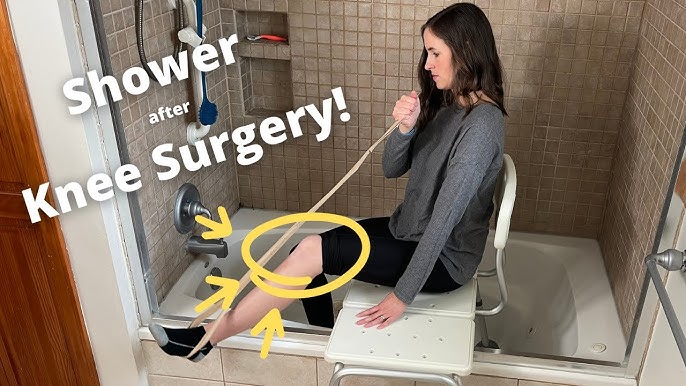
Yes. Shower chairs are helpful after many surgeries, including knee replacements, spinal surgery, or any time you have limited mobility. The key is to follow your doctor’s movement guidelines for your specific operation.
Are There Special Cleaning Instructions For Shower Chairs?
Most shower chairs can be cleaned with warm soapy water and a soft cloth. Avoid harsh chemicals that
Products related to this article
Sponsored / affiliate links. As an Amazon Associate I earn from qualifying purchases. I may earn additional commission from eligible campaigns.