What is Chair Rail Height? Expert Guide to Perfect Placement
Few architectural details bring as much subtle character to a room as a chair rail. This simple strip of molding, often running horizontally around the room, has a purpose that goes beyond just good looks. Yet, for many homeowners and designers, one question always comes up: What is chair rail height, and why does it matter? Getting this detail right can transform a space, making it feel balanced, elegant, and thoughtfully finished. But with so many options, old rules, and new trends, the answer isn’t always straightforward.
If you’ve ever walked into a room and felt something just “clicked” with the walls, chances are the chair rail height played a big role. But how do you decide where to place it? Is there a standard height, or do you have the freedom to choose what looks best?
Let’s explore what chair rail height really means, how it impacts your interior design, and how to avoid the most common mistakes people make when installing it.
Understanding Chair Rail: Purpose And History
A chair rail is a type of wall molding that typically runs horizontally at a certain height from the floor. Its main job, originally, was to protect walls from chair backs scratching or denting the paint or plaster. But over time, it became much more than just functional, chair rail molding is now a classic decorative feature in both traditional and modern interiors.
Dating back to the 18th century, chair rails appeared in the stately homes of Europe and America. Early builders used them to divide wall treatments and add visual structure. In Georgian and Colonial homes, chair rails often sat at the same height as the backs of dining chairs, hence the name.
Today, the function is mostly decorative, creating a pleasing division between the upper and lower walls.
Pro Tip: Don’t assume chair rail is only for “old-fashioned” rooms. Many designers use it in modern spaces to add depth or break up large, plain walls.
What Is Chair Rail Height?
Chair rail height refers to the vertical distance from the floor to the top of the molding. This measurement determines where the molding sits on your wall. Picking the right height is crucial, too low or too high and the effect can feel awkward, disproportioned, or simply out of place.
The “right” chair rail height depends on a few main factors:
- Room dimensions and ceiling height
- Historical guidelines and modern trends
- Furniture size (especially dining chairs)
- Wall design and personal taste
Let’s break down these points so you can make an informed choice.
Traditional Guidelines For Chair Rail Height
For a long time, tradition set the standard for chair rail placement. The most common recommendation was that chair rails should be installed at about one-third the distance from the floor to the ceiling. For homes with an 8-foot (96-inch) ceiling, this means the chair rail would sit roughly 32 inches above the floor.
Here’s a quick comparison for standard ceiling heights:
| Ceiling Height | Traditional Chair Rail Height (1/3 rule) |
|---|---|
| 8 feet (96 inches) | 32 inches |
| 9 feet (108 inches) | 36 inches |
| 10 feet (120 inches) | 40 inches |
While this formula works in many rooms, it’s not a strict rule. In fact, modern designers sometimes ignore it completely, depending on the effect they want.
Why Was One-third Chosen?
The one-third rule isn’t random. It’s based on a classic sense of proportion. Dividing the wall into three parts creates a pleasing balance to the eye. But this is only a guideline. If your walls are unusually tall or short, or if your furniture is different from the norm, you might need to adjust.
Example: In a historic 18th-century dining room with tall ceilings and high-backed chairs, the chair rail might sit higher than 32 inches, sometimes as high as 36 or 40 inches.
Modern Chair Rail Height Trends
Today, interior design is more flexible. Many professionals use chair rail heights that fit the unique architecture, furniture, and style of the room, rather than sticking to tradition. Some current trends include:
- Placing chair rails slightly lower than the traditional one-third height, especially in rooms with lower ceilings.
- Aligning chair rail height to the top of nearby furniture, such as the backs of dining chairs or sideboards.
- Using chair rail to visually divide bold wall treatments, like two-tone paint or wallpaper.
Here’s how modern chair rail heights might compare to traditional ones:
| Room Style | Chair Rail Height Range | Reason |
|---|---|---|
| Classic/Traditional | 32, 36 inches | Matches historic guidelines |
| Modern/Contemporary | 28, 32 inches | Creates a lighter, airier look |
| Formal Dining Room | 34, 36 inches | Aligns with chair backs |
| Small Room | 24, 28 inches | Avoids dividing the wall too high |
This flexibility means you can adjust the chair rail to fit your personal style and space needs.
Factors That Affect Chair Rail Height
Choosing the right chair rail height isn’t just about following rules. Several unique factors in your room will influence the best measurement.
Ceiling Height
Rooms with higher ceilings can support a higher chair rail without looking awkward. For example, if you have a 10-foot ceiling, a 40-inch chair rail often looks balanced. In rooms with 7- or 8-foot ceilings, you’ll want to keep the rail lower, usually in the 28, 32 inch range.
Furniture Size And Placement
If you plan to use the room for dining, measure the backs of your chairs. The top of the chair rail should line up with or just above the tallest chair back. This keeps the molding practical and visually connected to your furniture.
Wall Art And Windows
Consider where your windowsills or art will sit. You don’t want the chair rail to cut through the middle of a window or block favorite artwork. Adjust the height as needed to keep the look harmonious.
Room Function
Chair rail in a dining room often sits a little higher, because of the need to protect walls from chair backs. In a hallway or living room, the rail can be lower, focusing more on design than function.
Personal Preference
At the end of the day, your taste matters. Some people like the classic, formal look of a taller chair rail. Others prefer a more modern, understated effect with a lower rail.
Pro Tip: Before installing, use painter’s tape to mark different heights on your wall. Live with them for a few days to see which feels right.
How To Measure And Mark Chair Rail Height
Installing chair rail starts with accurate measuring and marking. Here’s a clear, practical approach:
- Decide on the Height: Based on the guidelines above, pick a height that fits your room.
- Measure from the Floor: Use a measuring tape to mark the chosen height at several points along each wall.
- Use a Level: Place a long level on each mark to draw a straight, continuous line around the room. This line will guide your installation.
- Check for Obstacles: Look for electrical outlets, window sills, or other features that could interfere with your molding. Adjust if necessary.
Example: When I remodeled my dining room, I found that the “traditional” 32-inch height would have cut through the bottom of a window. I lowered it by two inches, and it looked much better.
Common Chair Rail Height Mistakes (and How To Avoid Them)
Even experienced DIYers and designers make mistakes with chair rail height. Here are some of the most common, and how to steer clear:
- Placing the Rail Too High: This can make walls look squat and awkward. The chair rail should not sit at the midpoint of the wall unless you have very tall ceilings.
- Ignoring Furniture: If your chair rail is lower than your chair backs, it loses its functional purpose and looks disconnected.
- Cutting Through Features: Never install chair rail so it collides with window sills, light switches, or outlets. It should run cleanly above or below these points.
- Forgetting Wall Treatments: If you plan to use two different paints or wallpapers, the chair rail should act as a natural divider, not an afterthought.
- Not Considering the Room’s Flow: In open floor plans, try to keep chair rail heights consistent across connected spaces for a unified look.
Warning: Rushing this step can be expensive to fix. Always double-check before nailing molding to the wall.
Chair Rail Height And Wall Treatments
Chair rail isn’t just about protection, it’s often used to break up wall treatments. Here’s how height impacts design:
- Painted Lower Wall: Many people use a darker or bolder color below the chair rail and a lighter one above. A higher chair rail means more color below, which can make the room feel grounded.
- Wallpaper or Wainscoting: The space below the chair rail is a perfect place for wainscoting or patterned wallpaper. Lower rails allow for more detail, while higher rails make the lower section more prominent.
Careful chair rail placement can make these features stand out or blend in, depending on your goal.
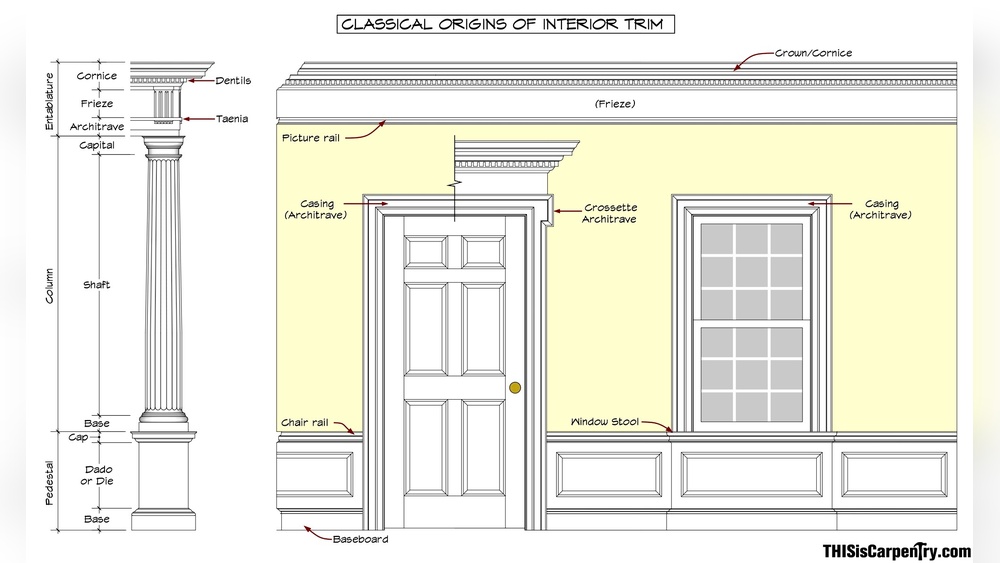
Credit: www.thisiscarpentry.com
Chair Rail Height In Different Rooms
Not every room should have the same chair rail height. Here’s how it can vary:
Dining Rooms
Traditionally, the dining room is where chair rail is most common. The height often matches the backs of your chairs, usually between 32 and 36 inches. This protects the wall and gives a formal, classic look.
Living Rooms
In living rooms, the rail is often lower, around 28 to 32 inches. Here, the focus is more on visual interest than on wall protection.
Hallways And Entryways
These spaces benefit from a lower chair rail, especially if ceilings are not high. A rail between 24 and 30 inches can add detail without overwhelming the space.
Bedrooms
Chair rail is less common in bedrooms, but when used, it can provide a subtle design feature. The height here is flexible and depends on furniture placement, such as headboards or dressers.
How Chair Rail Height Affects Room Perception
The height of your chair rail can change how a room feels:
- Lower Chair Rail: Makes ceilings seem higher and rooms feel more open.
- Higher Chair Rail: Grounds the space, giving a cozier, more traditional feel.
- Very High Chair Rail (above 40 inches): Can make a room feel smaller or boxy unless ceilings are over 10 feet.
Example: In my experience, lowering the chair rail by just 2, 3 inches in a small room can make it feel much larger and less crowded.
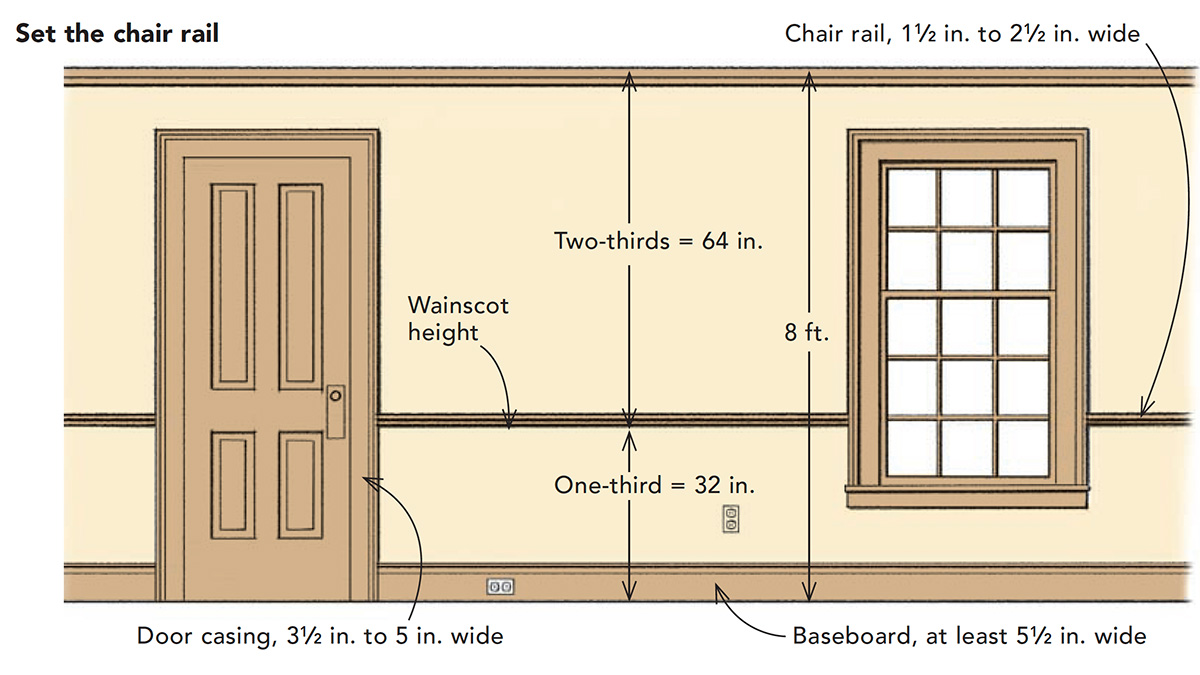
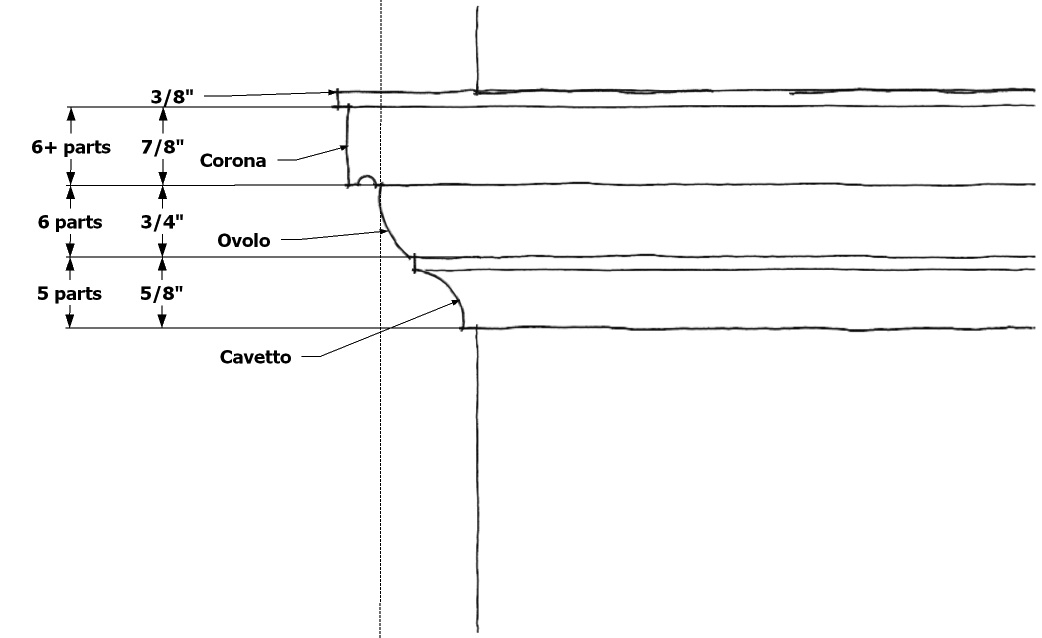
Credit: www.finehomebuilding.com
Chair Rail Height And Molding Size
Choosing the right height is only part of the equation, the size of the chair rail molding matters too. Thicker, more elaborate moldings look best in taller rooms with higher rails. Slim, simple moldings suit modern rooms and lower rails.
Here’s a quick guide:
| Chair Rail Height | Molding Width | Best For |
|---|---|---|
| 24, 28 inches | 1, 1.5 inches | Modern, small rooms |
| 28, 36 inches | 1.5, 2.5 inches | Traditional, mid-size rooms |
| 36+ inches | 2.5, 3.5 inches | Formal, large rooms |
Pro Tip: If you’re using wainscoting or beadboard, the chair rail should be wider than the panel molding below for a finished look.
Chair Rail Height And Building Codes
There are usually no strict building codes for chair rail height in residential homes. However, commercial spaces may have regulations about wall protection, especially in restaurants or public buildings. Always check local guidelines before starting a large project.

Credit: www.youtube.com
When To Skip Chair Rail Altogether
Chair rail isn’t right for every space. Here are some times to skip it:
- Ultra-modern rooms: Minimalist spaces can feel cluttered with extra moldings.
- Very low ceilings: Chair rail can make a short wall look even shorter.
- Rooms with busy wall features: If you already have lots of art, shelves, or trim, extra molding may compete for attention.
Warning: Don’t add chair rail just because you think you “should.” If it doesn’t fit your style, it’s better to leave the walls plain.
Diy Chair Rail Installation: Quick Tips
If you’re planning to install chair rail yourself, here are some practical steps:
- Plan the Height: Mark the height around the room using a level.
- Select Materials: Choose molding that matches your style and wall thickness.
- Cut Molding Carefully: Use a miter saw for clean corners.
- Attach Securely: Use finishing nails and adhesive for a firm hold.
- Fill and Finish: Fill nail holes, caulk edges, and paint or stain as desired.
Example: I found that pre-painting the chair rail before installation saved time and resulted in a neater finish.
Chair Rail Height: Real-world Examples
Looking at real homes can help you visualize the impact of chair rail height.
- Historic Colonial Homes: Often use 36, 40 inch chair rails with wide, ornate molding.
- Modern Apartments: Favor 28-inch rails with slim, simple profiles for a clean look.
- Victorian Dining Rooms: Feature chair rail at 32, 36 inches, usually paired with wainscoting.
If you’re interested in the historical side, the Wikipedia page on chair rail offers more context.
Frequently Asked Questions
What If My Windows Are Lower Than The Traditional Chair Rail Height?
If your windowsills are lower than the standard chair rail height, it’s best to drop the chair rail to line up with or sit just below the windowsill. This creates a more harmonious look and avoids awkward lines breaking
Products related to this article
Sponsored / affiliate links. As an Amazon Associate I earn from qualifying purchases. I may earn additional commission from eligible campaigns.