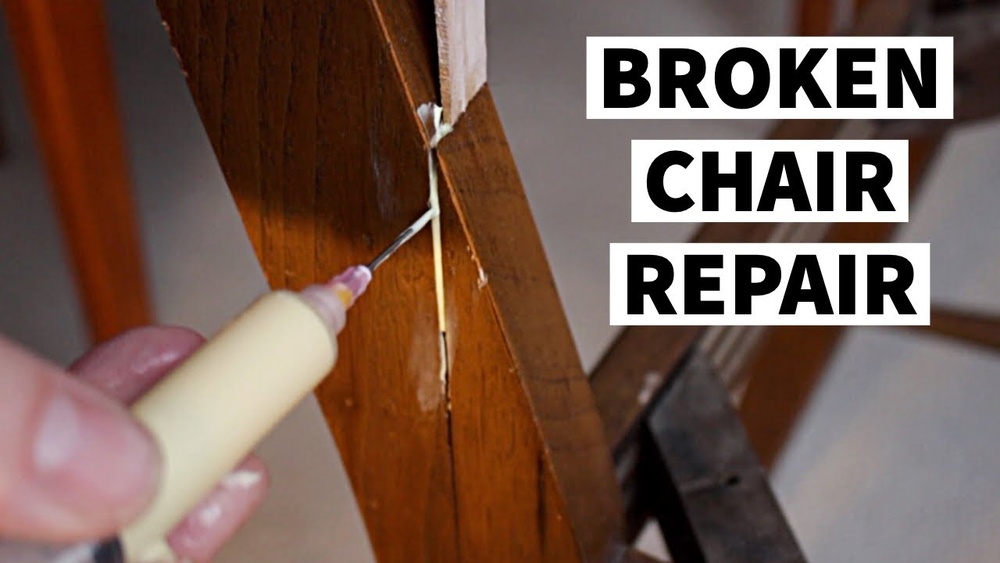
How to Repair a Broken Chair: Easy DIY Steps for Quick Fixes
A broken chair can feel like a small disaster in a home or office. Whether it’s a wobbly leg, a cracked seat, or a loose joint, the chair you trust every day suddenly doesn’t feel safe. Many people think about throwing it away or calling a professional.

LukLoy
LukLoy 2" Wide 20ft Long Vinyl Straps…
- Restore Patio Lounge & Dining Chairs - No Need To Replace the Entire Chair Set: Replace cracked, faded, or worn webbing on compati…
- 0.115 In Thick 100% Virgin Vinyl With UV Inhibitors—Made for Outdoor Furniture Repair: These 0.115 in thick replacement straps for…
- 2 In Wide x 20 Ft Long - 33% Wider Coverage Than 1.5 In-Wide Straps: This 2 in wide vinyl chair webbing replacement kit provides 3…
As an Amazon Associate I earn from qualifying purchases.
However, with some basic tools, patience, and the right method, most chairs can be repaired at home, even if you have never fixed furniture before.
Repairing a chair yourself not only saves money, but also helps reduce waste. Each year, millions of pieces of furniture are thrown out, adding to global waste problems. Fixing your own chair means you keep a useful item longer and gain new skills.
This guide will show you exactly how to repair different types of chair damage, from simple to challenging. You’ll learn how to identify the problem, choose the right tools, make repairs that last, and avoid mistakes that beginners often make.
Understanding Chair Construction
Before you start, it’s important to know how chairs are made. Most chairs are built from wood, metal, or plastic. Each material has its own strengths and weaknesses. Wooden chairs are common in homes and are usually joined with glue, screws, or dowels. Metal chairs may use bolts or welding. Plastic chairs often snap together or use screws.
Here’s a simple comparison of chair materials:
| Material | Strength | Common Problems |
|---|---|---|
| Wood | Strong, flexible | Loose joints, cracks |
| Metal | Very strong | Loose bolts, rust |
| Plastic | Lightweight | Cracks, broken pieces |
Pro Tip: Before you begin repairs, always check the whole chair. Sometimes a problem in one place is caused by damage somewhere else.
Common Types Of Chair Damage
Chairs can break in many ways. Here are the most common problems you might see:
- Loose or wobbly legs, Often caused by worn glue or loose screws.
- Cracked or split wood, Usually from age, overloading, or dryness.
- Loose joints, Where parts of the chair meet and move too much.
- Broken seat slats or panels, The flat part of the chair is cracked or missing.
- Damaged hardware, Missing or stripped screws, bolts, or nails.
- Worn or broken upholstery, The fabric or padding is torn or flattened.
- Bent or broken metal parts, Common in office or folding chairs.
- Broken plastic parts, Often seen in stackable or outdoor chairs.
In my experience, most repairs can be done with basic hand tools and a little bit of patience. Some fixes are quick; others might take a few hours. The key is to work slowly and make sure each step is done right.
Tools And Materials Needed
The right tools make chair repair much easier. Here’s a list of tools and materials you may need, depending on the problem:
- Screwdriver set (flathead and Phillips)
- Wood glue (for wood chairs)
- Clamps (to hold parts together while glue dries)
- Hammer and small nails
- Drill and drill bits
- Replacement screws, bolts, or washers
- Sandpaper (medium and fine grit)
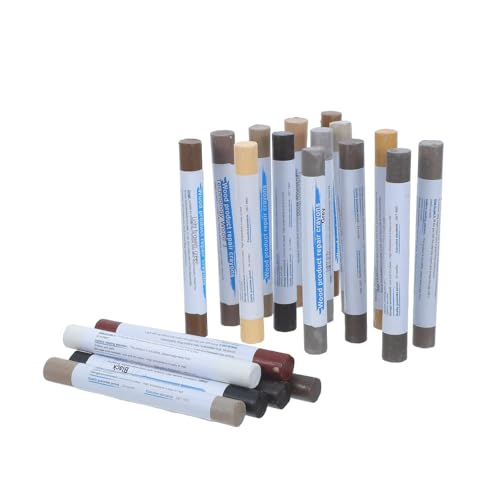
- Wood filler or putty
- Replacement wood slats or dowels (if needed)
- Metal epoxy (for metal repairs)
- Super glue or plastic adhesive (for plastic chairs)
- Measuring tape
- Protective gloves
Warning: Always wear gloves and eye protection when working with tools or strong adhesives.
How To Fix A Loose Or Wobbly Chair Leg
Wobbly legs are one of the most common chair problems. If you sit on a chair and it rocks, the joints may be loose or the screws may be stripped.
Step-by-step Repair
- Turn the chair upside down and inspect the legs. Try to move each leg to see where the looseness is.
- Tighten screws or bolts using a screwdriver or wrench. Many times, tightening is enough.
- If the leg is still loose, remove the leg if possible. Clean out any old glue or dirt from the joint.
- Apply fresh wood glue inside the joint. Fit the leg back in and wipe away extra glue.
- Clamp the leg to the chair for at least 1 hour (longer for best results).
- After the glue is dry, check the stability. If needed, add a screw for extra strength.
Example: When I fixed my dining chair, I found the joint was full of old, dry glue. Cleaning it and applying new glue made the leg feel as strong as new.
Repairing Cracked Or Split Wood
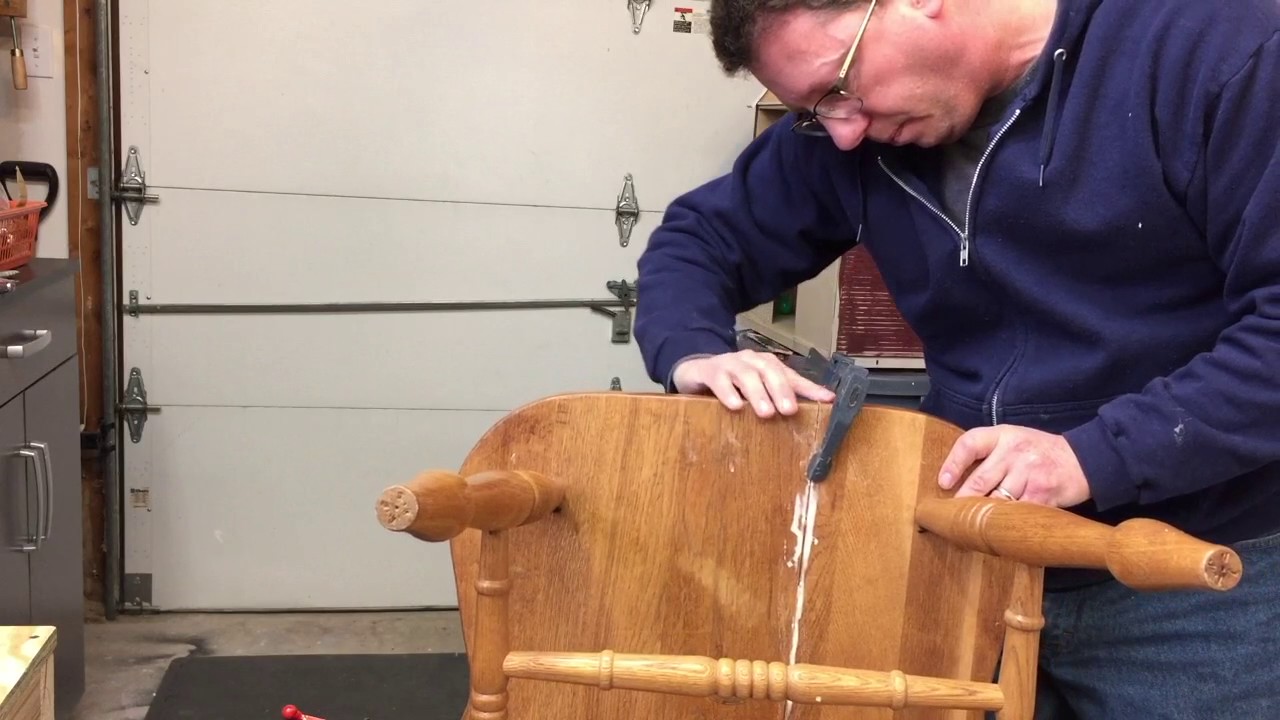
A crack in the wood can look scary, but it often can be fixed. If the crack is small, you can use wood glue. For larger splits, you may need wood filler or even a new piece of wood.
Fixing Small Cracks
- Open the crack gently with a flathead screwdriver.
- Squeeze wood glue deep into the crack.
- Press the crack closed and clamp tightly for several hours.
- Once dry, sand the area smooth.
Repairing Large Splits
- If the wood is badly broken, remove any loose pieces.
- Fill gaps with wood filler and let it dry.
- Sand and paint or stain to match the chair.
Pro Tip: For a clean finish, always sand with the grain of the wood.
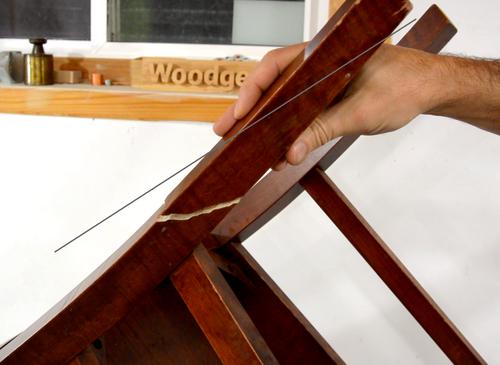
Re-gluing Loose Joints
Loose joints are common in older wooden chairs. The glue dries out over time, making the chair unstable.
How To Fix
- Take the joint apart carefully.
- Remove old glue with sandpaper or a chisel.
- Apply fresh wood glue to both surfaces.
- Reassemble and clamp until the glue is dry.
- Wipe off any extra glue.
Some people skip removing the old glue, but this is a mistake. New glue sticks best to clean wood, not old glue.
Credit: woodgears.ca
Repairing Broken Seat Slats Or Panels
If the seat of the chair is broken, you may need to replace a slat or repair the panel.
Replacing A Broken Slat
- Measure the length and width of the broken slat.
- Buy a similar piece of wood at a hardware store.
- Cut to size and sand the edges.
- Attach with wood glue and small nails or screws.
- Paint or stain to match.
Fixing A Cracked Panel
- If the crack is not too wide, use wood glue and clamp the panel.
- For larger cracks, use wood filler as described earlier.
Replacing Or Repairing Hardware
Sometimes the problem is a stripped screw or missing bolt. If the screw hole is too big, the screw won’t hold.
How To Fix A Stripped Screw Hole
- Remove the screw.
- Fill the hole with toothpicks and wood glue (for wood) or a wood dowel.
- Let it dry, then trim any extra wood.
- Re-insert the screw.
For metal chairs, replace missing bolts with the same size and type. Always use washers if the original had them.
Fixing Upholstered Chairs
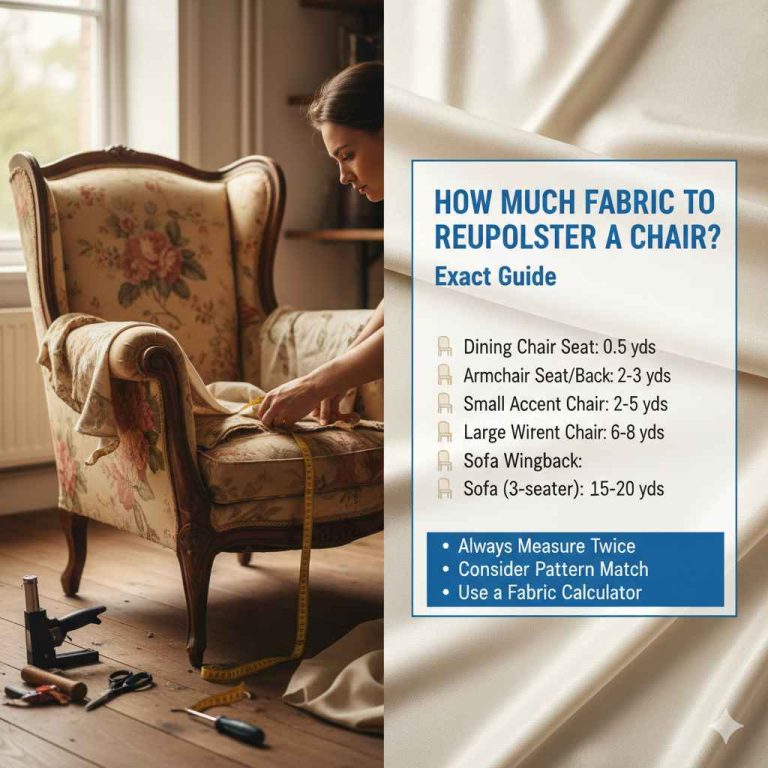
Chairs with fabric seats may need a different repair. Tears, sagging, or worn foam are common.
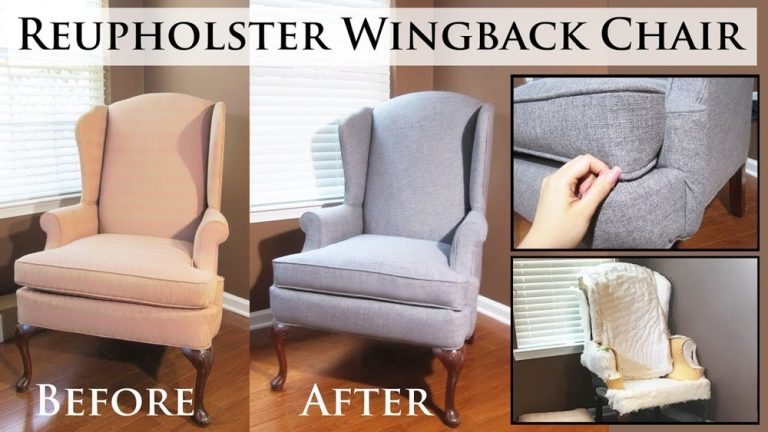
Simple Reupholstery
- Remove the seat from the chair frame.
- Take off the old fabric and foam.
- Cut new foam to size.
- Stretch new fabric over the seat, and staple it underneath.
- Reattach the seat to the chair.
Pro Tip: Choose a strong, stain-resistant fabric for long-lasting results.
Repairing Metal Or Plastic Chairs
Metal and plastic chairs are usually repaired with special adhesives or by replacing parts.
Metal Chair Repair
- For loose bolts, tighten or replace them.
- For rust, sand it off and repaint.
- For cracks, use metal epoxy.
Plastic Chair Repair
- Small cracks: Use plastic adhesive or super glue.
- Large breaks: Sometimes possible to patch with a piece of matching plastic and adhesive, but not all plastic chairs can be safely repaired.
Credit: www.youtube.com
When To Replace Instead Of Repair
Sometimes, a chair is beyond repair. If the frame is badly cracked, the cost of fixing might be more than buying a new chair. If safety is a concern, like a chair that breaks often, it’s better to replace it.
Here’s a quick comparison to help you decide:
| Situation | Repair | Replace |
|---|---|---|
| Loose joint or screw | ✔ | |
| Small crack in wood | ✔ | |
| Broken frame | ✔ | |
| Major rust or plastic break | ✔ | |
| Worn upholstery | ✔ |
Pro Tip: If you’re unsure, ask a local carpenter or furniture expert for advice. Sometimes, a quick repair can add years to a chair’s life.
Tips For Strong, Lasting Repairs
- Clean surfaces well before gluing or screwing. Dust or oil will weaken the repair.
- Use clamps whenever possible. Pressure helps glue make a strong bond.
- Let glue dry fully, do not rush. Many failures happen because the glue was not dry.
- Use the right glue for the material. Wood glue for wood, metal epoxy for metal, and so on.
- Paint or stain exposed wood to protect it from moisture and wear.
- Check all the chair’s joints and screws after a few weeks to make sure everything is still tight.

Credit: www.youtube.com
Common Mistakes To Avoid
- Skipping preparation: Not cleaning old glue or dust can make repairs fail.
- Using the wrong adhesive: Super glue works for plastic, but not wood. Wood glue is best for wood.
- Over-tightening screws: This can split the wood or strip the hole.
- Ignoring small damage: Small cracks or wobbles get worse over time.
- Forgetting about safety: Always work in a well-ventilated space and keep tools away from children.
How To Maintain Chairs After Repair
To keep your chair strong and safe after repair, regular maintenance is important.
- Check joints and screws every few months. Tighten them if needed.
- Keep chairs dry. Moisture can weaken wood and rust metal.
- For wooden chairs, oil or wax them once a year to prevent drying and cracking.
- For metal chairs, wipe off moisture and check for rust.
- For upholstered chairs, vacuum the fabric and clean spills quickly.
The Environmental Impact Of Chair Repair
Repairing a chair instead of buying a new one helps the environment. According to the Environmental Protection Agency, Americans throw away more than 9 million tons of furniture and furnishings each year. Most of this ends up in landfills. Repairing and reusing chairs reduces waste and saves resources.
If you want to learn more about sustainable furniture choices, you can visit the EPA’s guide on sustainable materials management.
Frequently Asked Questions
How Long Does A Typical Chair Repair Take?
Most simple repairs, like tightening screws or re-gluing joints, take about 30 minutes to 1 hour (plus drying time for glue). More complex fixes, like replacing a slat or reupholstering, can take a few hours. Drying times for glue or paint are often the longest part, so plan for extra time even if the hands-on work is quick.
What Type Of Glue Works Best For Wood Chairs?
For wood chairs, polyvinyl acetate (PVA) wood glue is best. Brands like Titebond or Elmer’s Carpenter’s Wood Glue are popular. PVA glue creates a strong, flexible bond and is easy to clean up with water before it dries. Avoid super glue for wood joints, as it can become brittle and break.
Can I Repair A Chair If I Have No Experience?
Yes, many chair repairs are beginner-friendly. Start with simple fixes like tightening screws or using wood glue. Detailed tutorials are available online, and most hardware stores can help you choose the right supplies. Take your time, follow each step, and don’t be afraid to ask for advice if you’re unsure.
Is It Safe To Use A Repaired Chair?
A chair repaired with the right method and materials is usually as strong as new. Always test the chair gently before full use. If you hear creaks or see movement, check your repair again. Never use a chair if you are unsure about its safety, especially if the frame was cracked or seriously damaged.
What Should I Do With A Chair That Cannot Be Fixed?
If a chair is beyond repair, consider recycling the materials. Many cities have recycling programs for wood, metal, or plastic furniture. You can also repurpose parts, like using a wooden seat as a small shelf. If you must throw it away, check with your local waste management for proper disposal instructions.
Repairing a broken chair is not just about saving money, it’s a way to learn practical skills, help the environment, and keep your home comfortable. With clear steps, the right tools, and a little patience, almost anyone can bring an old chair back to life.
Related pick: Check today's price on Amazon
Products related to this article
Sponsored / affiliate links. As an Amazon Associate I earn from qualifying purchases. I may earn additional commission from eligible campaigns.