What Does Chairs Mean? Uncovering the Hidden Symbolism
What Does Chairs Mean
When most people hear the word chairs, they picture a simple seat with four legs and a backrest. But the meaning of chairs goes far beyond furniture. Chairs are a part of daily life, symbols in different cultures, and even play special roles in business, education, and language. Understanding what “chairs” means helps you see why this common word is more important than it seems.
People use chairs everywhere, at home, in offices, schools, and restaurants. But have you ever wondered why some chairs look very different, or why some meetings start with “Who will be chair?” The word “chair” has a rich history, interesting uses, and unique meanings in different places and situations. In my experience, looking deeper into something as simple as a chair can reveal surprising stories and lessons. This article explores the meaning of chairs, their history, cultural importance, language use, and even their role in modern technology.
The Basic Meaning Of Chairs
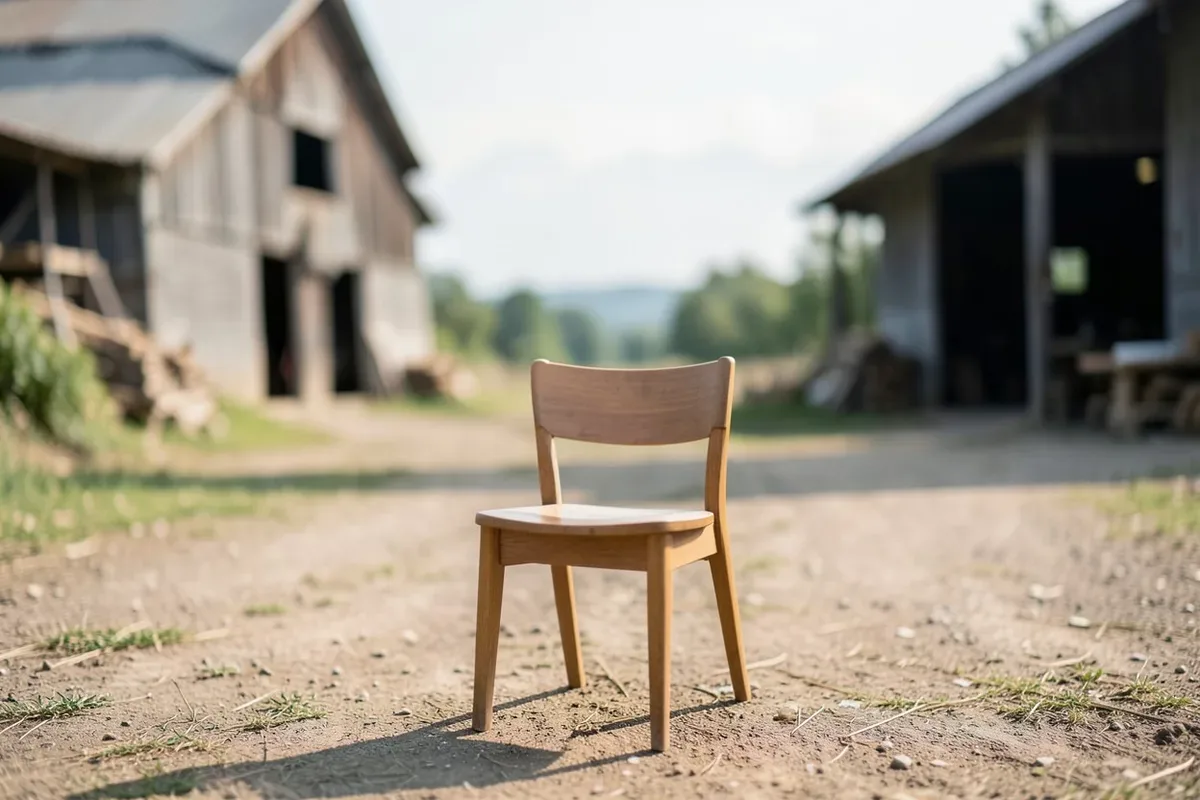
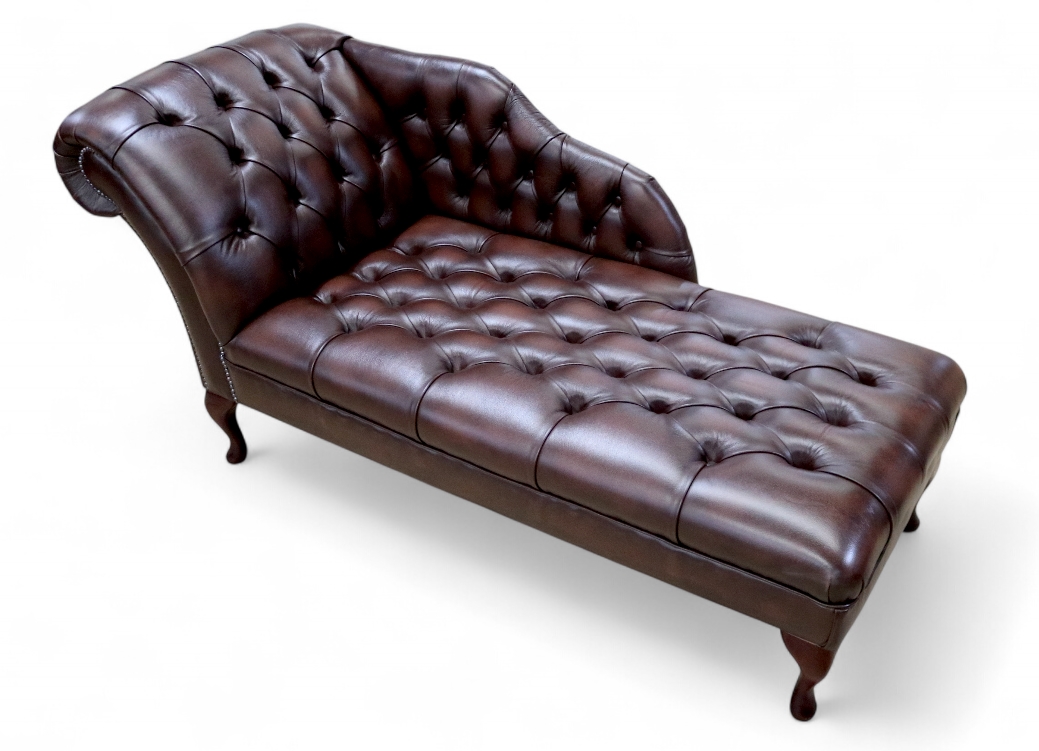
A chair is a piece of furniture designed for one person to sit on. Most chairs have a seat, backrest, and four legs, although some styles have three legs or none at all. The main purpose of a chair is to provide comfort and support while sitting.
Common Types Of Chairs
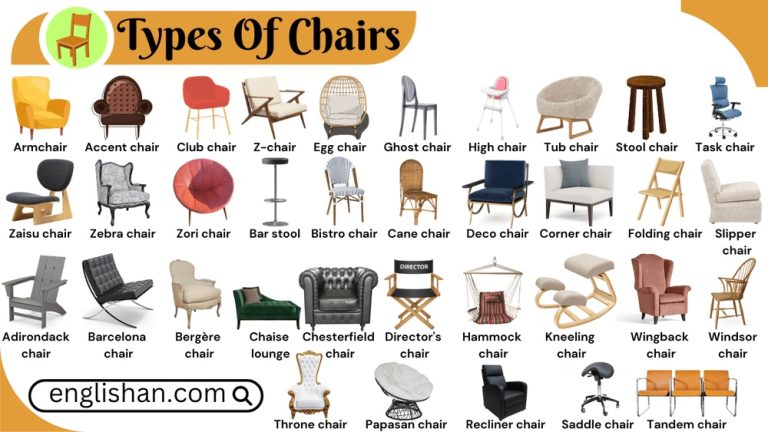
Chairs come in many shapes and sizes. Some of the most popular types are:
- Dining chairs: Used around tables for eating meals
- Office chairs: Designed for working at a desk, often with wheels and adjustable height
- Armchairs: Padded and comfortable, usually found in living rooms
- Stools: Tall, backless seats used at bars or kitchen counters
- Rocking chairs: Chairs that move back and forth, often used for relaxing
Typical Features
While the design can change, most chairs share a few key features:
- Seat: Where you sit
- Backrest: Supports your back
- Legs: Hold the chair above the ground
- Armrests: Optional supports for your arms
Some modern chairs use materials like plastic, metal, or mesh instead of wood or fabric. The goal is always the same: to make sitting more comfortable and practical.
Credit: activeedgechiro.com
The History Of Chairs
Chairs have been part of human life for thousands of years. Their history shows how societies changed and how people’s needs evolved.
Early Chairs
The earliest known chairs date back to Ancient Egypt, around 2600 BCE. These chairs were rare and belonged to kings or leaders. Most people sat on the ground, benches, or simple stools.
As time passed, chairs became more common in Greece and Rome. In these societies, chairs showed a person’s status. Only the wealthy or important leaders used them, while ordinary people used benches or mats.
Chairs In The Middle Ages And Beyond
During the Middle Ages in Europe, chairs were still not common for everyone. High-backed chairs called “thrones” were for royalty and church leaders. Most people used stools or long benches.
It wasn’t until the 16th and 17th centuries that chairs became normal in homes. As furniture makers improved their skills, chairs became more comfortable and stylish. The Industrial Revolution in the 1800s made it possible to produce chairs quickly and cheaply, so almost every household could have them.
Chairs In Modern Times
Today, chairs are everywhere. There are even entire museums dedicated to chair design. From high-tech office chairs to artistic pieces, chairs now mix comfort, style, and even technology.
Chairs As Symbols
Chairs are more than just objects to sit on. In many cultures, they have special meanings and can represent power, authority, or community.
Chairs As Power And Authority
In some cultures, the person who sits in a special chair is seen as the leader. For example:
- Thrones: Symbolize kingship or rule
- The Speaker’s Chair: The leader of a parliament or assembly sits here
- The Judge’s Bench: In court, the judge’s chair stands for law and order
To “hold the chair” often means to be in charge of a meeting or group.
Chairs And Community
Chairs can also show belonging or togetherness. In a circle of chairs, everyone is equal and can see each other. In family gatherings, extra chairs mean “you are welcome here. ” The way chairs are arranged can change the mood of a group.
Religious And Ritual Use
In some religions, special chairs are part of ceremonies. For example, the “Papal Chair” is used by the Pope in Catholicism. In Jewish tradition, an empty chair at Passover can symbolize hope or memory.
The Role Of Chairs In Modern Life
Chairs are essential in almost every part of modern life. Their design and use can affect your comfort, health, and even productivity.
At Home
Most homes have different chairs for different rooms:
- Dining chairs for meals
- Sofas and armchairs for relaxation
- Desk chairs for work or study
- Outdoor chairs for gardens or balconies
Choosing the right chair can make your home more comfortable and help prevent back pain or fatigue.
In Offices
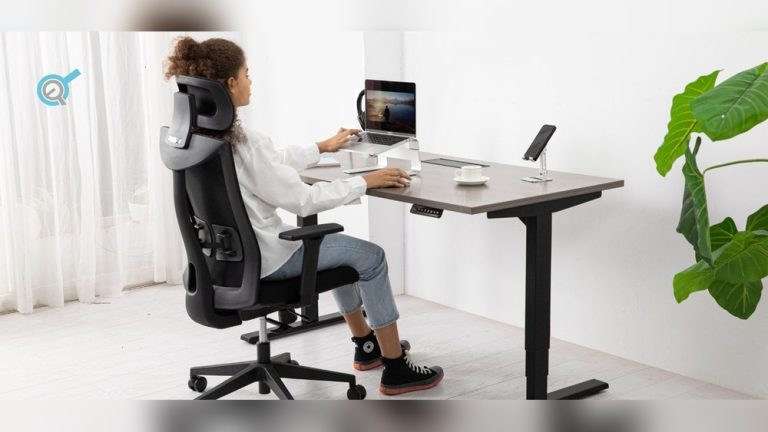
The office chair is more important than many people think. An uncomfortable chair can cause health problems like back pain or poor posture. Companies now invest in ergonomic chairs that support the body and help workers stay healthy.
Here’s a comparison of common office chair types:
| Chair Type | Main Feature | Best For |
|---|---|---|
| Standard Task Chair | Adjustable height, basic support | Short-term desk work |
| Ergonomic Chair | Lumbar support, adjustable arms | Long hours, back support |
| Executive Chair | Padded, high back, stylish | Managers, offices with guests |
In Public Spaces
Chairs are everywhere in public places:
- Restaurants: Dining chairs set the mood and comfort level
- Airports: Waiting chairs help travelers rest
- Schools: Classroom chairs support learning
The design of these chairs often balances comfort, price, and how easy they are to clean or move.
Chairs In Language And Expression
The word chair is used in many ways beyond furniture. In English, it appears in phrases, job titles, and even jokes.
Chair As A Role Or Position
To “chair” a meeting means to lead or guide it. The person is called the chairperson, chairman, or chairwoman. This role is important in business, government, and clubs.
Some common chair-related roles include:
- Department chair in a university
- Board chair in a company
- Committee chair in a club or organization
These roles show leadership and responsibility, not just a place to sit.
Idioms And Phrases
English has many phrases using the word “chair”:
- “Take a seat” (sit down)
- “Musical chairs” (a game, but also means a situation where people compete for a small number of positions)
- “Under the chair” (in some countries, means a proposal was not accepted)
These expressions show how chairs are part of language and culture, not just objects.
Jokes And Slang
Chairs even appear in jokes and slang. For example, “That’s my chair!” can mean “That’s my place” or “That’s my right. ” In some internet memes, chairs are symbols of comfort or laziness.
Chairs And Health
Sitting in a chair is something almost everyone does every day. But sitting for too long or using a bad chair can hurt your health.
The Problem With Sitting
Researchers have found that sitting for long hours increases the risk of back pain, obesity, and even heart problems. The term “sitting disease” is sometimes used to warn about these dangers.
Ergonomics: Designing For Health
Ergonomics is the science of designing things to fit people’s bodies. Good chairs support your back, keep your feet flat on the floor, and help your arms rest comfortably.
Key features of ergonomic chairs:
- Adjustable height
- Lumbar (lower back) support
- Swivel base
- Armrests
Here’s a quick comparison of ergonomic vs. non-ergonomic chairs:
| Feature | Ergonomic Chair | Standard Chair |
|---|---|---|
| Back support | Full lumbar support | Basic or none |
| Adjustability | Height, arms, tilt | Height only or fixed |
| Comfort over time | High | Low to medium |
Common Mistakes When Choosing Chairs
Many people buy chairs based on style or price, but forget about comfort or support. Two common mistakes:
- Ignoring adjustability: Fixed chairs often do not fit all body types.
- Choosing looks over function: A beautiful chair that hurts your back is not a good investment.
Pro Tip: Always try sitting in a chair before buying, if possible. Your body will thank you later.
Chairs In Art And Design
Chairs are not just useful, they are also important in art, design, and architecture.
Chairs As Art
Some famous chairs are considered art objects. For example, the Barcelona Chair (designed by Ludwig Mies van der Rohe) is in museums around the world. Designers use chairs to show creativity, style, and even political ideas.
Iconic Chair Designs
Here are a few famous chair designs and what makes them special:
| Chair Name | Designer | Special Feature |
|---|---|---|
| Barcelona Chair | Ludwig Mies van der Rohe | Modern, steel frame, leather cushions |
| Eames Lounge Chair | Charles & Ray Eames | Curved wood, luxury feel |
| Ghost Chair | Philippe Starck | Clear plastic, classic shape |
These chairs are famous not just for comfort, but for their look, history, and influence on design.
Chairs In Visual Art
Artists have painted or photographed chairs to express ideas about people, loneliness, or even politics. Vincent van Gogh’s painting “Van Gogh’s Chair” is one example. The empty chair can symbolize waiting, absence, or possibility.
Chairs In Technology And The Future
As technology changes, so do chairs. New materials, smart features, and even virtual chairs are becoming part of life.
Smart Chairs
Some modern chairs use technology for extra comfort:
- Massage chairs: Use motors to relax your muscles
- Smart office chairs: Remind you to stand up or stretch
- Gaming chairs: Have speakers and vibration for a better experience
These features are designed to improve health or enjoyment, especially for people who spend long hours sitting.
Virtual And Augmented Reality
In virtual reality (VR), the idea of a “chair” can change. You might be sitting in your room, but in the VR world, you appear to be sitting in a different chair or place. This shows that even in digital spaces, the idea of a chair is important for comfort and experience.
Sustainable Chairs
Environmental concerns are leading to chairs made from recycled materials, bamboo, or eco-friendly plastics. The future of chairs includes both high-tech and green design.
Chairs In Society And Culture
Chairs can show social class, taste, or belonging. They can also be part of rituals, traditions, and group activities.
Social Status
In some cultures, having a special chair means you are important. For example, in meetings, the “head of the table” often has a larger or different chair. At weddings or parties, the guest of honor might have a decorated seat.
Inclusion And Accessibility
Not everyone can use a standard chair. Wheelchairs provide mobility for people with disabilities. Accessible seating in public places helps everyone feel welcome and included.
Group Activities
Games like “musical chairs” use chairs as part of fun or competition. In schools, arranging chairs in a circle can help children feel equal and included.

Credit: www.wikihow.com
The Economic Impact Of Chairs
The chair industry is big business. From local carpenters to global companies, millions of chairs are made, sold, and used every year.
The Furniture Market
Chairs make up a large part of the global furniture market. Styles and prices range from cheap plastic chairs to expensive designer pieces.
According to the Statista Research Department, the global furniture market was valued at over $500 billion in 2026. Chairs are a major part of this market, especially as more people work from home and need comfortable seating.
Manufacturing And Jobs
Chair making creates jobs for:
- Designers
- Woodworkers
- Upholsterers
- Retail workers
Automation and new materials are changing how chairs are made, but skilled labor is still important for quality and custom designs.
Sustainability And Business
As people care more about the environment, companies are making chairs from recycled materials or using less energy in production. This is both a challenge and an opportunity for the industry.
For more on the economic role of furniture, visit the Wikipedia Furniture page.
Frequently Asked Questions
What Is The Difference Between A Chair And A Stool?
A chair usually has a backrest, while a stool does not. Chairs often have armrests and are made for longer sitting. Stools are simpler, sometimes taller, and are used for quick sitting or at high counters.
Why Are Chairs Important In Meetings?
Chairs help organize a meeting space. Where you sit can show your role or importance. The “chairperson” leads the meeting and sits at a special spot, often at the head of the table. Good chairs also keep participants comfortable for longer discussions.
How Can I Choose A Chair That Is Good For My Health?
Look for ergonomic features: adjustable height, lumbar support, and a comfortable seat. Your feet should rest flat on the floor, and your back should be supported. If you have back pain, consult a health professional for advice before choosing a chair.
Are Chairs The Same In Every Country?
No, Chairs Vary By
Products related to this article
Sponsored / affiliate links. As an Amazon Associate I earn from qualifying purchases. I may earn additional commission from eligible campaigns.