What State Does the Electric Chair Still Operate In?
The electric chair is one of the most recognized, and controversial, methods of execution in the United States. Its image is familiar from movies, books, and news stories, but few people know exactly where and why it is still used.
This article explores which states use the electric chair, how it works, its history, and the debates surrounding its continued presence in the American justice system. Whether you are curious about the facts or want to understand the bigger picture, you will find clear explanations and up-to-date information here.
What Is The Electric Chair?
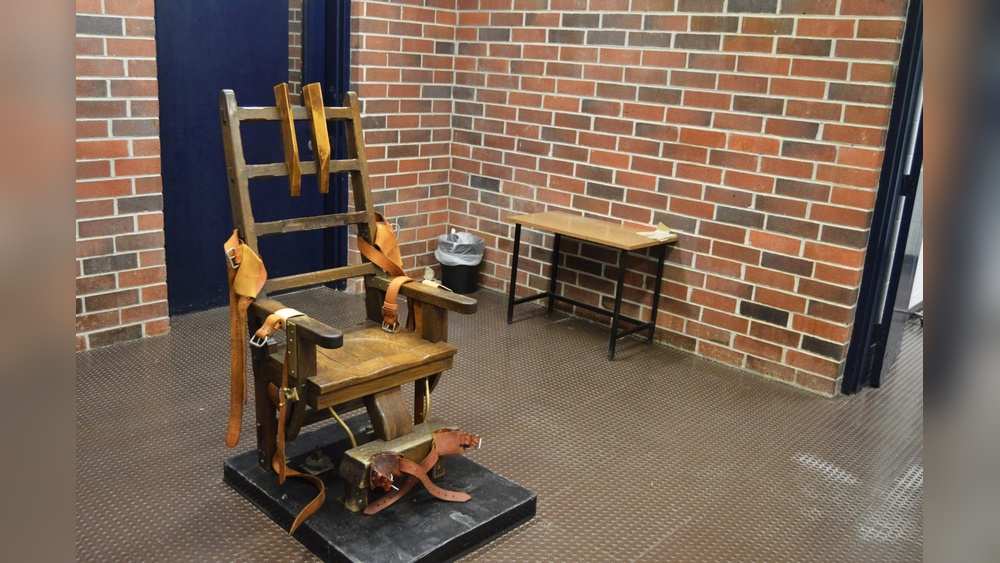
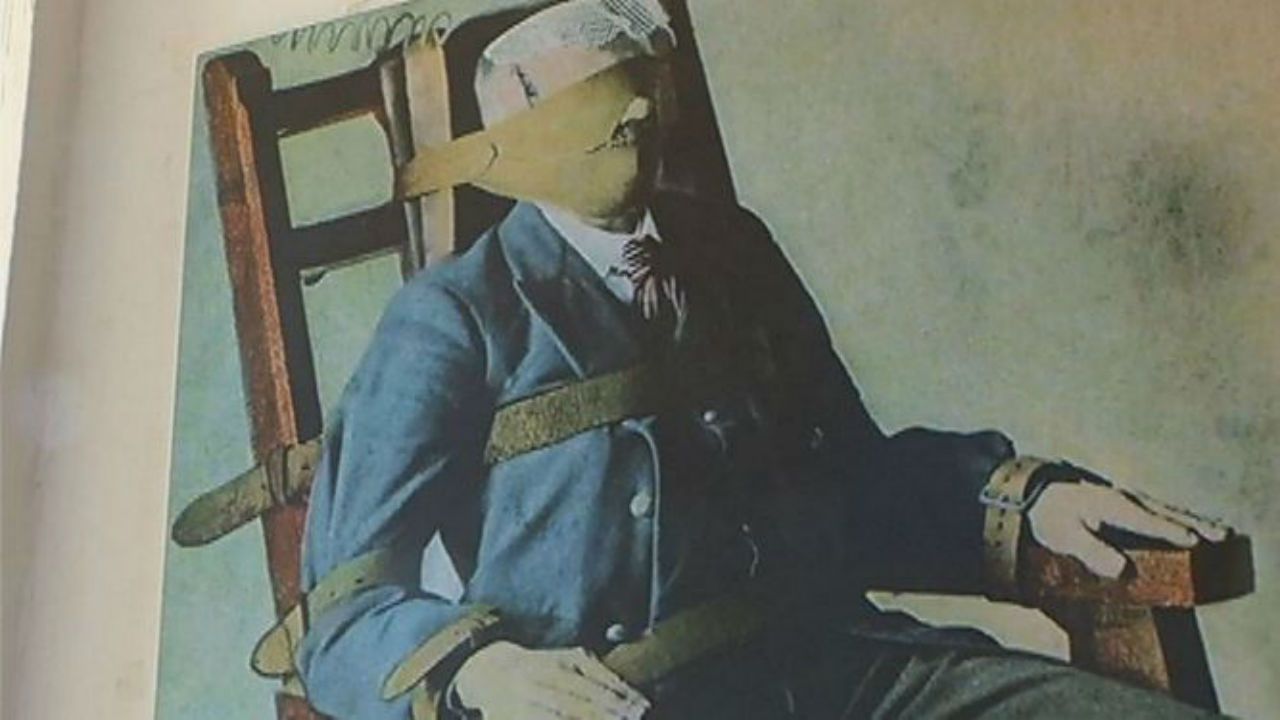
The electric chair is a device designed for capital punishment. It uses a powerful electric current to end the life of a person sentenced to death. The person is strapped into a wooden chair, and electrodes are attached to their body, usually the head and leg. When the switch is thrown, electricity passes through the body, causing death.
This method became popular in the United States in the late 1800s. It was once seen as a more humane alternative to hanging. However, over time, questions about its pain and reliability have led to changes in how and where it is used.
States That Use The Electric Chair Today
Only a few US states keep the electric chair as a legal method of execution. Most have moved to other methods, such as lethal injection. But in some states, the electric chair is still an option, sometimes by law, sometimes by an inmate’s choice.
Here is a current overview:
| State | Status of Electric Chair | Primary Method | Last Known Use |
|---|---|---|---|
| Tennessee | Available (inmate choice or if drugs unavailable) | Lethal injection | 2020 |
| South Carolina | Available (default if drugs unavailable) | Firing squad, lethal injection | 2011 |
| Alabama | Available (inmate choice) | Lethal injection | 2018 |
| Florida | Available (inmate choice) | Lethal injection | 1999 |
| Kentucky | Available (for older convictions) | Lethal injection | 1997 |
| Virginia | Repealed death penalty (formerly available) | , | 2017 |
Key Insight: The electric chair is no longer the main method in any state. It is now used mostly as a backup or by special request.
Credit: www.reddit.com
Why Do Some States Still Allow The Electric Chair?
The answer is a mix of legal, practical, and political reasons. Lethal injection became the main method in the 1980s and 1990s, but not all states fully removed the electric chair from their laws. In recent years, shortages of lethal injection drugs, due to manufacturers refusing to sell them for executions, have forced some states to reconsider old methods.
Example: In Tennessee, inmates can choose the electric chair if they were sentenced before 1999, or if lethal injection drugs are not available. Some inmates have picked the electric chair, believing it is faster than lethal injection.
Pro Tip: Many people think the electric chair is banned everywhere, but several states keep it as a backup method. Always check the latest state laws for changes.
History Of The Electric Chair
Birth Of A New Method
The electric chair was first used in New York in 1890. It was created as a supposedly more humane way to execute people compared to hanging, which sometimes failed or caused suffering.
William Kemmler was the first person executed by electric chair, in a case watched closely by the public and media.
Spread And Decline
After New York, other states quickly adopted the electric chair. By the mid-20th century, it was the main method of execution in much of the United States. Its use started to drop in the 1980s, as lethal injection gained favor for being less visually disturbing and thought to be less painful.
Notable fact: Over 4,300 people were executed by electric chair in the US between 1890 and 2019, according to the Death Penalty Information Center.
Modern Changes
Today, only a few states keep the electric chair available. Many have removed it from their laws, and some, like Virginia, have ended the death penalty entirely.
How The Electric Chair Works
The Execution Process
The process is highly controlled. Here is what usually happens:
- The person is strapped securely to the chair.
- Metal electrodes are attached to the head and leg.
- A wet sponge is placed under the head electrode to help conduct electricity.
- The executioner throws a switch, sending a high-voltage shock through the body.
- The current is usually applied in two cycles, each lasting several seconds.
The goal is to cause rapid unconsciousness and death. However, reports show that sometimes the process is not instant, and complications can occur.
Technical Details
Most electric chairs deliver a current of about 2,000 volts at 7 to 12 amperes. The total time is usually less than a minute, but not every execution is the same.
| Step | Typical Voltage | Duration | Purpose |
|---|---|---|---|
| First shock | 2,000, 2,500 V | 15, 30 sec | Unconsciousness, cardiac arrest |
| Second shock | 500, 1,000 V | 30, 60 sec | Ensures death |
Problems And Controversies
There have been cases where the electric chair caused visible burns, smoke, or fire. Such events raised questions about its humanity. Some witnesses have described the process as painful and gruesome.
Arguments For And Against The Electric Chair
Arguments Supporting Its Use
- Tradition: Some believe the electric chair is part of the justice system’s history.
- Speed: Supporters argue it is faster than some other methods.
- Deterrent Effect: A few argue the dramatic nature of the electric chair can deter crime.
Arguments Opposing Its Use
- Risk of Pain: Medical experts say the electric chair can cause intense pain if not done perfectly.
- Botched Executions: There have been well-documented cases where executions failed or caused suffering.
- Modern Standards: Most developed countries see the electric chair as outdated and inhumane.
Warning: Many professional medical associations do not allow their members to take part in executions, including those using the electric chair. This can make it harder for states to perform executions according to accepted medical standards.
Credit: spectrumlocalnews.com
Legal Challenges And Court Decisions
The electric chair has been challenged in courts many times. Inmates have argued that it violates the Eighth Amendment to the US Constitution, which bans cruel and unusual punishment.
Key Cases:
- In 1999, the Florida Supreme Court ruled that the electric chair was unconstitutional because of repeated problems. The state then made lethal injection its main method.
- In 2008, the Supreme Court of the United States did not directly rule on the electric chair but upheld Kentucky’s lethal injection procedure as constitutional.
Some states, like Tennessee and Alabama, continue to defend the electric chair as legal. However, appeals and legal reviews happen often.
The Electric Chair Compared To Other Execution Methods
Execution methods have changed over time. Here is a comparison of the main types used in the US:
| Method | First Used | Main States | Known Issues |
|---|---|---|---|
| Electric Chair | 1890 | Tennessee, South Carolina, Alabama, Florida, Kentucky (rare) | Burns, pain, botched executions |
| Lethal Injection | 1982 | Most states | Drug shortages, slow death, botched cases |
| Firing Squad | Utah, 1879 | Utah, South Carolina | Blood, trauma, rare use |
| Gas Chamber | 1924 | Arizona, California (not used recently) | Toxic fumes, long death, safety risks |
| Hanging | Colonial period | Almost all (now rare or banned) | Neck not always broken, long deaths |
In my experience researching this topic, the electric chair stands out for its dramatic image, but today, most states have moved away from it.
The Role Of Public Opinion
Public opinion has played a major role in the use of the electric chair. In the early 1900s, it was seen as a modern and humane option. Over time, attitudes have shifted.
Recent polls show most Americans support the death penalty, but fewer support older methods like the electric chair. When graphic stories about botched executions appear in the news, support drops even more.
Activists and human rights groups have pushed for its removal, calling it cruel and unnecessary. On the other hand, some victims’ families and tough-on-crime politicians argue for keeping all options open.
International View And Human Rights
The United States is one of the few developed countries that still uses the death penalty, and the electric chair is almost unknown outside the US.
Groups like Amnesty International and the United Nations have called for an end to all forms of capital punishment, and especially to methods like the electric chair. They argue that it violates basic human rights.
For more background, see the overview at Wikipedia.
The Future Of The Electric Chair
States are divided on the future of the electric chair. Some, like Virginia, have ended the death penalty. Others keep the chair available, mostly as a backup. There are no new electric chairs being built, all in use are old, often dating from the mid-20th century.
Non-obvious insight: If drug shortages for lethal injection continue, states may rely more on the electric chair, firing squad, or other methods. But legal battles and public opinion make it unlikely the electric chair will ever return as the main method.
Another detail: Some inmates choose the electric chair on purpose, thinking it is quicker than lethal injection, which has had many botched cases in recent years.
Frequently Asked Questions
Which State Uses The Electric Chair Most Recently?
Tennessee was the most recent state to use the electric chair, with the last execution in 2020. Alabama also used it in 2018. Other states have not used it for several years.
Can Someone Choose The Electric Chair Instead Of Lethal Injection?
Yes, in some states like Tennessee, Alabama, and Florida, inmates can request the electric chair if they were sentenced before certain dates or under specific circumstances. Not all states allow this choice.
How Does The Electric Chair Compare To The Firing Squad?
Both methods are rare and used only in a few states. The firing squad is available in Utah and South Carolina, but has been used less often. The electric chair is seen as more dramatic, while the firing squad is sometimes considered quicker and less likely to be botched.
What Are The Risks For Prison Staff During Electric Chair Executions?
Prison staff face psychological stress and potential trauma from carrying out executions, especially with methods as graphic as the electric chair. Some staff have reported lasting emotional effects and difficulty finding willing executioners.
Is The Electric Chair Ever Used Outside The United States?
No, the electric chair is a uniquely American method of execution. Other countries that use the death penalty have different methods, such as hanging, firing squad, or lethal injection. The electric chair is not used in Europe, Asia, or Africa today.
The electric chair remains a symbol of America’s complex relationship with capital punishment. While its use is now rare, it sparks debate about justice, pain, and the meaning of humane treatment. As laws and attitudes continue to change, its future is uncertain, but its place in history is secure.
Products related to this article
Sponsored / affiliate links. As an Amazon Associate I earn from qualifying purchases. I may earn additional commission from eligible campaigns.