Has Anyone Ever Survived the Electric Chair? Shocking True Stories
Few methods of execution have sparked as much debate, fear, and curiosity as the electric chair. Since its introduction in the late 19th century, this device has been a symbol of both technological progress and deep controversy. For many, the electric chair represents a final, irreversible punishment. But a question often arises: Has anyone ever survived the electric chair? Stories, rumors, and rare documented events suggest the answer may not be as simple as it seems. This article explores the reality behind these survival claims, the mechanics of the electric chair, cases where executions did not go as planned, and the legal and ethical implications surrounding this form of capital punishment.
The Electric Chair: A Brief History
The electric chair was invented in the United States in the late 1800s, aiming to offer a more humane alternative to hanging. The first execution took place in 1890, with William Kemmler in New York. The chair quickly became the preferred method of execution in several states.
Early executions were often messy. The technology was new, and the process was not fully understood. Problems included burns, delays, and sometimes multiple shocks were needed. Over time, procedures were refined, but the chair remained a subject of controversy due to its visible violence.
By the mid-20th century, lethal injection began to replace the electric chair. Today, only a handful of states still allow its use, and it is rarely chosen.
Electric Chair Vs. Other Execution Methods
Here is a comparison showing the main differences between the electric chair and other common methods:
| Method | First Used | Mechanism | Main Risks | Current Use |
|---|---|---|---|---|
| Electric Chair | 1890 | High voltage electricity | Burns, slow death, equipment failure | Rare, few states |
| Lethal Injection | 1982 | Drugs administered intravenously | Botched injections, slow death | Most common in US |
| Hanging | Pre-1890 | Drop to break neck | Slow strangulation, improper drop | Almost obsolete |
| Firing Squad | Pre-1900 | Rifles fired at chest | Missed shots, slow death | Very rare |
How The Electric Chair Works
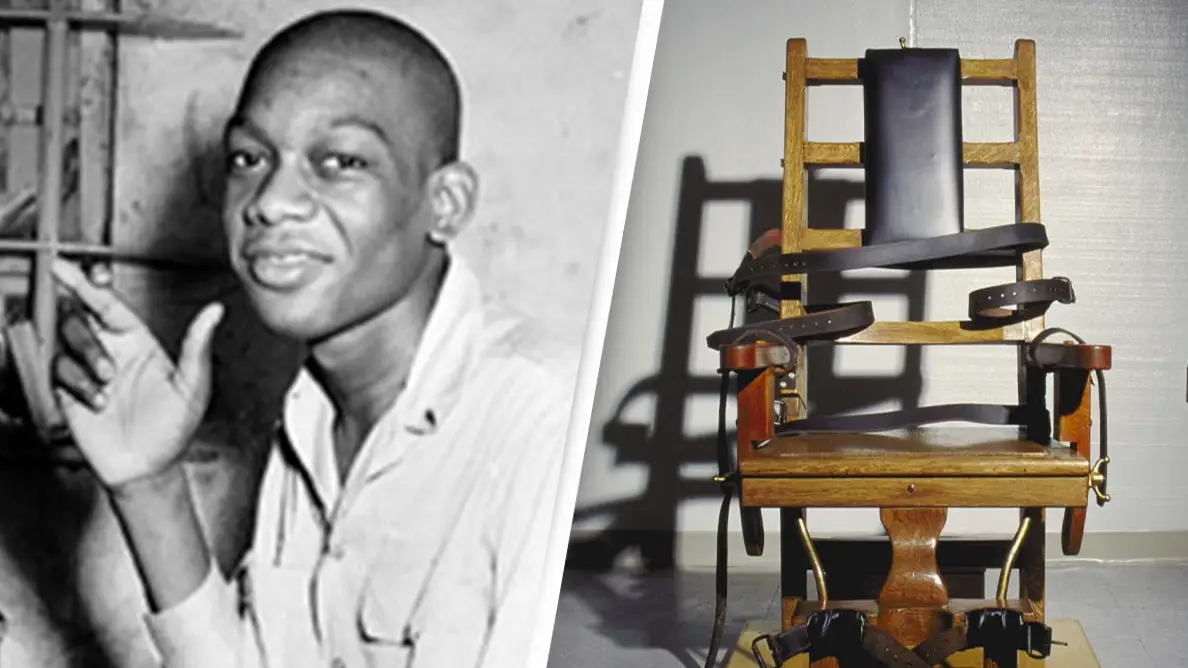
The electric chair is designed to kill quickly by sending a massive electrical current through the body. The condemned person is strapped to the chair, with electrodes attached to their head and leg. The executioner activates the machine, delivering a jolt of electricity, typically 1,500 to 2,000 volts, for several seconds.
The process aims to cause immediate loss of consciousness, followed by damage to the heart, brain, and vital organs. However, real-world results are not always perfect. Sometimes, the first shock does not cause instant death, leading to additional shocks.
Step-by-step Execution Procedure
- Preparation: The person’s head is shaved to ensure good contact. Electrodes are moistened with saline.
- Strapping: The condemned is tightly strapped into the chair.
- First Shock: High voltage is applied for around 20-30 seconds.
- Pause: Operators check for signs of life.
- Second Shock (if needed): If not dead, another shock is applied.
- Pronouncement: Medical staff declares death.
Pro Tip:
Saline is used on electrodes to improve conductivity and reduce burning. If not applied properly, severe burns or failed execution can occur.

Credit: news.sky.com
Documented Cases Of Electric Chair Survivors
It is rare, but there have been cases where people survived the initial shock of the electric chair. Survival does not mean freedom, these individuals were usually subjected to additional shocks until death. However, some lived for several minutes or longer after the first attempt.
Notable Cases
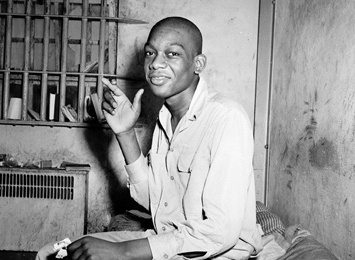
- Willie Francis (1946, Louisiana): The most famous case. Francis was a teenager convicted of murder. The chair malfunctioned, and the first attempt failed. He was removed alive and conscious. Despite appeals, he was executed a year later after the equipment was fixed.
- John Evans (1983, Alabama): Evans’ execution took three shocks, lasting almost 24 minutes. He was alive after the first two shocks, showing signs of consciousness. The experience was gruesome, and he eventually died from the third shock.
- Jesse Tafero (1990, Florida): Tafero’s execution was botched, with flames erupting from his head. He showed movement and signs of life after the first shock. Only after repeated attempts did he die.
- Gerald Bordelon (2010, Louisiana): Bordelon’s execution was not botched, but his case is often cited because he requested the electric chair. The procedure went as planned, showing how rare botched cases have become.
These cases highlight that while the electric chair is designed to kill instantly, equipment failures, poor maintenance, and human error can lead to survival after the first shock.
Survival Vs. Escape
No person has ever been released after surviving the electric chair. Survival refers only to living after the initial shock, not escaping punishment. All documented survivors were eventually executed.
| Name | Year | State | Survived Initial Shock? | Final Outcome |
|---|---|---|---|---|
| Willie Francis | 1946 | Louisiana | Yes | Executed after second attempt |
| John Evans | 1983 | Alabama | Yes | Died after third shock |
| Jesse Tafero | 1990 | Florida | Yes | Died after repeated shocks |
| Gerald Bordelon | 2010 | Louisiana | No | Died on first attempt |
Reasons For Electric Chair Failures
Several factors can cause the electric chair to fail. These failures are rare but often traumatic for everyone involved.
Technical Problems
- Faulty wiring: If the chair’s electrical system is damaged or worn, the current may not flow correctly.
- Bad electrode contact: If electrodes are not attached properly, the electricity may not reach vital organs.
- Improper saline application: Dry electrodes can cause burns but not death.
Human Error
- Inexperienced staff: Operators may not follow procedure exactly.
- Poor maintenance: Older chairs, not regularly checked, can malfunction.
Biological Factors
- Body resistance: Human bodies vary in electrical resistance. Factors like body fat, skin moisture, and health can affect how electricity travels.
- Movement: If the condemned moves suddenly, electrode contact can break.
Example:
Willie Francis’s execution failed because the chair was set up by an untrained prison guard. Wires were crossed, reducing current flow.
Medical Effects Of Electric Chair Shocks
The electric chair is brutal. The effects depend on the voltage, current, and duration of shocks.
Immediate Physical Effects
- Severe burns: Skin and internal tissues are cooked by the electricity.
- Heart failure: The heart usually stops instantly, but not always.
- Brain damage: High voltage can destroy neural tissue, causing unconsciousness or death.
Survival After Shock
If a person survives the first shock, they may experience:
- Severe pain
- Burns and tissue damage
- Irreversible organ failure
- Possible paralysis
Survival does not mean recovery. Most survivors are unable to move or speak and are in extreme distress.
Long-term Effects
No person has survived the electric chair and lived long enough for long-term effects to develop. All survivors of failed attempts were executed shortly after.
Legal And Ethical Implications
The electric chair’s failures have led to legal debates and ethical questions. Many argue it violates the Eighth Amendment of the US Constitution, which bans cruel and unusual punishment.
Court Cases
- Willie Francis’s appeal: Francis’s lawyers argued a second attempt was unconstitutional. The US Supreme Court disagreed, allowing Louisiana to execute him.
- Recent challenges: In states where the chair is still used, lawyers regularly challenge its legality, citing botched executions.
Ethical Concerns
Many medical professionals refuse to participate in electric chair executions. The American Medical Association opposes physician involvement, citing ethical conflicts.
Public opinion has shifted. Most Americans now prefer lethal injection, believing it is less cruel. The electric chair is seen as outdated and unnecessarily violent.
Modern Usage And Alternatives
Today, the electric chair is almost never used. Only a few states, like Tennessee and South Carolina, allow it, and usually only as a backup if lethal injection is unavailable.
Why Do Some Choose The Electric Chair?
Some condemned prisoners request the electric chair. Reasons include:
- Fear of botched injections
- Personal beliefs
- Making a statement
Alternatives
Lethal injection is now standard. Other methods, like the firing squad or gas chamber, are legal in rare cases.
| State | Electric Chair Available? | Other Methods Allowed |
|---|---|---|
| Tennessee | Yes | Lethal injection |
| South Carolina | Yes | Firing squad, lethal injection |
| Alabama | No | Lethal injection |
| Florida | No | Lethal injection |
Psychological Impact Of Surviving The Electric Chair
Surviving an electric chair attempt, even for a few minutes, is traumatic. Witnesses report extreme distress, fear, and confusion.
Effect On The Condemned
- Fear and pain: Survivors suffer immense pain and terror.
- Loss of dignity: The experience is humiliating, especially with burns and visible injury.
Effect On Witnesses And Staff
- Emotional trauma: Guards, doctors, and witnesses often suffer psychological harm after botched executions.
- Public reaction: News reports of failed executions spark public outrage and calls for reform.
In my experience researching this topic, the psychological impact is often ignored in legal debates. Yet it shapes public opinion and policy more than technical details.
Credit: www.findagrave.com
Common Misunderstandings About Electric Chair Survival
Many people believe that surviving the electric chair means freedom. This is false. Survivors are usually re-executed, and legal appeals rarely succeed.
Myths
- Survival equals release: No survivor has ever been freed due to electric chair failure.
- Unbreakable human resistance: Every human has a breaking point. Survival is due to technical error, not superhuman strength.
- Electric chair is painless: Evidence shows the process is often painful and traumatic.
Non-obvious Insights
- Legal appeals after failed attempts rarely succeed. Courts tend to favor carrying out the sentence, even after botched executions.
- Equipment maintenance is often poor in states with infrequent use. Old chairs may be less safe due to lack of regular testing.
What Happens After A Botched Execution?
If an execution fails, procedures vary by state. Usually:
- The condemned is removed from the chair and checked by medical staff.
- Legal authorities decide whether to attempt execution again.
- Appeals may be filed, but rarely delay the process for long.
Some states have specific laws about execution failures. For example, Louisiana allowed a second attempt in Willie Francis’s case.
Credit: www.unilad.com
Global Perspective On Electric Chair Survival
The electric chair is almost exclusive to the United States. Other countries rarely use electricity for execution.
International Views
- Europe: Bans all forms of capital punishment.
- Asia: Uses hanging, firing squad, or lethal injection.
- Africa: Rare executions, mostly by hanging.
Globally, failed executions are seen as a sign of poor justice systems. The US is often criticized for continuing to use the electric chair.
For more information on electric chair history and global context, see Wikipedia.
Frequently Asked Questions
What Happens If Someone Survives The Electric Chair?
If a person survives the first shock, they are typically removed from the chair, checked for signs of life, and prepared for another attempt. Medical staff assess their condition, but state law usually allows the execution to continue. In rare cases, legal appeals are filed, but these seldom stop the process.
Are There Any Cases Where Someone Was Released After Surviving?
No documented cases exist where a person was released after surviving the electric chair. Survival only means living after the initial attempt, not avoiding execution. All known survivors eventually faced another attempt.
Why Do Some States Still Use The Electric Chair?
Some states keep the electric chair as a backup if lethal injection drugs are unavailable or if the condemned requests it. Reasons include tradition, lack of resources, and legal challenges to lethal injection procedures. The chair is rarely used, and most executions are by injection.
How Does The Electric Chair Compare To Lethal Injection In Terms Of Reliability?
Lethal injection is generally seen as more reliable and less visually violent. However, both methods can fail. Electric chair failures are dramatic and traumatic, while injection failures can lead to slow or painful deaths. Equipment maintenance and staff training are critical for both.
Can The Electric Chair Ever Be Considered Humane?
Most experts agree the electric chair is not humane. Its failures, visible violence, and risk of pain and trauma make it controversial. Medical organizations and
Products related to this article
Sponsored / affiliate links. As an Amazon Associate I earn from qualifying purchases. I may earn additional commission from eligible campaigns.