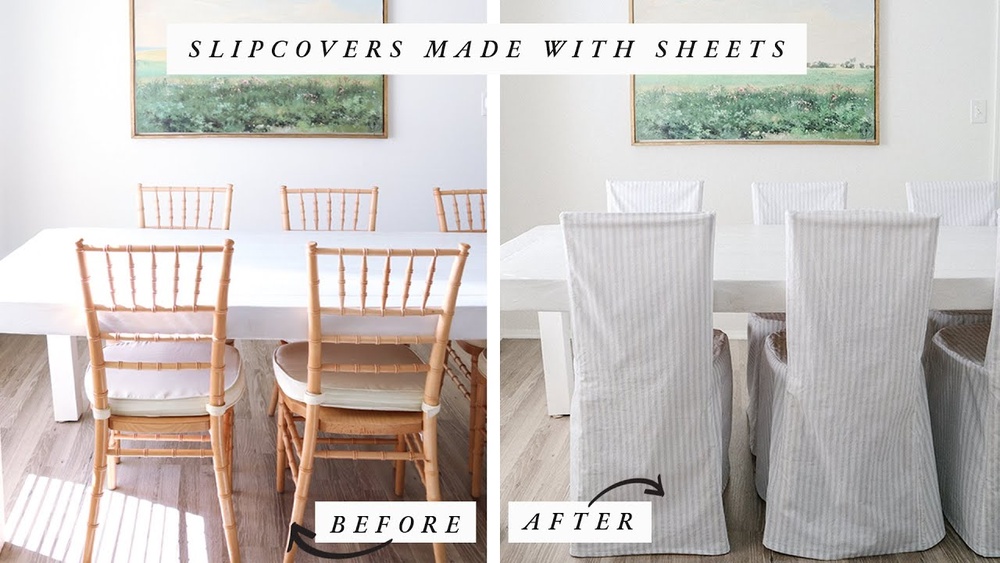
How to Make Slip Covers for Dining Chairs: Easy DIY Guide
If your dining chairs are looking old or don’t match your decor, you don’t need to buy new furniture. Making slip covers for dining chairs is a practical way to refresh your space, protect upholstery, and bring new style to your home. Even if you’re not a skilled sewer, you can create custom covers with a bit of patience and planning. Slip covers are also a smart solution for families, renters, and anyone who loves to change their interior look without spending much.
This guide takes you step-by-step through making slip covers for dining chairs. You’ll learn what materials to use, how to measure correctly, sewing tips, and ways to get a professional finish. I’ll share mistakes to avoid and some non-obvious tricks that beginners often miss.
Whether you want a casual look or something formal, you’ll find clear advice for every stage. Let’s get started on transforming your dining chairs with simple, effective slip covers.
Why Make Slip Covers For Dining Chairs?
Slip covers are more than just decoration. They offer real benefits for your home and furniture.
Protecting Your Chairs
Dining chairs face spills, stains, and wear. Slip covers act as a barrier, keeping your original upholstery safe. This is especially helpful if you have children or pets.
Affordable Room Makeover
Buying new chairs is expensive. Slip covers let you change color, pattern, and style with less money. You can update for different seasons or special occasions.
Easy Cleaning
Most slip covers are machine washable. If they get dirty, just remove and wash them, much easier than cleaning upholstery.
Versatility And Customization
You can make covers for almost any chair shape. Choose fabric that fits your taste, or match it to other textiles in your room.
Sustainability
Instead of throwing away old chairs, slip covers let you reuse and extend their life. This reduces waste and saves resources.
Planning Your Slip Covers
Before you start, proper planning saves time and avoids frustration. Here’s how to set up your project.
Identify Chair Type
There are many dining chair shapes. The most common are:
- Parsons chair: Straight back, no arms
- Traditional wood chair: Curved back, usually with slats
- Armchair: Has arms, wider seat
- Round-back chair: Circular or oval backrest
Each shape needs a slightly different slip cover design. Take note of your chair type.
Decide Cover Style
Do you want a tight, tailored look or a loose, relaxed fit? Some popular styles include:
- Full-length cover: Covers the legs and seat, sometimes with pleats or ties
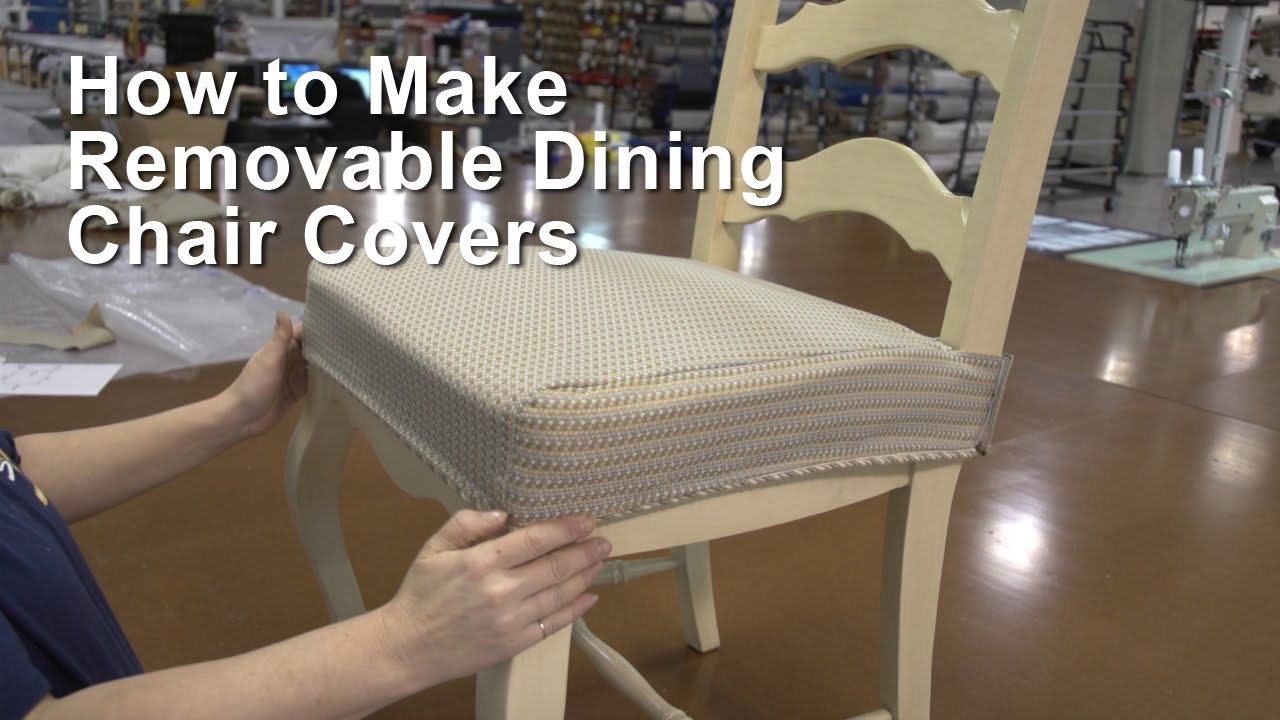
- Seat-only cover: Protects just the seat, easy to remove
- Backrest cover: Adds color or pattern to the back only
Think about your needs, cleaning routine, and aesthetic before choosing.
Check Fabric Options
Fabric choice affects comfort, durability, and appearance. Here’s a comparison of common materials:
| Fabric Type | Pros | Cons |
|---|---|---|
| Cotton | Soft, breathable, easy to wash | Wrinkles easily, may fade |
| Polyester | Durable, wrinkle-resistant, affordable | Less breathable, can pill |
| Linen | Elegant, natural look, cool feel | Wrinkles, more expensive, can shrink |
| Spandex blend | Stretchy, fits snugly, resists stains | May look less formal, limited patterns |
| Velvet | Luxurious, bold color, soft touch | Harder to clean, attracts dust |
Pro Tip: Choose a fabric with a tight weave for durability. Avoid lightweight or sheer fabrics, they won’t last long.
Calculate Fabric Needs
Measure your chairs carefully. For most standard dining chairs, you’ll need about 1. 5 to 2 yards of fabric per chair for a full cover. Always buy a little extra in case of mistakes.
Measuring Your Dining Chairs
Accurate measurement is the foundation for a good slip cover. Take your time and double-check each dimension.
Essential Measurements
You’ll need:
- Seat width: Measure from side to side at the widest point.
- Seat depth: Measure from the front edge to the backrest.
- Backrest height: From the top of the seat up to the highest point of the back.
- Backrest width: At the widest part.
- Chair height: From the floor to the top of the backrest (for full-length covers).
- Arm width and height: If your chair has arms.
Write down all measurements. Add 2 inches to each for seam allowances and hems.
Example: If your seat width is 18 inches, cut your fabric 20 inches wide.
Measuring Tips
- Use a soft tape measure for curves.
- Measure twice, cut once.
- If making covers for several chairs, measure each one. Small differences matter.
Cutting The Fabric
Now that you have your measurements, it’s time to cut the fabric. This step requires precision.
Preparing The Fabric
Wash and iron your fabric before cutting. This prevents shrinkage later and makes cutting easier.
Marking And Cutting
- Lay the fabric flat on a clean surface.
- Use chalk or a fabric marker to outline your measurements.
- Cut straight lines with sharp scissors or a rotary cutter.
- For curved edges, cut slowly to keep the shape.
Pro Tip: If you’re unsure, cut a paper template first and check the fit on your chair. Adjust as needed before cutting the real fabric.
Sewing The Slip Covers
Sewing is the main step. Even beginners can sew slip covers with basic tools and patience.
Tools Needed
- Sewing machine (a basic model is fine)
- Thread matching your fabric
- Pins or clips
- Scissors
- Iron
Optional: Velcro, Ties, Or Zippers For Easy Removal
Basic Sewing Steps
- Pin fabric pieces together, right sides facing in.
- Sew along the edges, leaving a 1-inch seam allowance.
- For corners, sew slowly and turn the fabric as needed.
- Iron each seam flat for a smooth finish.
- Try the cover on your chair. Make adjustments if necessary.
Adding Closures
For a snug fit, add closures:
- Velcro strips: Easy to attach and remove
- Fabric ties: Decorative and adjustable
- Zipper: Professional look, but more complex to sew
Each closure type suits different styles. Velcro is best for tight covers; ties add a relaxed feel.
Finishing Touches
Hem the bottom edge for a clean look. A double fold hem (fold fabric over twice, then sew) prevents fraying.
For special details, add piping or decorative trim. This gives your slip covers a custom, high-end look.
No-sew Slip Covers: Quick Options
If you don’t want to sew, you can make slip covers using fabric and fasteners.
Methods
- Fabric draping: Drape fabric over the chair and tuck tightly. Secure with safety pins underneath.
- Iron-on hem tape: Use tape to seal edges, no sewing needed.
- Elastic bands: Wrap fabric around the seat and secure with elastic.
These methods are fast, but may not last as long as sewn covers. They’re best for temporary changes or parties.

Credit: www.youtube.com
Getting A Professional Look
Even homemade slip covers can look store-bought with a few extra steps.
Matching Patterns
If your fabric has stripes or checks, align them carefully. This makes the cover look neat.
Pro Tip: When I made covers with stripes, I pinned the fabric in place before sewing to ensure the lines matched at the seams.
Reinforcing Stress Points
Chairs experience stress at corners and edges. Reinforce these areas by sewing twice or using extra fabric.
Pressing Seams
Iron every seam for a flat, crisp finish. This small step makes a big difference.
Common Mistakes And How To Avoid Them
Beginners often make these mistakes:
- Skipping seam allowance: Always add extra fabric for seams. Otherwise, covers will be too tight.
- Using stretchy fabric: Unless designed for stretch, this can lead to sagging.
- Not washing fabric first: Fabric can shrink after washing, ruining the fit.
- Over-complicating design: Start simple. Fancy details can be added later.
- Neglecting closures: Without closures, covers may slide off or be hard to remove.
Comparing Slip Covers Vs. Reupholstery
Choosing between slip covers and full reupholstery depends on your needs. Here’s a quick comparison:
| Aspect | Slip Covers | Reupholstery |
|---|---|---|
| Cost | Low | High |
| Skill Required | Beginner-friendly | Advanced |
| Time | Quick (1-2 hours per chair) | Long (several hours per chair) |
| Washability | Easy (remove and wash) | Hard (fixed fabric) |
| Style Changes | Easy to change | Permanent |
| Durability | Medium (depends on fabric) | High |
Slip covers are ideal for quick updates. Reupholstery suits those wanting a permanent change.
Styling Your Dining Room With Slip Covers
Slip covers can transform your dining area. Here’s how to use them for style:
Seasonal Changes
Change covers for different seasons. Use light colors for spring and summer, darker tones for fall and winter.
Mixing Patterns
Mix solid and patterned covers for variety. For example, pair floral covers with plain fabric for a balanced look.
Adding Accessories
Tie ribbons or add buttons for a unique touch. Small details make your slip covers feel special.
Matching Decor
Coordinate covers with tablecloths, curtains, or cushions for a unified look.
Credit: www.medonemedicalgroup.com
Caring For Your Slip Covers
Proper care keeps your covers looking good and lasting longer.
Washing
Most covers can be machine washed. Use gentle cycle and mild detergent. Air dry to prevent shrinking.
Removing Stains
Treat spills quickly. Blot with a clean cloth, then wash. Avoid harsh chemicals, they can damage fabric.
Storage
If you change covers often, store clean covers in a dry, cool place. Fold neatly to avoid wrinkles.
Repairing
If seams come loose, sew them back as soon as possible. Small repairs prevent bigger problems.
Diy Vs. Store-bought Slip Covers
Should you make your own or buy ready-made covers? Here’s a quick comparison:
| Factor | DIY Covers | Store-Bought Covers |
|---|---|---|
| Customization | High | Limited |
| Fit | Perfect (if measured well) | Standard sizes only |
| Cost | Lower | Higher |
| Effort | Requires time and skill | Ready to use |
| Fabric Choices | Unlimited | Limited to stock |
Making your own slip covers gives you full control, but buying is faster. If you need a quick solution, store-bought covers are convenient.
Advanced Tips For Better Slip Covers
If you want your covers to stand out, try these tips:
Double Stitching
Use double stitching on seams for extra strength. This helps covers last longer, especially with frequent use.
Interfacing
Add interfacing inside the cover for a more structured look. This is helpful for thin fabrics.
Hidden Fasteners
Use hidden zippers or Velcro for a clean, seamless appearance.
Pattern Matching
When using bold patterns, match them at seams for a professional finish.
Fabric Protection
Apply fabric protector spray to resist stains and spills. Always test on a small area first.
Frequently Asked Questions
How Can I Make Slip Covers Fit Tightly On Unusual Chair Shapes?
For unique shapes, create a paper or muslin template before cutting your fabric. Pin the template on the chair, mark adjustments, and use it as your pattern. This ensures a snug fit even on curved or irregular chairs.
Can I Use Recycled Materials To Make Slip Covers?
Yes, you can use old sheets, curtains, or even tablecloths. Make sure the fabric is strong enough and clean. Recycled materials add character and help reduce waste.
What’s The Best Way To Keep Slip Covers From Sliding?
Adding elastic bands or grip pads under the cover helps keep it in place. You can also sew straps or use non-slip fabric on the underside for extra security.
Are Slip Covers Safe For Allergy-sensitive People?
Slip covers can help allergy sufferers by trapping dust and allergens on the surface. Wash covers often in hot water to remove allergens. Choose hypoallergenic fabrics if allergies are a concern.
Where Can I Find More Inspiration Or Patterns?
You can find free slip cover patterns and inspiration from sites like Sew Much Ado. They offer tips, downloadable templates, and ideas for customizing your covers.
Making slip covers for dining chairs is a rewarding project. You save money, protect your furniture, and refresh your space with your own creativity. With careful measurements, smart fabric choices, and a few sewing skills, you can achieve a professional look, even as a beginner. Don’t be afraid to experiment with styles and details. The best slip covers reflect your personality and make your dining area feel like home.
Products related to this article
Sponsored / affiliate links. As an Amazon Associate I earn from qualifying purchases. I may earn additional commission from eligible campaigns.