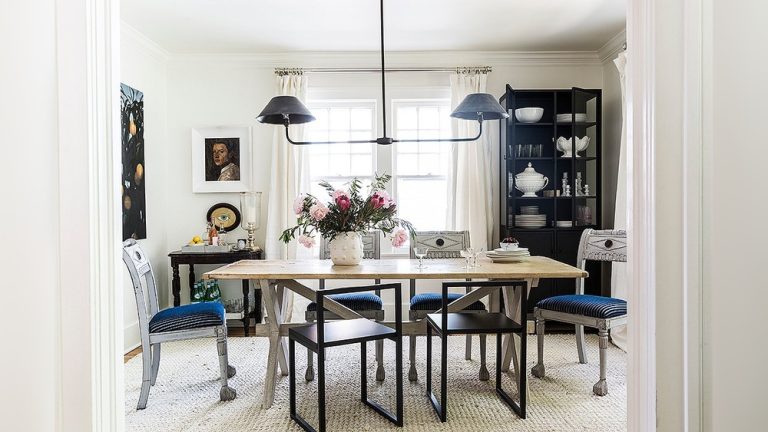
4 Types of Chair Covers for Home Dining Chairs Explained
Chair covers fall into four types: slipcovers that drape loosely, fitted covers sewn to a specific shape, sleeves that wrap just the seat or back, and waterproof protective covers for spills. Pick a loose slipcover for a chair with daily spills and it slides and bunches within a week, while a fitted cover on the wrong shape simply will not go on. This guide covers all four types, the best material for each, and how to measure your chair.
For a related kitchen decision, Chair Yoga vs. Wall Pilates: Benefits For Seniors adds another practical detail to check. For a closely related home or decor topic, 38+ Grey Couch Living Room Ideas gives readers a useful next step.
Why Use Chair Covers? More Than Just a Pretty Face!
Chair covers are like a secret weapon for your home decor. They do a lot more than just make your chairs look different. They can:
- Boost Style: Instantly change the look and feel of a room by matching covers to your theme or season.
- Protect Your Investment: Keep new chairs safe from spills, pet claws, and everyday wear and tear.
- Revive Old Furniture: Cover up stains, rips, or fading on older chairs to give them a brand-new appearance without buying new ones.
- Save Money: They’re much cheaper than buying new chairs or getting them professionally reupholstered.
- Make Events Special: Perfect for parties, holidays, or formal gatherings to create a cohesive, elegant look.
- Easy Cleaning: Most covers are simple to remove and wash, much easier than deep cleaning furniture.

Understanding “Different Chair Covers”: A Style Breakdown
When we talk about “different chair covers,” we’re really talking about how they look, how they fit, and what they’re made from. Let’s dive into the main categories you’ll encounter.
1. Slipcovers: The All-Around Workhorses
Slipcovers are probably the most common type of chair cover. They’re designed to slip over your existing chair, usually covering the entire piece from top to bottom. They’re fantastic for a complete makeover and come in a huge variety of fabrics and styles.
Types of Slipcovers:
- One-Piece Slipcovers: These are the most straightforward, designed to fit snugly over the whole chair. They can give a tailored look if they fit well.
- Two-Piece Slipcovers: These usually have a separate cover for the chair body and another for the cushion. This can offer a cleaner look, especially for dining chairs where the cushion is distinct.
- Stretch Slipcovers: Made from stretchy fabrics like spandex blends, these are super flexible and can fit a wide range of chair shapes, making them really forgiving if you’re not sure about exact measurements.
- Fitted Slipcovers: These are more tailored and often have ties or elastic to secure them for a neater, more custom appearance.
Best For:
- Dining chairs
- Accent chairs
- Armchairs
- Sofas (though we’re focusing on chairs here!)
Materials:
Slipcovers come in almost every fabric imaginable! Common choices include:
- Cotton: Breathable, comfortable, and easy to wash. Can wrinkle.
- Polyester/Blends: Durable, wrinkle-resistant, and often more affordable.
- Linen: Gives a natural, elegant look, but can be pricier and prone to wrinkling.
- Velvet: Luxurious and soft, adding a cozy, upscale feel.
- Spandex/Stretch Fabrics: Excellent for a snug fit and accommodating different shapes.
2. Fitted Chair “Covers” (Non-Slipcover Styles)
Sometimes, people use “chair cover” to refer to pieces that cover just a part of the chair, or are designed differently from a full slipcover. These are often for specific purposes or to add a decorative touch.
Seat Covers:
These only cover the seat cushion of a chair. They’re perfect for dining chairs to protect the cushion and add a pop of color or texture. They often have ties to secure them to the chair legs or frame so they don’t slip off.
Chair Back Covers:
Less common, but these cover just the back of the chair. They are often used in formal settings or for specific decorative effects, sometimes paired with a separate seat cover.
Sashes and Ribbons:
These aren’t technically “covers” but serve a similar decorative purpose. Draped or tied around the back of a chair, they add instant elegance and are very popular for weddings and formal events. They don’t offer protection but are all about aesthetics.
3. Chair “Sleeves” or Wraps
These are essentially fitted slipcovers, often made from stretchy material, that are designed to slip on easily and provide a sleek, modern look. They typically cover the back and legs of the chair, giving it a seamless appearance. You might see these at events or in homes aiming for a very clean, contemporary style.
Best For:
- Banquet chairs
- Slightly more modern or minimalist chair designs
- Formal events where a clean look is desired
Materials:
- Spandex and polyester blends are most common for their stretch and smoothness.
4. Protective Covers (Waterproof/Spill-Proof)
If your main goal is protection – maybe you have pets, young kids, or you’re prone to spills – these are your go-to. They’re made from materials designed to repel liquids and resist stains and damage.
- Waterproof Fabric: Look for covers made from materials like coated polyester, PU leather, or specially treated fabrics that create a barrier against spills.
- Quilted Covers: Often used for sofas and armchairs, these provide a padded layer that offers some protection against spills and pet claws, while also adding a cozy texture.
Best For:
- Homes with pets (dogs, cats)
- Families with young children
- Areas prone to spills
- Protecting valuable or delicate furniture

Best Dining Chair Cover Pick
Easy-Going Waterproof Dining Room Chair Cover Set of 6 – $25.99
A ready-made version of the Protective Covers (Waterproof/Spill-Proof) type this guide describes, sized as a set of 6 for a full dining table.
- Best for: Protecting a full dining set from spills without sewing anything
- Why we picked it: Full waterproof coverage matches the spill-proof category this guide lists as one of the 4 main cover types
- Main drawback: Full coverage runs warmer to sit on than a seat-only cover
Compare more chair cover sets
 Option 1 Smiry Waterproof Seat Covers for Dining Room Chairs – $22.98
|
 Option 2 Genina Waterproof Dining Chair Covers Parsons Slipcover – $19.99
|
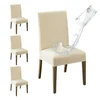 Option 3 MOSAYT Waterproof Dining Room Chair Covers Set of 4 – $19.99
|
As an Amazon Associate we earn from qualifying purchases.
Choosing the Right Material: Feel, Function, and Fashion
The fabric of your chair cover makes a huge difference in how it looks, feels, and performs. Here’s a quick rundown of popular materials:
| Material | Pros | Cons | Best For |
|---|---|---|---|
| Polyester & Blends | Durable, wrinkle-resistant, easy care, affordable. Great for everyday use and high traffic areas. | Can sometimes feel less luxurious than natural fibers, may pill over time with heavy use. | Dining chairs, everyday accent chairs, families with kids/pets. |
| Cotton | Breathable, soft, natural feel. Easy to wash and generally hypoallergenic. | Prone to wrinkling, can shrink if not pre-treated, not as resistant to stains as synthetics. | Casual dining chairs, informal living spaces. |
| Linen | Elegant, natural texture, breathable, sophisticated look. | Wrinkles easily, can be more expensive, may require delicate washing. | Formal dining rooms, modern living spaces, decorative chairs. |
| Velvet | Luxurious, soft, adds warmth and richness, opulent feel. | Can show wear patterns, may require special cleaning, can be warmer in summer months. | Accent chairs, formal living rooms, making a statement. |
| Spandex/Stretch Knit | Excellent fit, very forgiving for different chair shapes, easy to put on and remove, smooth finish. | Can sometimes look less formal, may not offer significant protection against heavy soiling or sharp objects. | Banquet chairs, modern dining chairs, temporary updates, events. |
| Microfiber | Soft, durable, resistant to stains and water, good for pet owners. | Can attract lint and pet hair, might not be as breathable as cotton. | Pet-friendly homes, families with kids, high-use areas. |
How to Measure and Fit Your Chair Covers
Getting the right fit is key to a chair cover looking good and staying in place. It’s like fitting a tire on a car – you need the right size!
For Standard Dining Chairs:
- Seat Width: Measure across the widest part of the seat.
- Seat Depth: Measure from the front edge to where the seat meets the backrest.
- Back Height: Measure from the top of the backrest down to the seat.
- Chair Back Width: Measure across the widest part of the chair back.
For Armchairs or Accent Chairs:
- Overall Height: Measure from the floor (or bottom of the chair base) to the highest point of the backrest.
- Seat Width: Measure across the widest part of the seat.
- Seat Depth: Measure from the front edge of the seat to the back.
- Armrest Width & Depth: Measure your longest armrest.
- Back Width: Measure across the widest part of the chair back.
Pro Tip: Always check the product description for the dimensions the cover is designed to fit. Elasticized or stretch covers are more forgiving, but knowing your measurements helps avoid disappointment. If you’re unsure, look for covers marketed as “universal fit” or “stretch,” designed to accommodate a range of sizes. For more complex chair shapes, sometimes a custom slipcover is the best route, but for most standard furniture, off-the-rack options work wonderfully.
Styling Your Space with Different Chair Covers
Now for the fun part – making your chairs look amazing! Chair covers are a fantastic tool for interior design.
Formal Dining Room Elegance
For a dinner party or a more formal dining setting, opt for luxurious fabrics like damask, brocade, or velvet in rich tones such as deep burgundy, navy, or classic black. A crisp white or ivory cover can also lend an air of sophistication. Look for covers with subtle patterns or elegant textures. Sashes made of satin or organza tied neatly around the back can add an extra touch of class. For ultimate formality, consider tailored slipcovers that fit your chairs like a glove.
Casual & Cozy Kitchen Nooks
In a kitchen or casual dining area, comfort and practicality reign. Cotton or microfiber covers in cheerful patterns, soft plaids, or solid, easy-to-clean colors are perfect. Think of summery florals, rustic checks, or simple, modern geometric prints. These covers should feel inviting and be simple to wash after everyday meals. Elasticized seat covers are a great, easy option here.
Modern & Chic Living Room
For a contemporary living room, clean lines and minimalist styles work best. Sleek, stretch slipcovers in solid colors like grey, beige, charcoal, or even a bold accent color can give your armchairs or accent chairs a fresh, updated look. Smooth fabrics like polyester blends or even faux leather can enhance a modern aesthetic. Ensure the fit is snug and wrinkle-free for the best effect.
Seasonal Updates
Chair covers are an easy way to reflect the seasons.
- Spring/Summer: Think light and airy! Pastels, floral prints, light linens, or cotton blends.
- Fall: Warm, earthy tones like rust, deep orange, brown, and gold. Heavier textures like velvet or quilted fabrics work well.
- Winter: Rich, deep colors like jewel tones or classic neutrals. Cozy fabrics like velvet or plush textures add warmth.
- Holidays: Festive prints, traditional reds and greens, or elegant metallic accents.
Caring for Your Chair Covers
Keeping your chair covers looking great is usually pretty simple. Always check the care label on the cover itself, but here are some general tips:
- Washing: Most polyester, cotton, and microfiber covers can be machine washed on a gentle cycle with cold water. Avoid using bleach unless the care label specifically allows it.
- Drying: Tumble dry on low heat or air dry. Over-drying can cause shrinkage or damage to certain fabrics.
- Ironing: If wrinkled, iron on a low setting. For delicate fabrics like velvet, it might be better to steam them.
- Spot Cleaning: For minor spills, blot the area immediately with a clean, damp cloth. Many protective covers have water-resistant properties that make this very effective.
- Pet Hair: A lint roller or a quick vacuum can help keep pet hair at bay on fabrics like microfiber.
Proper care will extend the life of your chair covers and keep your furniture looking its best.
When to Choose New Chairs vs. Chair Covers
Chair covers are amazing, but they aren’t always the perfect solution. Here’s when you might want to consider new chairs:
- Structural Damage: If the chair frame is broken, wobbly, or the springs are shot, a cover won’t fix the underlying problem.
- Extreme Wear: If the chair is falling apart, ripped in multiple places, or the stuffing is completely ruined, a cover might just be a temporary patch.
- Style Mismatch: If the chair’s shape or style is so outdated or doesn’t fit your current decor vision at all, even a new cover might not totally transform it.
- Specialty Seating: For ergonomic office chairs or highly specialized seating, covers might interfere with their intended function.
However, for most aesthetic updates, minor wear and tear, or protection needs, chair covers are a fantastic, budget-friendly alternative to full replacement!
Frequently Asked Questions About Chair Covers
Q1: Are chair covers hard to put on?
A1: Not at all! Most slipcovers and covers are designed for easy application. Stretch fabrics are particularly user-friendly. Just follow the product’s instructions – typically, you pull it over the chair, tuck in any excess fabric, and secure any ties or elastic bands.
Q2: Will chair covers stay on my chairs?
A2: For most standard chairs, yes! Many covers have elastic hems, ties, or corner straps to keep them snug. For slippery fabrics or chairs with unusual shapes, you might need to use small safety pins or non-slip furniture pads inside the cover to help it grip. Check product reviews for insights on how well specific covers stay put.
Q3: Can I use chair covers outdoors?
A3: It depends on the material. Most indoor chair covers are not designed for outdoor use, as they won’t withstand sun, rain, and mildew. Look for specially designed outdoor chair covers made from UV-resistant, waterproof, or water-repellent materials if you need protection for patio furniture.
Q4: How do I clean chair covers made of velvet?
A4: Velvet can be tricky. Always check the care label. Many velvet chair covers can be machine washed on a gentle cycle with cold water, but air drying is often recommended to prevent shrinkage. Sometimes, professional cleaning or a specialized upholstery cleaner is best. For light dust, a soft brush or upholstery attachment on your vacuum is helpful. For spills, blot gently and immediately.
Q5: Do chair covers fit all types of chairs?
A5: No, not all covers fit all chairs. While “universal fit” covers are designed to be adaptable, they work best on standard chair shapes like dining chairs or simple armchairs. Very ornate, oversized, or uniquely shaped chairs might require custom covers or a different approach.
Q6: Are chair covers a good investment for pet owners?
A6: Absolutely! They are a fantastic way to protect your furniture from pet hair, scratches, and accidental messes. Look for durable, washable materials like microfiber or specially designed pet-proof covers. They save you a lot of cleaning and potential damage.
Conclusion
So there you have it! Choosing the right chair covers is all about understanding your needs and exploring the wonderful variety out there. Whether you’re aiming for a total room transformation, need to protect your furniture from everyday life, or just want to add a festive touch for a special occasion.
Sponsored / affiliate links. As an Amazon Associate I earn from qualifying purchases. I may earn additional commission from eligible campaigns.Products related to this article