How to Choose Dining Room Chairs: Expert Tips for Perfect Style
Choosing the right dining room chairs might seem simple at first. But once you start looking at all the options, the choices can quickly feel overwhelming. Should you go for wood or metal? Cushioned or not? Modern or classic style?

OLIXIS
OLIXIS Dining Chairs Set of 4, PU…
- Multi Purpose: White dining table chairs are simple and beautiful, suitable for family dining table, dining room, guest room, kitc…
- Ergonomic Comfort: Christmas decoration chair with a new generation of thickened high-density sponge cushions, more full. At the s…
- High-quality Materials: This dining chair is made of good epidermal material. With the characteristics of not easy to wear, scratc…
As an Amazon Associate I earn from qualifying purchases.
The chairs you pick will affect not just your comfort, but how your whole dining space looks and feels. I’ve helped many friends and clients make these choices, and I know the small details matter more than most people expect.
In this guide, you’ll get clear, practical advice for picking dining chairs that truly fit your space, needs, and lifestyle.
Understanding Your Dining Space
Before you fall in love with a beautiful chair, take a good look at your dining area. The size, shape, and layout of your room will influence which chairs will work best.
A small room will feel cramped with bulky chairs, while a large space can handle bigger, heavier designs. Measure your dining table and the room itself. Leave at least 36 inches between the edge of your table and the nearest wall or furniture. This gives enough space to pull out chairs and move around comfortably.
Think about the shape of your table too. Round tables pair well with chairs that have rounded backs or softer lines. Long rectangular tables work nicely with straight-backed or more angular chairs. Mixing these shapes can sometimes work, but it’s usually easier to match the lines for a harmonious look.
Lighting is another factor many people miss. If your dining room is bright, you can use darker or heavier chairs without making the space feel closed in. In low-light rooms, lighter colors or chairs with open backs will help keep the space airy.
Setting A Realistic Budget
It’s easy to focus only on style, but budget matters just as much. Dining chairs can range from under $50 each to several hundred dollars for high-end designs.
Set a total budget for all your chairs. Remember, you’ll usually need at least four, and sometimes six or more. Don’t forget about taxes, shipping, or assembly costs if you’re ordering online. Quality chairs are an investment, especially if you use your dining area daily.
Here’s a quick comparison of typical price ranges:
| Chair Type | Average Price (Per Chair) | Features |
|---|---|---|
| Mass-Market | $50, $150 | Simple, quick ship, basic materials |
| Mid-Range | $150, $400 | Better materials, more style options |
| Designer/Custom | $400+ | Premium finishes, unique designs |
Pro Tip: If you’re on a tight budget, look for gently used chairs at local shops or online marketplaces. High-quality secondhand chairs often cost less than new, mass-produced options.
Comfort: The Most Overlooked Factor
It’s easy to be tempted by looks, but comfort should never be sacrificed. A chair that looks stunning but hurts your back isn’t worth it. Think about how you’ll use the dining room. Do you host long dinners or quick family meals? Do children or older adults use the space?
Try out chairs in person if you can. Sit in them for a few minutes, not just a quick test. Notice the seat height (standard is 18, 20 inches), the back support, and the feel of the seat. Upholstered chairs usually feel softer, while wood or metal can be less forgiving.
One detail that surprises many buyers: the depth of the seat. If the seat is too deep, shorter people may find their legs don’t touch the floor comfortably. Too shallow, and it won’t support taller users. Look for a seat depth of around 16, 18 inches for most adults.
Arms or no arms? Chairs with arms (also called host or captain’s chairs) can be more comfortable, but they take up more space and may not fit under every table. Using armchairs at the heads of the table and armless along the sides is a popular choice.
Material Matters: Wood, Metal, Plastic, And More
Materials affect not just style, but how your chairs age, how easy they are to clean, and how much care they need.
Wood is a classic choice. It feels warm and sturdy, and comes in many finishes. Solid wood is usually more durable than veneers or composites. But wood can get scratched or stained and may need occasional care.
Metal chairs are strong and easy to clean. They work well in modern or industrial spaces, and many are stackable for storage. Some metal chairs can feel cold or hard, but adding a cushion helps.
Plastic or acrylic chairs are lightweight, affordable, and come in many colors. They’re great for families with young children, since they’re easy to wipe clean. However, very cheap plastic can crack or look worn over time.
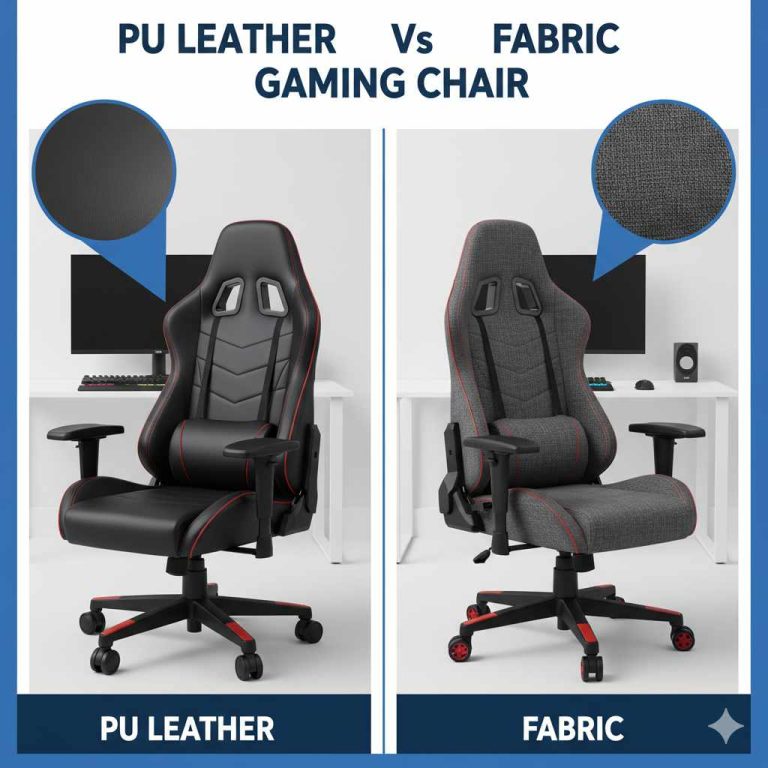
Upholstered chairs offer comfort and style. They’re warmer to the touch and softer for long meals. However, fabric can stain, and light colors show dirt easily. Look for stain-resistant materials or removable covers for easy cleaning.
Here’s a side-by-side comparison:
| Material | Pros | Cons |
|---|---|---|
| Wood | Sturdy, timeless, natural feel | Can scratch, may need care |
| Metal | Durable, easy to clean | Can be cold, less cozy |
| Plastic/Acrylic | Lightweight, colorful, affordable | May look cheap, less durable |
| Upholstered | Comfortable, stylish | Stains, needs cleaning |
Pro Tip: For families with young children or pets, consider chairs with wipeable surfaces or dark fabrics that hide stains.
Choosing The Right Style
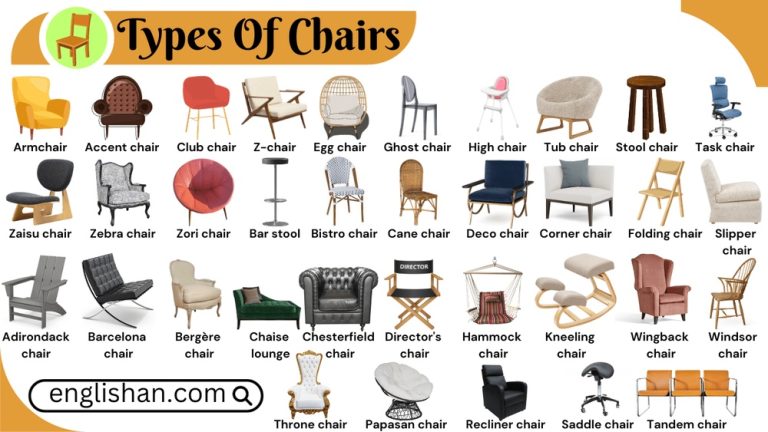
Dining chairs can be a way to show your personality. But it’s easy to get overwhelmed by the choices, mid-century, farmhouse, industrial, traditional, and more.
Match or mix? Matching chair sets create a clean, coordinated look. Mixing different styles, colors, or even materials can make the room more interesting and personal. For example, you might use two bold armchairs at the heads of the table and simpler side chairs along the sides.
If you have an ornate table, go for simpler chairs so they don’t compete. If your table is plain, you can choose chairs with more detail or color.
Consider the lines and shapes in your dining space. For example, curved chairs soften a room with a lot of straight lines. Square or angular chairs add structure to a space with softer elements.
Don’t forget about the finish. Dark wood chairs give a formal, classic feel. Light woods or painted finishes feel more casual or coastal. Metal adds an industrial edge.
In my experience, people often regret choosing very trendy designs. Styles change fast, but classic shapes in neutral colors will look good for years.
Sizing: Getting Proportions Right
The size of your chairs matters more than you might think. Chairs that are too big can make the room feel crowded, while tiny chairs look lost at a large table.
Measure your table’s height, width, and length. The standard dining table height is 28, 30 inches. Chair seats should be 10, 12 inches lower than the tabletop for comfortable seating. For example, if your table is 30 inches high, look for chairs with an 18, 20 inch seat height.
You’ll also want to consider the width of each chair. Most dining chairs are 16, 20 inches wide. Make sure you can fit the right number of chairs without crowding. Leave at least 6 inches between each chair for elbow room.
If your dining room is small, look for chairs with open backs or slim profiles. These take up less visual space and make the room feel larger.
Here’s a helpful chart for reference:
| Table Size (Length) | Seats Comfortable | Chair Width (Ideal) |
|---|---|---|
| 48 inches | 4 | 18, 20 inches |
| 60 inches | 6 | 18, 20 inches |
| 72 inches | 6, 8 | 16, 18 inches |
Pro Tip: If you’re tight on space, consider benches or backless stools for one side of the table, they tuck under when not in use.
Durability And Maintenance
Dining chairs see a lot of use. They need to handle spills, bumps, and daily wear. Think about who will use them and how often.
Solid wood and metal chairs tend to last longer than plastic or very cheap materials. They can often be refinished or repaired if scratched. Upholstered chairs need more care, look for removable, washable covers or stain-resistant fabrics.
Check for sturdy construction. Joints should feel solid, and the chair shouldn’t wobble when you sit. If buying online, read reviews and look for brands with good warranties.
One detail beginners miss: the quality of the chair’s finish. A poor finish will chip or scratch quickly, especially on painted or stained wood. If possible, check a sample in store or order a swatch.
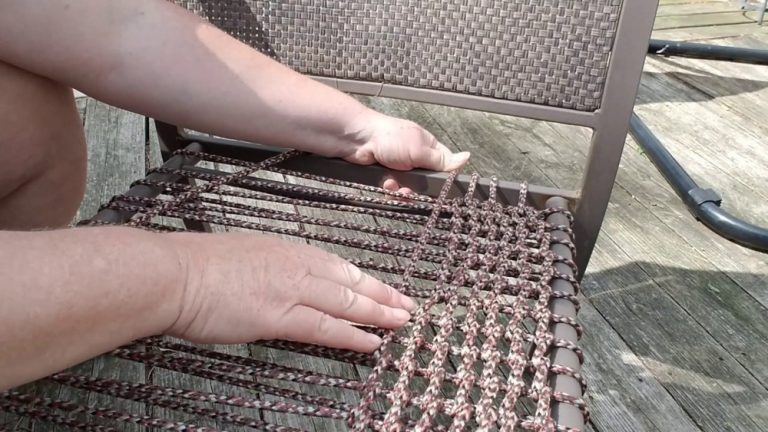
If you have pets, avoid chairs with woven seats or textured fabrics, as claws can catch and damage them.
Considering Ergonomics
Ergonomics means the chair fits your body well and supports good posture. Many people ignore this until they start having back pain or discomfort.
Look for a slight curve in the chair back to fit the natural curve of your spine. The seat should be wide enough to support your hips, and not slope so much that you slide forward.
Seat height matters too. Your feet should rest flat on the floor, and your knees should bend at about a 90-degree angle.
If you spend a lot of time in your dining room, working, reading, or hosting long dinners, invest in chairs with padded seats and supportive backs.
Pro Tip: For older adults or anyone with mobility issues, armrests can make it much easier to stand up and sit down safely.

Credit: www.chairus.com
Color And Finish Choices
The color of your chairs affects the overall mood of your room. Neutral shades like white, gray, or beige are safe and flexible. They work with almost any table and décor.
If you want more personality, add color through your chairs. Bold colors like blue, green, or yellow can brighten up a neutral space. Just be careful, very bright or trendy colors can go out of style quickly.
Mixing finishes is another option. You might have wood chairs with a painted or stained finish, or mix metal and wood for contrast. This works best when there’s at least one common element, like color or shape, to tie everything together.
If you have children or pets, darker colors or patterned fabrics can help hide stains and marks.
Practical Features: Stackability, Weight, And More
Some features make dining chairs more flexible in daily life. If you need to store extra chairs, stackable designs are a big help. These are common in metal or plastic styles.
Consider the chair’s weight, especially if you move chairs often or have children who help set the table. Very heavy chairs can be hard to handle. On the other hand, lightweight chairs may tip easily.
Other features to think about:
- Floor protection: Look for pads or glides on chair legs to prevent scratching.
- Arm height: Make sure armrests fit under your table.
- Assembly: Some chairs require assembly, check how difficult this is before buying.

Credit: www.manhattancomfort.com
Where To Shop
You can buy dining chairs in many places, furniture stores, online retailers, vintage shops, or even custom makers. Each option has pros and cons.
Physical stores let you test chairs for comfort and see materials in person. You’ll pay more for this experience, but mistakes are less likely.
Online shopping gives you the most choice. Check return policies carefully, some stores charge for returns or don’t accept them at all. Read customer reviews, and look for real photos.
Secondhand or vintage shops can offer unique, high-quality chairs for less money. Just check for sturdy joints and any repairs needed.
Custom makers can build exactly what you want, but expect to pay more and wait longer.
For more on furniture buying tips, you can check Architectural Digest.
Sustainability And Eco-friendly Choices
Sustainability is becoming more important for many buyers. If you want to reduce your impact, look for chairs made from certified sustainable wood or recycled materials. Some brands use eco-friendly finishes or local manufacturing to cut down on shipping pollution.
Buying vintage or secondhand is also a green choice, no new resources are used, and you often get better quality for your money.
Pro Tip: Ask about the finish and glue used in your chairs. Some contain chemicals that can off-gas into your home. Look for low-VOC (volatile organic compounds) options if possible.
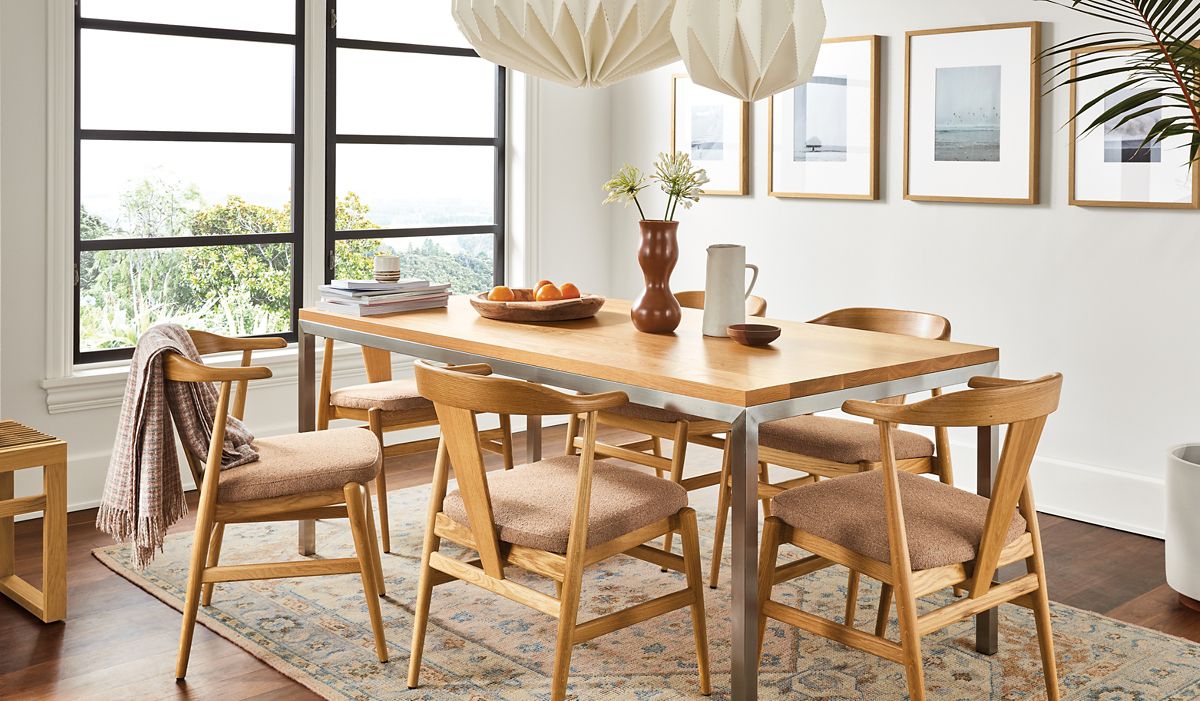
Credit: balkanavto.com
Common Mistakes To Avoid
Based on years of helping people choose dining chairs, here are mistakes I see most often:
- Ignoring comfort: People choose by looks only, then hate sitting in their chairs.
- Buying without measuring: Chairs don’t fit under the table, or too many are squeezed in.
- Choosing trendy over timeless: Chairs look dated quickly, and need replacing sooner.
- Forgetting about cleaning: Upholstered or light-colored chairs stain easily, and some materials are hard to clean.
- Not testing stability: Cheap chairs may wobble, especially after a few months.
Take your time, test options if you can, and think about how you’ll use your dining room every day.
Frequently Asked Questions
How Do I Mix And Match Dining Room Chairs Without It Looking Messy?
Mixing different chairs can add style, but keep one thing consistent, such as color, material, or shape. For example, use different shapes but all in the same color, or mix wood and metal but keep the seat height and size similar.
This keeps the look intentional, not random.
What’s The Best Chair Style For Small Dining Spaces?
Slim, Armless Chairs With
Related pick: Check today's price on Amazon
Products related to this article
Sponsored / affiliate links. As an Amazon Associate I earn from qualifying purchases. I may earn additional commission from eligible campaigns.