Nursing Chair Vs Recliner: Which Is Best for New Parents?
Every new parent faces choices, but some decisions are more personal than others. Picking the right chair for feeding, bonding, and relaxing with your baby is one of them. Two popular options, nursing chair and recliner, often appear similar at first glance. However, their differences can have a big impact on your comfort and daily routine. Whether you’re planning a nursery or looking to upgrade your living room, knowing which chair best fits your needs is worth your attention.
This article breaks down the real differences, advantages, and drawbacks of nursing chairs versus recliners. We’ll look at comfort, safety, design, price, and long-term usefulness. You’ll find data, personal insights, and practical advice to help you choose wisely. If you’re a first-time parent or simply want a better seat for relaxing, you’ll leave knowing exactly what matters, and what does not.
What Is A Nursing Chair?
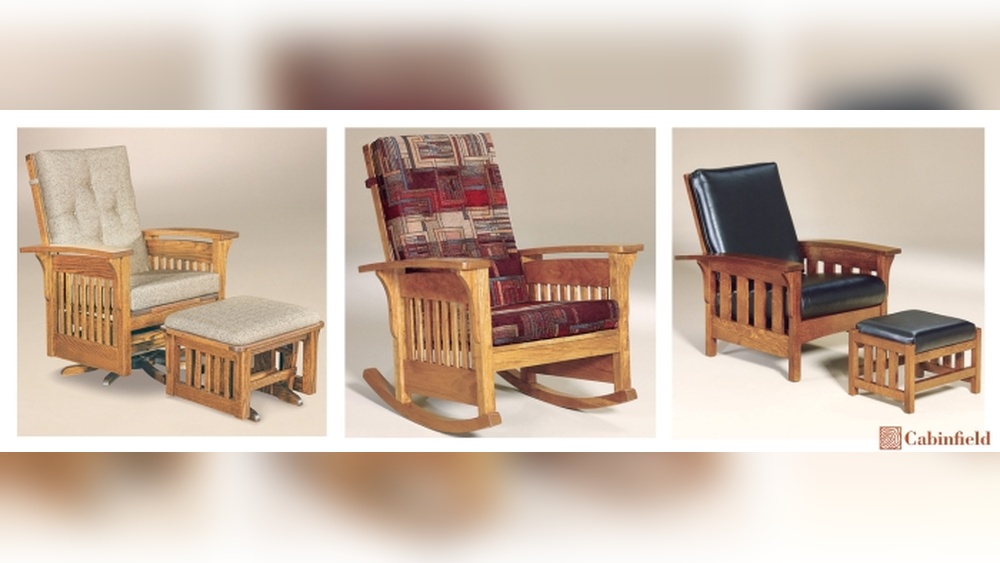
A nursing chair is a seat designed for parents (often mothers) to feed, soothe, and bond with their baby. Traditionally, this meant a simple wooden rocking chair. Today, nursing chairs come in many styles, from classic rockers and gliders to plush upholstered seats with smooth, gentle movement. Most offer a low seat, high back, padded arms, and extra lumbar support. Some also include ottomans for leg comfort.
These chairs are made to help you hold your baby for long periods, especially during late-night feedings. Unlike many standard chairs, they keep your body in a position that reduces back and arm fatigue. They are most popular in nurseries but can fit anywhere you want to feed or cuddle your child.
What Is A Recliner?
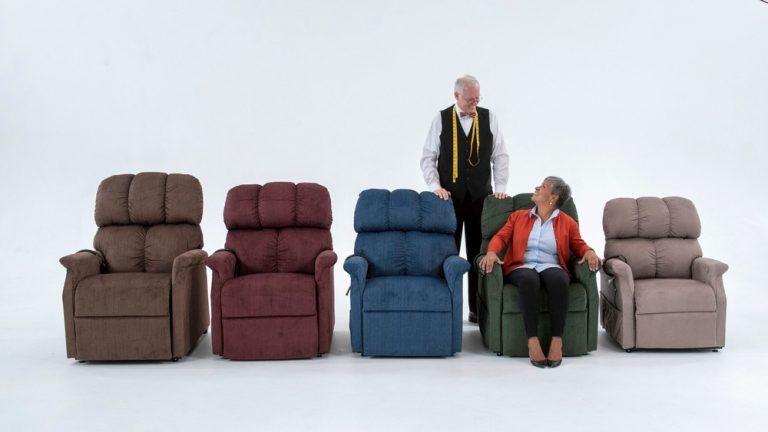
A recliner is a type of armchair that tilts back and extends a footrest. Many use a manual lever or button, while modern models may be powered. Recliners are built for relaxation, offering adjustable positions so you can sit upright, lean back, or even lie nearly flat. They are usually found in living rooms and family spaces, but some parents use them in nurseries as well.
Recliners focus on comfort for everyone, not just parents or babies. They often have thicker cushions, more padding, and broader seats. Some recliners also come with rocking or gliding features, though this is less common than with nursing chairs. They are designed for lounging, napping, and watching TV as much as for feeding or holding a child.
Key Differences Between Nursing Chair And Recliner
Choosing between a nursing chair and a recliner means understanding how they serve different needs. Here’s a side-by-side look at the main differences:
| Feature | Nursing Chair | Recliner |
|---|---|---|
| Primary Purpose | Feeding and soothing babies | General relaxation and lounging |
| Motion | Rocking or gliding (gentle) | Reclining (may also rock or glide) |
| Seat Height | Usually lower for easier reach | Standard or high, varies by model |
| Arm Support | Wide, well-padded, baby-friendly | May be wider but not always designed for nursing |
| Footrest | Often separate ottoman | Built-in, extends with recline |
| Style | Nursery-focused, softer colors | Home theater/living room look |
| Price Range | Moderate to high | Wide range, from low to luxury |
Comfort And Ergonomics
Nursing Chairs: Built For Feeding
Nursing chairs focus on ergonomic support. The seat is lower, so your feet touch the floor easily, important for standing up with a sleeping baby. The arms are designed to help cradle your child, reducing muscle strain. Many chairs include lumbar pillows or extra back padding to relieve pressure during long sessions.
The rocking or gliding motion is gentle and predictable, calming for both parent and baby. This movement can help babies fall asleep faster, and some parents find it soothes their own nerves as well. In my experience, the right nursing chair can make midnight feedings far less stressful.
Recliners: Full-body Relaxation
Recliners offer thick cushions, often with extra layers for the head, neck, and back. The main comfort feature is the reclining mechanism, which lets you shift from sitting to lying down. This is great for relaxing or napping, and some parents like the ability to stretch out with their child.
However, not all recliners are ideal for feeding. Some are too deep or soft, making it hard to get up while holding a baby. Armrests may not be the right height for nursing or bottle-feeding. While some models offer extra lumbar support, others focus more on general comfort than specific parental needs.
Pro Tip: Before buying, test the seat height and armrest position. If your elbows and feet feel awkward, you may get uncomfortable after just a few minutes.
Safety Considerations
Nursing Chairs: Baby-friendly Features
Nursing chairs are built with safety in mind. The rocking or gliding motion is smooth and limited, reducing the risk of pinched fingers or sudden jolts. Many nursing chairs come with locking mechanisms to stop the movement while you stand up, which is especially useful when holding a sleeping child.
Sharp corners and exposed hardware are rare. Upholstery is often easy to clean, since spills and accidents are common in the nursery. Fabrics may be hypoallergenic, and some models meet strict safety standards for nursery furniture.
Recliners: General Home Safety
Most recliners are safe for adults, but they may not be ideal for a baby-focused environment. The reclining mechanism can trap small fingers if not carefully used. Heavier and bulkier, recliners can also be harder to move or position safely in a smaller nursery.
Some recliners with rocking or gliding features add more moving parts, another place for accidents if not used with care. Upholstery is not always stain-resistant, which is a key consideration for new parents.
Example: One parent reported their toddler getting a finger caught in a recliner’s footrest. While accidents are rare, it highlights the need for caution with moving parts.
Design And Aesthetics
Nursing Chairs: Nursery Style
Nursing chairs are designed to look at home in a baby’s room. They often come in neutral colors or gentle pastels. The shapes are softer, with rounded edges and compact frames. Some models feature removable covers or patterns that match common nursery themes.
Smaller footprints make nursing chairs easier to fit into tight spaces. Many include ottomans or matching stools. The overall look is cozy, calming, and intentional.
Recliners: Versatile Looks
Recliners are made for all ages, so their designs cover a wide range. Leather, microfiber, and bold colors are common in living room recliners. Some parents choose a recliner that can move from the nursery to the main living space after the baby grows up.
Larger and heavier, recliners can dominate a small room. However, with so many styles available, you can often find a model that blends with your décor, if you’re willing to search.
Pro Tip: If you want a chair to grow with your home, consider a neutral recliner with a removable slipcover. This way, you can update the look as your child gets older.

Credit: sunsgoods.com
Practicality And Everyday Use
Nursing Chairs: Focused On Parenting
Everything about a nursing chair is designed for frequent feeding and bonding. The gentle motion helps with fussy babies, and the seat shape supports your posture during long sessions. Many chairs are light enough to move around the room.
Easy-to-clean fabrics and stain-resistant finishes are common, making life easier when spills happen. Many nursing chairs also recline slightly, but without the deep angles of a true recliner. This keeps you upright enough to feed safely.
Recliners: Multi-use Comfort
Recliners are built for multiple uses, watching TV, reading, napping, or even gaming. They are great if you want a chair that isn’t just for parenting. Many parents enjoy the option to stretch out and nap with their child.
However, some recliners are heavy and awkward to move, especially in tight nurseries. They may not offer the quick access or upright support needed for frequent feeding. If you expect to use the chair mostly for parenting tasks, these points matter.
Price And Value
Nursing Chairs: Worth The Investment?
Nursing chairs can range from $100 for a basic wooden rocker to over $800 for premium gliders with ottomans. The price depends on the material, brand, and special features. While the cost may seem high for a single-purpose chair, many parents report that a quality nursing chair is worth every penny during the first years.
In my experience, the best value comes from a nursing chair that lasts through multiple children or can double as a reading chair later. Look for models with removable, washable covers and sturdy construction.
Recliners: Wide Price Range
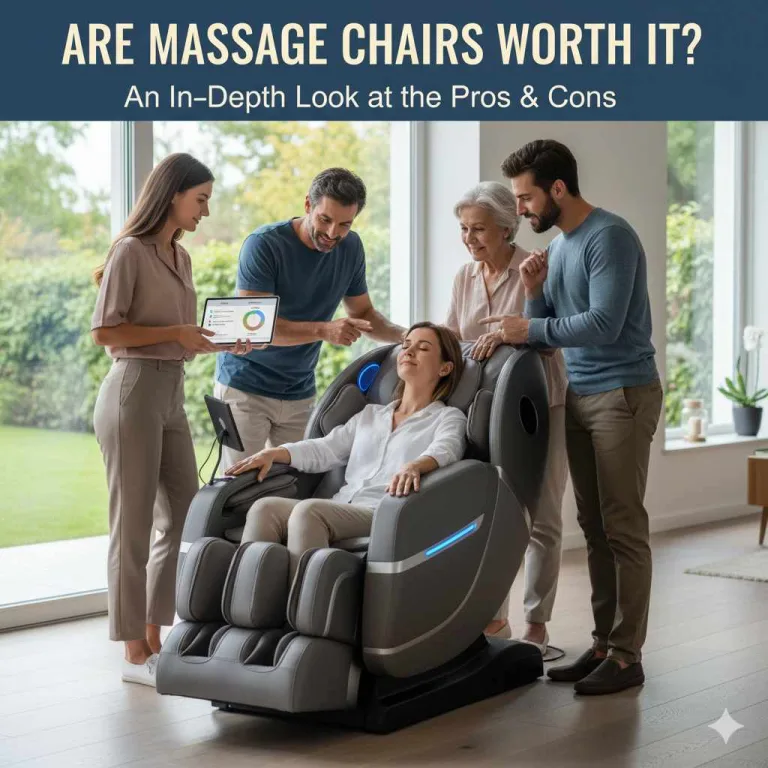
Recliners have a bigger price spread. You can find basic manual recliners for under $200, while luxury power recliners with massage functions can cost over $1,500. The wide range means you can find something for almost any budget.
Because recliners work for more than just parenting, some families see them as a better long-term investment. However, the most affordable models may not have the support needed for nursing or bottle-feeding, so check features carefully.
Pro Tip: Don’t let price alone guide your choice. Consider how much use you’ll get and whether the chair fits your daily routine, not just the nursery phase.
Durability And Maintenance
Nursing Chairs: Built To Last?
Most nursing chairs are made for everyday use, with strong frames and durable fabrics. However, some cheaper models can wear out quickly, especially if the gliding or rocking mechanism is poorly made. Always check for warranty information and read reviews before buying.
Cleaning is easier with machine-washable covers or stain-resistant upholstery. Since babies are messy, this can save time and stress. If you plan to use the chair for more than one child, invest in a model known for lasting quality.
Recliners: Heavy-duty Comfort
Recliners are usually heavy and robust, made to support adults for years. Leather and microfiber hold up well, though leather can show scratches or stains. Mechanical parts may need servicing if the chair has power functions or complex reclining systems.
Some recliners are harder to clean, especially if food or milk spills in the crevices. Removable covers are rare, so spot-cleaning is common. If you want a low-maintenance option, look for a recliner with easy-wipe surfaces.
Pro Tip: Test the chair in person if possible. Cheap mechanisms can feel smooth at first but loosen or squeak after months of use.
Long-term Use And Versatility
Nursing Chairs: From Nursery To Reading Nook
After your child outgrows the nursery, a good nursing chair can become a reading chair, a spot for quiet time, or a guest seat. Some models are stylish enough to move to a living room or bedroom. However, the nursery-focused look may not blend with all décor.
A few brands now offer convertible designs, nursing chairs that transform into standard armchairs with a few adjustments. This is worth considering if you want your investment to last.
Recliners: Always Useful
Recliners rarely look out of place in any room. After the nursery years, they can move to a home theater, study, or main living space. Their size and features make them a good fit for family life, long after your child is grown.
The downside: Some large recliners may be too big for a small nursery and may not offer the upright support needed for feeding. But for general relaxation, they are hard to beat.
Features To Consider Before Buying
When comparing nursing chairs and recliners, keep these features in mind:
- Seat Height: Can you stand up easily while holding your baby?
- Arm Support: Are the armrests the right height for feeding?
- Motion: Do you prefer rocking, gliding, reclining, or a mix?
- Fabric: Is it easy to clean and comfortable against your skin?
- Size: Will the chair fit in your nursery or living space?
- Safety Locks: Are there locks to stop movement when needed?
- Warranty: Does the chair come with a good warranty?
- Style: Will you want to use the chair after the nursery years?
- Assembly: Is the chair easy to put together or move?
- Price: Does the chair fit your budget and offer good value?
Real-world Experiences
Many parents share stories about their favorite chairs. Some say a glider helped soothe their baby to sleep every night. Others found that a big recliner was perfect for late-night feedings and daytime naps.
I’ve tried both. The nursing chair made feedings easier, especially when my baby was small and needed support. The recliner felt better for naps and long cuddle sessions as my child grew. If I had to choose one, I’d pick the chair that matched my daily needs, not just the trend.
Example: One friend regretted buying a plush recliner that was too deep, making it hard to stand up with her newborn. She switched to a firmer nursing chair and noticed less back pain.
Environmental Impact
Nursing Chairs: Smaller Footprint
Nursing chairs are often made with fewer materials and are lighter, leading to a smaller environmental impact during production and shipping. Some eco-friendly brands use sustainable wood or organic fabrics. If environmental concerns matter to you, research the materials and certifications before buying.
Recliners: More Material, More Impact
Recliners use more metal, foam, and fabric, especially the larger models. Power recliners use electricity and may have more complex parts that are harder to recycle. Some brands now offer eco-friendly recliners, but these are less common.
For both chair types, buying a well-made model that lasts longer is the best way to reduce waste.
Comparing Popular Models
To help clarify, here’s a comparison of typical features in popular nursing chairs and recliners:
| Model | Type | Motion | Fabric | Best For |
|---|---|---|---|---|
| Storkcraft Premium Hoop Glider | Nursing Chair | Glide |
Products related to this article
Sponsored / affiliate links. As an Amazon Associate I earn from qualifying purchases. I may earn additional commission from eligible campaigns.