Why Are Chairs So Expensive? Genius Savings!
Chairs can seem surprisingly pricey, but smart shopping and understanding what drives cost reveals easy ways to save big without sacrificing style or comfort. Explore cost factors and discover budget-friendly solutions to furnish your space affordably.
Ever looked around your home and thought, “Wow, a decent chair can really set you back!”? You’re not alone. It’s a common question many of us ask when furniture shopping. It feels like a simple item, right? Just legs and a seat! But then the price tags start adding up, and suddenly that comfy armchair or sleek dining chair feels like a luxury item. It can be frustrating, especially when you’re trying to furnish a whole room or replace worn-out pieces. But don’t worry, we’re going to break down exactly why chairs can be so expensive and, more importantly, I’ll show you some genius ways to save money. Get ready to find stylish, comfortable chairs that fit your budget!
Unpacking the Price Tag: What Makes Chairs Costly?
It’s easy to assume a chair is just wood and fabric, but a lot more goes into its final price. Think of it like a car – a basic model gets you from A to B, but add premium features, advanced engineering, and luxury finishes, and the cost climbs. Chairs are no different. The materials used, how they’re made, the brand name, and even where you buy them all play a big role. Understanding these factors is the first step to finding smart savings.
1. Materials Matter: From Wood to Velvet
The stuff chairs are made of has a huge impact on their price. Cheaper chairs often use particleboard or lower-grade plastics, designed to get the job done but maybe not last for decades. Higher-end chairs might use solid hardwoods like oak or walnut, which are more durable and look richer. The type of fabric or upholstery also makes a difference:
- Solid Wood: Strong, durable, and can be beautifully finished. Different types of wood have different costs. For example, oak is generally more expensive than pine.
- Metal: Steel and aluminum are common. The gauge of the metal and any finishes (like powder coating or chrome plating) affect the price.
- Plastic: Can be very affordable, especially molded plastics. However, the quality and design can vary greatly.
- Upholstery Fabrics:
- Synthetics: Polyester, nylon, and acrylic blends are often more budget-friendly and durable.
- Natural Fibers: Cotton, linen, and wool can be more expensive, especially if they are high quality or specially treated.
- Leather: Genuine leather, especially top-grain, is a premium material and significantly increases the cost. Faux leather is a more affordable alternative but quality varies.
- Foam/Cushioning: The density and type of foam used in the seat and back affect comfort and lifespan, and thus, price. High-resiliency foam costs more than basic polyurethane foam.
2. Craftsmanship and Construction: How It’s Built
Just like how a well-engineered car handles better, how a chair is constructed affects its longevity and comfort. A chair that’s glued and stapled might look okay at first, but one that’s screwed, doweled, and reinforced with corner blocks will last much longer. The details matter:
- Joinery: Mortise and tenon joints, dovetail joints (less common in chairs but indicate high quality), or robust screw and glue methods are more durable than simple staples or snap fittings.
- Frame Integrity: A solid wood or steel frame will be more stable and resilient than one made from particleboard or thin plastic.
- Ergonomics: Chairs designed for comfort and proper posture often involve more complex design and engineering, which adds to the cost. This is especially true for office chairs and recliners.
- Hand-Finishing: For wooden chairs, hand-sanding, staining, and sealing take more time and skill than automated processes, increasing the price.
3. Brand Reputation and Design: The Name Game
Think about designer clothes or car brands. A premium name often comes with a premium price tag, and furniture is no different. Designers charge for their name and the perceived quality or style that comes with it. Sometimes, you’re paying for the brand’s marketing, showroom costs, and reputation as much as the materials and build.
- Designer Labels: Iconic furniture pieces or designs by well-known interior designers can command very high prices.
- Reputable Manufacturers: Brands known for quality and durability often charge more because their products are expected to last longer and perform well.
- Trendiness: Highly fashionable or trendy chair designs might have a higher initial cost, especially when they are first introduced.
4. Assembly Required vs. Fully Assembled
When you buy furniture flat-packed, you’re essentially taking on some of the labor costs yourself by assembling it. This often makes the upfront price lower than a chair that arrives fully built. Companies save on shipping costs for flat-packed furniture, and they pass some of those savings onto you. However, be sure to consider the time and potential frustration of assembly!
5. Where You Buy It: Retail vs. Online vs. Direct
The sales channel influences the price. Big furniture stores have overhead costs like large showrooms, sales staff, and extensive warehousing, which are factored into prices. Online retailers might have lower overhead, but shipping large items can be costly. Buying directly from a manufacturer or through a local craftsman can sometimes offer better value, but it depends on their business model.

Genius Savings Strategies: Your Guide to Affordable Chairs
Now that we know why chairs can be pricey, let’s get to the fun part: how to get great chairs without breaking the bank! I’ve learned a few tricks over the years that can make a big difference. It’s all about being smart, a little patient, and knowing where to look.
1. Shop Smart: Timing and Tactics
Just like with car sales, furniture has its own sales cycles. Timing your purchases can lead to significant savings.
- Holiday Sales: Retailers often have big sales events around major holidays like Presidents’ Day, Memorial Day, Fourth of July, Labor Day, Black Friday, and Cyber Monday.
- End-of-Season: Stores might clear out older inventory to make room for new collections. This is especially true for seasonal outdoor furniture but can apply indoors too.
- Clearance Sections: Always check the in-store or online clearance and outlet sections. You can find great deals on floor models, slightly damaged items, or discontinued styles.
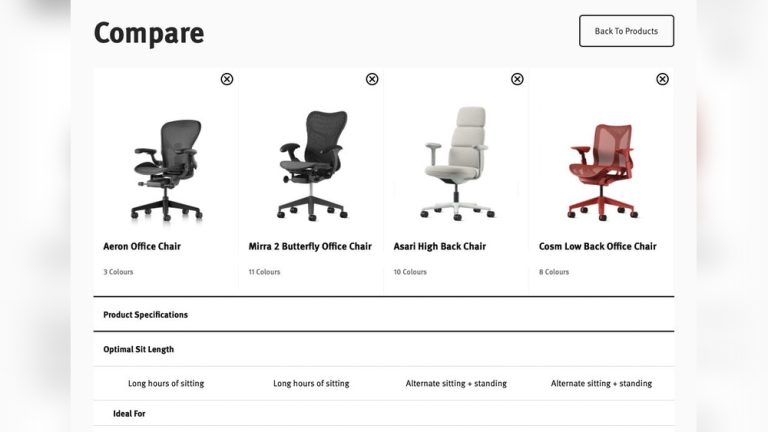
- Compare Prices: Use online comparison tools or visit multiple stores before making a decision. A quick search can reveal significant price differences for the same or similar items.
2. Embrace Pre-Owned: The Magic of Secondhand
Don’t underestimate the power of used furniture! Many gently used chairs are incredibly high quality and are sold for a fraction of their original price. It’s a fantastic way to get a designer piece or a well-built chair on a budget.
- Online Marketplaces: Websites like Facebook Marketplace, Craigslist, OfferUp, and eBay are treasure troves for used furniture. Be prepared to scroll and act fast!
- Thrift Stores and Charity Shops: You never know what you’ll find! Big donation centers often have furniture departments.
- Estate Sales: These sales are great for finding vintage and often high-quality pieces, sometimes with a lot of chairs from a single home.
- Consignment Shops: These specialize in selling used goods for a commission. You can often find nicer, curated pieces here.
Pro Tip: When buying used, inspect carefully for structural integrity, stains, tears, and pests. A little wear might be acceptable, but significant damage can be costly to repair. Always consider safety and cleanliness.
3. DIY & Refurbishment: A Little Effort Goes a Long Way
Are you handy? Or know someone who is? Giving an old chair new life can save you a bundle and result in a custom piece you absolutely love.
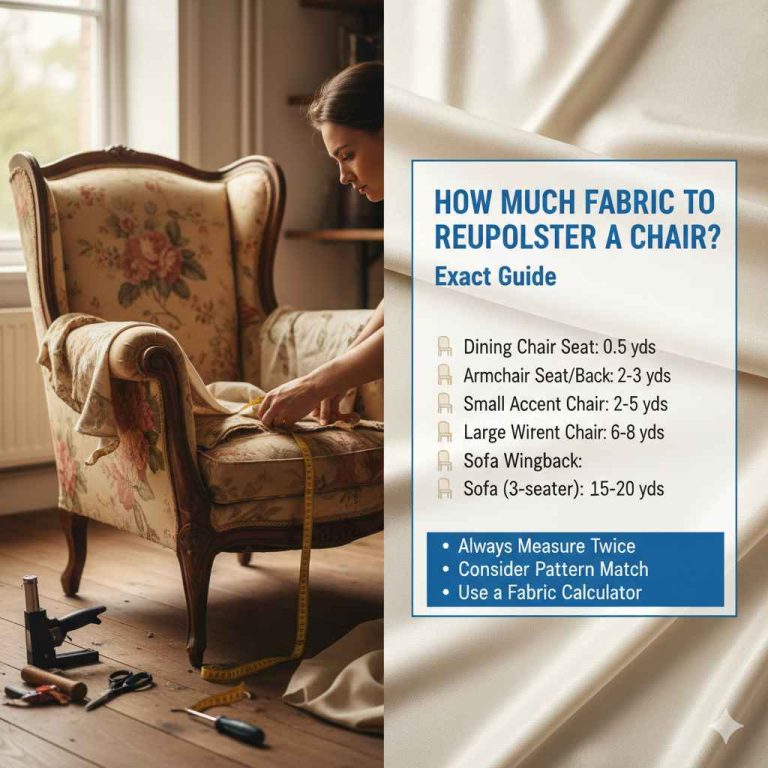
- Reupholstering: A worn or dated fabric doesn’t mean a bad chair. Learning basic reupholstery can transform a piece. Kits and tutorials are readily available online. For example, a sturdy wooden chair with faded upholstery can look brand new after a few yards of fresh fabric and some effort. Resources like Online Fabric Store’s Upholstery Blog offer great beginner guides.
- Painting or Staining: A fresh coat of paint or stain can dramatically update a wooden chair’s appearance.
- Replacing Hardware: Sometimes, new cushions or even just new decorative nailheads can make an old chair feel completely refreshed.
This approach is also incredibly eco-friendly, giving a new purpose to an item that might otherwise end up in a landfill.
4. Focus on Value, Not Just Price: Long-Term Savings
It might be tempting to grab the absolute cheapest chair you see, but sometimes spending a little more upfront can save you money in the long run.
- Durability: Invest in chairs with solid wood frames or strong metal construction that are built to withstand daily use. A chair that lasts 10 years is better value than one that needs replacing every 2 years.
- Comfort: A comfortable chair can improve your quality of life, especially if it’s for an office or a regular sitting area. Investing in good ergonomics can prevent discomfort and potential health issues.
- Timeless Design: Avoid overly trendy designs that will feel dated quickly. A classic style will remain stylish for years to come, meaning you won’t feel the need to replace it as often.
5. Consider Materials Wisely
When buying new, be strategic about materials:
- Solid Wood vs. Veneer/MDF: Solid wood chairs are pricier but more durable. If budget is tight, look for chairs where the visible parts are solid wood, and less visible parts might be high-quality veneer or MDF.
- Performance Fabrics: For high-traffic areas or homes with pets and kids, look for chairs upholstered in durable, stain-resistant “performance fabrics.” They might cost a bit more than basic polyester but will wear better.
- Faux Leather: High-quality faux leather can be a very convincing and much more affordable substitute for genuine leather.
6. Look Beyond Furniture Stores
Sometimes, the best deals are found in unexpected places.
-
Restaurant Supply Stores: These places often sell highly durable chairs designed for commercial use. While they might have a more industrial look, they can be incredibly sturdy and sometimes surprisingly affordable. They are built to last through heavy use.
-
Warehouse Clubs (e.g., Costco, Sam’s Club): These often offer good value furniture, especially if you can see it in person and judge the quality.
-
Direct from Manufacturer/Online Outlets: Some manufacturers sell directly to consumers or have outlet divisions online, cutting out the retail markup. Companies like IKEA are famous for offering stylish furniture at lower price points due to efficient manufacturing and flat-pack designs, though quality can vary.

Understanding Different Chair Types and Their Costs
Different styles of chairs serve different purposes and are built with different considerations, which also affects their price. Here’s a quick look:
| Chair Type | Typical Cost Factors | Potential Savings Tips |
|---|---|---|
| Dining Chairs | Set of 4 or 6 often better value. Material (wood, metal, upholstered), construction (sturdy frame for daily use). | Buy sets, look for sales around holidays, consider durable wood or metal over elaborate upholstery. |
| Office Chairs | Ergonomics, adjustability (lumbar support, armrests, height), material (mesh, fabric, leather), warranty. | Invest in a good quality used ergonomic chair, look for sales on reputable brands, prioritize essential features. |
| Accent Chairs | Design, upholstery fabric, frame material, brand name. Often more about style. | Check clearance, buy pre-owned designer pieces, DIY reupholstery with unique fabric. |
| Recliners | Mechanism (manual vs. power), material (fabric, leather), features (heat, massage, USB ports), frame construction. | Look for off-season sales, consider manual recliners for simplicity and lower cost, inspect mechanism thoroughly. |
| Armchairs/Lounge Chairs | Comfort, cushioning, frame durability, fabric choices (sturdy vs. delicate). | Focus on frame quality in used options, search for sales on comfortable but simple designs. |
FAQ: Your Top Chair-Saving Questions Answered
Q1: Are expensive chairs always better quality?
A1: Not necessarily. While premium price often correlates with better materials and construction, you can also pay a lot for brand name or design trends. It’s crucial to assess the build quality and materials yourself, regardless of cost.
Q2: How can I tell if a used chair is structurally sound?
A2: Sit in it! Wiggle the legs and arms. If there’s a lot of creaking, wobbling, or looseness, it might have structural issues. Check for cracks in the wood or rust on metal parts. Push down on the seat to feel how firm the base is.
Q3: Is DIY reupholstering difficult for beginners?
A3: Basic reupholstering on simple chairs – like a dining chair seat or a small stool – can be quite manageable for beginners. It involves learning to staple fabric securely. More complex chairs with padded arms or tufting are more challenging, but there are many excellent online tutorials and kits to guide you.
Q4: When is the best time of year to buy furniture?
A4: Major holiday weekends are usually the best times, including Presidents’ Day (February), Memorial Day (May), Fourth of July (July), Labor Day (September), and the big shopping events like Black Friday (November) and Cyber Monday (November). Year-end clearances can also be good.
Q5: What are “performance fabrics” and are they worth the extra cost?
A5: Performance fabrics are designed to be highly durable, stain-resistant, fade-resistant, and easy to clean. Brands like Sunbrella, Crypton, and Revolution fabrics are examples. If you have kids, pets, or live in a sunny environment, they are often well worth the investment to keep your furniture looking good for longer.
Q6: Should I buy chairs online or in a store?
A6: Buying in-store lets you see and feel the chair’s quality, comfort, and true color. However, online shopping can offer wider selection and competitive pricing, with many retailers offering generous return policies. For significant purchases, visiting a showroom first before ordering online can be a good compromise.
Conclusion: Your Savvy Seat Strategy
So, there you have it! Chairs can indeed be pricey, but understanding the “whys” behind the cost empowers you to make smarter choices. From the raw materials and intricate construction to the allure of brand names and showroom overheads, many factors contribute to that ticket price. But with the strategies we’ve covered – savvy timing on sales, embracing the incredible value of secondhand finds, and even a little DIY spirit – you can absolutely furnish your home with stylish, comfortable, and durable chairs without emptying your wallet.
Remember, it’s not about settling for less; it’s about being resourceful and informed. Whether you find a gem at an estate sale, snag a floor model during a holiday clearance, or reupholster a forgotten beauty, the goal is to get seating that serves you well and fits your budget. Keep these tips in mind, stay patient, and you’ll be well on your way to creating a beautifully furnished space that you love, all while keeping your bank account happy. Happy chair hunting!
Products related to this article
Sponsored / affiliate links. As an Amazon Associate I earn from qualifying purchases. I may earn additional commission from eligible campaigns.