Different Sitting Positions on Chair: Boost Comfort and Posture
Sitting is something nearly everyone does, at work, at home, in school. But have you ever thought about how you sit? Your sitting position on a chair can affect your comfort, focus, and long-term health. Many people don’t realize the impact of different sitting postures until they start feeling back pain, stiffness, or even fatigue after long hours at a desk. Some positions are better for your body; others can lead to problems if used too often.
This guide will walk you through the most common sitting positions people use on chairs, explain their effects, and give you advice on how to choose the best position for your needs. Whether you work at a computer, read for long hours, or just want to avoid aches and pains, understanding these positions can help you improve your daily life.
You’ll also find data, examples, and practical tips that go beyond what most people notice. Let’s explore how the way you sit can make a real difference.
Why Sitting Position Matters
Most people spend about 6 to 8 hours sitting each day, according to the Centers for Disease Control and Prevention (CDC). Over time, poor sitting positions can lead to back pain, neck strain, and even reduced energy. The muscles, joints, and spine are all affected by how you sit. A bad habit repeated every day can turn into a chronic problem.
Ergonomics is the science of designing things for human use. Good ergonomic posture supports your natural body curves and keeps your joints in healthy alignment. Poor posture, on the other hand, can compress nerves, reduce blood flow, and put extra stress on your back. This is why experts often recommend adjusting your chair and desk for your body, not the other way around.
Pro Tip: Even the best chair can’t fix everything. Regularly changing your position and taking breaks is just as important as how you sit.
The Most Common Sitting Positions On A Chair
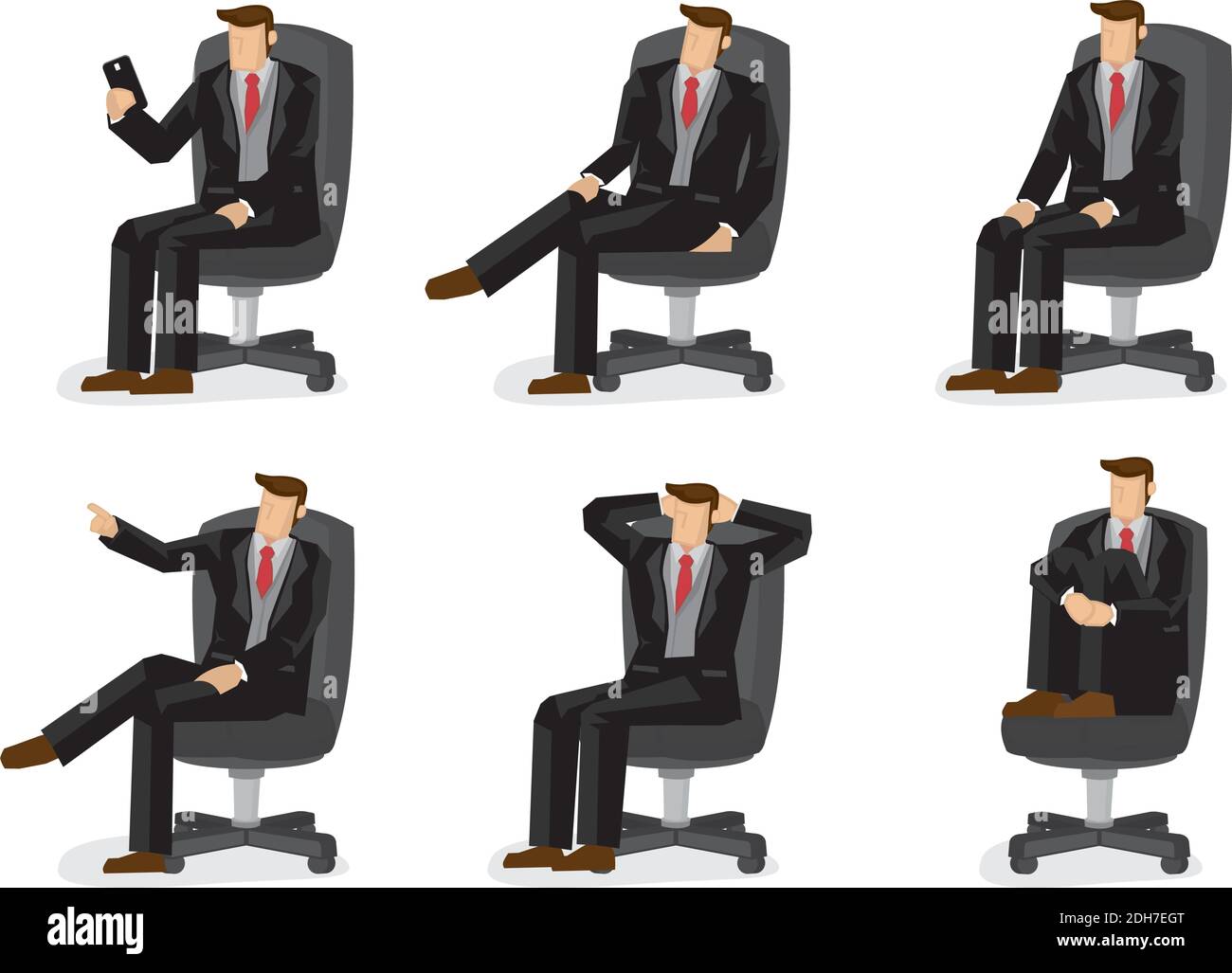
People use many different ways to sit. Each has unique effects on your comfort and health. Here are the main positions you’ll see in offices, homes, and public places.
1. Upright Sitting
The upright position is what most ergonomic guides recommend. You sit with your back straight, shoulders relaxed, and feet flat on the floor. Your knees are at about a 90-degree angle, and your hips are level with or slightly above your knees. The lower back should touch the chair for support.
This position helps your spine stay in its natural S-curve. It keeps pressure off your discs and muscles. It also allows you to breathe more deeply, which can help with focus and alertness. However, holding a perfect upright position for hours can make you tired.
It’s best to combine this with regular movement.
2. Slouching (c-shaped Spine)
Many people slide forward and relax into a slouched posture, letting their back curve into a “C” shape. This is common when you’re tired or working on a laptop that’s too low.
Slouching feels comfortable at first but can cause problems over time. The C-shaped curve increases pressure on the lower back and discs. Muscles in your neck and shoulders have to work harder to hold your head up. People who slouch often report more back pain and fatigue.
Example: When I tested different sitting positions for a week, I noticed that slouching made it harder to focus by the end of the day. My lower back felt sore, even if I didn’t notice the discomfort right away.
3. Leaning Forward
Some people lean forward, especially when typing or reading. Their shoulders round forward, and their head juts out over the desk.
This position can strain the neck and upper back. It often happens when the screen is too far away or too low. Over time, this can lead to “tech neck,” a term for pain and stiffness caused by looking down at screens.
While leaning forward may feel natural for short tasks, it’s best to avoid this as a long-term habit.
4. Leaning Back
Leaning back with your back against the chair and legs outstretched is another common posture. Often, people use this position to relax or watch something on a screen.
This can be comfortable if the chair supports your back well. Reclining slightly (100, 110 degrees) reduces pressure on your lower back and can help with relaxation. However, if you lean too far, you may lose support and strain your neck.
Office chairs with adjustable backs are best for this position.
5. Crossed Legs
Sitting with one leg crossed over the other is popular, especially in casual settings. There are several ways people cross their legs: at the knee, ankle over knee, or even sitting cross-legged on the chair.
Crossing your legs can shift your hips and twist your lower back. This may cause discomfort or numbness if you hold the position too long. Some studies suggest that crossing at the knee raises blood pressure slightly (see National Institutes of Health). It’s not harmful in short periods, but it’s best to switch sides often or return to a neutral position.
6. Figure-four Position
The figure-four is when you place one ankle on top of the opposite knee, making a “4” shape. This is often seen in meetings or casual conversations.
This position can open up the hips and stretch the inner thigh. It’s less likely to pinch nerves than crossing at the knees. However, it can put uneven stress on your back and hips if held for too long.
7. Perching On The Chair Edge
Some people perch on the edge of their seat, usually when they feel alert or anxious. Their feet are flat, but most of their weight is on their thighs.
This position can help with quick movements, but it offers little support for your back. Over time, it may tire your legs and lower back. It’s better to move fully back in the chair for longer tasks.
8. Seated Twist
A seated twist is when you turn your upper body to one side while seated, perhaps to talk to someone next to you or to reach for something.
Short twists are not dangerous, but holding a twisted posture can stress your spine and muscles. Frequent twisting, especially while lifting, can lead to back injuries. Always return to a neutral position as soon as possible.
9. Sitting Cross-legged On The Chair
Some people sit cross-legged (like in yoga) on their chair, especially at home or in relaxed offices.
This position increases hip flexibility and can feel comfortable for short periods. However, it can compress nerves in your legs, leading to numbness or tingling. It also removes support from your lower back, so it’s not ideal for long tasks.
10. One Leg Under
Tucking one leg under your body is a habit for many, especially on soft chairs or couches.
This can shift your pelvis and lead to uneven pressure on your spine. If you do this often, you may develop muscle imbalances or hip pain. It’s better to keep both feet flat on the floor.

Credit: www.researchgate.net
Comparing Sitting Positions: Comfort Vs. Health
It’s common to wonder which sitting position is “best.” The answer depends on your body, chair type, and activity. Here’s a simple comparison to help you understand the strengths and weaknesses of each position.
| Sitting Position | Comfort (Short-Term) | Health (Long-Term) | Best For |
|---|---|---|---|
| Upright | Good | Excellent | Desk work, typing |
| Slouching | High (initially) | Poor | Relaxing (short periods) |
| Leaning Forward | Medium | Poor | Reading, short focus tasks |
| Leaning Back | High | Good (with support) | Watching, relaxing |
| Crossed Legs | Medium | Fair | Casual meetings |
| Figure-Four | Medium | Fair | Short conversations |
| Perching | Low | Poor | Quick tasks |
| Seated Twist | Medium | Poor | Turning briefly |
| Cross-Legged on Chair | High (if flexible) | Fair | Creative work, home |
| One Leg Under | Medium | Poor | Short relaxation |
Effects Of Sitting Position On The Body
Your body responds to sitting positions in different ways. Let’s look at how each area is affected.
Spine And Back
The spine is designed to move and change shape. When you sit with good posture, the natural curves are supported, reducing strain. Slouching or twisting can push your discs out of alignment, leading to pain or even herniated discs.
Hips And Pelvis
Crossing your legs or tucking a leg under can cause the hips to rotate, which may lead to muscle tightness or imbalances. Keeping both feet flat helps your pelvis stay neutral.
Shoulders And Neck
Leaning forward or hunching your shoulders can cause “text neck.” This happens because your head weighs about 10, 12 pounds, and each inch it moves forward adds more strain.
Circulation
Sitting for long periods, especially with legs crossed, can slow blood flow. This may lead to numbness, tingling, or even swelling in your lower legs.
Energy And Focus
Some positions, like upright sitting, help you stay alert. Others, like leaning back or slouching, may make you feel sleepy. Changing positions often can boost your energy.
Ergonomic Chair Adjustments For Better Sitting
| Chair Feature | How It Helps | Recommended Setting |
|---|---|---|
| Seat Height | Keeps feet flat, knees level with hips | Feet flat, thighs parallel to floor |
| Backrest | Supports lower back’s natural curve | Back fully touching chair |
| Armrests | Relieves shoulder strain | Elbows at 90 degrees, shoulders relaxed |
| Seat Depth | Prevents leg pressure | 2-3 fingers between seat and knee |
Pro Tip: Adjust your chair before you start working, not after discomfort starts. Check your setup each time you move to a new space.
Cultural And Social Influences On Sitting Positions
How and where you sit isn’t just about comfort or health. Cultural habits, social rules, and even fashion can shape your posture.
- In many Asian countries, sitting cross-legged or squatting is common, even on chairs.
- In Western offices, upright sitting is seen as professional.
- Some cultures view crossing legs as impolite, especially in formal meetings.
- Certain clothing, like skirts or tight pants, may limit which positions are comfortable.
Knowing these influences can help you adapt your sitting style for different situations.
Credit: www.alamy.com
When To Change Your Sitting Position
No single sitting position is perfect for long hours. The key is movement. Experts suggest changing positions every 30, 60 minutes. Even a small shift can reduce strain and boost blood flow.
Warning: If you feel numbness, tingling, or pain, change your position right away. These are signs your body needs a break.
Here are some tips:
- Stand up and stretch at least once an hour.
- Switch between upright, leaning back, and other neutral positions.
- Use a timer or app to remind you to move.
- Try a sit-stand desk if possible.
In my experience, setting a simple phone alarm every 40 minutes helps me remember to shift, even during busy workdays.
Special Cases: Children, Seniors, And People With Disabilities
Sitting needs change with age and ability.
- Children often fidget or shift, which is normal and healthy. Their chairs should fit their size, with feet touching the floor.
- Seniors may need extra lumbar support and should avoid deep chairs that are hard to get out of.
- People with disabilities may use custom chairs or supports. It’s important to consult an occupational therapist for individual advice.

Credit: englishan.com
Improving Your Sitting Habits
Changing how you sit doesn’t require expensive products. Start with these steps:
- Notice your usual posture throughout the day.
- Adjust your chair to fit you, not the other way around.
- Keep your feet flat and your back supported.
- Change positions and take breaks often.
- If you have pain or numbness, talk to a health professional.
A small change, like moving your screen higher or using a cushion, can make a big difference over time.
Frequently Asked Questions
What Is The Healthiest Sitting Position For Long Hours?
The healthiest position is upright, with your back straight, shoulders relaxed, and feet flat on the floor. Your knees should be at a 90-degree angle. However, no position is perfect for hours, switch positions and take breaks every 30, 60 minutes to reduce strain.
Can Sitting Cross-legged Cause Health Problems?
Sitting cross-legged for short periods is not harmful for most people. But if you do it for hours, it can cause hip tightness, muscle imbalances, or numbness in your legs. People with circulation problems should limit this posture.
How Can I Reduce Back Pain From Sitting?
Use a chair with good lower back support, keep your feet flat, and adjust the seat height
Products related to this article
Sponsored / affiliate links. As an Amazon Associate I earn from qualifying purchases. I may earn additional commission from eligible campaigns.