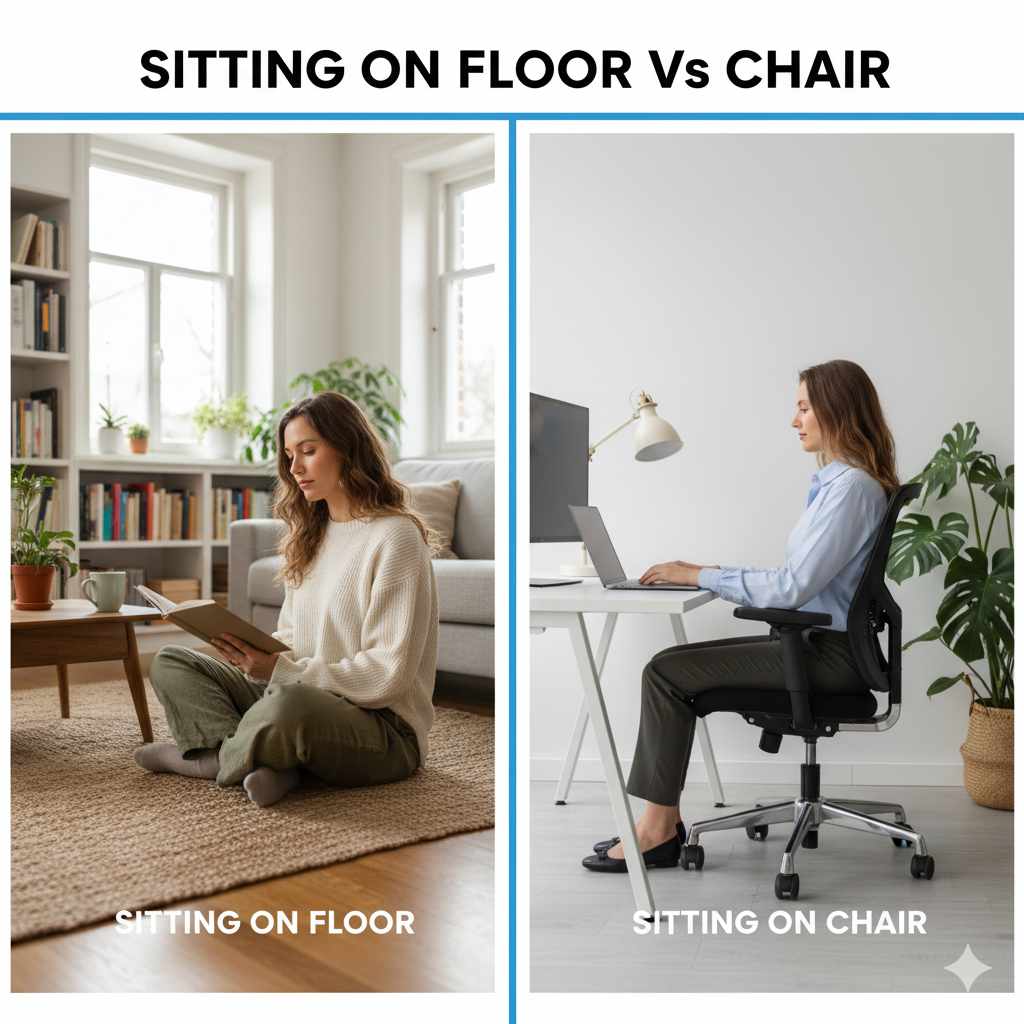
Sitting On Floor Vs Chair: Which Is Healthier?
This article will look at the health pros and cons of sitting on the floor versus sitting in a chair. We’ll break down how each position affects your body. You’ll learn about things like your back, your digestion, and how your blood flows.
By the end, you’ll have a clearer picture of what’s best for you.
Sitting on the floor can offer benefits like improved posture and core strength for some, but it may also pose risks like joint strain or mobility issues for others. Chairs provide consistent support but can lead to sedentary habits and poor alignment if not used mindfully. The healthiest choice depends on individual body mechanics, flexibility, and the duration of sitting.
Floor Sitting vs Chair Sitting: Understanding the Basics
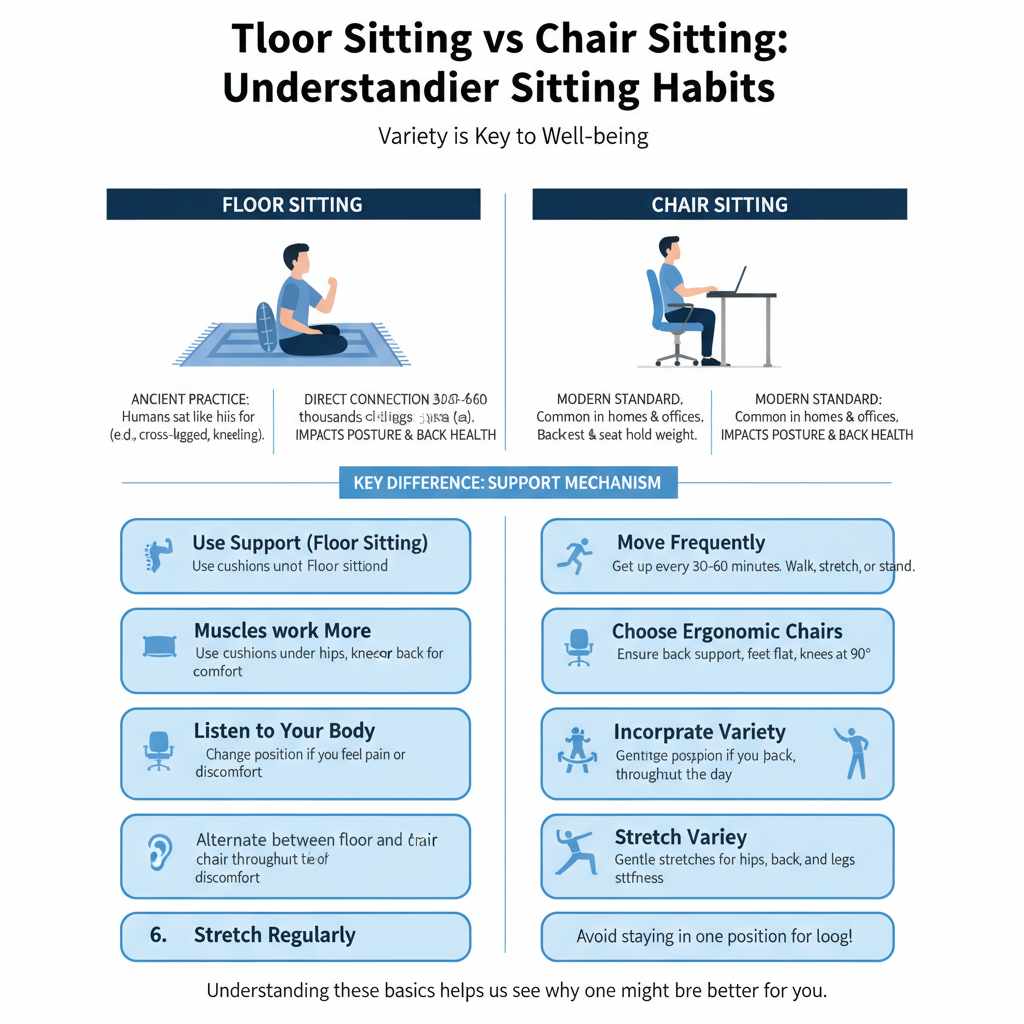
When we talk about sitting, we often picture a chair. It’s a common piece of furniture in homes and offices. Chairs are designed to hold our weight and keep us upright.
They are a standard part of modern life.
Sitting on the floor is different. It’s how humans sat for thousands of years. Think about cross-legged positions or kneeling.
It’s a more direct connection to the ground. This way of sitting has been around much longer than chairs.
The main difference lies in how your body is supported. A chair provides external support for your back and legs. When you sit on the floor, your own muscles have to do more work.
This can be good or bad depending on your body.
We’ll look at how these two sitting styles impact your posture. We will also cover other important body functions. This includes your back health and how your body moves.
Understanding these basics helps us see why one might be better for you.
My Own Floor-Sitting Journey
I remember when I first started thinking about sitting on the floor more. It was a few years ago. I was feeling a lot of stiffness in my lower back.
My doctor had suggested I spend less time in chairs. He said my posture wasn’t great from sitting all day. I thought, “Okay, I’ll try sitting on the floor.”
The first few days were tough. My knees ached, and my hips felt tight. I tried sitting cross-legged, but I felt like a pretzel.
My legs would go numb quickly. I even tried kneeling, but that felt awkward too. I felt a bit silly, honestly, sitting on a rug in my living room while my nice comfy couch sat empty.
I almost gave up because it was uncomfortable.
Then, I started doing more research. I learned about different floor sitting positions. I discovered I didn’t have to stay in one pose forever.
I could shift around. I started using cushions to help support my back and knees. Slowly, very slowly, I began to notice a change.
The stiffness in my back wasn’t as bad. I felt a bit more balanced. It wasn’t a magic fix, but it was a start.
Floor Sitting Styles to Try
Cross-legged (Sukhasana): Sit with your legs crossed comfortably. Your knees should ideally be lower than your hips. Use a cushion under your hips if needed.
Seiza (Kneeling): Sit back on your heels with your knees bent. You can place a cushion between your calves and thighs. This can be hard on the knees for some.
Half Lotus (Ardha Padmasana): Place one foot on top of the opposite thigh. This requires more hip flexibility. It’s not for everyone.
Child’s Pose Variation: Sit back on your heels, then lean forward. Rest your torso on your thighs. This is more of a resting pose.
How Floor Sitting Affects Your Body
When you sit on the floor, your body has to work differently. Your muscles engage to keep you balanced and upright. This can be really good for your core.
Your core muscles are your abs, back, and pelvic floor. These muscles support your spine.
Using these muscles more can help build strength. It can also improve your posture over time. When your core is strong, your spine is better supported.
This might mean less back pain for some people.
Think about how you sit on the floor. You might naturally sit up straighter. You’re not leaning back into a chair.
This helps align your spine. Your shoulders might relax down. Your neck can be in a more neutral position.
However, sitting on the floor can be hard on your joints. Your knees, hips, and ankles might feel pressure. If you have arthritis or mobility issues, this can be painful.
You might also find yourself slouching if you try to stay in one position too long. Your body will look for the easiest way to rest.
Floor Sitting: The Core Strength Boost
Why it matters: A strong core helps hold your spine straight. It prevents slouching. It can reduce stress on your back.
How it works: When sitting on the floor, your core muscles must constantly make small adjustments. This keeps you from falling over. It’s like a mini workout happening all the time.
Potential issues: If your core is very weak, you might struggle to sit up straight. This could lead to leaning forward or backward. It might not give you the posture benefits you want.
How Chair Sitting Affects Your Body
Chairs offer a lot of support. They take the load off your muscles. This can feel good, especially if you’re tired.
Your back gets support from the chair’s backrest. Your legs are held up by the seat.
The problem with chairs is that they can make us lazy. Our muscles don’t have to work as hard. Over time, this can weaken them.
This is especially true for your core muscles.
When your core is weak, your posture can suffer. You might start to slouch. Your spine can lose its natural curve.
This is called kyphosis or “hunchback.” It can lead to back pain and neck pain.
Chairs also affect blood flow. When you sit in a chair for a long time, your legs are bent. This can slow down blood flow.
It might cause your legs to feel heavy or swollen. It can also make your feet cold.
Ergonomic chairs are designed to help. They offer better support. But even the best chair can cause problems if you sit in it for too long without moving.
The key is not just the chair, but how you use it.
Chair Sitting: The Sedentary Trap
The main issue: Chairs encourage us to be inactive. We sit for long periods. This is called being sedentary.
Impact on muscles: Muscles that aren’t used get weaker. This includes your back and core muscles.
Posture problems: Slouching in a chair can harm your spine. It can lead to stiffness and pain.
Circulation concerns: Long periods of sitting can make it harder for blood to flow back to your heart.
Posture and Spine Health
Posture is how you hold your body. Good posture means your spine is in a natural S-shape. This shape helps absorb shock and distribute weight evenly.
When sitting on the floor, you often have to work harder to maintain good posture. Your core muscles engage. Your back muscles help keep you upright.
This can strengthen these muscles over time.
If you have a flexible spine and strong core, floor sitting can be great. It can help you develop better posture naturally. You’re using your body’s own support system.
Chairs can make it easy to slouch. The backrest supports you. You don’t need to use your muscles as much.
Over time, this can lead to weakened back muscles. It can also make your spine more prone to bending in unhealthy ways.
For many people, sitting on the floor without proper support can be bad for posture. If your hips are tight, you might round your lower back. If your core is weak, you might slump forward.
This can lead to pain and long-term spine issues.
Posture Comparison: Floor vs. Chair
Floor Sitting:
- Potential: Encourages upright spine alignment.
- Requires: Active core and back muscle use.
- Risk: Poor form can lead to rounding or slumping.
Chair Sitting:
- Potential: Can offer good support if chair is ergonomic.
- Risk: Encourages passive posture and muscle weakening.
- Common issue: Slouching and rounded shoulders are frequent.
Impact on Digestion and Circulation
Your body’s internal organs need space to work. When you sit, especially for long periods, your posture matters. This is true whether you are on the floor or in a chair.
Sitting on the floor, particularly in a cross-legged position, can gently compress your abdominal area. This might not sound good, but it can actually help. It can stimulate your digestive organs.
This gentle pressure can aid in digestion.
Some people find that sitting on the floor helps them feel more regular. It can help move food through your system more smoothly. This is because you are often in a more natural, less constricted position.
Chairs can sometimes put pressure on your abdomen. If the chair is too deep or the desk is too high, you might hunch forward. This can make it harder for your digestive system to function well.
It can lead to bloating or discomfort.
Circulation is another big factor. When you sit on the floor, your legs are often in a bent position. This can sometimes restrict blood flow.
However, if you shift positions often, it can be fine. You might find yourself moving more naturally.
In chairs, especially if you don’t move much, your legs can be at an angle that slows blood flow. This is why your feet might get cold or swell. It’s important to move your legs and feet often, no matter where you sit.
Digestion and Circulation Notes
Digestion:
- Floor Sitting: Gentle abdominal compression may aid digestion.
- Chair Sitting: Hunched posture can hinder digestive organs.
Circulation:
- Floor Sitting: Leg position can affect flow; frequent shifting helps.
- Chair Sitting: Long periods can slow blood flow in legs.
Flexibility and Mobility Concerns
For many people, sitting on the floor requires a good amount of flexibility. Your hips, knees, and ankles need to be able to bend and hold positions comfortably.
If you’re not flexible, trying to sit on the floor can cause strain. You might feel pain in your joints. Your muscles might feel stretched too far.
This can lead to injury.
People with conditions like arthritis or joint pain may find floor sitting very difficult. The pressure on the knees and hips can be too much. They might need extra padding or find it impossible to sit this way for long.
Chairs, on the other hand, offer support. They take pressure off your joints. This makes them a good option for people with mobility issues or joint pain.
You can sit for longer periods without discomfort.
However, relying only on chairs can reduce your overall flexibility. Your muscles and joints can become stiff from lack of movement. This is why it’s important to move, stretch, and change positions, whether you’re sitting on the floor or in a chair.
Flexibility Check: Who Benefits Most?
Floor Sitting is best for:
- People with good hip, knee, and ankle flexibility.
- Those looking to build core strength.
- Individuals who can comfortably shift positions.
Floor Sitting may be difficult for:
- People with arthritis or joint pain.
- Those with very tight hips or hamstrings.
- Individuals with limited mobility.
When Floor Sitting is Advantageous
Sitting on the floor can be great for your body in several ways. One of the biggest benefits is how it can improve your posture. When you sit on the floor, you naturally tend to sit up straighter.
Your spine gets more support from your own muscles.
This can lead to a stronger core. Your abdominal muscles and back muscles work harder to keep you stable. Over time, this can help prevent back pain.
It can also improve your balance.
Another advantage is increased body awareness. You become more mindful of how you are holding yourself. This can help you correct bad habits you might have picked up from sitting in chairs all day.
For many cultures, sitting on the floor is a normal part of daily life. They often eat, work, and socialize this way. Their bodies are used to it.
They tend to have better hip flexibility and fewer problems with back pain related to sitting.
It can also be more comfortable for some people, especially for shorter periods. It offers a different kind of rest than a chair. It allows your body to spread out and relax in a more natural way.
Floor Sitting Wins
Posture Improvement: Encourages a straighter spine.
Core Strength: Engages muscles for stability.
Body Awareness: Helps you notice how you sit.
Flexibility Gains: Can improve hip and leg movement over time.
Cultural Norm: Common and comfortable in many parts of the world.
When Chair Sitting is Better
Chairs are excellent for providing support. If you have a history of back pain, or if your muscles are tired, a well-designed chair can offer much-needed relief. It takes the strain off your spine and lets your muscles rest.
For people with certain health conditions, chairs are often the only comfortable option. This includes those with arthritis, joint pain, or significant mobility challenges. The ability to sit without putting direct pressure on joints is crucial.
Chairs also make it easier to maintain a neutral spine position for extended periods. An ergonomic chair can help align your back, neck, and shoulders correctly. This can prevent the poor posture that might happen if you try to sit on the floor without the right support.
Tasks that require fine motor skills or long periods of focus might be easier in a chair. You can set up a desk at the right height. This allows for better arm and wrist support.
Ultimately, the chair is a practical tool for modern life. It allows many people to work, relax, and function without immediate discomfort. The key is to use chairs wisely and not let them lead to complete inactivity.
Chair Sitting Advantages
Excellent Support: Great for tired backs and tired muscles.
Joint Relief: Ideal for those with arthritis or pain.
Ergonomic Setup: Supports proper spine alignment.
Task Suitability: Good for focused work and fine motor tasks.
Accessibility: Essential for many people with mobility issues.
What This Means for Your Health
The health choice between sitting on the floor and sitting in a chair isn’t always clear-cut. It really depends on you and your body.
If you are young, flexible, and have a strong core, sitting on the floor more could be very beneficial. It might help you maintain good posture and build strength. Just make sure you don’t stay in one position too long.
Change it up and use cushions if needed.
If you have knee pain, hip pain, or back problems, jumping into floor sitting might not be the best idea. You could make things worse. In these cases, a good chair is likely a safer bet.
Focus on making sure your chair setup is ergonomic.
For most people, a mix of both is probably ideal. Use a chair for tasks that require long periods of focus or when your body needs support. But try to incorporate floor sitting into your day when you can.
Maybe while reading, watching TV, or talking on the phone.
The biggest health risk for most modern adults is simply sitting too much, regardless of the surface. The key is movement. Get up, walk around, and stretch often.
Health Takeaways: Your Personal Choice
For the Flexible & Strong: Floor sitting can boost posture and core. Mix positions and use cushions.
For Those with Pain/Mobility Issues: Chairs offer needed support. Prioritize ergonomics.
The Best Approach: A combination of both floor and chair sitting. Listen to your body.
Universal Rule: Move often! Avoid prolonged sitting in any position.
Simple Checks and When to Seek Help
How do you know if your sitting habits are good or bad? There are some simple things to look for.
Check your posture: When you sit, are your shoulders slumped? Is your back rounded? If so, you might need to adjust how you sit or the support you are using.
Feel for pain: Does your back hurt after sitting? Do your knees or hips ache? Persistent pain is a sign that your current sitting method isn’t working for you.
Notice your energy: Do you feel tired or sluggish after sitting for a while? Poor posture and circulation can contribute to this.
Consider your movement: How often do you get up and move? If it’s less than once an hour, that’s too long.
When should you get professional advice? If you have significant pain that doesn’t go away, or if you notice changes in your ability to move. A doctor or a physical therapist can give you personalized advice.
They can help you understand what your body needs. They can also suggest specific exercises or adjustments.
Quick Health Checks
Posture Check: Shoulders back, spine neutral, head balanced.
Pain Scan: Any aches in back, hips, knees?
Energy Levels: Do you feel rested or drained after sitting?
Movement Habits: Are you getting up and moving regularly?
When to Call a Pro: Persistent pain, loss of mobility, or major discomfort.
Tips for Healthier Sitting Habits
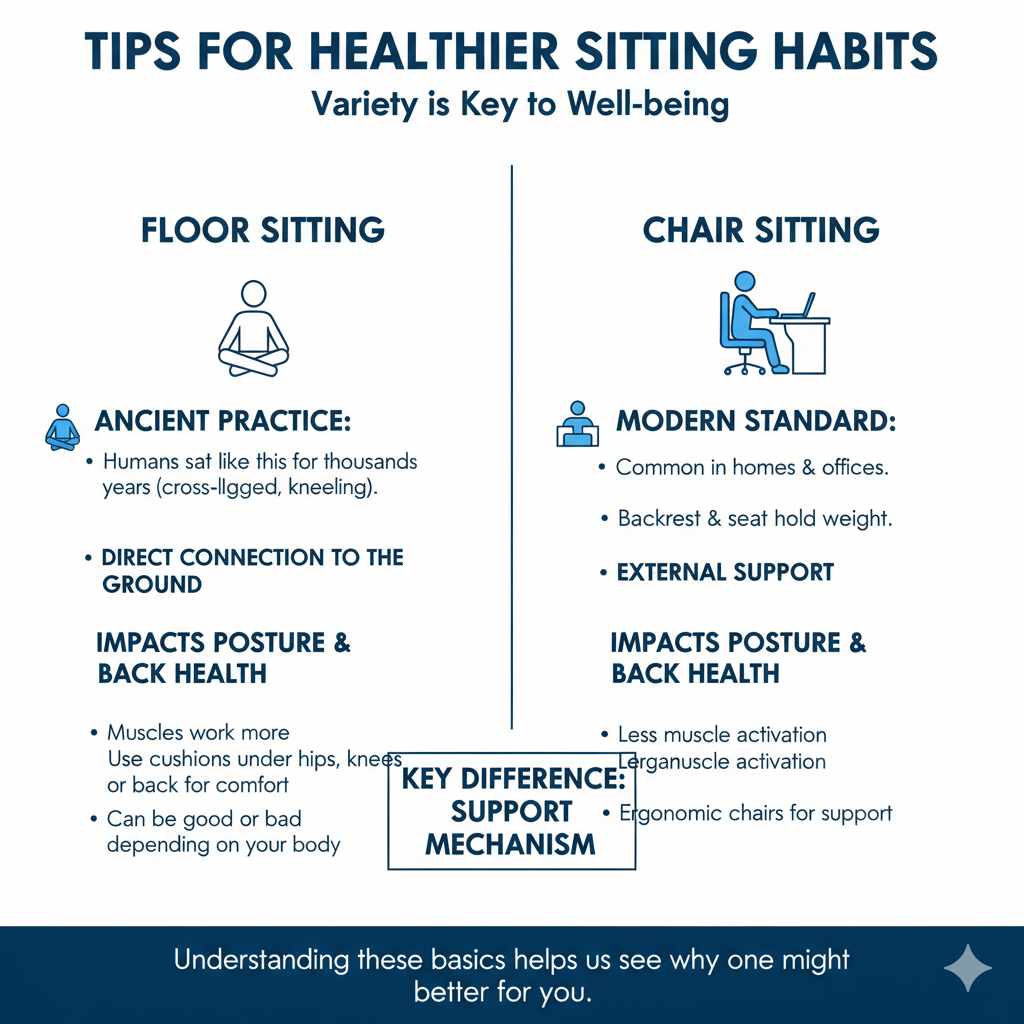
Whether you choose to sit on the floor or in a chair, there are ways to make it healthier. The main goal is to avoid staying in one position for too long. Variety is key.
Move Frequently: Set a timer to remind you to get up every 30-60 minutes. Walk around, stretch, or do a few simple exercises. Even standing for a minute helps.
Use Support: If sitting on the floor, use cushions. Place them under your hips, knees, or back. This can make it more comfortable and safer for your joints.
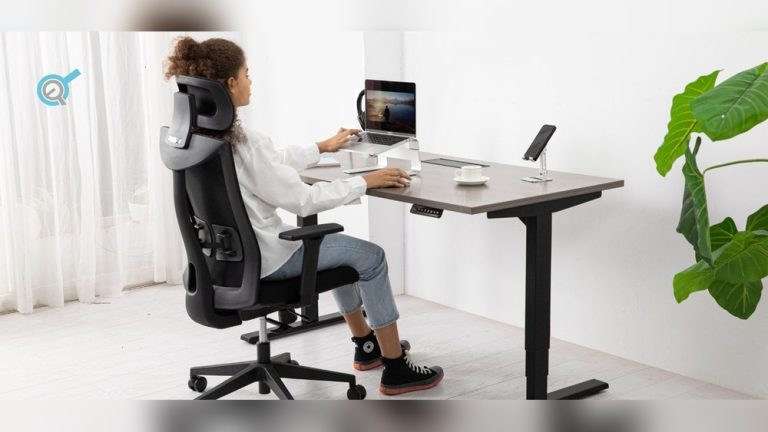
Choose Ergonomic Chairs: If you use a chair, make sure it supports your back. Your feet should be flat on the floor. Your knees should be at about a 90-degree angle.
Listen to Your Body: If a certain position causes pain, change it. Don’t push through discomfort, especially if it’s sharp or lasting.
Incorporate Variety: Alternate between sitting on the floor and sitting in a chair throughout the day. Don’t do one exclusively.
Stretch Regularly: Doing gentle stretches for your hips, back, and legs can help maintain flexibility and reduce stiffness from sitting.
Your Sitting Health Toolkit
Timer: For regular breaks and movement.
Cushions: For comfort and support on the floor.
Ergonomic Chair: For proper support when sitting.
Mindfulness: Pay attention to your body’s signals.
Alternating Positions: Switch between floor and chair.
Stretching Routine: To keep joints and muscles limber.
Frequently Asked Questions
Is sitting on the floor bad for your knees?
It can be if you have knee issues or sit in a way that puts too much direct pressure on them. For people with healthy knees, gentle floor sitting with proper support is usually fine. Always listen to your body and avoid positions that cause pain.
Can sitting on the floor help with back pain?
For some people, yes. Sitting on the floor can engage your core muscles and help improve posture, which can reduce back pain. However, if your core is weak or your flexibility is limited, sitting on the floor without proper support might actually make back pain worse.
How long should I sit on the floor at a time?
Just like with chairs, it’s best not to sit in one position for too long. Try to change positions every 30-60 minutes. Start with shorter periods and gradually increase as your body gets used to it.
Listen to your body for cues.
What is the best floor sitting position for posture?
A simple cross-legged position with your hips elevated on a cushion is often recommended. This helps keep your knees lower than your hips and encourages a straighter spine. However, what feels best and is most supportive can vary from person to person.
Can children benefit from sitting on the floor?
Yes, children often naturally sit on the floor and benefit from the core strength and body awareness it develops. However, for schoolwork or long periods of focused activity, a proper desk and chair setup is usually more suitable for their developing bodies and learning needs.
Is it better to sit on a cushion or directly on the floor?
Using a cushion can make floor sitting much more comfortable and healthier for most people. A cushion helps to elevate your hips, which allows your knees to drop slightly lower. This can improve spine alignment and reduce strain on your hips and knees.
Conclusion
Choosing between sitting on the floor and sitting in a chair isn’t about one being universally “better.” It’s about understanding your own body. It’s about what feels good and what supports your health goals.
Both positions have their pros and cons. The most important thing is to move often. Mix it up.
Listen to what your body tells you. Your health is about balance, not just where you put your rear end.
Sponsored / affiliate links. As an Amazon Associate I earn from qualifying purchases. I may earn additional commission from eligible campaigns.Products related to this article