What are the Different Types of Chairs: Styles and Uses Explained
Finding the right chair is about much more than just having somewhere to sit. Chairs shape our comfort, health, and the way a space feels. From classic dining chairs to advanced ergonomic models in offices, the types of chairs we use influence our daily routines.
Most people don’t realize how much design, function, and history go into each kind of chair. Choosing the right chair makes a huge difference, whether furnishing a home, setting up a business, or looking for better posture.
This article will guide you through the different types of chairs, their uses, and what makes each one unique. You’ll learn about chairs for the home, office, outdoors, and even specialized chairs you might not have seen before. Along the way, you’ll see real-world examples, comparison tables, and practical tips to help you make smart choices for comfort and style.
Dining Chairs
Dining chairs are found in almost every home. They are designed for comfort during meals, but also play a big role in the look of a dining area.
Classic Wooden Dining Chairs
Wooden dining chairs are a timeless choice. They come in many styles, from traditional to modern. Their main advantage is durability; a well-made wooden chair can last for decades. Oak, walnut, and beech are popular woods. Some have cushions for extra comfort, while others use carved seats.
Upholstered Dining Chairs
These chairs add a layer of soft fabric or leather over padding. Upholstered dining chairs are chosen for comfort and style. They often appear in formal dining rooms or restaurants. The fabric can be plain, patterned, or even velvet for a luxury feel.
Side Chairs Vs. Armchairs
Dining sets often mix side chairs (without arms) and armchairs (with arms). Side chairs fit more people around a table. Armchairs are usually at the ends, offering extra comfort for hosts or special guests.
| Feature | Side Chair | Armchair |
|---|---|---|
| Arms | No | Yes |
| Space Saving | High | Low |
| Typical Use | Dining tables | Table ends |
Pro Tip: For small dining areas, use more side chairs to maximize seating.
Office Chairs
Office chairs are built for long periods of sitting, focusing on support and adjustability. Picking the right office chair can prevent back pain and boost productivity.
Task Chairs
Task chairs are simple, usually with a small backrest and basic adjustments. They’re made for short tasks like checking emails or writing. Most have wheels for moving around the desk.
Ergonomic Office Chairs
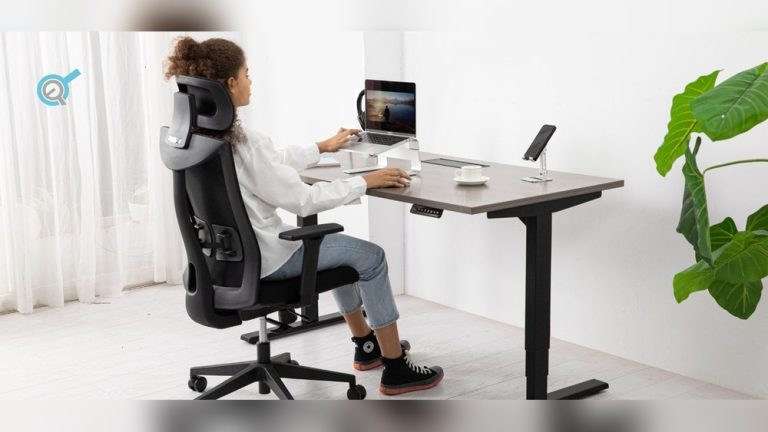
Ergonomic chairs are designed for body support. They often feature adjustable seat height, lumbar support, armrests, and tilt functions. These chairs help maintain good posture and reduce the risk of pain from sitting for hours.
Executive Chairs
Executive chairs are larger, often covered in leather or faux leather. They have extra padding and a high back for comfort. These chairs are usually found in manager or director offices. While they look impressive, not all offer the best ergonomic features, always check adjustability before buying.
Conference Chairs
These are lightweight, stackable, and sometimes have limited adjustments. Conference chairs are meant for meeting rooms where people don’t sit for long periods.
| Type | Main Use | Key Feature | Adjustability |
|---|---|---|---|
| Task Chair | Short tasks | Compact, mobile | Basic |
| Ergonomic Chair | All-day use | Body support | High |
| Executive Chair | Manager office | Luxury, high back | Medium |
| Conference Chair | Meetings | Stackable, simple | Low |
Lounge And Living Room Chairs
Comfort and style are the focus here. Lounge chairs can transform a living space, offering relaxation after a long day.
Armchairs
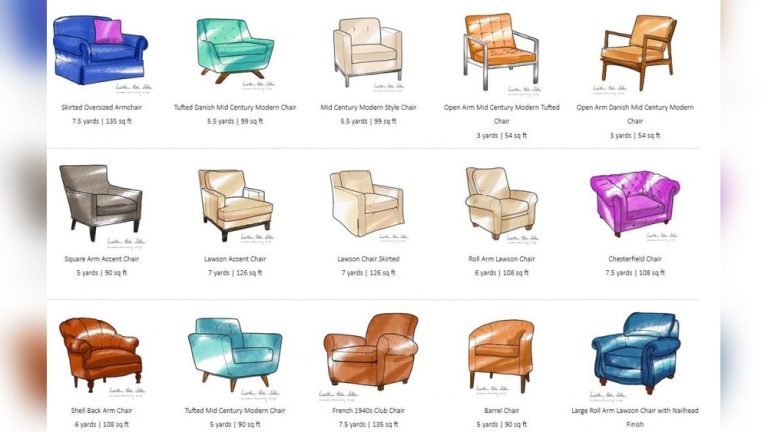
Armchairs have armrests and are often upholstered. They are common in living rooms and reading corners. Some feature reclining mechanisms, allowing you to stretch out and relax.
Recliners
Recliners tilt backward and usually have a footrest that pops up. They are ideal for watching TV or napping. Some modern recliners include massage or heating features. A good recliner often becomes the most-used chair in a home.
Accent Chairs
Accent chairs are chosen for their visual impact. They come in bold colors, unique shapes, or luxurious fabrics. While not always the most comfortable for long periods, they add character to a room.
Club Chairs
Originally designed for gentlemen’s clubs, club chairs are large, deep, and upholstered in leather or fabric. They offer both comfort and classic style.
Outdoor Chairs
Outdoor seating needs to handle weather and be easy to move or store. Materials like plastic, metal, and treated wood are common.
Patio Chairs
Patio chairs are usually lightweight and weather-resistant. Styles range from simple plastic seats to more elegant wicker or metal designs.
Adirondack Chairs
These feature wide armrests, a slanted seat, and a high back. Adirondack chairs are perfect for relaxing outdoors, especially in gardens or on porches.
Folding Chairs
Folding chairs are practical for outdoor events or extra seating. They are easy to store and carry, but may not be as comfortable as permanent options.
Chaise Lounges
Designed for sunbathing or poolside relaxation, chaise lounges let you stretch out fully. Most have adjustable backs for different reclining angles.
Specialty Chairs
Some chairs are designed for specific activities or health needs. They solve unique problems and often have special features.
Rocking Chairs
Rocking chairs move back and forth. They are soothing, making them popular for nurseries and porches. The gentle motion can help people relax or even fall asleep.
Wheelchairs
Wheelchairs provide mobility for people who cannot walk. There are manual and electric types. Modern wheelchairs offer custom fit and adjustments for comfort and support.
Kneeling Chairs
Kneeling chairs encourage an open hip angle and good posture. The user rests their knees on padded supports, reducing pressure on the lower back. These are popular with people who have back pain from traditional sitting.
Bean Bag Chairs
Filled with foam or beads, bean bag chairs mold to the shape of your body. They’re popular in casual spaces, dorm rooms, and playrooms. While not ideal for long hours, they’re fun and flexible.
Gaming Chairs
Gaming chairs are designed for long gaming sessions. They include head and lumbar support, adjustable armrests, and sometimes built-in speakers. The racecar seat style is common, but ergonomic value varies, try before you buy.
Children’s Chairs
Kids need chairs that fit their smaller size and encourage good posture. Safety and easy cleaning are top priorities.
High Chairs
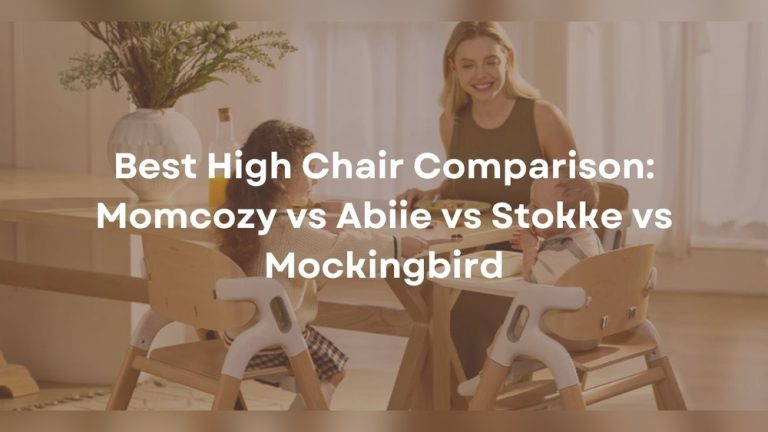
High chairs are used for babies and toddlers at mealtime. They have safety straps, a tray, and are usually easy to clean. Some convert into booster seats as a child grows.
Booster Seats
Booster seats raise a child to table height. They’re portable and can be strapped to a regular chair. Most are used for kids who have outgrown a high chair but can’t sit safely in an adult chair yet.
Small Armchairs And Activity Chairs
Mini versions of regular chairs, often with fun colors or cartoon designs, help children feel comfortable and independent. Some include storage under the seat for toys or books.

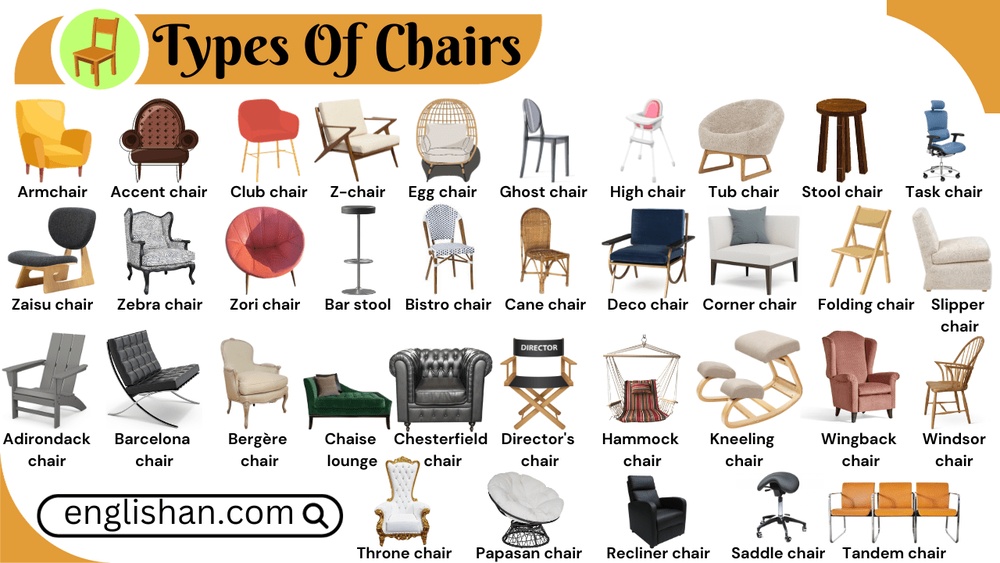
Credit: mrmrsenglish.com
Stools And Benches
Not all seating has a backrest or arms. Stools and benches are simple and space-saving solutions for many settings.
Bar Stools
Bar stools are tall, with or without backs or arms. They’re made for kitchen counters and bars. Swivel features and footrests add comfort.
Counter Stools
Similar to bar stools but a few inches shorter to match standard kitchen counters. Always measure your counter height before choosing stools.
Benches
Benches seat two or more people. They are used in entryways, dining tables, and public spaces. Storage benches offer hidden space for shoes or blankets.
| Seating Type | Backrest | Main Use | Mobility |
|---|---|---|---|
| Bar Stool | Optional | Bars, counters | High |
| Bench | No | Dining, entryway | Medium |
| Counter Stool | Optional | Kitchen counter | High |
Antique And Designer Chairs
Some chairs are valued as art or history. Their design can be as important as their comfort.
Windsor Chairs
Windsor chairs have a solid wooden seat and a back made of thin, turned spindles. Originating in England, they are still popular for their classic look.
Eames Lounge Chair
Designed in the 1950s by Charles and Ray Eames, this chair is famous for its molded plywood and leather design. The Eames Lounge Chair is considered a symbol of modern luxury and comfort.
Ghost Chair
Created by Philippe Starck, the Ghost Chair is made of clear polycarbonate. It looks almost invisible, making it a favorite in modern homes and small spaces.
Thonet Bentwood Chair
Invented in the 19th century, this chair is made by steaming wood until it bends. The simple, curved design is both lightweight and strong.
Medical And Therapeutic Chairs
Some chairs are designed for health and medical use. They focus on supporting recovery or making life easier for people with special needs.
Geriatric Chairs
Geriatric chairs (or “geri chairs”) are for elderly people who have trouble sitting in normal chairs. They have wheels, recline features, and thick padding for long-term comfort.
Dental Chairs
Dental chairs allow dentists to adjust the patient’s position easily. They include headrests, arm supports, and buttons for raising or lowering the chair.
Lift Chairs
Lift chairs help people stand up safely. An electric motor tilts the chair forward, making it easier to get out without help.
Shower Chairs
Used in bathrooms for those who can’t stand while bathing. Shower chairs are waterproof, stable, and often have handles for safety.
Warning: Always consult a healthcare provider before choosing medical seating for special needs.
Folding And Stackable Chairs
Flexibility is key in many spaces, so chairs that can be stored easily are popular for events, schools, or small homes.
Folding Chairs
These chairs fold flat for storage. They are affordable, light, and easy to move. While not as durable as fixed chairs, they’re great for extra seating.
Stackable Chairs
Stackable chairs are designed to be piled up without damage. They are common in cafeterias, meeting rooms, and outdoor events.
Pro Tip: For large gatherings, invest in stackable chairs with molded plastic seats, they’re lightweight and easy to clean.

Credit: www.homedit.com
Choosing The Right Chair
With so many types, picking the right chair can feel overwhelming. Here’s what to consider:
- Purpose: Is it for work, relaxation, or dining?
- Comfort: Does it support your body well?
- Space: Will it fit without crowding the room?
- Style: Does it match your décor?
- Material: Is it easy to clean and maintain?
- Budget: Quality chairs can be an investment, but cheaper options may wear out faster.
Example: When I tested several office chairs for back support, I noticed that models with adjustable lumbar support felt better after long sessions.
Non-obvious insight: Don’t ignore chair height, too low or too high can cause discomfort over time. Also, armrests that are too wide or narrow can impact how relaxed you feel.
Environmental Impact Of Chair Choices
Many people overlook how chair materials and production affect the environment. Chairs made from recycled plastic or certified wood are better choices. Some companies now design chairs to be fully recyclable at the end of their life.
For more on sustainable furniture design, see Wikipedia: Sustainable Furniture.
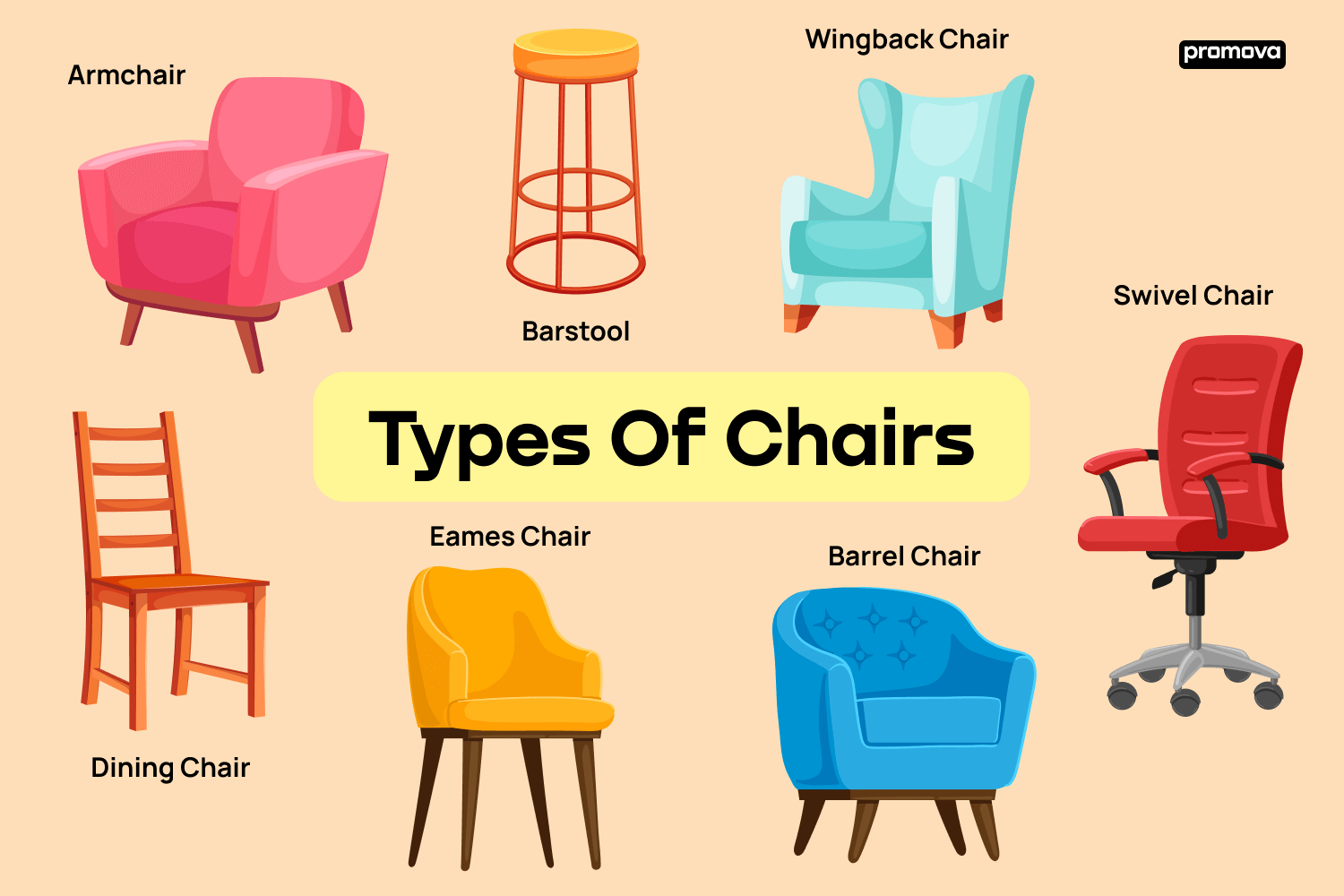
Credit: www.kathidgc.com
Frequently Asked Questions
What Chair Type Is Best For Back Pain?
Specially designed ergonomic office chairs or kneeling chairs can help relieve back pain. Look for adjustable lumbar support, seat height, and armrests. For severe pain, consult a physical therapist for personalized advice.
Are Gaming Chairs Really Better For Long Hours At A Desk?
Gaming chairs can be comfortable, but not all are truly ergonomic. Look for models with adjustable lumbar and neck support. Sometimes, a high-quality ergonomic office chair is a better investment for long-term health.
How Do I Clean And Maintain Upholstered Chairs?
Vacuum fabric chairs regularly to remove dust. For stains, use a mild soap and water solution. Leather chairs need special cleaners and conditioners. Always check the manufacturer’s cleaning instructions to avoid damage.
What’s The Difference Between A Bar Stool And A Counter Stool?
Bar stools are usually 28-30 inches high, designed for higher bar tables. Counter stools are 24-26 inches high, matching standard kitchen counters. Measure your counter height to pick the right stool.
Are Antique Chairs Safe To Use Every Day?
While antique chairs can add style, they may not meet modern safety or comfort standards. If you want to use one daily, check for loose joints or cracks. Consider professional restoration if needed.
Every chair has a story, a purpose, and a place. Whether you’re searching for a stylish accent or a supportive seat for work, knowing the types of chairs helps you find the right fit for your needs and lifestyle. Understanding these differences turns furniture shopping from a guessing game into a confident, enjoyable experience.
Products related to this article
Sponsored / affiliate links. As an Amazon Associate I earn from qualifying purchases. I may earn additional commission from eligible campaigns.