Difference Between Chair and Armchair: Key Features Explained
Anyone who spends time choosing furniture knows that words like “chair” and “armchair” can feel confusing. You walk into a store, see dozens of seats, and wonder: what is the real difference? Is an armchair simply a chair with arms? Or is there more? This question matters for both buyers and design lovers. Getting it right affects comfort, style, and even the way a room feels. Whether you’re picking seats for your home, office, or a café, understanding these two terms helps you make smarter choices.
Many people use “chair” and “armchair” as if they mean the same thing. But the truth is, these words point to separate categories with unique histories, designs, and uses. The differences go beyond just arms or no arms.
This article will clear up the confusion, walk you through practical comparisons, and show how picking the right seat matters for your space. You’ll find real examples, helpful tables, and tips that most beginners miss. By the end, you’ll know exactly what sets a chair apart from an armchair, and why those differences matter.
What Is A Chair?
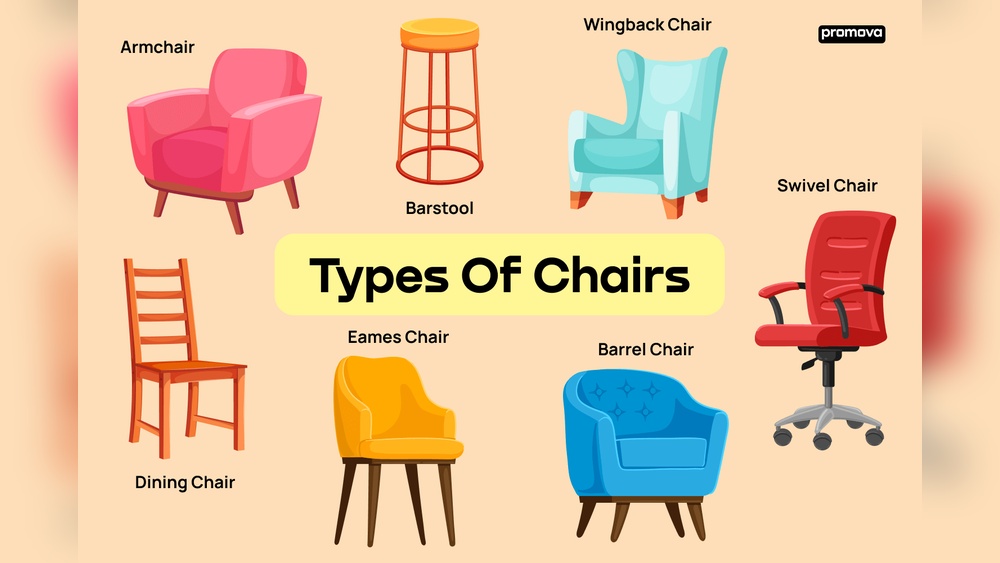
A chair is a basic piece of furniture designed for sitting. It usually has a seat, four legs, and a backrest. Most chairs are intended for one person. The word “chair” covers a wide range of styles and functions, from dining chairs to office chairs and even folding chairs for events.
Chairs are everywhere: in homes, schools, offices, and public spaces. They serve many purposes, like eating, working, relaxing, or waiting. The designs can be simple or fancy, but they all focus on providing a place to sit.
Most chairs do not have built-in armrests. However, some types (like office chairs) might include arms, but they are still called “chairs” because their main use is functional rather than stylish or comfortable. The chair’s main goal is to provide basic seating, often in groups.
Common Types Of Chairs
- Dining chair: Used at a dining table, usually without arms.
- Desk chair: Designed for working, sometimes with arms.
- Folding chair: Lightweight, easy to store, no arms.
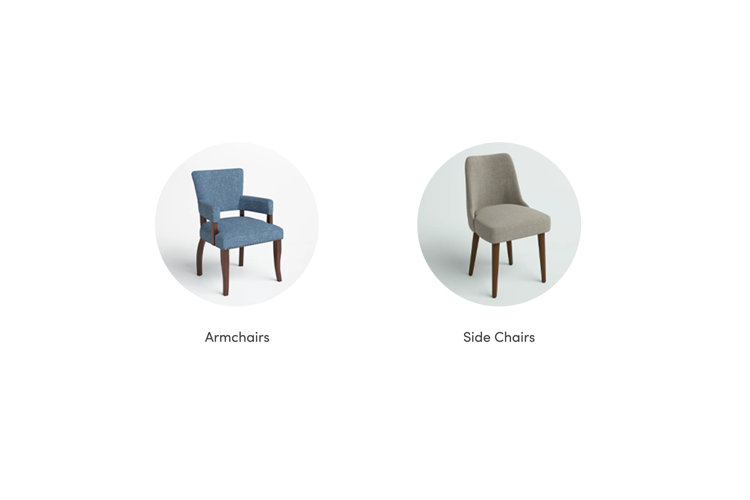
- Side chair: Placed against a wall or beside a table, rarely with arms.
Example: In a typical restaurant, you’ll see rows of simple chairs around tables. They are easy to move and often made from wood, metal, or plastic.
What Is An Armchair?
An armchair is a more comfortable seat. It is larger and always includes armrests. The design focuses on relaxation and style, not just function. Armchairs are usually found in living rooms, reading corners, lounges, and hotel lobbies. They are meant for sitting comfortably, often for long periods.
Armchairs have thicker padding, softer materials, and wider seats. The arms are a key feature, they support your elbows and let you sit back and relax. Many armchairs also have high backs and deep seats for extra comfort.
Unlike basic chairs, armchairs are not used in large groups. They are more personal, often seen as a “main seat” in a room. The look and feel are important; designers use them to set the tone for a space.
Examples Of Armchairs
- Club chair: Deep seat, padded arms, often used in lounges.
- Wingback chair: Tall back with “wings” on the sides, classic style.
- Recliner: Adjustable, allows you to lean back, sometimes with footrests.
Example: In a hotel lobby, you’ll usually find a few armchairs grouped around a coffee table, inviting guests to sit and relax.
Key Differences Between Chair And Armchair
To help you see the differences quickly, here’s a comparison table:
| Feature | Chair | Armchair |
|---|---|---|
| Armrests | Optional, usually absent | Always present |
| Padding | Minimal or none | Thick, comfortable |
| Size | Compact, smaller | Large, spacious |
| Main Use | Functional seating | Relaxation and style |
| Placement | Dining room, office, public spaces | Living room, lounge, reading area |
| Design Focus | Practical | Comfort and aesthetics |
This table shows why “chair” and “armchair” are not just different words, they are different experiences.
History And Origin
The history of chairs and armchairs shows their unique roles. Chairs are ancient; simple stools and benches were used in Egypt and Greece thousands of years ago. Over time, chairs became symbols of status and power. In medieval times, only leaders or important people got special chairs.
Armchairs appeared later, when comfort became important in homes. The first armchairs were used by royalty in Europe. They were bigger, with arms and cushions, showing both wealth and relaxation. The wingback armchair was popular in the 17th century, designed to block drafts and keep people warm.
Today, the chair is for everyone, simple, useful, and common. The armchair is for special moments, offering comfort and style.
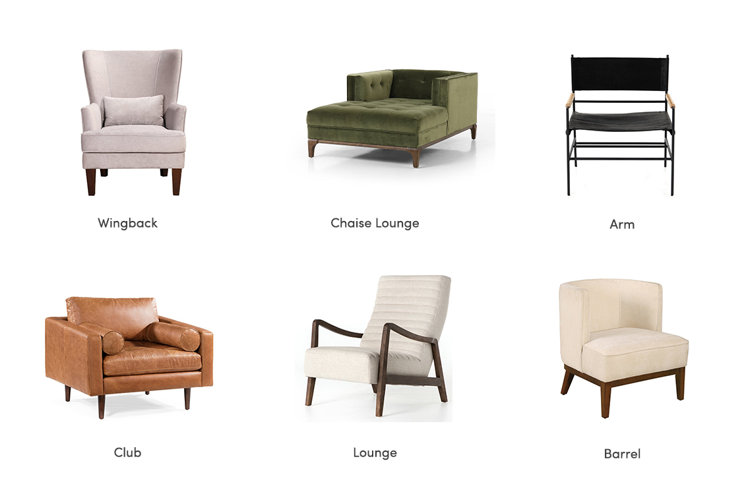
Credit: www.jossandmain.com
Design And Materials
Chair Designs
Basic chairs use materials like wood, metal, or plastic. The shape is simple, often straight lines and basic curves. They must be strong but not heavy, easy to move and clean. Most chairs have four legs, but some designs use three or even one.
Some modern chairs add arms, but the arms are usually thin and not the main focus. The seat may have a thin cushion, but often it’s just a hard surface.
Armchair Designs
Armchairs use soft materials like fabric, leather, or velvet. The frame is bigger, with thick padding on the seat, back, and arms. Armchairs often use springs or foam for extra comfort.
The shape is rounded, inviting, and cozy. Designers add details like buttons, stitching, or unique legs to make armchairs stand out. Some armchairs recline, swivel, or rock.
Example: A classic leather armchair in a library gives a feeling of tradition and comfort.
Comparison Table: Materials
| Material | Chair | Armchair |
|---|---|---|
| Wood | Very common | Used for frame, less visible |
| Metal | Common (cafés, offices) | Rare, mainly for support |
| Plastic | Affordable, lightweight | Rare, not for comfort |
| Fabric | Sometimes for seat cover | Primary material |
| Leather | Occasional luxury | Popular for premium styles |
Comfort And Ergonomics
Comfort is the biggest difference between a chair and an armchair. Chairs focus on short-term sitting. They support your back, but not your arms or body. In offices and schools, chairs help people stay alert and ready to move.
Armchairs are designed for longer sitting. The arms let you rest your elbows, reducing shoulder strain. Padding helps support your spine, hips, and legs. A good armchair can prevent tiredness and pain, especially if you sit for hours.
Pro Tip: If you want to read, watch TV, or relax, choose an armchair. For quick meals or meetings, a basic chair works better.
Non-obvious Insight
Many beginners think that adding arms to a chair makes it an armchair. But true armchairs have a deeper seat, thicker padding, and a special shape for comfort. Just attaching arms to a chair does not give the same support.
Function And Placement
Where Chairs Are Used
Chairs are everywhere because they are practical and easy to arrange. You’ll find them in:
- Dining rooms
- Classrooms
- Offices
- Cafés and restaurants
- Waiting areas
Chairs are often placed in rows or around tables. They are easy to stack, move, and clean.
Where Armchairs Are Used
Armchairs are placed where comfort matters most:
- Living rooms
- Libraries
- Lounges
- Bedrooms (reading corner)
- Hotel lobbies
Armchairs are usually alone or in pairs. They become the “main seat” in a room, inviting people to relax.
Example: In a modern home, the dining area has simple chairs, while the living room has a few armchairs for family and guests.
Style And Aesthetics
Chair Styles
Chairs come in many styles, but most focus on simplicity and function. Some popular styles include:
- Modern: Straight lines, minimal design
- Traditional: Classic shapes, wood details
- Industrial: Metal, raw wood, simple look
Chairs are often chosen to match tables, not to stand out.
Armchair Styles
Armchairs are a chance to show personal style. Designers create unique shapes, colors, and details. Popular styles include:
- Mid-century modern: Simple, rounded, colorful
- Classic: Deep seats, carved wood, rich fabric
- Contemporary: Bold shapes, unusual materials
Armchairs can be the “centerpiece” of a room. They attract attention and set the mood.
Example: A bright yellow armchair in a gray room adds energy and warmth.
Comparison Table: Style Impact
| Style Element | Chair | Armchair |
|---|---|---|
| Color Choices | Neutral, basic | Bold, varied |
| Shape | Straight, compact | Curved, soft |
| Decor Role | Background | Feature piece |
Credit: www.wayfair.com
Cost And Practicality
Chairs are usually cheaper than armchairs. This is because they use less material, simpler designs, and are made for mass use. You can buy a basic chair for $20, $50, depending on quality and brand.
Armchairs cost more because of thicker padding, larger frames, and special fabrics. Prices for armchairs start around $150 and can go over $1000 for designer pieces.
Warning: Many buyers forget to measure their space before buying an armchair. Armchairs need more room and can crowd a small area. Always check the width, depth, and height.
Maintenance
Chairs are easy to clean. Wood and metal chairs can be wiped with a cloth. Plastic chairs handle water and stains well.
Armchairs need more care. Fabric can stain, leather must be treated, and padding wears out over time. Some armchairs have removable covers for washing.
Choosing Between Chair And Armchair
When picking between a chair and an armchair, think about:
- Purpose: Is it for eating, working, or relaxing?
- Space: Do you have enough room for a large seat?
- Budget: Armchairs cost more, but offer comfort.
- Style: Do you want the seat to stand out or blend in?
- Maintenance: Are you ready to clean and care for fabric or leather?
Example: For a small apartment, a set of chairs saves space. In a big living room, an armchair becomes a cozy spot for reading.
Common Mistakes And Insights
Mistakes
- Ignoring size: Many people buy armchairs without measuring. They end up with crowded rooms.
- Mixing styles: Putting a classic armchair with modern chairs can look strange.
- Overusing armchairs: Filling a dining room with armchairs wastes space and money.
- Forgetting about cleaning: Armchairs need regular care, especially with kids or pets.
Insights Beginners Miss
- Armchairs are not for every room: Some spaces need simple chairs to stay open and flexible.
- Chairs can be stylish: Modern designers create beautiful chairs that match armchairs in style, but not comfort.
Real-life Example
For a small living room, place one armchair and two simple chairs. The armchair became the favorite spot for reading and relaxing. The chairs were used for quick conversations and meals. The mix created both comfort and flexibility.

Credit: www.littlenap.in
Cultural Differences
In some cultures, armchairs are a sign of respect or status. In France, the word “fauteuil” means a comfortable chair with arms, used by important people. In Asia, chairs are more common, but armchairs are seen as luxury items.
The use of armchairs in offices is also changing. Some companies offer armchairs in meeting rooms to encourage relaxed discussions.
Environmental Impact
Chairs are often made from materials that are easy to recycle, like metal or plastic. Armchairs use more padding and fabric, which can be harder to recycle. Some brands now use eco-friendly materials in both chairs and armchairs. If environmental impact matters to you, check the label or ask the store.
Frequently Asked Questions
What Makes An Armchair Different From A Chair With Arms?
An armchair is designed for comfort and relaxation, with thick padding and deep seats. A chair with arms is usually built for function, like working or dining, and does not offer the same support or style.
Can Armchairs Be Used At A Dining Table?
Armchairs are rarely used at dining tables. They are too large and heavy, making it hard to move and fit around the table. Some dining sets offer “host chairs” with arms, but these are smaller and less padded than real armchairs.
Is An Office Chair An Armchair?
Office chairs may have arms and padding, but their main goal is ergonomic support for work. They are not designed for relaxation like armchairs. Office chairs also have wheels and adjustable features, which are not found in traditional armchairs
Products related to this article
Sponsored / affiliate links. As an Amazon Associate I earn from qualifying purchases. I may earn additional commission from eligible campaigns.