Difference between Sofa And Couch: Key Distinctions Explained
When you walk into a living room, the first thing you often notice is the seating. Some people call it a sofa, others say couch. But are these two words just different names for the same thing? Or do they point to real differences in design, function, history, and culture? Understanding the difference between sofa and couch can help you choose the right piece for your home, explain your choice to others, or simply settle a friendly debate.
Many people use these words interchangeably, but there are subtle distinctions, some practical, some historical. Let’s explore where these terms come from, how they’re used today, and what really sets them apart. Whether you’re shopping for new furniture, staging a home, or just curious, this guide will make the sofa vs couch question much clearer.
Origins And History
The story of sofas and couches begins centuries ago. Both pieces have roots in different cultures and languages, which shaped their designs and uses.
The word sofa comes from the Arabic “suffah,” meaning a raised platform covered with cushions. Sofas were often found in the homes of wealthy families in the Middle East and Europe. They were symbols of comfort and status, made for sitting upright and engaging in conversation.
On the other hand, couch is derived from the French “coucher,” which means “to lie down.” Couches were originally more like daybeds, meant for reclining rather than sitting. In the 17th and 18th centuries, couches were popular in Europe, especially among the aristocracy. These pieces were often placed in bedrooms or private sitting rooms.
Today, both sofas and couches are common in homes around the world. But their names reflect their roots: a sofa is for sitting, a couch for lounging.
Design Differences
While modern furniture designers often blur the lines, there are classic design features that separate sofas and couches. These differences can help you identify each piece and choose the best fit for your needs.
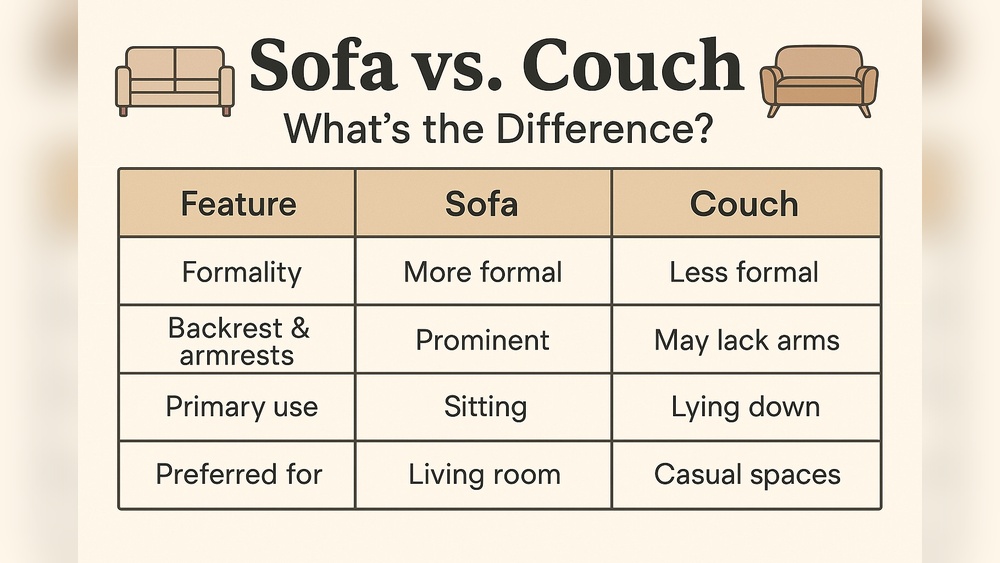
Sofas: Structured And Formal
A sofa usually has:
- Armrests on both sides
- A structured back, often straight or slightly curved
- Enough seating for three or more people
- Formal appearance, suitable for living rooms or reception areas
Sofas are designed for sitting upright, making conversation easy. Many sofas have firm cushions and a solid frame. Some classic examples are the Chesterfield and Camelback sofas, known for their elegant shapes and buttoned upholstery.
Couches: Casual And Comfortable
A couch typically features:
- Softer, more relaxed cushions
- Sometimes no armrests, or just one
- Lower back, sometimes allowing for reclining
- Casual look, ideal for family rooms or lounges
Couches are meant for lying down or lounging. Styles like the fainting couch or chaise lounge fit this description. Couches are often preferred in spaces where comfort matters more than formality.
Example: Spotting The Difference
If you walk into a furniture store and see two similar pieces, look for these clues:
- Does the piece have a structured back and armrests? It’s likely a sofa.
- Is it softer, lower, or designed for reclining? It’s probably a couch.
Pro Tip: Ask the salesperson how the piece is meant to be used. Sofas are for sitting, couches for lounging.
Function And Use In Homes
The purpose of sofas and couches has changed with modern lifestyles. However, their traditional functions still influence where you place them and how you use them.
Where Sofas Fit Best
Sofas are often found in formal living rooms, offices, or reception areas. They are chosen for spaces where guests are expected to sit upright and socialize. Sofas also work well in open-plan spaces, where their structured shape helps define seating zones.
Sofas are also common in waiting rooms, hotels, and workplaces. Their look is tailored, which suits professional environments.
Where Couches Shine
Couches are popular in family rooms, TV lounges, and bedrooms. Their relaxed design makes them ideal for watching movies, reading, or napping. Couches are often paired with ottomans or coffee tables for even more comfort.
In my experience, a couch is what people reach for when they want to curl up with a blanket, while a sofa is where you sit with guests for coffee or conversation.
Styles And Variations
Both sofas and couches come in a huge range of styles, but some designs are more closely linked to one term than the other.
Famous Sofa Styles
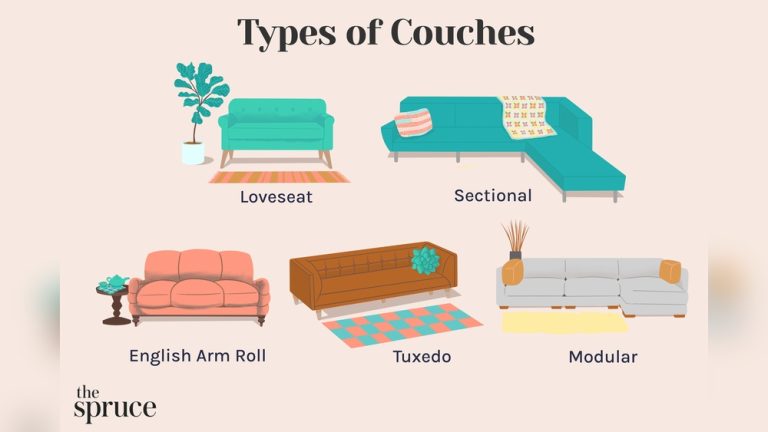
- Chesterfield: Deep buttoned, rolled arms, and equal height of arms and back. Traditionally leather.
- Camelback: Elegant curve at the back, often seen in formal settings.
- Tuxedo: Straight arms and back, modern and structured.
Iconic Couch Styles
- Sectional couch: Multiple pieces, can be rearranged. Ideal for large families.
- Chaise lounge: Long seat for reclining, one arm or none.
- Fainting couch: Half-back, designed for lying down.
Comparison Table: Common Styles
| Style Name | Sofa or Couch? | Main Feature |
|---|---|---|
| Chesterfield | Sofa | Buttoned upholstery, rolled arms |
| Sectional | Couch | Modular pieces, flexible layout |
| Chaise Lounge | Couch | Extended seat for reclining |
| Tuxedo | Sofa | Straight arms and back |

Credit: www.woodstockoutlet.com
Materials And Construction
What a sofa or couch is made from affects its comfort, durability, and style. Here’s how materials play a role in the difference.
Sofas: Formal And Durable
Sofas often use high-quality materials, such as:
- Hardwood frames (oak, maple)
- Leather or thick woven fabrics
- Tight upholstery with minimal sag
These materials help sofas keep their shape and look elegant. Sofas are built to last, sometimes for decades.
Couches: Soft And Relaxed
Couches usually feature:
- Softwood frames or metal
- Plush fabrics like microfiber, cotton, or velvet
- Loose cushions, sometimes removable
The focus is on comfort. Couches may be easier to clean and maintain, as their covers can often be washed or replaced.
Comparison Table: Materials
| Type | Frame Material | Upholstery | Typical Durability |
|---|---|---|---|
| Sofa | Hardwood | Leather, woven fabric | 10+ years |
| Couch | Softwood/Metal | Microfiber, cotton | 5, 10 years |
Cultural And Regional Usage
The way people use the words sofa and couch can depend on where they live. This makes the difference more than just design, it’s also about language and culture.
United States: Couch Dominates
In the US, couch is the more popular term. People often say “couch” when talking about their main living room seating. The word feels casual and friendly, matching the American style of relaxed home life.
However, in upscale settings or furniture stores, “sofa” might be used for more formal pieces.
United Kingdom And Australia: Sofa Preferred
In the UK and Australia, sofa is the standard word. “Couch” is less common, and sometimes even seen as old-fashioned. In these regions, “sofa” refers to any large upholstered seating.
Canada: Both Used
Canadians use both words, sometimes even in the same household. The choice often depends on the family’s history or regional influences.
Language Trends
According to Google Trends, “couch” is searched more in the US, while “sofa” leads in the UK and Australia. Furniture companies use both terms in their marketing to reach wider audiences.
How To Choose: Sofa Vs Couch For Your Home
When buying a new piece of seating, understanding the difference can help you make a smart choice. Here are some practical tips:
1. Consider Your Room
- Formal spaces: Sofas work best. Their structured look matches reception rooms and offices.
- Casual spaces: Couches are ideal. They suit family rooms, TV lounges, and bedrooms.
2. Think About Use
- For conversation: Choose a sofa. It encourages upright sitting.
- For relaxing: Pick a couch. It’s built for lounging and napping.
3. Match Your Style
- Modern homes: Sofas like the Tuxedo or Chesterfield fit well.
- Cozy homes: Sectional couches or chaise lounges feel inviting.
4. Check Materials
- Want durability? Go for sofas with hardwood frames and leather.
- Want softness? Couches with plush fabrics are more comfortable.
5. Budget
Sofas are often more expensive, due to their materials and construction. Couches can be cheaper, especially sectional or modular types.
Pro Tip: Try sitting on both types before buying. Notice how your body feels and how the piece fits the room.
Common Misconceptions
Many people have beliefs about sofas and couches that aren’t always true. Let’s clear up a few:
- They are always different: Today, some pieces are called both “sofa” and “couch.” The lines are blurred.
- Sofas are only formal: Some modern sofas are designed for comfort and relaxation.
- Couches are low quality: Many couches are durable and stylish.
- Sectionals are only couches: Some furniture brands call sectionals “sofas.”
Example: I’ve seen sectional pieces labeled as “sofa” in stores, even though they fit the classic couch description.
Modern Trends
Furniture design changes with time. Recently, the difference between sofa and couch is less about design, more about marketing and lifestyle.
Sofas In Contemporary Decor
- Used for minimalist and formal interiors
- Often in neutral colors (gray, beige, white)
- Paired with accent chairs and tables
Couches In Modern Homes
- Chosen for flexible layouts (sectionals, modular)
- Bold colors and patterns
- Focus on comfort and family use
Some brands offer hybrid designs, mixing sofa structure with couch comfort. This makes shopping more challenging, but also gives you more choices.
Health And Ergonomics
How you sit affects your body. The difference between sofa and couch can impact your posture and comfort.
Sofas: Better For Posture
Sofas encourage upright sitting, supporting your back and neck. They’re good for people who want to avoid slouching.
Example: After long hours working from home, sitting on a sofa helps me maintain a straight posture.
Couches: Good For Relaxation
Couches are softer and lower. They’re ideal for relaxing, but not always for long periods of sitting. If you have back pain, choose a couch with firm support.
Warning: Using a couch for work or study may lead to poor posture. Choose the right seating for your daily tasks.
Environmental Impact
Choosing between sofa and couch also means thinking about the environment.
Sofas: Longevity
Sofas last longer, which means less waste. High-quality materials can be recycled or repurposed.
Couches: Easy To Move And Replace
Couches are often lighter and easier to move. They can be replaced or recycled more quickly, but this can lead to more waste if not managed responsibly.
Look for furniture brands that use sustainable materials and responsible manufacturing.
Price And Value
The price of sofas and couches varies. Here’s a quick comparison:
| Type | Typical Price Range | Average Lifespan | Resale Value |
|---|---|---|---|
| Sofa | $800, $3,000 | 10+ years | Higher |
| Couch | $400, $2,000 | 5, 10 years | Lower |
Pro Tip: Invest more in a sofa if you want a long-lasting, formal piece. Choose a couch if you need flexibility or plan to change your decor often.

Credit: sofaselections.co.uk
Buying Mistakes To Avoid
When shopping, people often make errors that lead to regret later. Here are some to watch out for:
- Ignoring room size: Measure your space before buying. Sofas are usually larger.
- Choosing based on looks only: Comfort matters as much as style.
- Not testing the piece: Sit or lie down on the furniture before purchasing.
- Overlooking maintenance: Sofas need regular cleaning; couches with removable covers are easier to maintain.
- Misunderstanding terms: Ask for details if the label says “sofa/couch.” Check how it’s meant to be used.
The Sofa Vs Couch Debate: Personal Preferences
At the end of the day, the difference often comes down to personal preference. Some people prefer the look and feel of a sofa, others love the comfort of a couch.
Example: In my house, we call our main seating a “couch,” even though it has structured arms and a firm back. The name reflects how we use it, mostly for relaxing with family.
Furniture companies use both terms to appeal to different buyers. There’s no “wrong” choice; it’s about what fits your life.

Credit: www.sofabed.com
Frequently Asked Questions
What Is The Main Functional Difference Between A Sofa And A Couch?
A sofa is designed for upright sitting and conversation, while a couch is made for lounging and reclining. Sofas are usually more structured, with firm backs and arms. Couches are softer and often lower, making them ideal for relaxing or napping.
Can A Sectional Be Considered A Sofa Or A Couch?
Sectionals can be called both, depending on design and marketing. Most sectionals are closer to couches because they are modular and meant for lounging. However, some furniture brands use “sofa” for sectionals with formal styling
Products related to this article
Sponsored / affiliate links. As an Amazon Associate I earn from qualifying purchases. I may earn additional commission from eligible campaigns.