What a Room Sofas: Transform Your Living Space Instantly
When you walk into a living room, what’s the first thing you notice? For most people, it’s the sofa. Sofas are not just seats, they set the whole tone of a space. If you’ve ever wondered about ‘What a Room Sofas’ means, you’re not alone. This phrase is often used to describe the wide world of sofas, their styles, uses, and importance in any room, especially living rooms. Whether you’re furnishing a new apartment, looking for more comfort, or upgrading your home’s style, understanding room sofas will help you make smart choices. Let’s explore what makes sofas so central to our living spaces, how to choose the right one, and what trends are shaping homes today.
What Is A Room Sofa?
A room sofa is more than just a place to sit. It’s often the centerpiece of a living room or lounge area. Sofas come in many forms, from small loveseats to large sectionals. They can be simple or luxurious, and their design often reflects the personality of the people living there.
A typical room sofa seats two or more people, has a back and arms, and is upholstered in fabric or leather. Some have hidden storage, others can turn into beds. In my experience, the right sofa can completely change how a room feels and functions.
The Role Of Sofas In Home Design
Sofas do more than offer comfort. They create a focal point for socializing, relaxing, or watching TV. The style, color, and size of your sofa often decide the room’s overall look. This means that choosing a sofa is not just about comfort, but also about design.
Sofas also set boundaries in open spaces. For example, a sectional can separate a living area from a dining area, even in a single large room.
Common Sofa Types
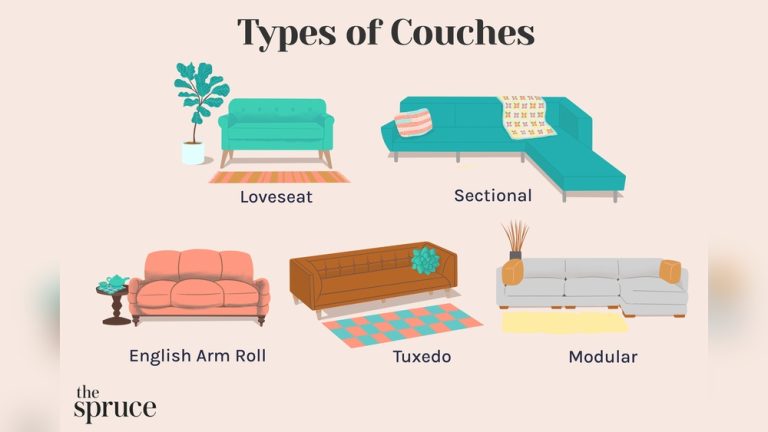
- Sectional sofas: Made of several pieces, perfect for large families or open-plan spaces.
- Loveseats: Smaller, for two people; good for tight spaces.
- Sleeper sofas: Can be turned into a bed, ideal for guests.
- Recliners: Have sections that lean back for extra comfort.
- Chesterfields: Known for their deep button tufting and rolled arms.
Key Factors To Consider When Choosing A Room Sofa
Selecting a sofa is a big decision. It affects daily comfort, the room’s look, and even your budget. Here are the main things to think about:
Size And Scale
Always measure your room before shopping. A sofa that’s too big can make a room feel crowded, while one that’s too small may look lost. Leave enough space to walk around and for other furniture.
Comfort
Test the sofa before buying. Sit, lie down, and check the firmness of the cushions. Think about how you’ll use it. For example, if you nap on the sofa, a deeper seat might be better.
Material And Upholstery
Fabric choices matter for comfort, maintenance, and style. Common options include:
- Leather: Durable, easy to clean, but can be cold or sticky.
- Cotton: Soft, breathable, but can stain easily.
- Polyester: Resists wrinkles and fading.
- Microfiber: Soft and stain-resistant.
Color And Style
Choose a color that fits your room’s theme. Neutral colors are flexible, while bold colors make a statement. Style should match your taste: modern, classic, rustic, or something else.
Durability
Check the frame, hardwood is stronger than softwood or metal. Look for strong joints, not just glue. Durable sofas last longer and save money over time.
Price
Set a budget before shopping. Sofas can range from a few hundred to several thousand dollars. Remember, a higher price often means better materials and build, but always compare options.
Functionality
Think about extra features. Do you need a sleeper sofa for guests? Would built-in storage help you save space? These features add to the sofa’s value.
Popular Room Sofa Styles
Sofa style influences both comfort and the look of your room. Here’s a look at popular styles and what sets them apart.
Modern
Modern sofas are known for clean lines, simple shapes, and neutral colors. They use materials like leather, metal, and smooth fabric. They fit well in contemporary homes.
Mid-century
These sofas have low profiles, tapered legs, and bold colors. They are inspired by 1950s, 60s design and look great in both old and new homes.
Traditional
Traditional sofas have curved arms, tufted backs, and rich fabrics. They feel formal and elegant, often with wood details.
Sectional
Sectional sofas break into pieces and can be arranged in different ways. They are perfect for large families or entertaining guests.
Sleeper
Sleeper sofas, also called sofa beds, can convert into a bed. They are practical for small spaces or guest rooms.
Recliner
Recliner sofas have seats that lean back and footrests that pop up. They are perfect for relaxing and watching movies.
Materials And Construction: What Really Matters
The inside of a sofa matters as much as the outside. Quality materials mean comfort and long life.
Frame
Most high-quality sofas use kiln-dried hardwood frames. This prevents warping and adds strength. Cheaper sofas may use softwood or metal, which don’t last as long.
Springs
Look for eight-way hand-tied springs or sinuous (S-shaped) springs for good support. Webbing is less durable.
Cushions
Foam is common, but higher-end sofas use a mix of foam and down for both softness and support. Test how the cushions feel, too soft can sag, too firm can be uncomfortable.
Upholstery
Choose upholstery based on use. For kids or pets, microfiber or leather is easier to clean. If style is most important, velvet or linen can look luxurious.
Here’s a quick comparison of some common sofa materials:
| Material | Durability | Comfort | Maintenance | Typical Use |
|---|---|---|---|---|
| Leather | High | Medium | Easy | Modern, traditional |
| Microfiber | High | High | Easy | Family, pet owners |
| Cotton | Medium | High | Medium | Classic, casual |
| Velvet | Low | High | Hard | Luxury, formal |
How To Match A Sofa To Your Room
A sofa shouldn’t just fit your space, it should also fit your lifestyle and design. Here’s how to find the right match.
Room Size And Layout
If your room is small, choose a slim, armless design or a loveseat. For larger spaces, a sectional can fill the area without looking empty. Always measure your doorways and hallways to make sure the sofa can get in.
Style Consistency
If your room has modern decor, look for sofas with straight lines and a low profile. For a cozy, traditional room, curved arms and tufted backs work well. Matching the sofa’s color to your walls or rug can help the room feel balanced.
Function First
Think about how you use the space. If you watch TV with family, a deep, cushy sectional is a good choice. For formal sitting rooms, choose something more upright and structured.
Practical Tips
- Use throw pillows to add color and comfort.
- A small side table or ottoman can make the sofa area more useful.
- Choose stain-resistant fabrics for homes with kids or pets.
Trends In Room Sofas
Sofa trends change every few years, reflecting how people live and what they value. Here are some of the top trends in recent years.
Eco-friendly Materials
Many people now want sofas made from sustainable wood or recycled fabrics. This reduces environmental impact and often means fewer chemicals in the home.
Modular Sofas
Modular or reconfigurable sofas let you move pieces around. This is great for changing needs or moving to a new home. You can start with a small set and add pieces later.
Bold Colors And Patterns
While neutral sofas are classic, more people are choosing bold colors like navy, green, or even pink. Patterns like checks or florals are also more common.
Smart Sofas
Some new sofas offer built-in USB ports, wireless charging, or hidden speakers. These features are perfect for modern living rooms where people use gadgets often.
Vintage And Retro Styles
Mid-century modern, Chesterfield, and art deco styles are making a comeback. These designs offer a unique look and often become conversation pieces.

Credit: www.nytimes.com
Room Sofa Placement: Making The Most Of Your Space
Where you put your sofa can change everything about your room. Placement affects how the space feels and how people use it.
Facing The Focal Point
Put your sofa facing the main point of interest, like a TV, fireplace, or window. This creates a natural gathering spot.
Floating Vs. Against The Wall
Pushing the sofa against the wall can open up floor space, but sometimes floating the sofa in the middle of the room makes the space feel more inviting. This works best in larger rooms.
Creating Conversation Areas
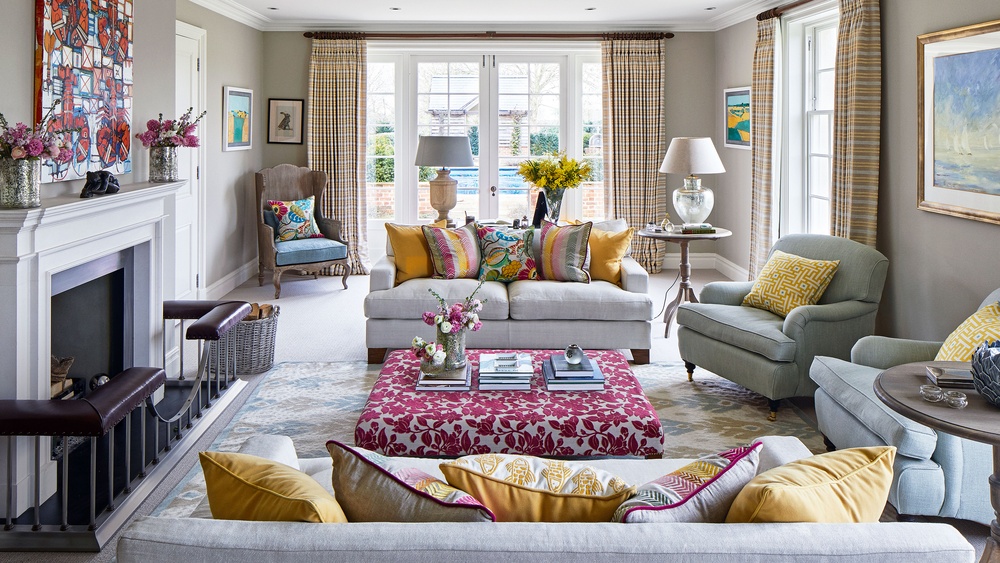
Arrange sofas and chairs to face each other for easy talking. An L-shaped sectional can make a cozy corner, while two sofas facing each other work well for formal rooms.
Traffic Flow
Leave enough space for people to walk around the sofa without bumping into things. A good rule is at least 18, 24 inches between the sofa and other furniture.
Here’s a simple comparison of sofa placements:
| Placement | Best for | Pros | Cons |
|---|---|---|---|
| Against Wall | Small rooms | Maximizes space | Can feel boxed in |
| Floating | Large rooms | More open feel | Takes up more space |
| Corner | Sectionals | Uses corners well | Limits arrangement |
| Conversation Area | Entertaining | Encourages talking | Needs more furniture |
Cleaning And Maintenance Tips
A great sofa can last many years if you care for it properly. Here’s how to keep yours looking and feeling good.
Regular Cleaning
Vacuum your sofa weekly to remove dust and crumbs. Spot-clean stains right away with a mild soap and water or a cleaner meant for your fabric type.
Fluff And Rotate Cushions
Cushions can lose shape over time. Fluff them and switch their positions every month to keep them even.
Protect From Sunlight
Direct sunlight can fade and weaken fabric. If possible, keep your sofa out of strong sun or use window coverings.
Dealing With Spills
For fabric sofas, blot (don’t rub) spills with a clean cloth. For leather, wipe spills quickly and use a leather conditioner twice a year.
Deep Cleaning
Professional cleaning once a year can help extend your sofa’s life, especially for delicate fabrics or if you have allergies.

Credit: www.homedepot.com
Budgeting For Your Room Sofa
A new sofa can be a big investment. Here’s how to make sure you get good value for your money.
Setting A Realistic Budget
Decide what you can spend before you start shopping. Sofas can range from $300 for simple models to $3,000 or more for designer pieces.
Where To Save And Where To Spend
Spend more on the frame and springs, they matter most for durability. Save on throw pillows or slipcovers, which can be changed later.
Shopping Tips
- Compare prices online and in stores.
- Look for sales, especially around holidays.
- Check return and warranty policies.
Here’s a table comparing what you get at different price points:
| Price Range | Frame Material | Upholstery | Expected Lifespan |
|---|---|---|---|
| $300, $800 | Plywood, softwood | Basic fabric | 3, 5 years |
| $800, $2,000 | Hardwood | Quality fabric, some leather | 7, 10 years |
| $2,000+ | Solid hardwood | Top-grain leather, premium fabrics | 10+ years |
Common Mistakes To Avoid
Even experienced shoppers can make errors when picking a sofa. Here are some pitfalls to watch out for.
- Not Measuring Your Space: Always measure your room and doorways before buying.
- Ignoring Comfort: Don’t pick a sofa just for looks. Comfort is key.
- Choosing the Wrong Fabric: Pick a fabric that matches your lifestyle.
- Not Thinking Long-Term: A trendy sofa might look good now, but will you like it in five years?
- Forgetting About Maintenance: Some materials need more care than others.
Pro Tip: Sit on several sofas before buying. What feels great in the store may feel different after a few hours at home.
:strip_icc()/102668454_preview-2aa19ac280c3419abc2148d9f389c1c9.jpg)
Credit: www.bhg.com
The Impact Of Sofas On Well-being
You might not think much about it, but the right sofa can impact your health and mood. Good posture support can prevent back pain. Soft, inviting fabrics can help you relax after a long day. And a sofa that fits your style makes your whole home feel more welcoming.
Research shows that people who feel comfortable in their living spaces tend to feel happier and less stressed ( Sponsored / affiliate links. As an Amazon Associate I earn from qualifying purchases. I may earn additional commission from eligible campaigns.Products related to this article