Different Types of Sofas: Ultimate Guide to Styles and Designs
If you walk into any living room, the sofa is usually the first thing you notice. It’s more than just a seat, it’s a place for family time, movie nights, quick naps, and sometimes, even a guest bed. But with so many types of sofas available, picking the right one can feel confusing. Do you need a sectional for a big family, a compact loveseat for a small apartment, or something stylish that stands out? Understanding the differences between each type can help you choose a sofa that fits your space, lifestyle, and taste.
In this guide, you’ll discover the most common and unique types of sofas, learn what makes each one special, and get practical tips for choosing the right style for your home. Whether you’re moving into your first apartment or refreshing your living room, knowing the options will help you make a confident decision.
Standard Sofa
The standard sofa is what most people picture when they think of a couch. It usually seats three people and has a simple, classic shape with two armrests and a straight back. This type is popular for its balance between comfort and function.
Standard sofas work well in most living rooms and come in a wide range of fabrics, colors, and designs. You’ll find them in both modern and traditional styles. They fit easily with other furniture and offer enough space for small gatherings or families.
One thing beginners often overlook is the depth of the seat. A deeper seat is great for lounging, while a shallower seat can be easier for older adults to get up from. In my experience, testing the depth in-store makes a big difference in comfort.
Sectional Sofa
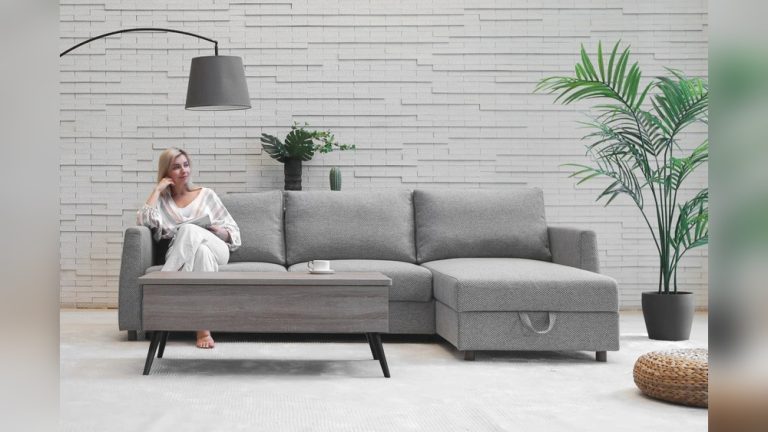
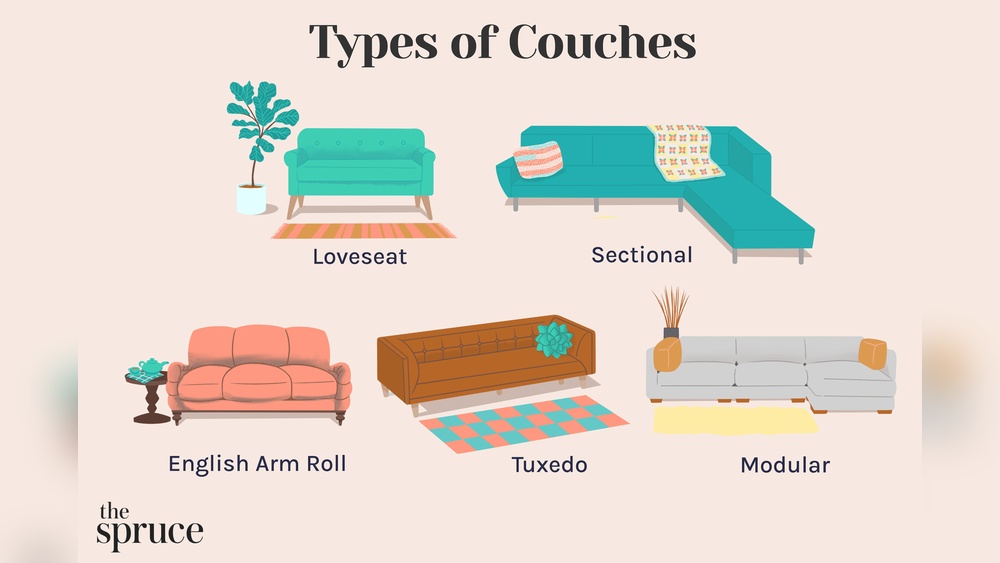
Sectional sofas are made up of multiple pieces, or “sections,” that you can arrange in different ways.
They are perfect for large families or people who like to entertain. Most sectionals seat between four and seven people, and some can be even bigger.The most common shapes are L-shaped and U-shaped. L-shaped sectionals fit well in the corner of a room, making good use of space. U-shaped sectionals create a cozy area for conversation. Some sectionals have reclining seats or built-in storage.
Sectionals are great for open-plan homes or rooms where you want to divide the space. However, they need more room than a standard sofa. If you move often, check if the sectional can be split into smaller pieces for easier transport.
Comparing Standard And Sectional Sofas
Here’s how standard and sectional sofas stack up for common needs:
| Feature | Standard Sofa | Sectional Sofa |
|---|---|---|
| Seating Capacity | Up to 3 | 4 or more |
| Room Size Needed | Small/Medium | Medium/Large |
| Flexibility | Low | High |
| Ideal For | Small families, couples | Large families, gatherings |
Loveseat
A loveseat is a smaller version of a standard sofa, designed to seat two people. It’s perfect for small apartments, bedrooms, or as extra seating in a living room. Loveseats are sometimes called “two-seaters.”
Because they’re compact, loveseats fit in spaces where a full sofa would be too large. They also pair well with larger sofas or armchairs. Some loveseats come with a reclining feature or storage space underneath.
A common mistake is buying a loveseat when you really need more seating. Think about your usual guests and how you use your space before choosing a loveseat as your main sofa.
Sleeper Sofa
Sleeper sofas (or sofa beds) combine seating and sleeping in one piece of furniture. During the day, they work as a normal sofa. At night, you can pull out a mattress hidden inside, turning it into a bed.
Sleeper sofas are ideal for small homes, guest rooms, or anyone who often hosts overnight visitors. Modern designs offer improved comfort, both as a sofa and as a bed. Some use memory foam mattresses or easy-fold mechanisms.
When choosing a sleeper sofa, check the size of the mattress (twin, full, or queen) and test how easy it is to convert. Some models are heavy and can be hard to open, especially for one person.
Recliner Sofa
The recliner sofa is all about comfort. One or more seats can recline backward, and a footrest pops up, letting you relax or even nap. Recliner sofas often have thick cushions and soft armrests.
These sofas are popular in home theaters, family rooms, or any place where you want to watch TV or read in comfort. Some high-end models offer power reclining, massage features, or USB charging ports.
A detail many people miss: Recliner sofas need extra space behind them to recline fully. Measure your room and leave enough distance from the wall.
Chesterfield Sofa
The Chesterfield is a classic British sofa style, known for its deep button-tufted back, rolled arms, and equal arm and back height. Traditionally, it’s covered in rich leather, but modern versions use fabric, velvet, and other materials.
Chesterfield sofas give any room a formal, elegant look. They work well in offices, libraries, or traditional living rooms. While they look luxurious, some people find the high arms less comfortable for lounging.
Pro Tip: The button tufting can collect dust, so regular cleaning is needed to keep a Chesterfield looking its best.
Mid-century Modern Sofa
Mid-century modern sofas feature simple lines, low backs, and slim wooden legs. Their look comes from furniture styles popular in the 1940s, 1960s. These sofas often use bright fabrics, bold colors, and minimal decoration.
This style is perfect for people who like a clean, uncluttered look. Mid-century sofas fit well in both small and large rooms. They’re lightweight and easy to move.
A beginner mistake is confusing “retro” with “mid-century. ” True mid-century sofas have a timeless appeal and often use high-quality materials.
Camelback Sofa
The camelback sofa is named for its curved back, which rises in the center like a camel’s hump. This elegant design often includes exposed wooden legs and sometimes decorative wood trim along the top.
Camelback sofas are often found in formal living rooms or traditional homes. The shape adds visual interest and makes them a statement piece.
While beautiful, the curved back may not provide the best support for long periods of sitting. If you want style and comfort, test the sofa in person before buying.
Tuxedo Sofa
A tuxedo sofa is easy to spot by its straight, boxy lines and arms that are the same height as the back. The name comes from its “formal” appearance, similar to a tuxedo suit.
Tuxedo sofas are often covered in velvet or linen. They fit well in modern or art deco interiors. The tall arms are great for piling up pillows or sitting sideways.
One less obvious detail: The straight arms make it harder to nap or stretch out, compared to sofas with lower arms.
Lawson Sofa
The Lawson sofa was created for comfort. It has a straight back and separate cushions for both the seat and back. The arms are lower than the back and can be either rolled or straight.
Lawson sofas are very versatile, they work in almost any home, from casual to formal. The loose back cushions make it easy to adjust for personal comfort.
Example: If you like to change your decor often, a Lawson sofa with removable covers is a smart choice, since you can wash or swap the covers as needed.

Credit: colemanfurniture.com
Bridgewater Sofa
Bridgewater sofas have softly rolled arms set slightly back from the front of the sofa, a gently sloping back, and loose seat cushions. The look is relaxed and inviting.
Bridgewater sofas are great for casual living rooms or family spaces. They usually have skirts that hide the legs, adding to their traditional look.
If you want both comfort and a classic look, Bridgewater is a safe option. Just note that the skirt can collect pet hair and dust more than exposed legs.
Modular Sofa
A modular sofa is made of individual pieces (modules) that you can connect in many ways. Unlike sectionals, you can add or remove seats as your needs change.
Modular sofas are perfect for people who move often or like to rearrange their space. Some brands offer modules with storage, built-in tables, or even charging ports.
A common beginner mistake is not checking the connectors. Make sure the modules lock together securely, or they can slide apart when you sit down.
Settee
The settee is an old-fashioned style, smaller than a loveseat and usually with a high back. Settees are often used in entryways, bedrooms, or as accent pieces.
Settees are great for adding style to a space, but they don’t offer much lounging comfort. Their upright backs and slim seats are better for short-term sitting.
Settees often come in bold fabrics or with carved wood details. They work best as a decorative extra, not as your main sofa.
Divan
A divan is a backless sofa or couch, often placed against a wall with cushions for support. The design comes from the Middle East, where people would lounge on divans for relaxation.
Divans are flexible, you can use them as a daybed, guest bed, or extra seating. Because they have no back, they require wall support and lots of pillows to be comfortable.
Pro Tip: Divans can double as beds for guests, but make sure the cushions are thick enough for sleeping.
Futon
The futon has Japanese origins and is known for its foldable design. During the day, it serves as a sofa; at night, it opens out flat to make a bed.
Futons are ideal for small apartments, dorm rooms, or multipurpose spaces. They’re usually lighter and cheaper than sleeper sofas, but the mattress may not be as thick.
A common issue is the frame: metal frames can squeak, and wood frames may loosen over time. Check the quality before buying.
Chaise Lounge
A chaise lounge (pronounced “shayz long”) is an upholstered seat with an extended cushion for stretching out your legs. It’s not a full sofa, but it can be part of a sectional or used alone.
Chaises are popular in bedrooms, sunrooms, or next to windows as a reading spot. Some people use them as accent pieces in a living room.
A chaise is best for relaxing, but not ideal for seating many people. If you have limited space, think carefully before choosing a chaise over a traditional sofa.
Sofa Bed Vs. Futon Vs. Daybed
Many people confuse sofa beds, futons, and daybeds. Here’s a clear comparison:
| Type | Main Use | Bed Conversion | Comfort Level |
|---|---|---|---|
| Sleeper Sofa | Seating & Guest Bed | Pull-out mattress | Good (depends on mattress) |
| Futon | Seating & Bed | Fold flat | Varies (mattress thickness) |
| Daybed | Bed & Lounging | No conversion, always a bed | Good for naps, less for sitting |
Outdoor Sofa
Outdoor sofas are made with weather-resistant materials like treated wood, metal, or plastic, and cushions that can handle sun and rain. They’re perfect for patios, decks, or gardens.
Outdoor sofas often come in modular styles, so you can arrange them as you like. Some include built-in tables or storage for cushions. When shopping, always check if the materials are UV-resistant and if the covers are removable for washing.
A tip that’s often missed: Even “waterproof” cushions last longer if you store them indoors during heavy rain or over winter.
Sofa Materials And Upholstery
The material and upholstery of a sofa play a big role in its comfort, look, and how long it lasts. Here are the most common options:
- Fabric: Soft and available in many colors and patterns. Easy to match with decor but can stain easily.
- Leather: Durable and stylish, but can feel cold in winter and sticky in summer.
- Microfiber: Feels soft like suede, resists stains, and is a good choice for homes with kids or pets.
- Velvet: Luxurious look and feel, but needs careful cleaning.
- Synthetic blends: Often cheaper and more durable, but may not feel as soft.
Some sofas use removable covers, which are easier to clean. If you have allergies, look for hypoallergenic fabrics.
Sofa Sizes And Room Fit
Picking the right sofa size is just as important as picking the style. Measure your space before shopping. A sofa that’s too big can crowd the room, while one that’s too small may look lost.
Here’s a quick guide to common sofa sizes:
| Sofa Type | Average Length | Average Depth | Seats |
|---|---|---|---|
| Loveseat | 52, 66 in | 30, 36 in | 2 |
| Standard Sofa | 72, 90 in | 32, 40 in | 3 |
| Sectional | 90, 120+ in | 36, 40 in | 4, 7 |
Pro Tip: Use painter’s tape to mark the sofa’s size on your floor before buying. This makes it easy to see how much space it will take.
Choosing The Right Sofa For Your Home
When choosing a sofa, think about:
- Room size: Measure the space and leave room for walking around.
- Usage: Will you use it daily or just for guests?
- Style: Match with your other furniture.
- Comfort: Test the seat depth, cushion firmness, and back support.
- Maintenance: Some
Products related to this article
Sponsored / affiliate links. As an Amazon Associate I earn from qualifying purchases. I may earn additional commission from eligible campaigns.