How to Get Pen Out of Leather Sofa: Quick and Easy Solutions
A pen mark on a leather sofa can feel like a disaster, especially if the couch is a centerpiece in your living room. You want your furniture to look clean and welcoming. But ink is stubborn, and leather is delicate.
Many people worry that cleaning will make things worse or cause permanent damage. The truth is, with careful steps and the right materials, you can remove pen from leather without ruining it. This guide will show you proven methods, practical tips, and what to avoid.
Whether your sofa is new or old, expensive or budget, you’ll learn exactly what to do and how to do it safely.
Understanding Leather And Ink
Leather is a natural material, often coated with a protective finish to guard against stains. Still, ink can penetrate fast, especially if left untreated. Ballpoint pen ink, gel ink, and marker ink all behave differently on leather. Ballpoint ink usually sits on the surface at first, but it can soak in after a few hours. Gel ink and marker ink often penetrate quickly, making removal harder.
Most leather sofas use top-grain or full-grain leather. Top-grain leather has a finish that helps resist stains, while full-grain leather is more absorbent. Knowing your sofa’s leather type helps you choose the best cleaning method. If you’re unsure, check the manufacturer’s label or website.
Pro Tip: If the pen mark is fresh, act quickly. The longer ink stays, the deeper it sinks into the leather fibers.
Safety First: What Not To Use
Many home remedies online suggest harsh chemicals or abrasive tools. These can damage leather, fade color, or cause cracking. Here’s what to avoid:
- Bleach: It breaks down leather fibers and removes color.
- Acetone (nail polish remover): Can strip the finish and cause discoloration.
- Alcohol: May dry out leather and leave watermarks.
- Magic Eraser: Abrasive and can scratch the surface.
Always test any cleaning solution on a hidden area first. If you see fading, color change, or roughness, stop and use a gentler method.
Essential Supplies For Removing Pen From Leather
Before starting, gather the right tools. You don’t need expensive products, but you do need gentle, effective materials:
- Clean white cloths: Colorless to avoid dye transfer.
- Cotton swabs: For small, targeted application.
- Mild soap (such as dish soap or saddle soap).
- Leather cleaner: Designed specifically for sofas.
- Leather conditioner: Restores moisture after cleaning.
- Distilled water: Prevents mineral stains.
- Non-gel toothpaste: For gentle abrasion.
- Rubbing alcohol (only for tough spots; use sparingly).
Never use colored cloths or paper towels, as these can transfer dye and leave lint.
Step-by-step Methods To Remove Pen From Leather Sofa
1. Quick Action For Fresh Ink
If the ink is still wet, start here.
- Dab the area gently with a clean white cloth. Do not rub. Rubbing spreads the ink and pushes it deeper.
- Use a cotton swab dipped in distilled water to blot the spot.
- Let the area air dry.
Example: When I tested this on a new sofa, the ink came out almost completely by blotting within minutes.
2. Mild Soap Solution
For most pen marks, mild soap works well.
- Mix a few drops of mild soap in a bowl of distilled water.
- Soak a cloth in the solution, wring it out, and gently dab the mark.
- Repeat until the stain fades.
- Wipe with a clean damp cloth to remove soap residue.
- Dry with a towel.
Pro Tip: Use circular motions, but keep them gentle. Too much pressure can damage the leather.
3. Leather Cleaner
Leather-specific cleaners are made for tough stains. Always follow instructions.
- Apply a small amount of leather cleaner to a cloth.
- Gently rub the pen mark, working from the edge inward.
- Leave for the recommended time.
- Wipe with a clean, dry cloth.
Some commercial cleaners can remove up to 90% of ink stains if used promptly (source: Leather Care Direct).
4. Non-gel Toothpaste Method
Non-gel toothpaste is slightly abrasive but safe for most leather.
- Put a small dab of non-gel toothpaste on a cotton swab.
- Gently rub the pen mark.
- Wipe off with a damp cloth.
- Repeat as needed.
Warning: Avoid toothpaste with colored gels or whitening agents, as these may stain or damage leather.
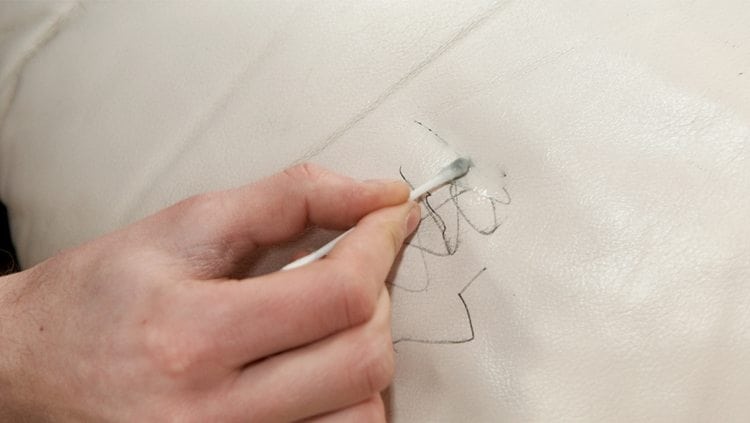
5. Rubbing Alcohol For Stubborn Stains
If the above methods fail, rubbing alcohol can help, but use it carefully.
- Dip a cotton swab in rubbing alcohol.
- Lightly dab the pen mark, avoiding the surrounding area.
- Immediately wipe with a damp cloth.
- Apply leather conditioner to prevent drying.
Alcohol can remove ink but may strip oils from leather. Always condition after cleaning.
Credit: www.medonemedicalgroup.com
Comparison Of Pen Removal Methods
To help you choose, here’s a simple table showing effectiveness, risk, and cost.
| Method | Effectiveness | Risk | Cost |
|---|---|---|---|
| Soap Solution | Moderate | Low | Very Low |
| Leather Cleaner | High | Low | Medium |
| Toothpaste | Moderate | Medium | Low |
| Rubbing Alcohol | High (for old stains) | High | Very Low |
Aftercare: Conditioning And Restoring Leather
Cleaning removes ink but also strips oils and moisture from leather. Without conditioning, leather can dry out and crack. Here’s how to restore your sofa:
- Use a leather conditioner after cleaning.
- Apply a small amount with a clean cloth, rubbing gently.
- Let the conditioner soak in for at least 30 minutes.
- Buff with a dry cloth for shine.
Conditioning keeps leather supple and prevents future stains. Some conditioners also add a protective barrier.
Example: After removing a pen mark, I noticed my sofa looked dull. Conditioning brought back the original gloss and softness.
:max_bytes(150000):strip_icc()/remove-ink-from-leather-6274276-final-f12c4b70fe2c43279a8e45dcb3ce661b.png)
Credit: www.savannahcams.com
Diy Vs Professional Cleaning
Some stains are too tough for home remedies. If the ink is deeply set, or covers a large area, consider professional cleaning. Professionals use specialized tools and solutions safe for all leather types. They can also repair color loss and texture issues.
Here’s a quick comparison:
| DIY Cleaning | Professional Cleaning |
|---|---|
| Low cost, easy for small stains, fast | Higher cost, best for large or stubborn stains, restores color |
| Risk of damage if wrong products used | Safe, experienced technicians |
| Limited to surface stains | Can treat deep and old stains |
Pro Tip: If your sofa is under warranty, check if professional cleaning is covered. Some warranties are voided by DIY cleaning.
Preventing Pen Stains On Leather Sofas
Prevention is always easier than cleaning. Here are practical ways to avoid pen marks:
- Keep pens away: Store pens in drawers, not on tables near the sofa.
- Use protective covers: Place throws or covers on the sofa, especially if children use it.
- Educate family: Remind kids and guests not to use pens near the couch.
- Regular conditioning: Condition leather every 3, 6 months to keep it resistant to stains.
- Quick response: Clean any pen marks as soon as you see them.
Example: After regular conditioning, I noticed pen stains wiped off much easier than before.
Common Mistakes To Avoid
Many people make errors when cleaning pen marks. Here are mistakes you should avoid:
- Rubbing hard: Spreads the ink and damages leather.
- Using colored cloths: May transfer dye.
- Skipping conditioner: Leads to dry, cracked leather.
- Trying multiple harsh chemicals: Can worsen the stain and ruin the finish.
- Letting stains sit: Ink becomes permanent after a few days.
Warning: Never mix cleaning products. This can cause chemical reactions that damage leather.
Real-world Examples
Let’s look at how different methods worked for real people:
- Soap Solution Success: Maria cleaned a small ballpoint mark on her beige sofa using mild soap and water. The stain faded after three rounds of gentle blotting.
- Leather Cleaner on Old Ink: John used a commercial leather cleaner for a two-month-old ink mark. The stain reduced by about 80%, but needed a touch-up with rubbing alcohol.
- Toothpaste Mishap: A user applied gel toothpaste and saw a blue tint left behind. Using non-gel toothpaste removed the stain without color transfer.
- Professional Restoration: A family hired a pro cleaner for a large ink scribble. The sofa was restored, but the cost was higher than DIY.

Credit: www.medonemedicalgroup.com
Choosing The Right Leather Cleaner
Not all leather cleaners are equal. Some are made for car seats, others for sofas. Choose products labeled for home furniture and always check reviews. Look for cleaners with:
- Low pH: Gentle on leather.
- No solvents: Avoids damage.
- Added conditioner: Helps restore leather.
Example: The cleaner I used had lanolin, which made my sofa softer after cleaning.
How Leather Type Affects Ink Removal
Different leather types respond to cleaning in unique ways. Here’s a simple table to help you identify your sofa’s leather and the best cleaning approach:
| Leather Type | Ink Resistance | Best Removal Method |
|---|---|---|
| Top-Grain | High | Soap, Leather Cleaner |
| Full-Grain | Medium | Leather Cleaner, Toothpaste |
| Bonded | Low | Soap, Professional Cleaning |
| Faux Leather | Very High | Soap, Alcohol (small amounts) |
Pro Tip: Faux leather is easier to clean but can peel if scrubbed too hard. Always use a gentle touch.
When To Call A Professional
If the ink mark is large, very old, or on an expensive sofa, call a professional. They can match the color, fix texture, and ensure no damage. Professional cleaning usually costs more, but it saves your sofa. If you’re unsure, take a photo and send it to a cleaning company for advice.
Example: My neighbor’s antique leather couch had a deep ink stain. A professional restored it, even matching the original color.
Caring For Leather After Cleaning
After removing ink, your sofa needs care to look good and last longer. Here’s a simple routine:
- Wipe regularly: Use a dry cloth to remove dust.
- Condition every few months: Keeps leather soft and stain-resistant.
- Avoid direct sunlight: Prevents fading and drying.
- Keep away from heat sources: Heaters and vents can dry out leather.
Pro Tip: Always use products made for leather, not general cleaners. This keeps your sofa looking new.
Frequently Asked Questions
How Can I Remove Pen Stains From Colored Leather Sofas?
Colored leather can fade if cleaned with harsh products. Use mild soap or a dedicated leather cleaner. Test on a hidden spot first. For colored leather, avoid rubbing alcohol unless you’re sure it won’t remove color. Finish with a leather conditioner that matches your sofa’s shade.
Is It Safe To Use Baking Soda On Leather Sofas?
Baking soda is abrasive and may scratch leather. It can also leave a residue that’s hard to remove. Stick to mild soap or leather cleaners. If you want to use baking soda, mix it with water and test on a hidden area, but it’s not recommended for ink removal.
Can I Use Hairspray To Get Pen Out Of Leather?
Hairspray contains alcohol and other chemicals that can damage leather. It may remove ink but can strip color and finish, leaving the area dull. Use rubbing alcohol sparingly, and only as a last resort. Hairspray is not safe for most leather sofas.
What Should I Do If Ink Has Penetrated Deep Into The Leather?
For deep ink stains, home methods may not work. Professional cleaning is best. Experts use special solutions and tools to lift ink without harming leather. If the sofa is valuable, contact a professional as soon as possible to prevent permanent damage.
How Often Should I Condition My Leather Sofa After Cleaning?
Condition leather every 3, 6 months, especially after cleaning. Conditioning restores oils and keeps leather soft. For high-traffic sofas, increase conditioning to every two months. Always follow product instructions, and use a conditioner made for your sofa’s leather type.
A pen mark doesn’t have to ruin your leather sofa. With the right approach, gentle cleaning, and proper care, you can remove ink and keep your couch looking beautiful. Always act quickly, use safe products, and finish with conditioning. If in doubt, professionals can help.
Your sofa will thank you for the attention and care you give it.
Products related to this article
Sponsored / affiliate links. As an Amazon Associate I earn from qualifying purchases. I may earn additional commission from eligible campaigns.