Best Odor Eliminators for Couch Smells (2026): we compared
For fabric and microfiber couches, the best odor eliminators are enzyme sprays for urine, vomit, and food spills, activated-charcoal or baking-soda treatments for stale smells, and a deep-clean step only when odors have soaked into cushions; leather needs a pH-safe leather cleaner, not a wet spray. The wrong product can leave rings, stiffen leather, or push odor deeper into the foam. I match smell type and upholstery material first, then decide between a spray, gel, powder, or full clean.
This guide is part of our Sofa cleaning and stain removal series.
Quick comparison
| Product | Badge | Best for | Price | ||
|---|---|---|---|---|---|
 |
Rocco & Roxie Enzyme Stain & Odor Eliminator, 32 Fl OzRocco & Roxie Supply Co. | Our pick | 32 fl oz enzyme cleaner | $23.92
Price as of 30 Sep 2026
|
View |
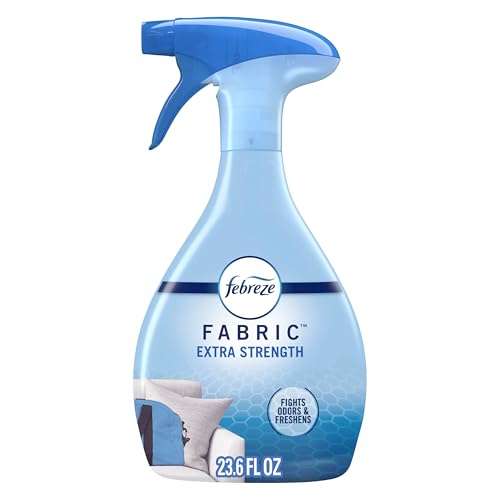 |
Febreze Fabric Spray Air Freshener, Odor-Fighting FabricFebreze | Budget pick | 23.6 fl oz fabric spray | $5.94
Price as of 30 Sep 2026
|
View |
 |
Febreze Plug-In Air Freshener, Odor-Fighting Scented OilFebreze | Also great | Plug-in freshener, 4 refills | $18.94
Price as of 30 Sep 2026
|
View |
 |
Chemical Guys, Total Reset Odor Eliminator Fogger, CarChemical Guys | Upgrade pick | Deep-penetrating aerosol fogger | $19.98
Price as of 30 Sep 2026
|
View |
For most sofas, a fabric-safe odor eliminator spray is the first move because it reaches the surface fast and handles mixed household smells well. If the odor keeps returning after the sofa dries, the source is usually inside the cushion core, and that is where an enzyme cleaner or a deep-clean step matters more than a masking spray.
According to — Good Housekeeping tested more than 30 odor-removing products.
How we chose
Odor eliminators do a different job from air fresheners. These picks are built to attack odor molecules at the source when that is possible, and they stay within upholstery-safe use cases.
The main filters included odor type, upholstery material, dwell time, drying time, and overspray control. Cost also mattered, because a pet-urine treatment can take multiple applications, while a light stale-smell fix should not burn through a whole bottle.
We also compared format fit. Sprays are useful for couch surfaces, gels fit nearby spaces, and deep-clean follow-up matters when the smell is in foam, padding, or a cushion core.

What kind of couch smell is it?
The source tells you almost everything. Surface smells usually respond to a spray or mist, while urine, mildew, and smoke often survive in padding and need a second step. If the couch smells only after humidity rises or after a cushion has been closed up for days, the odor is often trapped in the foam or airflow around the base.
Pet urine and dander
Urine odors are the toughest to fake away. Enzyme and bacteria-targeting cleaners are the right first choice because they break down the source material instead of covering it. Dander odors are lighter, but they still cling to fabric weave and cushion seams.
Smoke and cooking odors
Smoke and cooking smells cling to fibers and often spread through the room around the couch. A spray can help on the outer layer, but heavy smoke usually needs repeat treatment and sometimes a deep-clean follow-up when the smell returns after drying.
Musty smell from humidity or trapped moisture
Musty couch smells usually come from humidity, trapped bacteria, the cushion core, and poor under-cushion airflow. If the smell gets stronger after rain or in a closed room, the problem is often moisture inside the sofa rather than the upholstery surface itself.
Food spills and body odor
Food spills leave a sticky residue that can keep smelling even after the spot looks dry. Body odor is usually a lighter buildup on the outer fabric, but it can settle into armrests and headrest zones, where repeated contact loads the fibers over time.
Pet odor neutralizer: best for urine and dander smells
This is the best fit when a couch smell comes from urine, drool, or pet dander rather than simple stale air. Enzyme formulas are made for source cleanup, which matters on fabric and microfiber where liquid can wick below the visible spot and into the padding.
It stands out because it is made for carpets, furniture, and clothing, and the chlorine-free approach is easier to live with on upholstery than harsher cleaners. For a sofa accident, this format is usually a better buy than a general deodorizer because it spends its effort on the material causing the smell.
The honest drawback is that enzyme cleaners need patience. They are weaker on old, dried-in urine that has reached the cushion core, and they often need repeat applications or a deep-clean follow-up if the odor returns after the first dry-down.
When fabric-safe sprays beat all-purpose deodorizers
Fabric-safe pet odor neutralizers are better when the source is a known accident and the goal is to break down the residue in the fibers. General deodorizing sprays can make the couch smell cleaner for a few hours, but they do less when the odor has soaked below the surface.
When the smell is in the cushion core
If the smell gets stronger after sitting on the cushion, or returns when the room warms up, the core is likely affected. In that case, the cleaner needs contact time, and the sofa may need a deeper extraction step rather than another light mist.
Upholstery-safe odor eliminator spray: best for everyday couch smells
This is the best all-around pick for light stale odors, cooking residue, and mixed household smells on hard-to-wash upholstery. It is a fabric spray with a fine mist, which makes it easier to control on sofas than a wetter cleaner that can leave rings or saturate seams.
It is especially useful when the odor is on the outer fabric, not in the foam. The formula is meant to fight embedded odors instead of simply masking them, and it is a practical choice for renters who want a fast treatment without a full cleaning setup.
The drawback is overspray control. GH warns that overspray can make floors slippery, and some food-contact areas may need rinsing after spraying. It is a good couch cleaner, but it is still a spray, so moisture discipline matters.
How far a fine mist can go
A fine mist works best on armrests, seat tops, and back cushions where odor lives in the outer fabric. It is less reliable on thick, overstuffed cushions because the odor can sit lower than the spray reaches.
How long to let it sit on upholstery
Let the product sit long enough to contact the odor source, then allow the sofa to dry completely before judging the result. If the smell is still present after drying, that usually means the odor is embedded deeper, and another pass or a stronger cleaner is needed.
When food-contact areas need extra care
Areas where people eat on the couch need more caution than a normal fabric section. A light application is safer than soaking the area, and any residue on those spots should be handled according to the label because some surfaces may need rinsing.
Disinfecting mist: best for musty and high-touch cushions
This format is useful when the couch problem is partly hygiene and partly odor, such as a musty high-touch cushion after illness, spills, or long periods of use. Clorox Disinfecting Mist can sanitize upholstery in as little as five minutes, and it works on both hard and soft surfaces.
GH notes that its light, clean scent was not overpowering, which matters on sofas where strong perfume can turn into a second problem. This kind of mist is better for sanitizing the surface layer than for rescuing deeply soaked padding.
The drawback is that sanitizing is not the same as odor removal. Some surfaces need rinsing after spraying, and if the smell has moved into the cushion core, a five-minute claim will not solve that by itself.
What the five-minute upholstery claim can and cannot do
The five-minute claim is useful after spills, around shared seating, or when a sofa needs a sanitation step before deeper cleaning. It does not mean the odor source has been removed from foam or batting, which is where many couch smells actually live.
When sanitizing is useful after spills or illness
Use a disinfecting mist when the concern is bacteria on a frequently touched cushion surface, not when the couch has a heavy urine or smoke load. It can be part of the sequence, but it should not be the only step if the odor is persistent.
Odor-removing gel: best for low-maintenance odor control
This is the better fit for the air around a couch than for the couch itself. Fresh Wave Odor Removing Gel is a continuous freshness option, and GH says it can last up to 60 days, which makes it useful for nearby closets, bathrooms, or small spaces with a sofa in them.
It works best when the couch smell is light and the room needs ongoing support, not when the upholstery is holding a stubborn source odor. A gel can reduce the background smell in the area, but it will not pull urine or mildew out of padding.
The drawback is simple: it does not solve embedded sofa odors. Use it as a maintenance tool near the couch, not as the main fix for a dirty cushion core or wet foam.
Where gels work better than sprays
Gels are useful when a room needs quiet, continuous odor control without repeated spraying. They are also helpful when a couch sits in a compact room where stale air tends to linger around textiles.
Why they fit small rooms near a couch
Small rooms trap odor faster, especially if the couch is against a wall with poor airflow. A gel can help with the background smell, but it should sit alongside cleaning, vacuuming, and drying rather than replacing them.
Couch odor decision table

| Odor source | Sofa material | Recommended format | Won’t work well if |
|---|---|---|---|
| Pet urine | Fabric | Enzyme spray, then deep-clean if odor returns | The urine reached the cushion core or the spot was never fully dried |
| Pet urine | Microfiber | Fabric-safe enzyme spray with spot test | You soak the microfiber or ignore wicking into the padding |
| Pet urine | Leather | Leather-safe cleaner, not a wet deodorizer spray | You treat it like fabric or leave moisture sitting on the finish |
| Smoke | Fabric | Upholstery-safe spray, repeat applications, deep-clean follow-up | The odor has been sitting for weeks in foam or cushion seams |
| Smoke | Microfiber | Fine-mist spray with careful drying and airflow | You expect one pass to handle heavy smoke saturation |
| Smoke | Leather | Leather-safe cleaner and room ventilation | You use a water-heavy odor spray that can mark the finish |
| Mildew | Fabric | Disinfecting mist plus full drying and airflow | The cushion core stayed damp or the humidity problem is still active |
| Mildew | Microfiber | Disinfecting mist or upholstery-safe spray, then dry thoroughly | Airflow under the sofa is poor and moisture keeps returning |
| Mildew | Leather | Leather-safe cleaner and dehumidifying the room | You apply a wet mist directly to leather stitching or seams |
| Food | Fabric | Upholstery-safe spray after blotting, then rinse if label says so | Grease or sugar has soaked into the cushion fill |
| Food | Microfiber | Fine-mist upholstery spray with spot test | You leave liquid sitting on the surface too long |
| Food | Leather | Leather-safe cleaner | You use baking soda on a finish that needs gentle pH-safe care |
| Body odor | Fabric | Upholstery-safe spray, then vacuum and air out | The odor is mostly in the cushion core or the foam is aged |
| Body odor | Microfiber | Fine-mist spray with controlled drying | The sofa has poor airflow and the smell keeps returning |
| Body odor | Leather | Leather-safe cleaner | You use a fabric deodorizer that leaves residue on the finish |
This table is the quickest way to avoid the common mistake: using a room spray on a couch problem that sits inside the cushion. If the smell comes back after drying, move from spray to deep-clean follow-up instead of repeating the same light treatment forever.
Which one should you buy?
If the couch has a pet accident, buy the enzyme cleaner first. If the issue is smoke or cooking residue on fabric, the upholstery-safe odor eliminator spray is the more versatile buy. For musty sofas, the best fix is usually cleaning plus drying, with a disinfecting mist as a support step when hygiene matters.
Best for pet accidents
Choose the enzyme product. It is the most logical pick for urine and dander odors because it targets the source rather than the smell in the air, and that matters once the liquid has worked into seams or foam.
Best for smoke or cooking smells
Choose the fabric spray for light to moderate odor, then move to a deeper clean if the smell comes back after drying. Smoke usually needs repeat treatment, and a single pass is often too optimistic for upholstered furniture.
Best for musty fabric or microfiber sofas
Start with drying, vacuuming, and airflow. If the odor remains, a disinfecting mist can help on the surface, but persistent mustiness usually means moisture or bacteria is deeper in the cushion core or under the cushion.
Best for leather
Use a leather-safe cleaner. Odor eliminators made for fabric can wet the finish, leave marks, or create stiffness, so leather needs a different approach and less moisture overall.
Best budget pick for light stale odors
The Febreze fabric spray is the budget choice for everyday stale smells on sofas. Its appeal is cost per use for routine odor control, but it is still a surface fix, so heavy pet or mildew odors need a stronger route.
How to get smell out of a fabric couch?
Start with dry work, not wet work. Vacuum the couch thoroughly, air it out, then apply a fabric-safe odor eliminator that matches the source. If the smell returns after drying, the odor is likely in the padding or foam, and that is the point where a deep-clean step is worth it.
A practical sequence that works
- Vacuum seams, crevices, and under cushions.
- Check whether the smell gets stronger when the cushion is pressed.
- Use the right spray or enzyme cleaner for the odor type.
- Let the upholstery dry fully before repeating the smell test.
- If the odor returns, clean deeper or extract the cushion fill.
Can you use Febreze on a couch?
Yes, if the formula is made for fabric and the couch material can handle a light spray. It works well for everyday odors on upholstery, but it is usually a temporary fix when the smell has soaked into foam, dried-in pet urine, or mildew from trapped moisture.
When it is enough
It is fine for light stale odors, body odor on seat surfaces, and general maintenance between cleanings. Use a fine mist, avoid over-wetting, and let the fabric dry fully before deciding whether it worked.
When it is only a stopgap
If the odor returns after drying, the source is deeper than the surface. That is common with smoke, urine, and humidity-driven mustiness, where the couch needs more than a fragrance-forward pass.
What removes pet urine smell from a sofa?
An enzyme-based pet odor neutralizer is the first choice for urine smell on a sofa. It is more useful than a general deodorizer because it targets the residue that keeps generating odor, especially on fabric, microfiber, and cushion seams.
What to do when the spot is old
Old urine often needs more than one treatment because the odor can wick into foam. If the smell comes back after the couch dries, the core is likely affected and a deep-clean or extraction step becomes the better route.
Is baking soda or an upholstery deodorizer better for couches?
Baking soda is useful for light stale smells and short-term odor absorption, especially after the sofa has been vacuumed and dried. An upholstery deodorizer is better when the odor source is active, more stubborn, or tied to pet accidents, smoke, or food residue.
When baking soda works
It can help on surface odor and on cushions that simply smell closed-up. It is a low-cost first pass, but it does not break down urine, smoke residue, or mildew in the way a source-targeting cleaner can.
When it falls short
If the smell is in the cushion core, baking soda will usually be too light. That is where an odor eliminator spray or enzyme cleaner does more, followed by drying and, if needed, a deeper clean.
Can odor eliminators be used on leather sofas?
Sometimes, but only if the label clearly says it is safe for leather or the formula is a leather cleaner. Leather is less forgiving than fabric, and water-heavy sprays can leave marks, dull the finish, or create stiffness around seams and cushions.
What leather needs instead
A pH-safe leather cleaner is usually the better choice. Use very little moisture, test first in a hidden area, and avoid soaking seams where liquid can collect.
How long should an odor eliminator sit on upholstery?
It should sit long enough to contact the odor source, then dry fully before you judge the result. Many couch odors need more than one cycle, especially if the smell is in padding, foam, or a cushion core rather than only on the fabric surface.
What to watch for after the first pass
If the smell drops while the couch is wet but returns when it dries, the treatment was only reaching the top layer. That is a sign to repeat with the right product or move to a deeper clean rather than adding more fragrance.
What should I use for musty couch smells?
Use drying, airflow, and a cleaning step before anything else. Musty couch smells usually come from humidity, trapped bacteria, cushion cores, and poor under-cushion airflow, so a spray alone is often only part of the fix. A disinfecting mist can help on the surface, but deep moisture needs to be removed.
Best order for mustiness
Pull the cushions, vacuum the seams, dry the sofa thoroughly, and improve airflow underneath. If the smell remains, treat the surface and check whether the odor returns after the couch has been fully dried again.
Frequently asked questions
What is the best odor eliminator for couch smells?
For most couches, the best odor eliminator is a fabric-safe spray for everyday smells and an enzyme cleaner for pet accidents. The right pick depends on whether the odor is on the surface or trapped in the foam, because sprays help the first case far more than the second.
Products related to this article
Sponsored / affiliate links. As an Amazon Associate I earn from qualifying purchases. I may earn additional commission from eligible campaigns.