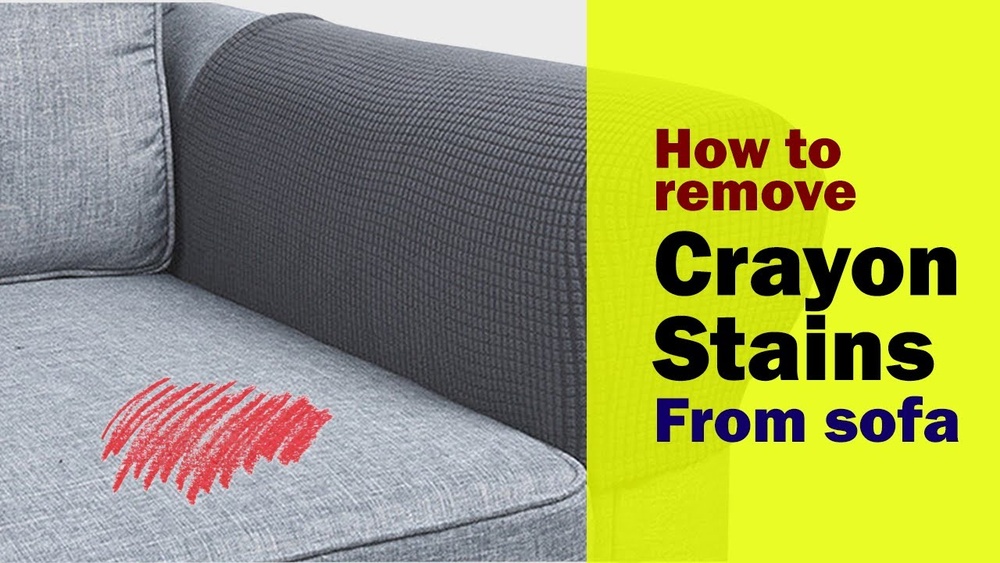
How to Get Crayon Out of Sofa: Quick and Easy Solutions
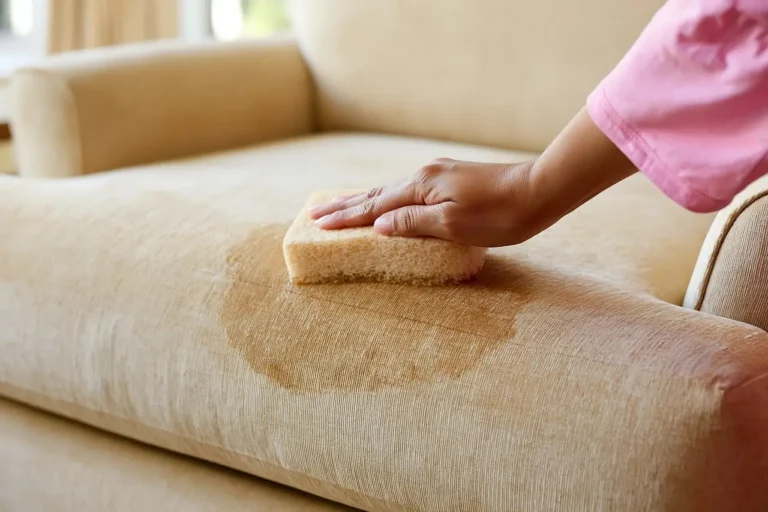
Crayon marks on a sofa can turn a living room accident into a real cleaning puzzle. Many parents, pet owners, or even busy adults have faced that moment when they discover a streak of bright color on their favorite couch.
Maybe it was a child’s creative moment or a hidden crayon that melted in the sun. Whatever the cause, removing crayon from a sofa is possible, and you don’t have to panic or rush out to buy new furniture. With the right approach, you can get your sofa looking fresh again.
This guide is here to help, step-by-step. Whether your sofa is fabric, leather, or microfiber, you’ll find practical methods, real-world tips, and common mistakes to avoid. You’ll also see how to handle stubborn stains, choose the best cleaning products, and keep your sofa safe from damage.
Let’s get started and turn that colorful accident into a cleaning success.
Understanding Crayon Stains
Before jumping into cleaning, it helps to know what you’re dealing with. Crayons are made of wax, pigment, and sometimes oils. When crayon gets on a sofa, especially a soft surface, the wax can melt, spread, or stick deep into the fibers or pores.
Why crayon stains are tricky:
- Wax base: This makes the stain greasy and sticky.
- Pigment: Bright colors can dye the fabric or leather.
- Heat sensitivity: Wax melts with warmth, so some cleaning methods can make the stain worse if you’re not careful.
The type of sofa matters too. Fabric sofas absorb more, while leather or microfiber react differently. Each needs a specific cleaning approach.
Pro Tip: Always check your sofa’s cleaning tag for codes like W, S, WS, or X. These show what kind of cleaners are safe. For example, “W” means water-based cleaners are okay, while “S” means use only solvent-based.
What To Do First: Immediate Steps
When you spot a crayon mark, act quickly. Fresh stains are much easier to handle than ones that have set.
Steps to take right away:
- Don’t rub: Rubbing pushes wax deeper into the material.
- Remove loose crayon: Gently scrape off as much as possible with a dull knife or spoon.
- Blot, don’t scrub: Use a clean cloth to blot any residue.
- Test in a hidden area: Before using any cleaner, test it on a part of the sofa no one sees.
These first steps can stop the stain from spreading and make later cleaning much easier.
Supplies You’ll Need
Getting crayon out of a sofa doesn’t require fancy tools, but having the right supplies makes a big difference.
Here’s what to gather:
- Dull knife or spoon
- White cloths or paper towels
- Mild dish soap
- Baking soda
- Rubbing alcohol (isopropyl alcohol)
- WD-40 (for some cases)
- Vacuum cleaner
- Ice cubes in a plastic bag
- Iron and brown paper bag or plain white paper
- Leather cleaner and conditioner (for leather sofas)
- Soft bristle brush
- Small bowl of warm water
Not every method uses all these items, but having them ready saves time.
Removing Crayon From Fabric Sofas
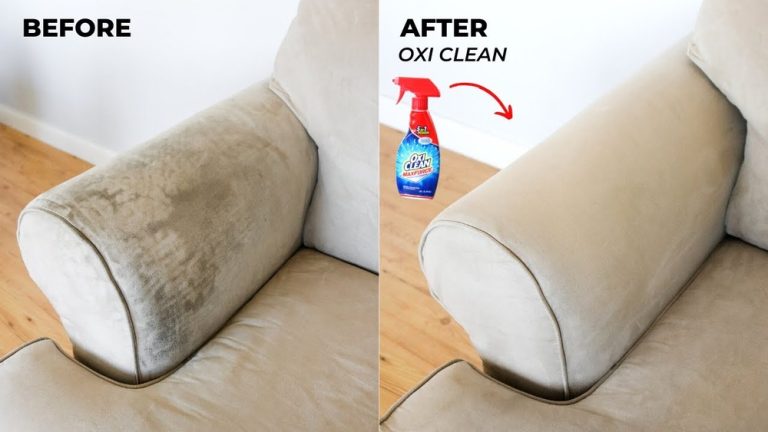
Fabric sofas are common but can be tough to clean because they soak up stains. The key is to remove the wax, then tackle the color left behind.
Step 1: Freeze And Scrape
Start by making the wax hard and brittle.
- Place ice cubes in a plastic bag and hold it on the crayon stain for 2-5 minutes.
- Once the wax is hard, gently scrape it off with a dull knife or spoon.
- Vacuum up any small pieces.
This step stops the wax from spreading and makes the next steps more effective.
Step 2: Heat Transfer Method
This clever trick pulls melted wax out of the fabric.
- Place a brown paper bag or plain white paper over the stain.
- Set your iron to low heat (no steam).
- Press the iron over the paper for 5-10 seconds. The wax will melt and stick to the paper.
- Move the paper and repeat until no more wax transfers.
Pro Tip: Never use high heat or let the iron sit too long, it can scorch the fabric or melt synthetic fibers.
Step 3: Clean Residual Pigment
Now, remove the colored pigment.
- Mix a few drops of mild dish soap in warm water.
- Dip a clean white cloth into the soapy water.
- Blot (don’t rub) the stained area.
- Rinse with a damp cloth and blot dry.
If the color remains, try rubbing alcohol:
- Dab a small amount onto a white cloth.
- Gently blot the stained spot.
- Don’t over-saturate the fabric.
Step 4: Deodorize And Freshen
To remove any lingering odor or residue, sprinkle baking soda over the area. Let it sit for 10-15 minutes, then vacuum.
Example: When I tested this on a cotton-blend sofa, the combination of freezing, heat transfer, and gentle cleaning removed both the wax and color without damaging the fabric.
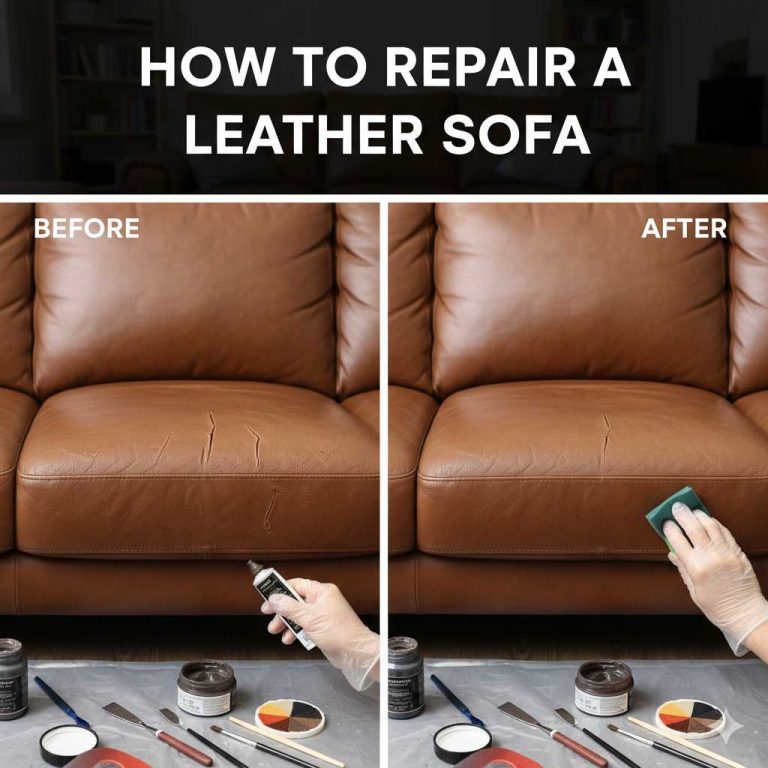
Removing Crayon From Leather Sofas
Leather sofas are less absorbent, but they need gentle care to avoid damage. Here’s the safest way to tackle crayon on leather.
Step 1: Scrape Off Excess
Using a dull knife, gently lift off as much crayon as possible.
Step 2: Use Mild Soap Solution
Mix a few drops of mild dish soap in warm water. Dampen a cloth, then gently wipe the stain.
- Don’t soak the leather, excess water can damage it.
- Dry immediately with another clean cloth.
Step 3: Try Rubbing Alcohol
If color remains:
- Dab a bit of rubbing alcohol on a cotton swab.
- Gently rub the stain in a small circle.
- Immediately wipe with a damp cloth.
Step 4: Condition The Leather
Always finish with a leather conditioner to restore moisture and shine.
Pro Tip: Avoid using WD-40 or harsh chemicals on leather, they can strip color and damage the finish.
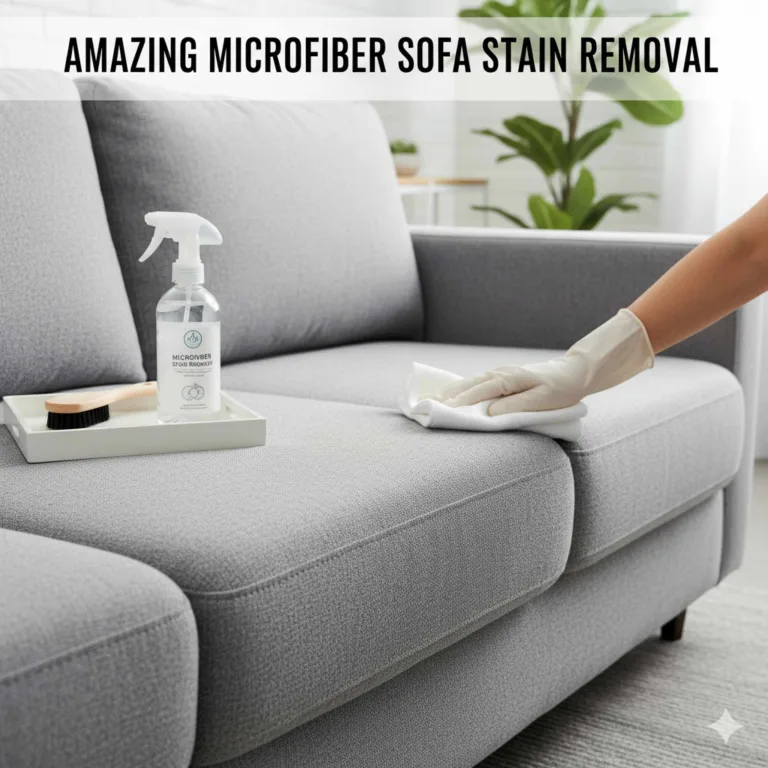
Removing Crayon From Microfiber Sofas
Microfiber is popular for its stain resistance, but crayon can still be tough to remove.
Step 1: Vacuum And Scrape
Vacuum any loose crayon bits. Use a spoon to lift off what you can.
Step 2: Solvent-based Cleaner
Check your sofa’s tag for “S” or “WS”. If “S” is present, use a solvent-based cleaner like rubbing alcohol.
- Spray a small amount of rubbing alcohol on a white cloth.
- Blot the stain gently.
- Use a soft brush to fluff the fibers as they dry.
Step 3: Soap And Water (if Allowed)
If your sofa tag says “W” or “WS”, you can use a mild soap and water mix.
- Dampen a cloth, blot the area, then dry with a clean towel.
Pro Tip: Microfiber can sometimes look “spotty” after cleaning. A soft brush can restore its even appearance.
Dealing With Large Or Old Crayon Stains
Sometimes crayon marks are big, or you find them long after the fact. These stains need more effort.
Step 1: Repeat Freeze And Heat Methods
For large areas, work in small sections. Repeat the freeze and scrape, then the heat transfer process.
Step 2: Use Commercial Cleaners (with Caution)
There are commercial upholstery cleaners designed for tough stains. Always check that the product is safe for your fabric or leather.
- Follow the instructions carefully.
- Test in a hidden spot first.
Step 3: Professional Cleaning
If the stain covers a large area or nothing else works, professional cleaning may be needed. Many upholstery cleaning services have special tools for wax and pigment stains.
Pro Tip: Some DIY solutions (like magic erasers or abrasive pads) can damage fabric or leather. Always use gentle methods first.
What Not To Do: Common Mistakes
Trying to clean crayon stains can go wrong if you’re not careful. Here are mistakes to avoid:
- Using hot water: This melts wax deeper into the fabric.
- Scrubbing hard: Rubbing spreads the stain and damages fibers.
- Skipping the test spot: Cleaners can bleach or ruin some materials.
- Using colored paper: Only use plain white or brown paper for the heat method to avoid color transfer.
- Applying too much water: Especially bad for leather and microfiber.
By knowing what not to do, you’ll avoid making the problem worse.
Comparing Cleaning Methods For Different Sofa Materials
Some methods work better on certain materials than others. Here’s a quick comparison to help you choose the right one:
| Method | Fabric Sofa | Leather Sofa | Microfiber Sofa |
|---|---|---|---|
| Freeze & Scrape | Highly Effective | Moderately Effective | Effective for Surface Wax |
| Heat Transfer (Iron + Paper) | Very Effective | Not Recommended | Use with Caution |
| Soap & Water | Safe if allowed | Use sparingly | Check tag first |
| Rubbing Alcohol | Spot treat only | Use gently | Often recommended |
Diy Vs. Professional Cleaning: Which To Choose?
Sometimes, home methods work well. Other times, professionals are the better choice. Consider these factors:
| Situation | DIY Cleaning | Professional Cleaning |
|---|---|---|
| Small, fresh stain | Usually effective | Not needed |
| Large, old stain | May struggle | Recommended |
| Delicate/expensive fabric | Risky | Safer |
| Leather | Gentle methods only | May restore finish |
Example: In my experience, a small crayon mark on cotton fabric cleaned up easily at home, but a set-in stain on a velvet sofa needed a pro.
Products That Help Remove Crayon
If you want to use store-bought products, here are some that can help:
- Upholstery foam cleaners: Designed for fabric, these can lift stains without soaking.
- Leather cleaner and conditioner: Safe for leather, these keep it soft and clean.
- Rubbing alcohol: Effective for microfiber and some fabrics.
- WD-40: Works on some plastics and hard surfaces, but not recommended for fabric or leather.
Always read the label and follow instructions. Never use products meant for hard surfaces on upholstery.
Preventing Future Crayon Stains
After all the cleaning work, it’s smart to prevent stains in the future. Here’s how:
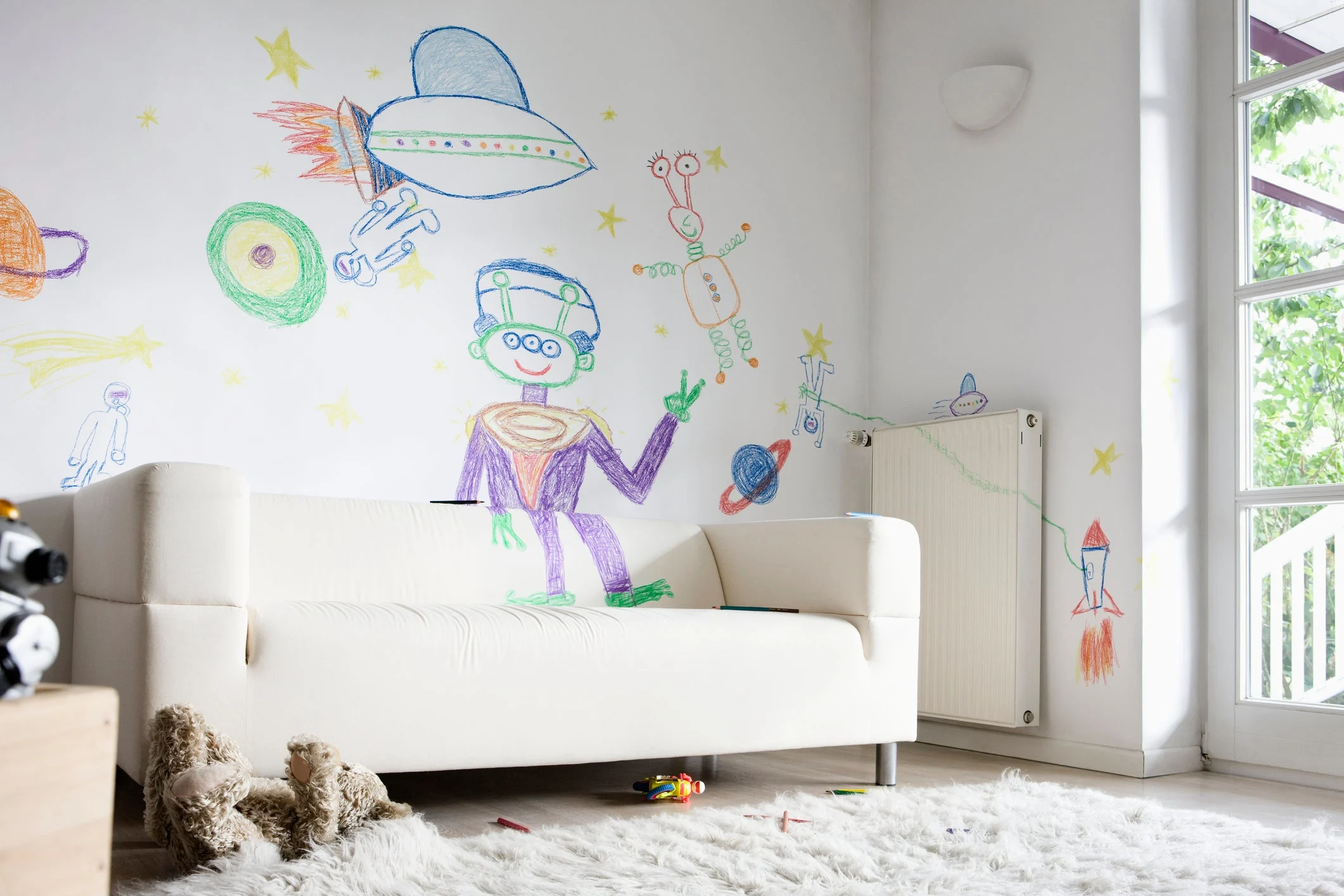
- Keep crayons in a set spot: Teach children to use crayons only at tables.
- Supervise young children: Especially if they love to draw everywhere.
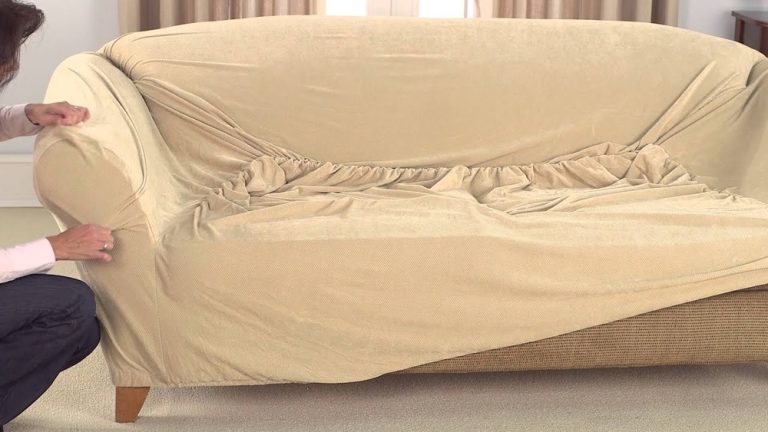
- Use washable covers: Sofa covers or throws can protect against accidents.
- Choose washable crayons: These are easier to clean if accidents happen.
- Regular cleaning: Vacuum and spot-clean your sofa often to catch stains early.
Pro Tip: A regular check under sofa cushions can reveal hidden crayons before they melt or break.
Credit: www.clorox.com
When To Replace Or Reupholster
Sometimes, a stain just won’t come out, or cleaning damages the fabric. If your sofa is very old, has multiple stains, or the fabric is worn, it might be time to think about new upholstery or replacement.
Signs it’s time:
- Fabric is thin or ripped after cleaning.
- Stains remain after professional treatment.
- Allergies from old stains or cleaning chemicals.
If you decide to reupholster or replace, look for stain-resistant fabrics for your next sofa.
Real-world Example: Fabric Sofa Success
A parent discovers a blue crayon scribble on their beige cotton sofa. They:
- Place ice cubes over the stain for 5 minutes.
- Gently scrape off the hardened wax.
- Use the heat transfer method with a paper bag and iron to remove more wax.
- Clean with mild dish soap and water, blotting gently.
- Finish with baking soda to freshen the fabric, then vacuum.
The stain is gone, and the sofa is as good as new, without any harsh chemicals or damage.
Environmental And Safety Considerations
Many people worry about using strong chemicals, especially with pets or children at home. Here are tips for safe, eco-friendly cleaning:
- Choose mild soaps and natural cleaners where possible.
- Open windows for ventilation if using alcohol or commercial products.
- Keep cleaning products away from children and pets.
- Dispose of used paper and wipes properly.
For more on safe cleaning, check resources from the EPA Safer Choice program.
Frequently Asked Questions
How Can I Remove Crayon From A Sofa Without Chemicals?
You can use ice cubes to harden the wax, then scrape it off gently. Follow with the heat transfer method using a brown paper bag and a warm iron (on low heat), which lifts wax without chemicals. Finish by blotting with a damp cloth to remove residue.
Will Vinegar Remove Crayon Stains From Upholstery?
Vinegar is not the best choice for crayon stains. It may help with some types of pigment, but it won’t dissolve wax. Vinegar can also damage some fabrics or leave a strong smell. For crayon, focus on freezing, scraping, and heat transfer methods.
What If The Crayon Melted Into The Sofa From Heat Or Sunlight?
For melted crayon, let it cool and harden first (use ice if needed). Then gently scrape off the excess. The heat transfer method with an iron and paper works well for melted wax. Do not try to wipe melted crayon, it can spread the stain.
Can I Use A Hair Dryer Instead Of An Iron For The
Products related to this article
Sponsored / affiliate links. As an Amazon Associate I earn from qualifying purchases. I may earn additional commission from eligible campaigns.