Couch Guard Protector Review: Is It Worth It?
Yes. If your main risk is accidents, shedding, scratching, or cosmetic wear, a couch guard protector is worth it, but match the protector to that one problem before you buy. Pick the wrong type and you can still end up with stains, fur buildup, claw damage, or a cover that slips and gets ignored. This guide breaks down which protector fits each risk and when you should skip one.
Verdict

For homes where accidents happen, the best value usually comes from a waterproof cover with a secure fit. A water-resistant cover can handle light daily protection, but it is a weaker choice when you need true spill containment, puppy accident defense, or help with muddy paws that sit on the fabric long enough to soak in.
Specs at a glance
| Feature | What matters here |
|---|---|
| Product type | Waterproof recliner-sofa cover with stretch elastic base |
| Protection focus | Blocks pet scratches, fur, spills, and stains |
| Fit pieces | Seat and armrest pieces for a more tailored fit |
| Care | Machine wash care |
| Fit control | Non-slip design |
| Sizes | 3-seat format |
| Water barrier | Waterproof fabric |
| Color | Dark gray |
Material and layer setup
Multi-layer construction is where a couch protector starts earning its keep. Waterproof covers use a liquid barrier so spills do not pass straight through, while water-resistant covers only slow absorption. For pet homes, TPU waterproof membranes and quilted polyester tops are common in covers and pet blankets because they combine spill control with a softer surface.
That difference matters more than most listings admit. A water-resistant cover can help with a damp dog or a small splash, but a wet puppy accident or a tipped drink is a different job. If the home sees recurring accidents, the higher-cost waterproof option is usually the better buy.
Fit, backing, and strap details
Slip-resistant backing helps a protector stay where you place it. Rubber backing or silicone dots improve grip, and adjustable straps under the sofa or across the back reduce shifting when pets jump on and off. That is especially important on smooth cushions and active sofas.
Fit also determines whether the cover feels worth it after the first week. Loose corners collect hair, gaps invite seep-through at the sides, and poor arm coverage leaves the most worn areas exposed. A protector that matches the sofa shape is cheaper than replacing a cover that will never sit flat.
Care and washing basics
Machine washable protectors are easier to live with because cleanup is quicker. Cold wash guidance is common, and dryer limits matter because heat can shorten the life of waterproof layers, elastic, and backing. If a cover needs frequent washing, that maintenance cost should be part of the purchase decision.
A common first-timer mistake is buying a thick cover for a spill-heavy home without checking drying limits. If it needs air-drying after every wash, the sofa may sit uncovered longer than expected. That can make a “cheap” protector less useful than a better-fitting, easier-care option.
Who is it for?
A couch guard protector is most useful when a sofa faces one main threat and that threat happens often. Dog and cat homes benefit most from hair control, claw contact, and accident protection; families with toddlers care more about snacks, juice, and crumbs; leather owners often want liquid resistance and hair release, not a thick quilted layer.
Homes with dogs and cats
For shedding pets, the value comes from surface texture and cleanup speed. Hair release is better than cling, because fur that sits on top can be lifted with a lint roller or vacuum instead of worked out of the weave. If pets jump on the couch every hour, backing and straps matter almost as much as the fabric.
Families with toddlers and snack spills
For spills, a waterproof couch cover usually pays off faster than a water-resistant one. Juice, milk, and snack residue can soak past a lighter barrier if left long enough, especially at seams and edge folds. The cover is worth it when washing the protector is easier than deep-cleaning the sofa every week.
Leather sofa owners
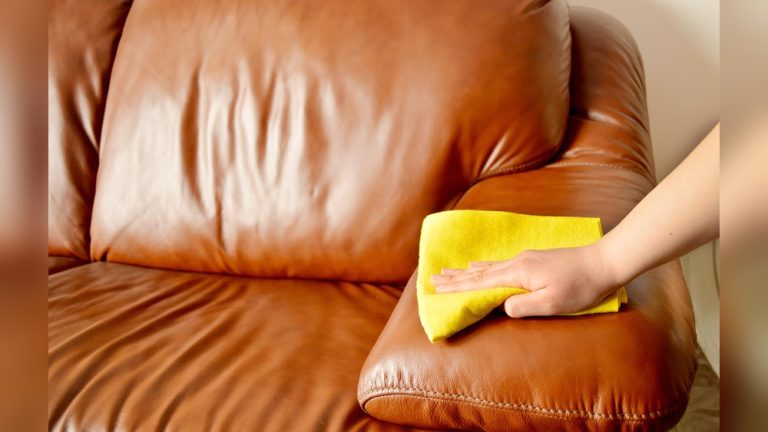
Leather changes the value equation. A leather sofa protector often needs to repel liquid and reduce hair cling without turning the seat into a hot, slippery surface. In some cases, a non-waterproof protector makes more sense than a thick quilted one because leather already resists some surface moisture and needs a cover that stays put.
What works
The strongest case for a couch guard protector is practical: it can stop a stain from becoming a cleaning project, reduce pet hair buildup, and lower the wear that shows up first on seat fronts and armrests. The best versions combine waterproof or water-resistant fabric with a secure fit, so the cover protects the sofa instead of sliding off it.
Waterproof and water-resistant protection
Waterproof covers are the better choice for pet accidents and frequent spills because they block liquid rather than slowing it. Water-resistant covers are useful for lighter exposure, such as a damp coat, a little drool, or occasional beverage splashes. The gap between those two claims is important, and it is where many buyers overspend or underbuy.
Sanmadrola is described as “100% waterproof” and uses “five layers of advanced polyester technology.” That is the kind of spec stack that makes sense when the risk is repeated accidents, not just dust and light wear. FurHaven, by contrast, is described by Vetstreet as water-resistant, not waterproof.
Hair release and easy cleanup
Pet hair performance depends on whether hair sits on the surface or clings to it. Slicker surfaces usually release hair more easily, while textured fabrics can trap fur and make lint removal slower. Quilted polyester often balances comfort with decent cleanup, which is why it shows up so often in pet-friendly covers.
Machine washable care adds value here because a cover that goes through cold wash cycles is easier to keep presentable. Easy care matters most in multi-pet homes, where hair and dirt build up quickly and the protector may need washing more often than the sofa would otherwise need cleaning.
Fit control with backing and straps
FurHaven uses an adjustable elastic band to help prevent shifting, and Gorilla Grip lists rubber backing plus sturdy straps on its leather protector. Those are the details that decide whether the protector survives active use. If a dog launches onto the seat and the cover slides half an inch every time, the product is not doing enough.
Suppose a 3-seat sofa gets used by a dog that jumps on and off after walks. A waterproof cover may still fail if it lacks grip. Add straps or backing, and the same cover can stay useful long enough to justify the price.
Couch guard matrix
Worth it or not?
| Scenario | Likely payoff | Best protector type | Common failure mode | When to skip the purchase |
|---|---|---|---|---|
| Dog shedding only | Moderate; cleaner seats and faster lint pickup | Quilted polyester or reversible cover with hair-release fabric | Hair cling on textured weaves | Skip if you already use a vacuum routine and the sofa is rarely used |
| Puppy accidents | High; protection from repeat liquid damage | Waterproof cover with TPU waterproof membrane or multi-layer barrier | Seep-through at seams or edge leaks | Skip only if accidents are rare and a washable throw already covers the seat |
| Cat scratching | Moderate; shields finish and seat fabric from light claw contact | Tight-fitting cover with sturdy backing and straps | Loose fabric invites pulling | Skip if the cat targets arms and posts more than the seat itself |
| Toddler spills | High; easier cleanup and less deep staining | Waterproof or strongly water-resistant machine washable cover | Liquid pooling at seams | Skip if spill risk is low and you already use removable seat pads |
| Leather sofa protection | Moderate; helps with hair, light liquid, and surface wear | Leather-safe protector with liquid resistance and low-cling surface | Heat, slipping, and a bulky look | Skip if the leather is already in good shape and pets stay off the sofa |
That matrix is the clearest way to judge value. If the main problem is one of the high-payoff rows, the protector is likely worth it. If your situation lands in a lower-payoff row and you already manage the mess with a throw or routine cleaning, a cheaper fix may be enough.
What does not work?
Protector failures are predictable. Slipping, seep-through, heat buildup, and poor fit are the main reasons people stop using them. A cover that looks good in a listing can still fail if the sofa has deep cushions, wide arms, or a sectional shape that leaves edges exposed.
Slipping on active sofas
Active pets expose weak fit fast. Without rubber backing, silicone dots, or straps, a protector can drift every time someone sits down or a dog leaps up. That motion creates gaps, and gaps are where hair, crumbs, and spills collect first.
Seep-through and edge leaks
Water-resistant fabric does not always stop a full spill. Liquid can reach seams, travel under the edge, or pass through after sitting for a few minutes. If the home has puppies, senior dogs, or frequent beverage spills, waterproof construction is the safer choice.
Heat, comfort, and visual tradeoffs
Thick barriers can feel warmer and look heavier on the sofa. Some owners accept that tradeoff for accident protection, but others do not. Reversible sofa covers help with decor flexibility because they offer two color options, yet the extra layer still needs to be judged against comfort and how often the sofa is actually used.
Picture a sectional with deep seats and one active cat. A standard sofa cover may protect the center well but leave the chaise or corner exposed. In that case, a sectional-specific solution or a different furniture plan is usually better than forcing a poor fit.
Alternatives
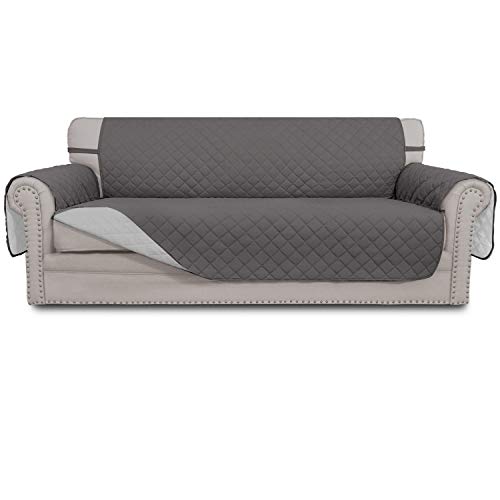
Easy-Going Reversible Couch Cover is the lower-cost option for people who mainly want daily wear protection, basic spill resistance, and easier cleanup. Based on the manufacturer details and published reviews, the quilted microfiber feels practical for everyday use, and the foam pipes help it hold position better than a loose throw. The drawback is the same one you see in many water-resistant covers: it is not the right answer for heavy accident control.
Genina Waterproof Recliner Sofa Cover is the stronger choice when the big risk is liquid damage, pet accidents, or repeated staining. The waterproof fabric, seat-and-armrest pieces, and non-slip design make it better suited to active homes than a purely decorative cover. The tradeoff is bulk and fit complexity, especially if the sofa shape does not match the 3-seat format.
For leather furniture, a leather-safe protector is often better than a thick quilted cover because it can repel liquid and reduce hair cling without fighting the sofa’s surface. Gorilla Grip’s leather protector is described as repelling liquid rather than being waterproof, and it uses rubber backing and sturdy straps. That makes it a practical middle ground for leather seats that need grip more than padding.
Plastic or barrier-style options are the least comfortable but can be useful in short-term, high-risk situations. Think post-surgery recovery, potty training, or a guest room sofa that needs temporary defense. They are usually a poor long-term choice because they feel less natural, trap heat, and can be annoying to keep in place.
Should you buy it?
If shedding is your main issue, buy one only if you want easier cleanup and less visual wear, not because it will eliminate hair. If accidents are the problem, the answer is usually yes, and waterproof construction is the safer purchase. If the sofa is leather or sectional, buy only after checking fit and surface compatibility.
A common first-timer mistake is choosing a generic cover because it is cheaper, then discovering it slips, traps heat, or leaves the arms exposed. A better decision is to match the protector type to the exact risk, the sofa shape, and the cleaning routine you are willing to keep.
- Measure sofa width and seat depth before buying.
- Decide whether your main risk is hair, spills, scratches, or cosmetic wear.
- Choose waterproof for accidents and water-resistant for lighter daily use.
- Check for backing, straps, or elastic if pets jump on the sofa often.
- Confirm washing instructions, especially cold wash and dryer limits.
- Skip the purchase if a cheaper throw already solves the problem you actually have.
Frequently asked questions
Is a couch guard protector worth it for dogs and cats?
Yes, if your pets shed, scratch lightly, or bring dirt onto the sofa often. The value is highest when you want a washable barrier between the pet and the furniture. If the sofa rarely gets used or the pet problem is minor, a cheaper throw may be enough.
Do couch protectors actually stop stains and pet hair?
They do, but performance depends on the material and fit. Waterproof covers are better for stains and accidents, while smoother fabrics usually release hair more easily. A loose or textured cover can still trap fur, and a water-resistant one may not stop a larger spill.
What’s the difference between water-resistant and waterproof couch covers?
Water-resistant covers slow liquid entry, but waterproof covers are designed to block it. That difference matters for puppy accidents, spilled drinks, and muddy paws. If you need short-term splash protection, water-resistant can work; for anything involving soak-in risk, waterproof is the safer choice.
Will a couch protector stay in place on a sofa with active pets?
Only if the fit and grip are right. Look for rubber backing, silicone dots, elastic bands, or straps under the sofa. Without those features, active pets can shift the cover enough to expose the seat edges and reduce the protector’s value.
How do I choose the right size couch protector for my sofa?
Measure the sofa width and depth first, then compare those numbers to chair, loveseat, sofa, or oversized sofa sizing. Check whether the cover includes arm coverage and whether it is meant for recliners or sectionals. A close fit matters more than picking the cheapest size that seems close enough.
Is Guardsman furniture protection worth it?
That depends on whether you mean a protection plan or a cover. A furniture protection plan can make sense when you want coverage for accidental damage and are willing to follow the policy rules. It does not replace a couch guard protector for hair, daily wear, or pet accidents on the surface.
Products related to this article
Sponsored / affiliate links. As an Amazon Associate I earn from qualifying purchases. I may earn additional commission from eligible campaigns.